If you are preparing to sell acreage on the West Bank South, size alone is not what sets your property apart. Discerning buyers in Teton County often look beyond the acre count to understand access, privacy, land use, water, and how a parcel fits into the broader landscape. When you present that story clearly, you give buyers confidence and strengthen your position from the start. Let’s dive in.
Why West Bank South Acreage Needs Careful Presentation
In South Park and the surrounding West Bank South area, rural character is part of the larger planning context. Teton County’s long-range planning themes emphasize wildlife stewardship, scenic resources, agricultural conservation, and public access to public lands. That means buyers are often evaluating not just a homesite, but a piece of land within a larger ecological and visual setting.
That context matters when you bring a property to market. A discerning buyer may want to know how the land lives through the seasons, how it connects to the road, whether irrigation is documented, and what protections or constraints shape future use. The more clearly you answer those questions, the more credible your offering becomes.
Current buyer behavior supports that approach. Recent 2025 housing search data showed strong interest in outdoor and experience-driven features, water, flexible layouts, fenced yards, and privacy. For acreage sellers, that reinforces a simple point: your land should be presented as a complete lifestyle and stewardship opportunity, not just a legal parcel.
Lead With a Stewardship Narrative
For high-value acreage, the strongest marketing often starts with a thoughtful narrative. Buyers want to understand how the property has been cared for, how it functions, and how it relates to open space, habitat, and access. In this part of the valley, that story can carry real weight.
A stewardship narrative does not need to be sentimental. It should be factual, clear, and grounded in documentation. Clean boundaries, understandable access, verified records, and visible respect for the land often help a property feel more legible to a serious buyer.
This is especially important in Teton County, where natural resource protections are current and active. The county approved its Natural Resource Protection LDR update on February 18, 2025, and it became effective May 1, 2025. The update includes waterbody and wetland protection standards along with a Natural Resources Overlay that uses tiered habitat protection standards and natural-resource assessments.
Build a Buyer-Ready Listing Packet
A strong acreage offering usually begins long before photography or public marketing. The first step is assembling the records that help buyers and their advisors understand exactly what is being offered. When that work is done upfront, your property is easier to evaluate and often easier to trust.
Teton County’s GIS map is a useful starting point. The county includes layers for zoning, roads, ownership, and conservation easements, and it makes downloadable public files available for ownership, roads, zoning, conservation easements, and more. Planning records also note that deeds, mortgages, releases, private covenants, and recorded easements can be searched digitally through the GIS map or the clerk’s office.
Before launching a listing, it is also wise to review the assessor’s property file. Teton County notes that each parcel file includes a basic sketch and photographs of structures and is available for owner review to confirm accuracy. That simple check can help you catch inconsistencies before a buyer does.
Core Documents to Gather
A well-prepared seller packet for West Bank South acreage should often include:
- Current survey or plat
- GIS parcel and zoning maps
- Recorded easements and covenants
- Access history and any driveway permit records
- Water-right, reservoir, ditch, or irrigation documentation, if applicable
- Floodplain status
- Wildland Urban Interface status
- Permit history from SmartGov
- A short summary of fencing, trash-storage, and habitat-related compliance
When these materials are organized in advance, buyers can spend less time chasing facts and more time evaluating fit.
Clarify Access Early
Access is one of the first issues serious acreage buyers examine. If there is any uncertainty about how a parcel is reached, who has rights to use a drive, or whether improvements were properly permitted, the property can become harder to underwrite in the buyer’s mind.
Teton County requires an access permit when a driveway connects to a county road. The county states that the application sketch must show property lines, dimensions, existing access driveways, drainage, off-street parking, and the proposed access driveway. If there is a joint access, an easement may be used, but a copy of that easement must be included with the application.
For marketing purposes, this means access should never be treated as an afterthought. If you can show the legal and physical path into the property clearly, you reduce friction and make the acreage feel more understandable from the outset.
Verify Water and Irrigation Records
Water is one of the most important value drivers for acreage, but it can also be one of the easiest areas to misunderstand. A visible ditch, irrigated ground, or water feature does not always tell the full legal story. That is why documentation matters.
Wyoming’s State Engineer states that water rights are property rights that transfer with the sale of the property they are attached to. The office also notes that reservoirs may require assignment or deed language, and that a ditch crossing a property does not by itself give a new owner the right to use or fill it.
The same office warns that some irrigated land may show no water-right record if the irrigation is only temporary. In practical terms, that means you should verify the continuing right rather than assume it from current appearance or past use. For a discerning buyer, clarity here signals competence and credibility.
Address Floodplain and Natural Resource Context
Floodplain status should be reviewed before the property goes live. Teton County says current FEMA flood hazard zones and floodplain boundaries can be viewed on the county GIS page. The county also notes that boundaries may not align perfectly with aerial basemaps, and that FEMA is updating county mapping and studies with pending products applied to flood-prone development proposals.
That does not mean floodplain context is automatically negative. It means buyers should be given accurate information early, in plain language, so they can evaluate the parcel with fewer unknowns. Surprises are rarely helpful in a complex land sale.
Natural resource context matters just as much. Teton County’s current rules include waterbody and wetland setbacks of 150 feet from rivers, 100 feet from streams, and 50 feet from wetlands, with those buffer areas kept free of development and even fences. If those features affect your property, they should be explained as part of a complete land picture.
Present Wildlife and Wildfire Thoughtfully
In Teton County, wildlife and wildfire are not side notes for acreage marketing. They are part of how land is understood, regulated, and valued. A buyer who sees clear evidence of stewardship may view that as a strength rather than a burden.
The county states that it is developing wildlife crossings and fencing to preserve migration corridors. It also says new fencing must follow wildlife-friendly rules, though special-purpose exemptions are available for certain agricultural or enclosed uses. Countywide, bear-resistant refuse and recycling containers are required as well.
Wildfire planning now plays a larger role too. Teton County and the Town of Jackson operate under the 2024 Wildland Urban Interface Code, and effective January 1, 2025, all private parcels in Teton County are within the mapped WUI. The county says new construction must undergo Fire Department review, including a dimensioned site plan and defensible-space review.
For sellers, the best approach is simple. Explain these items clearly, document what applies, and frame responsible compliance as part of the property’s readiness and care. For many buyers, that supports confidence in both the land and the offering.
Use Visuals That Explain the Land
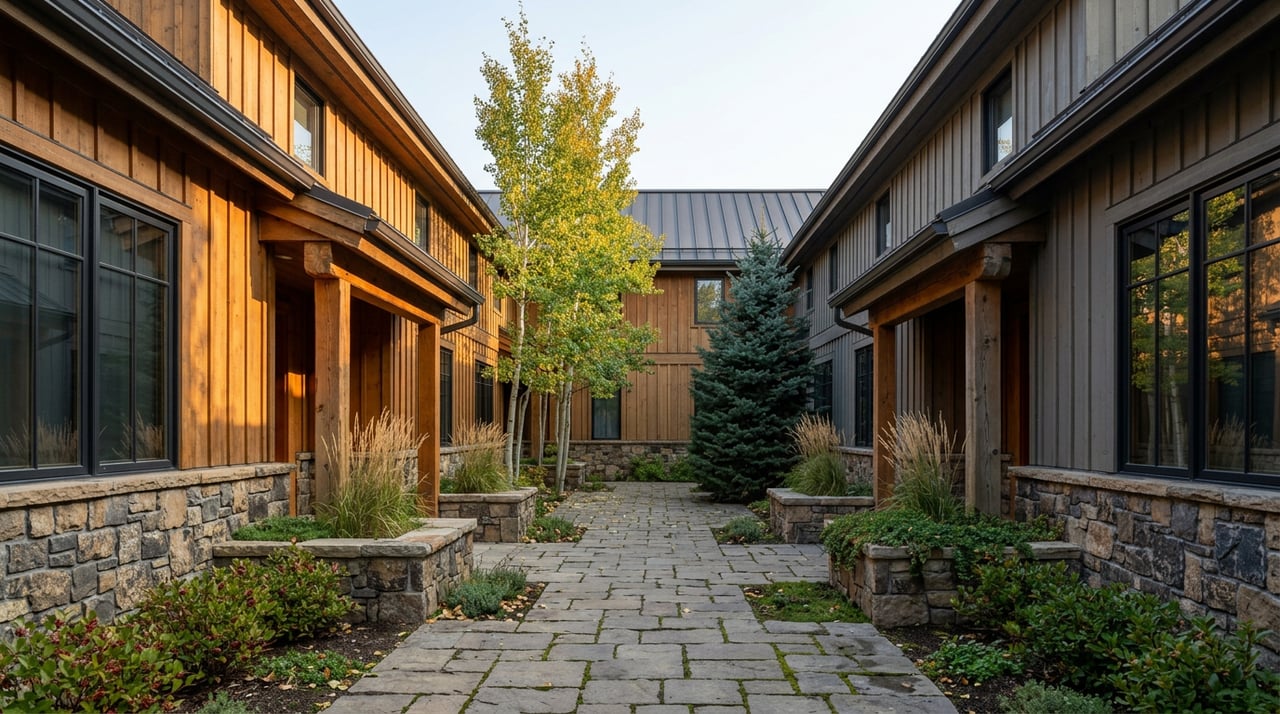
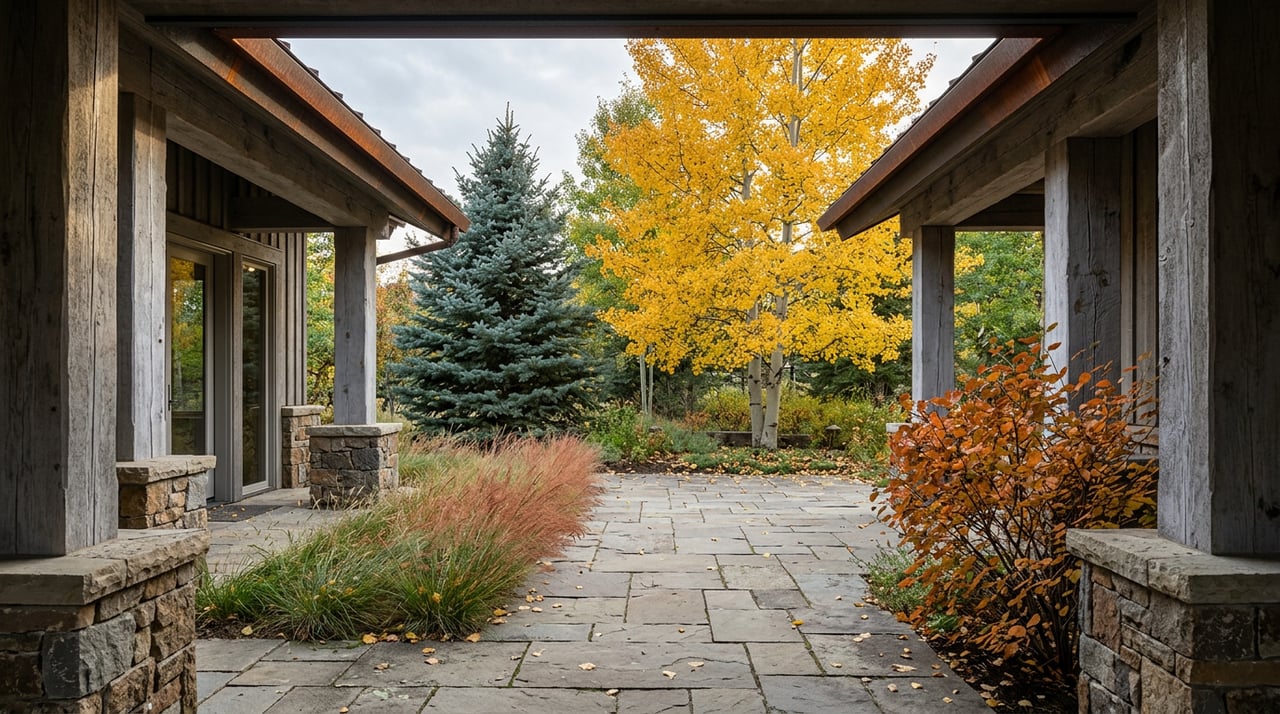
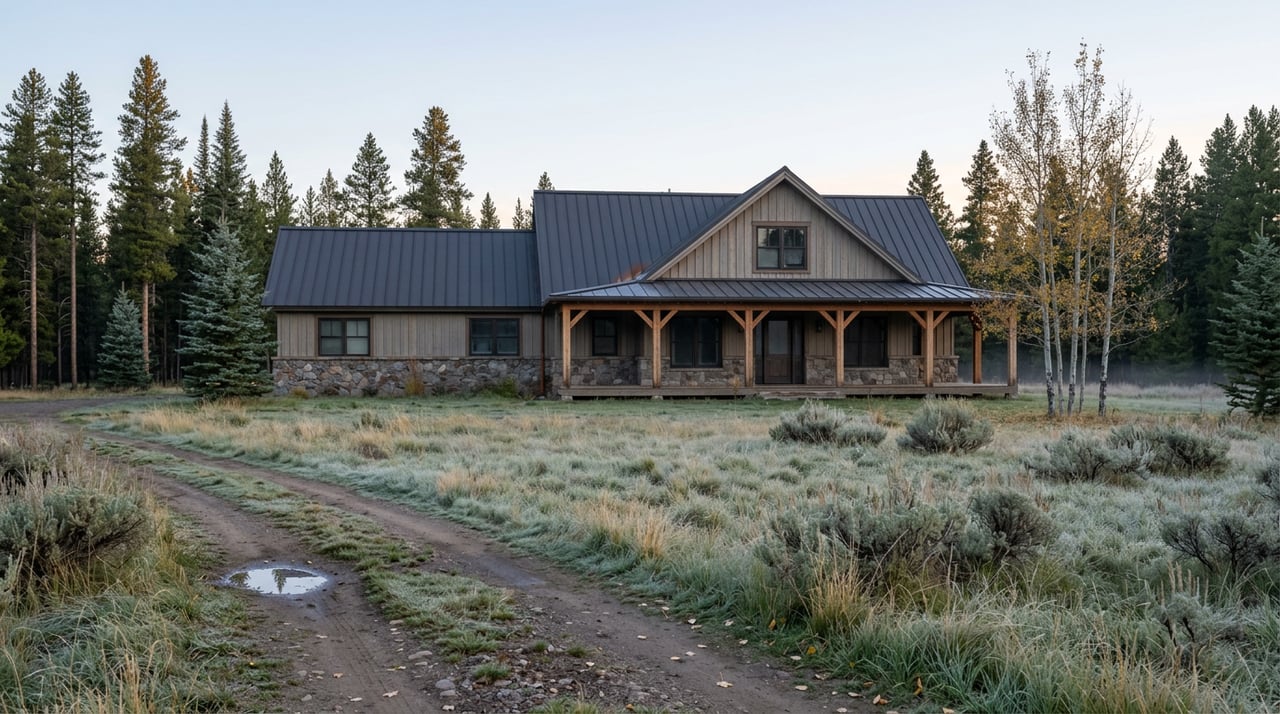
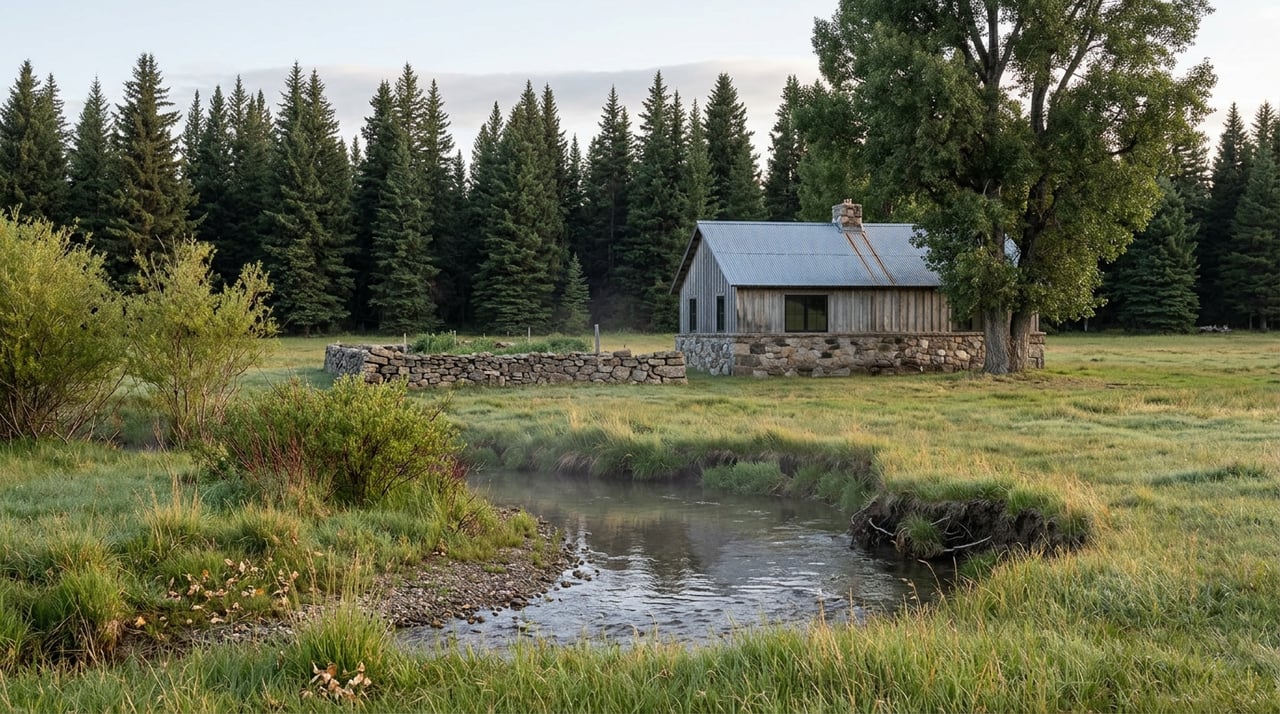
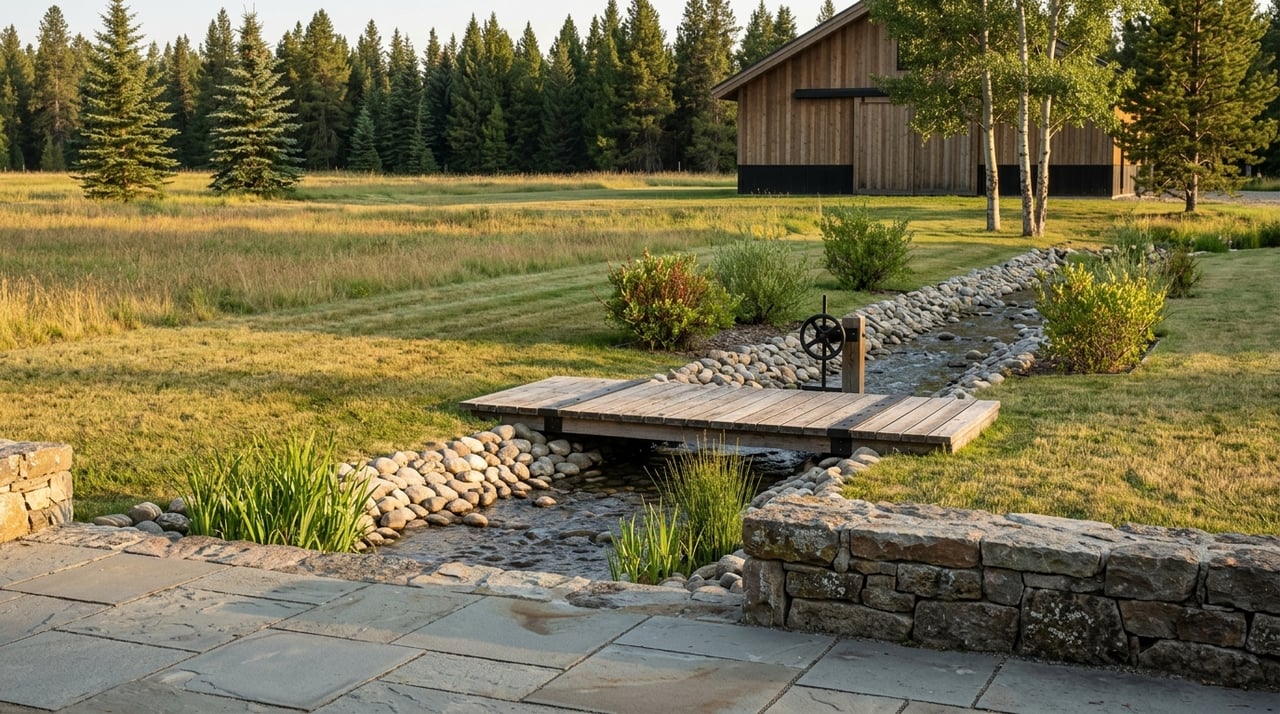
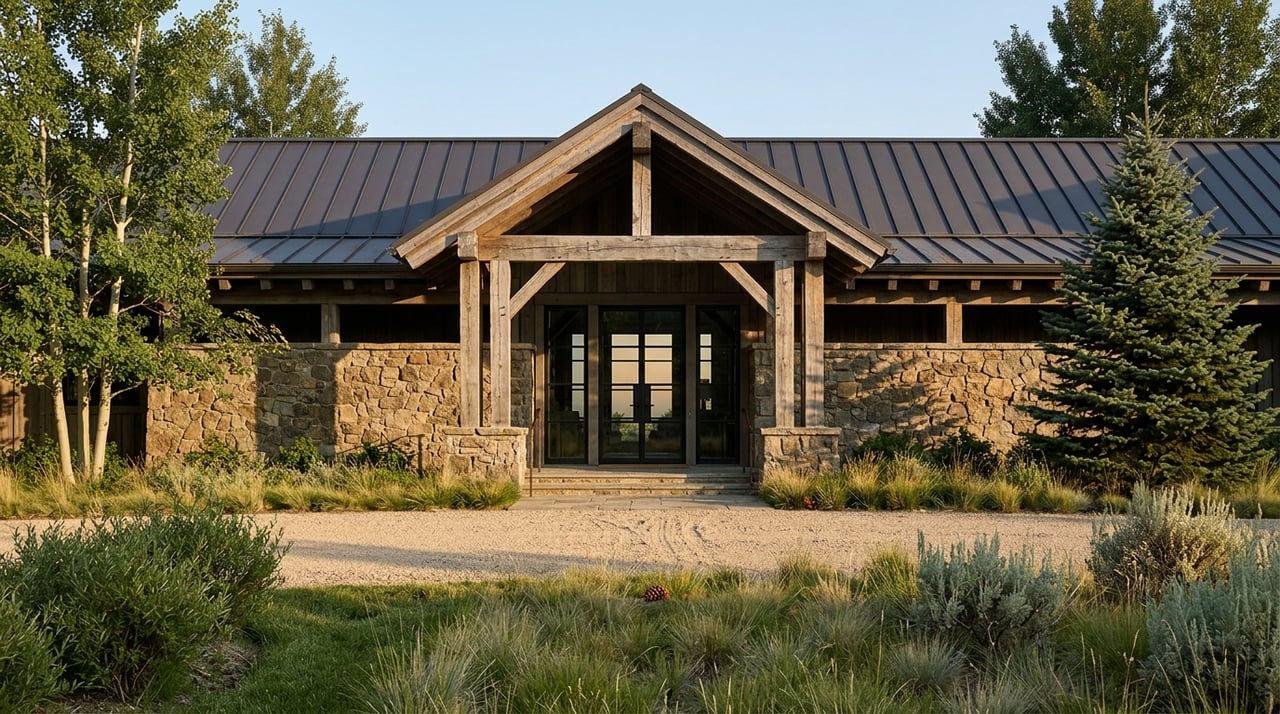
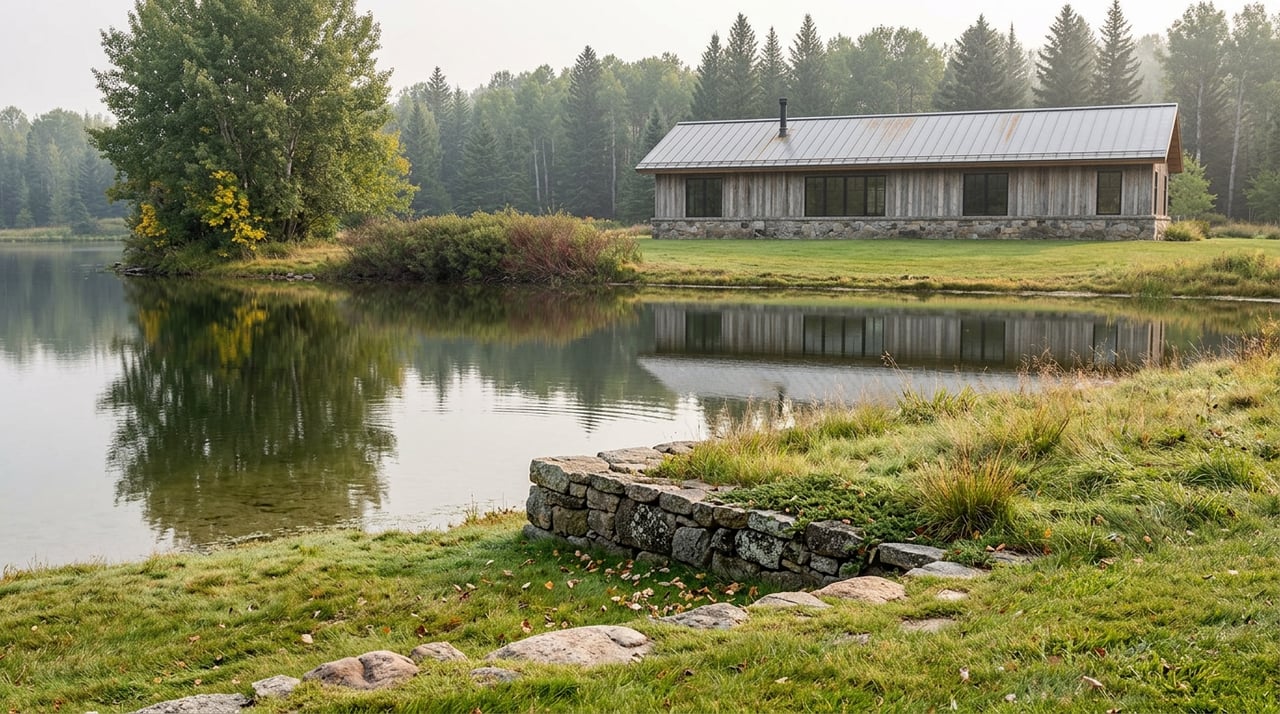
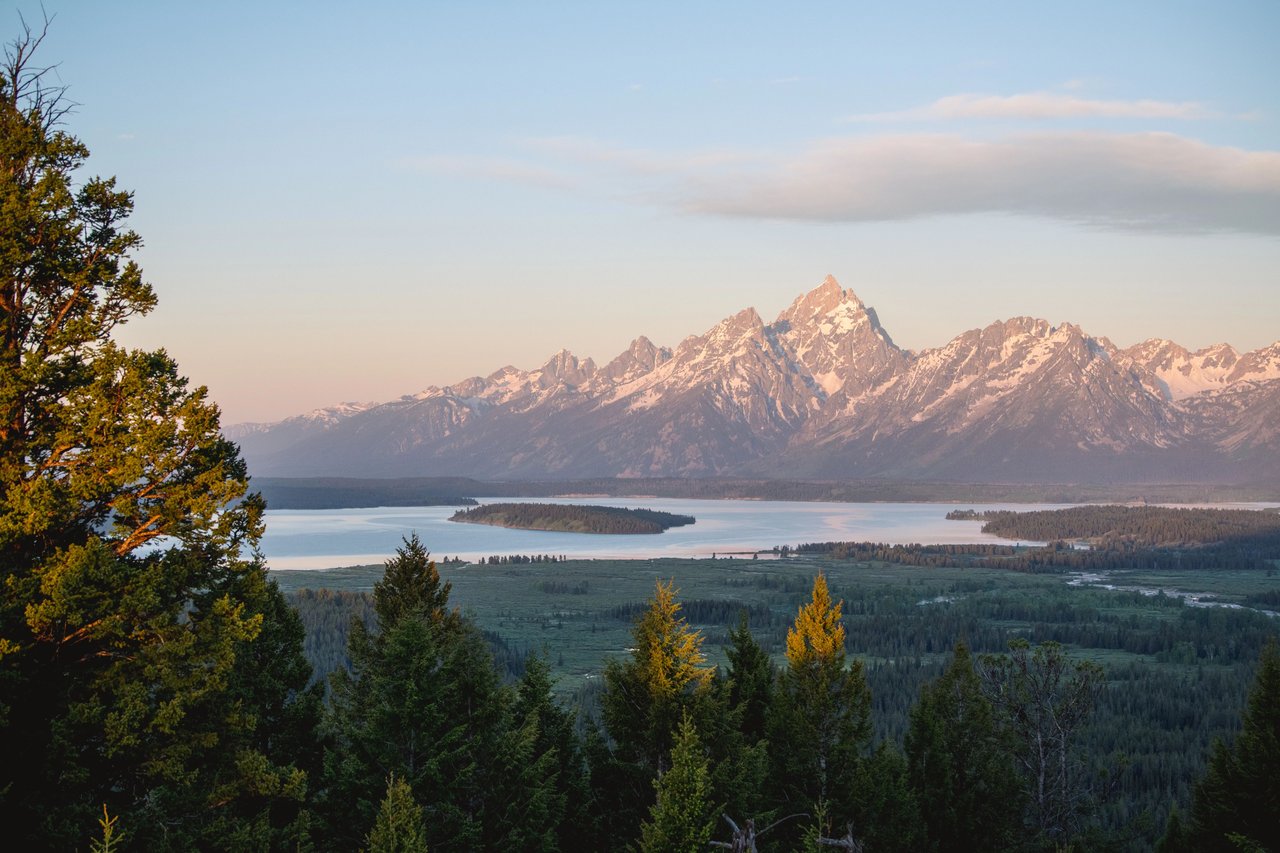
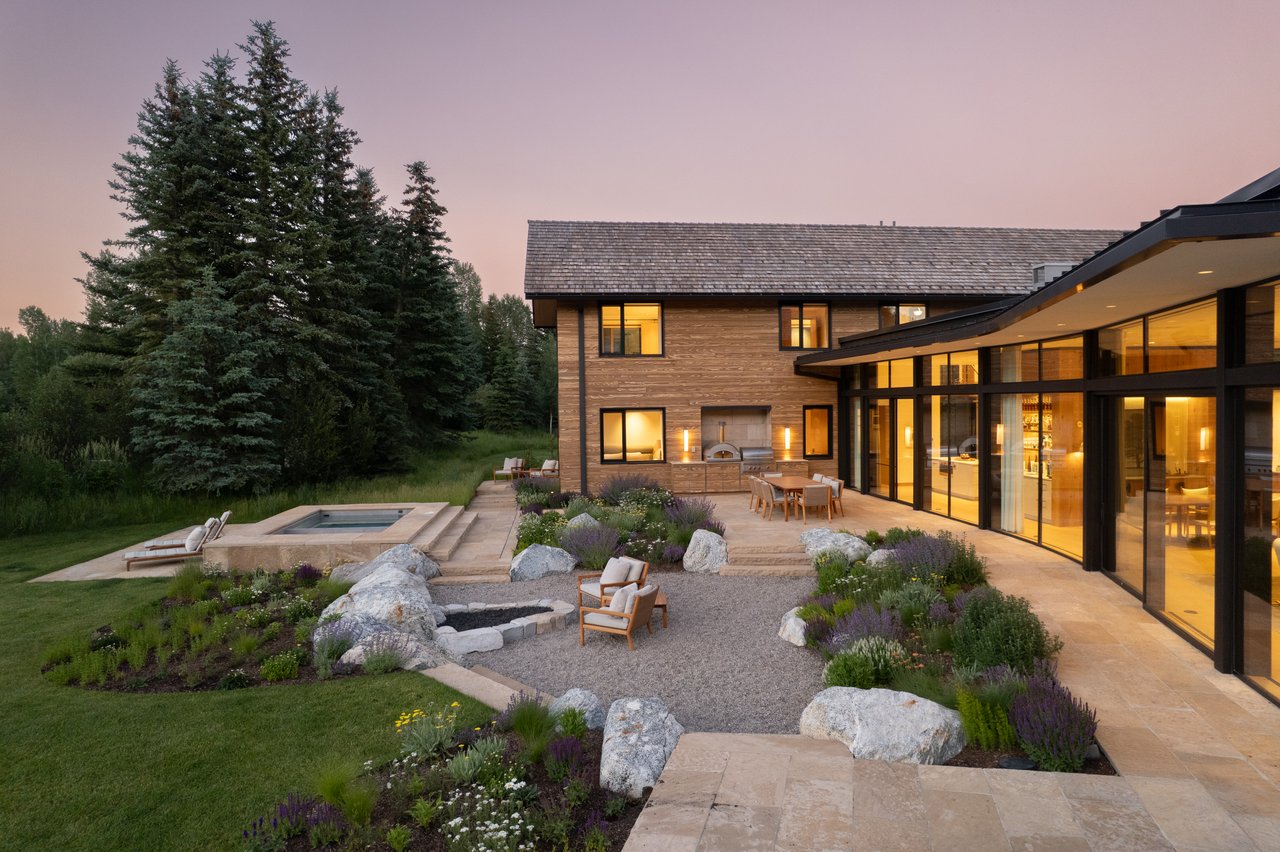
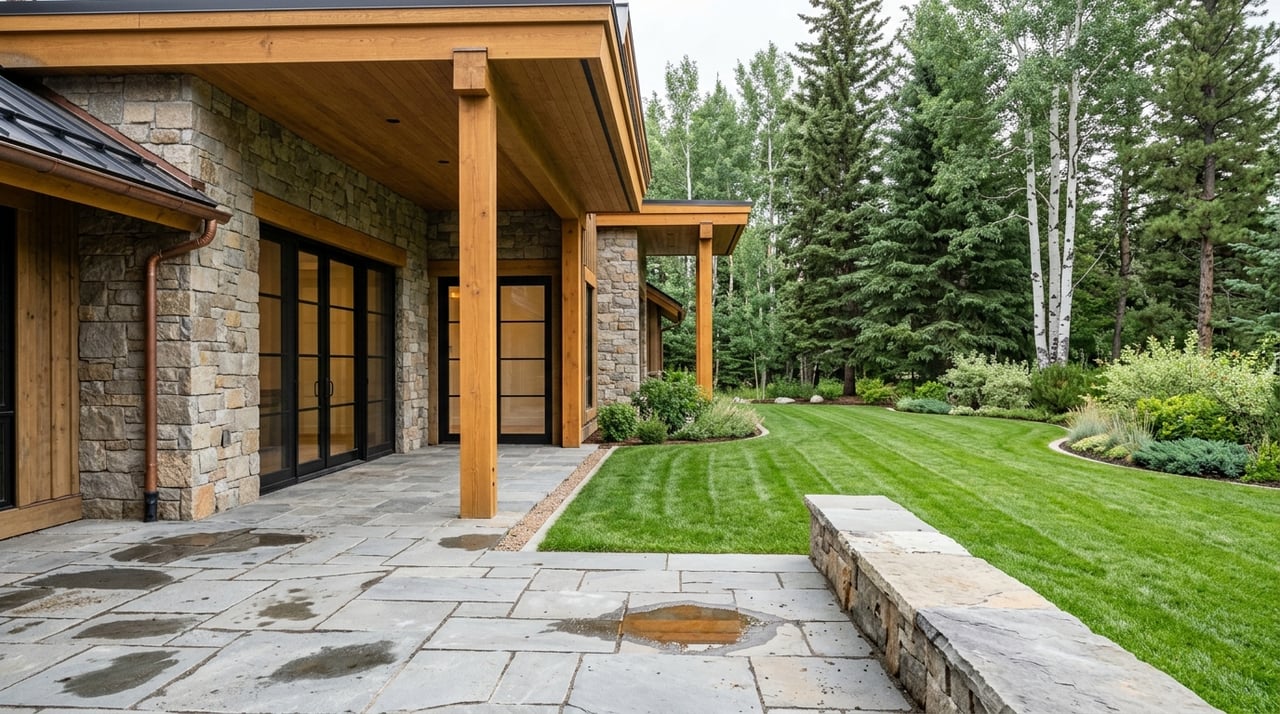
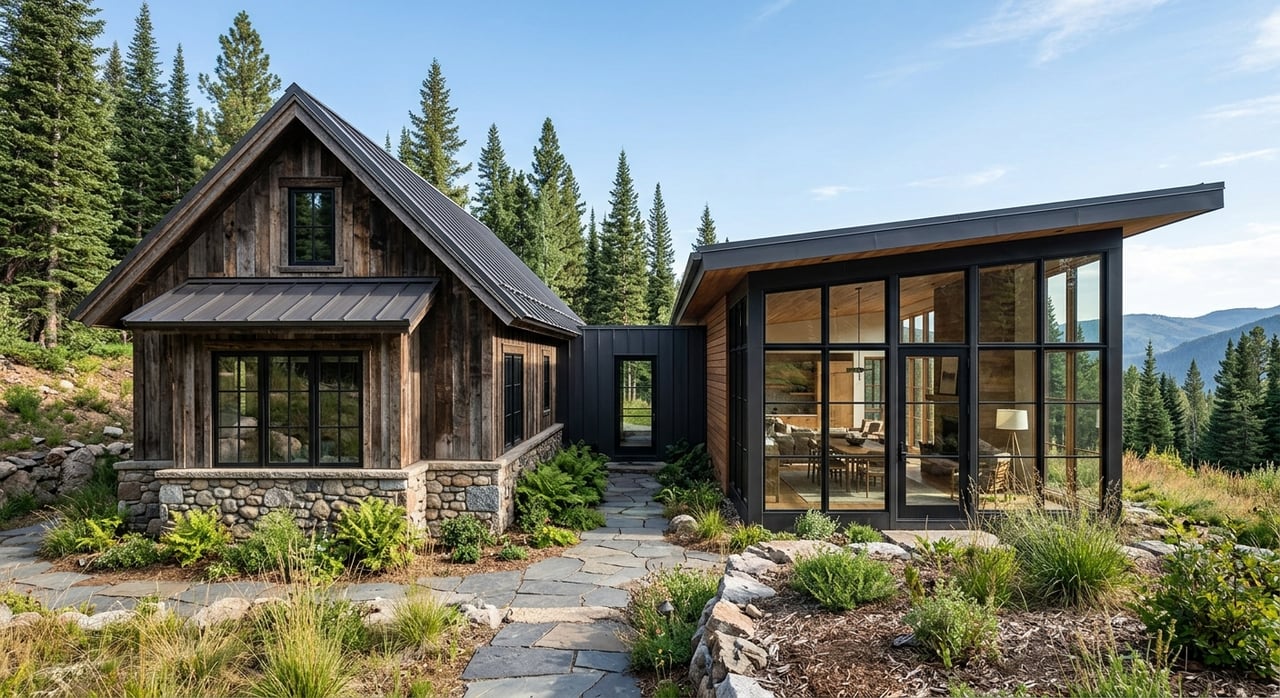
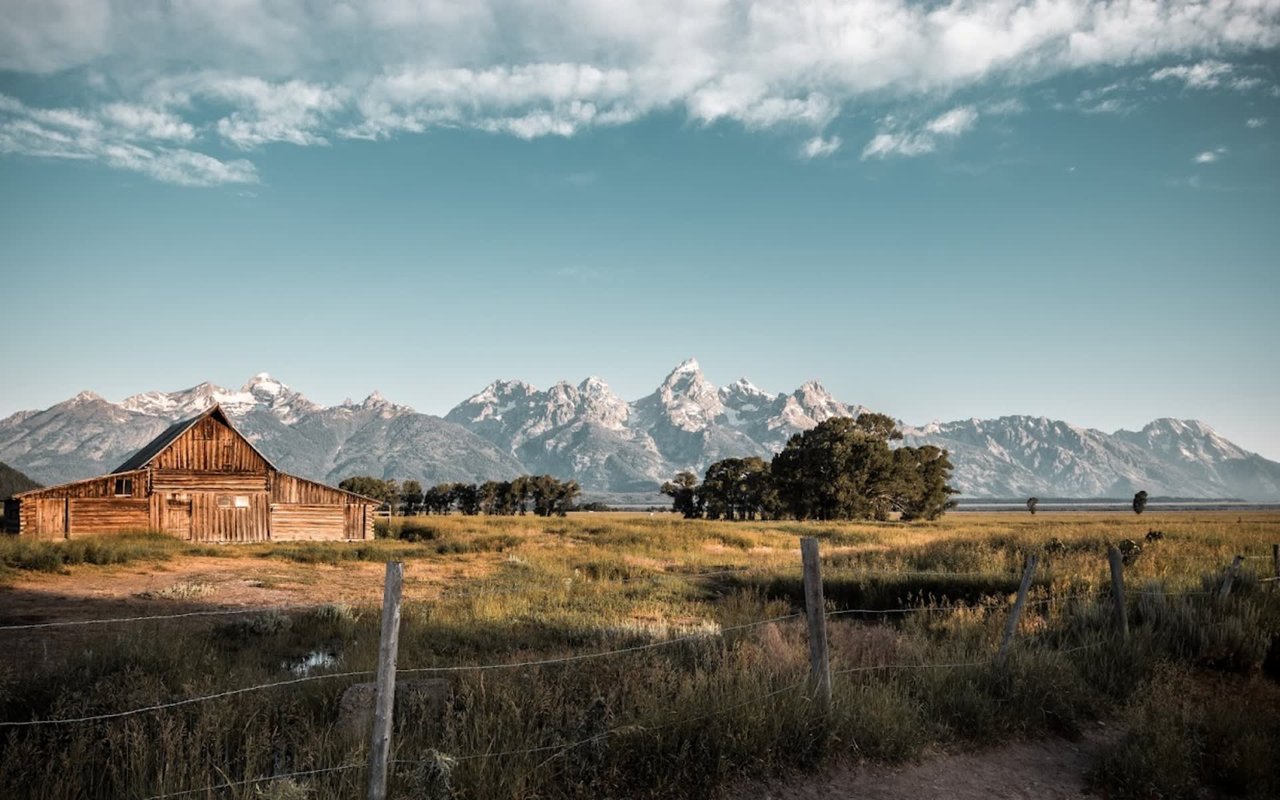
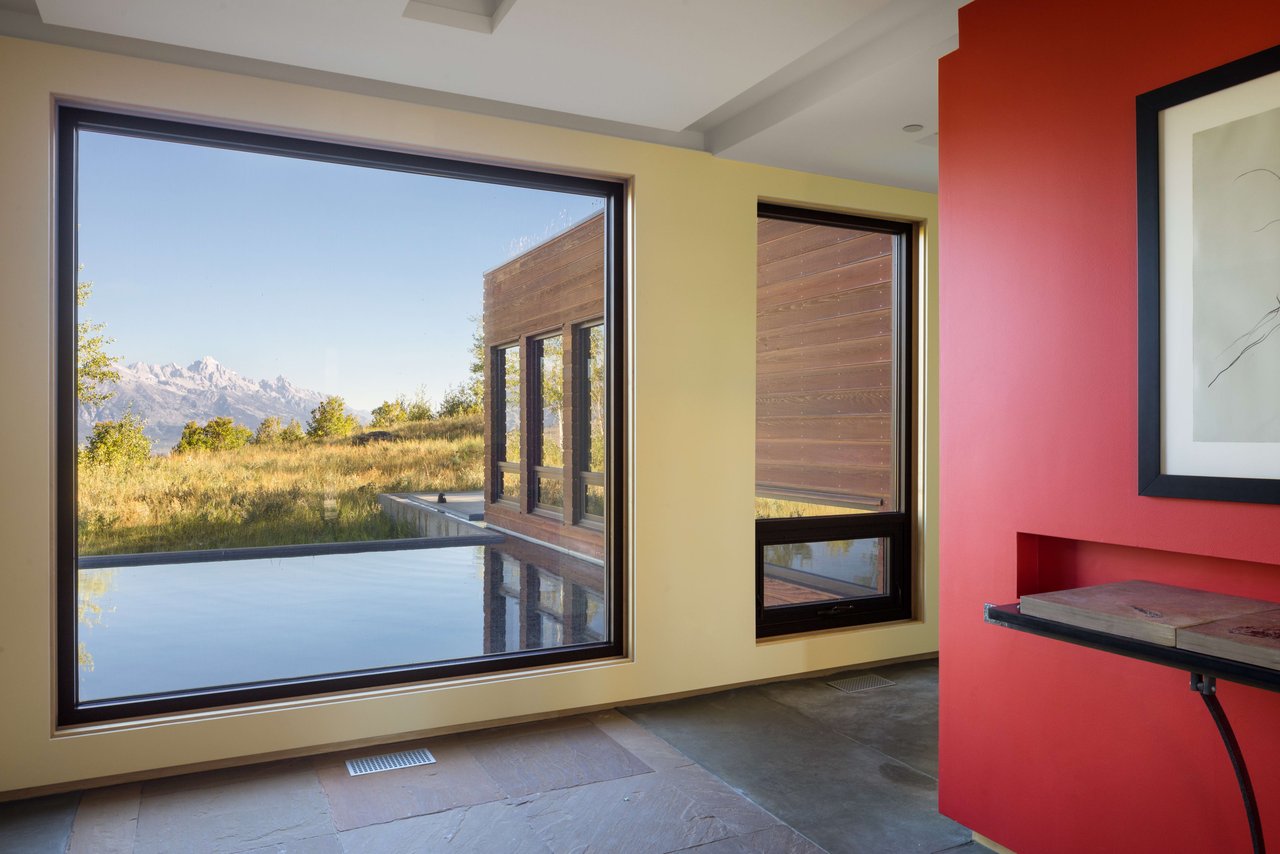
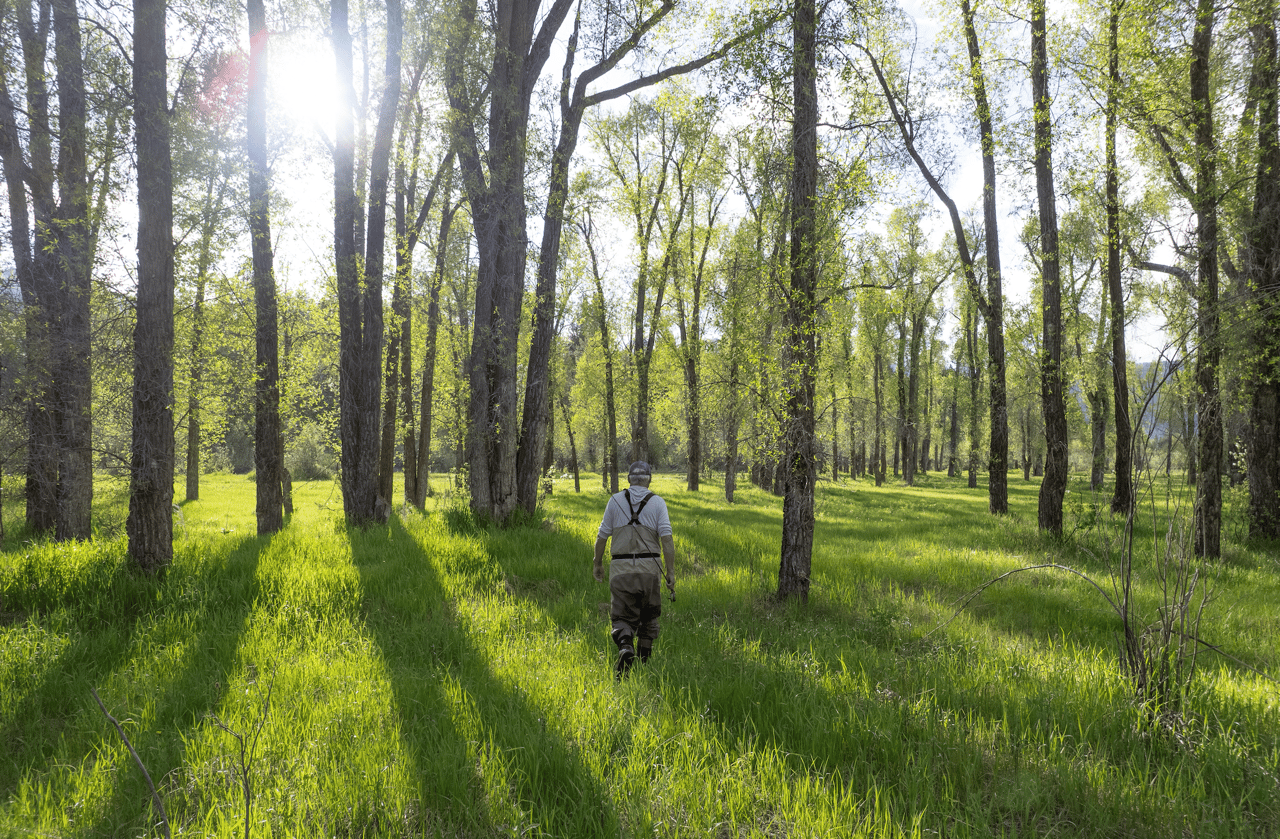
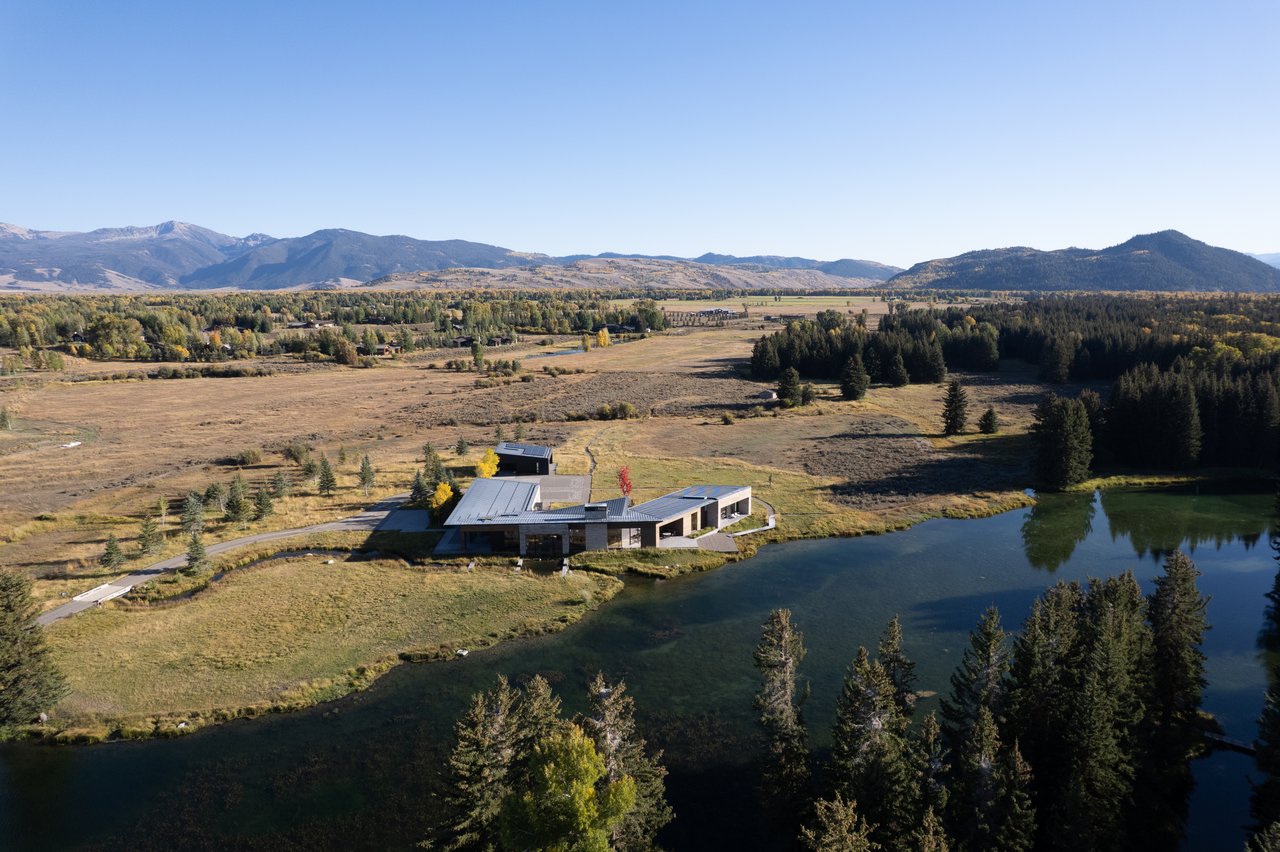
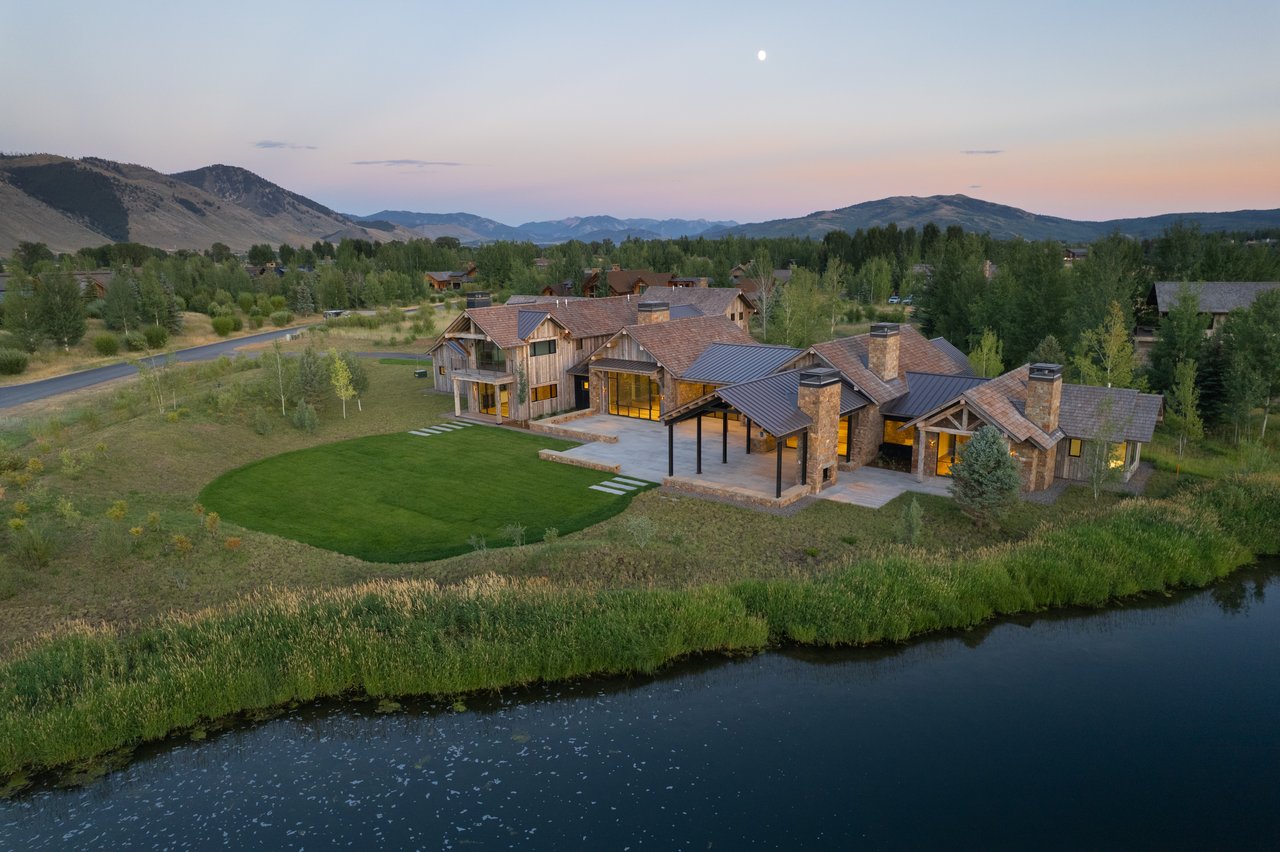
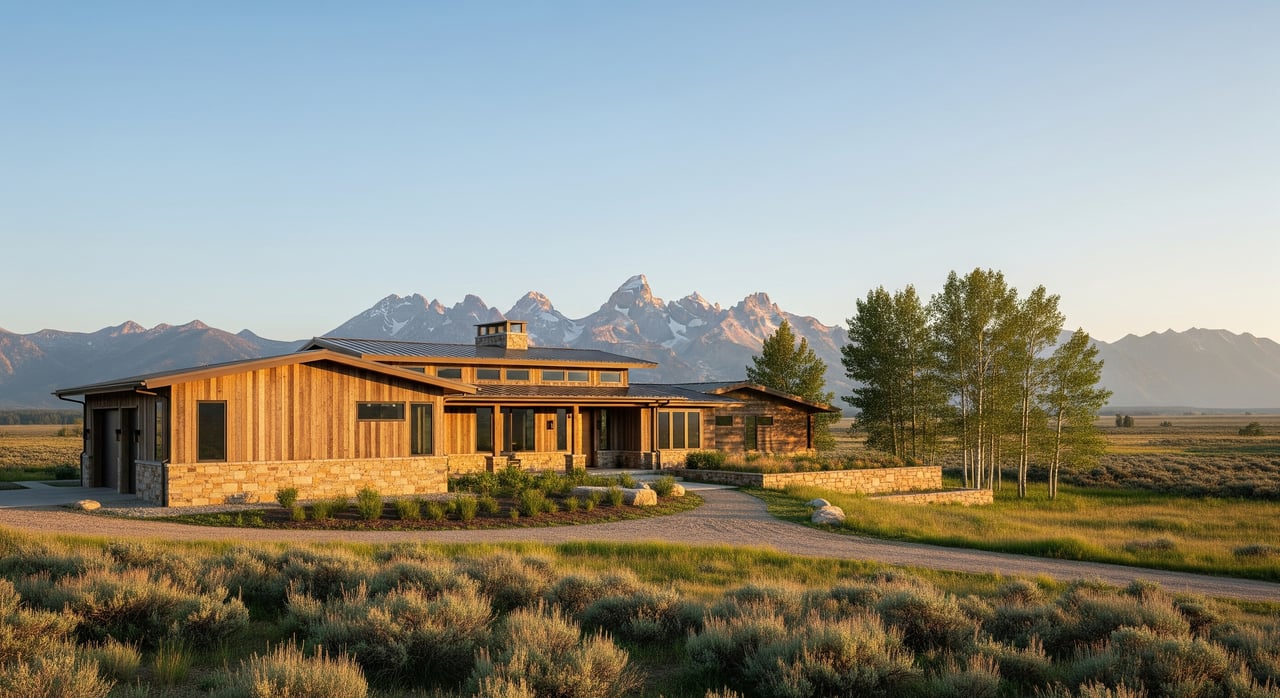
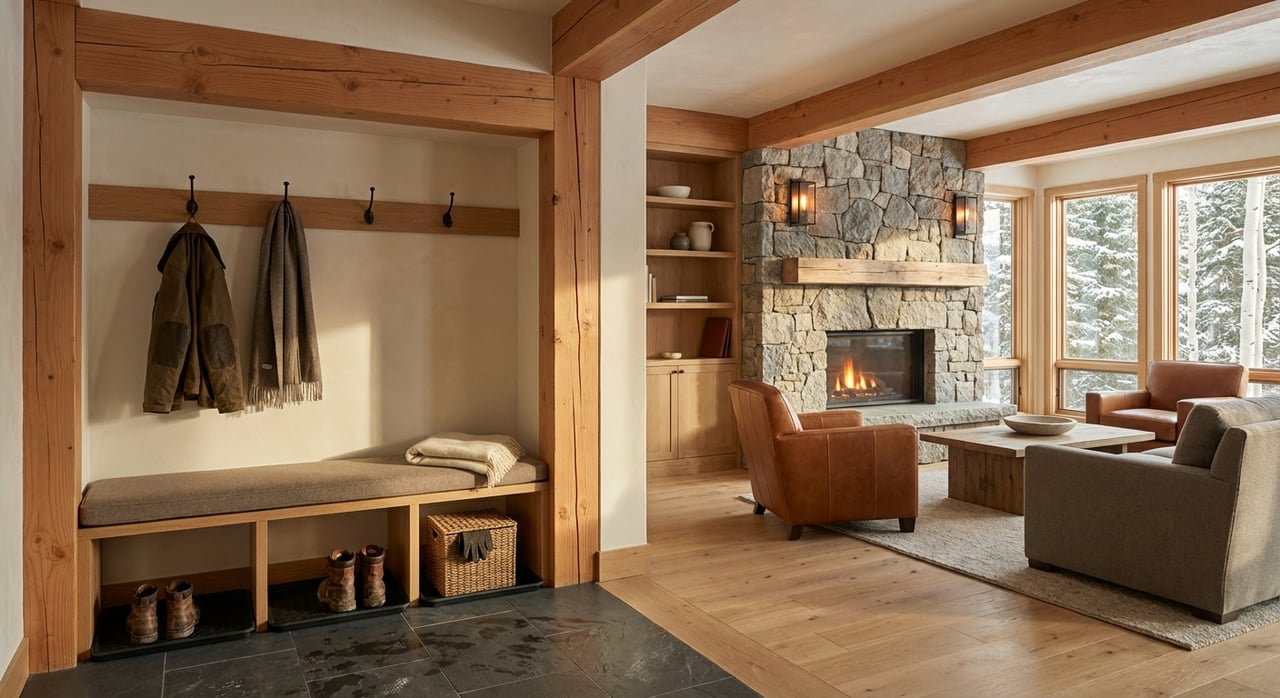
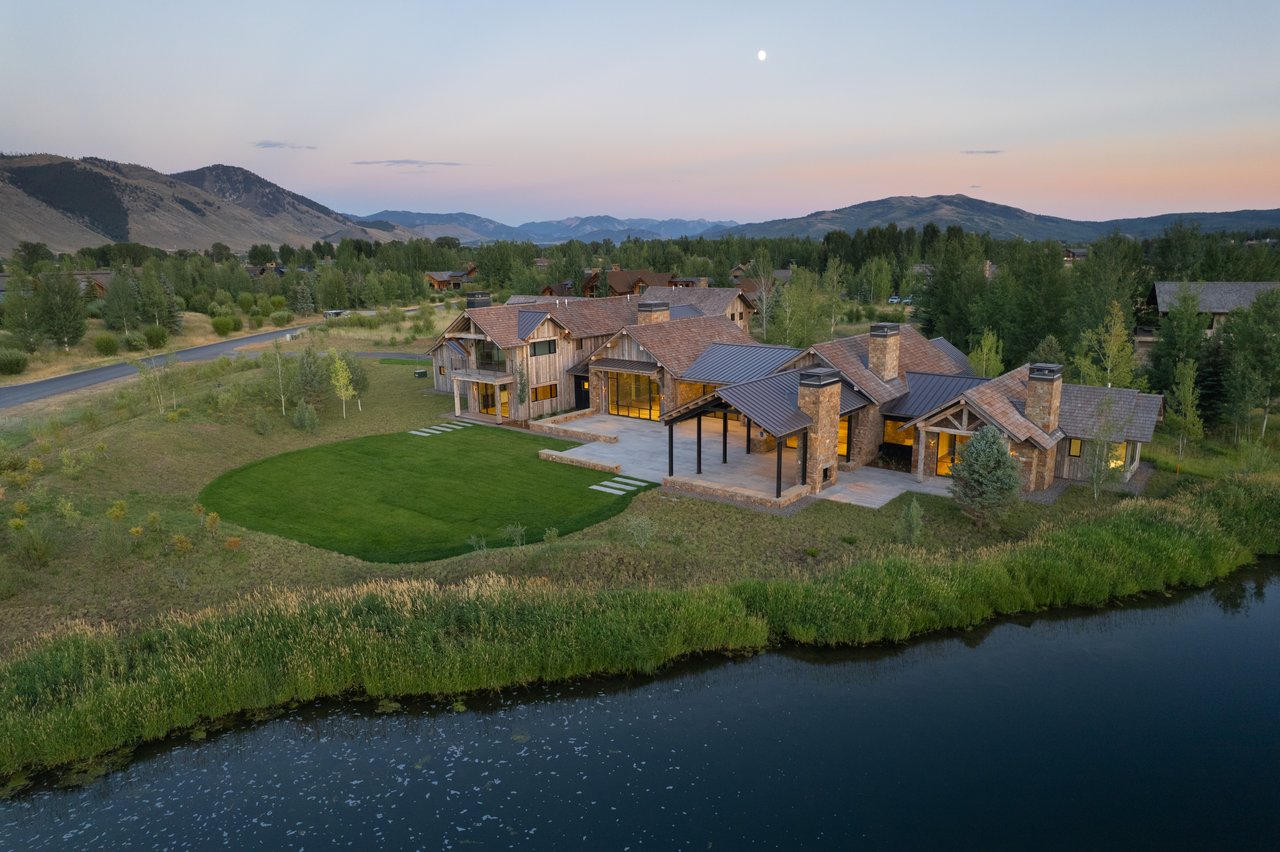
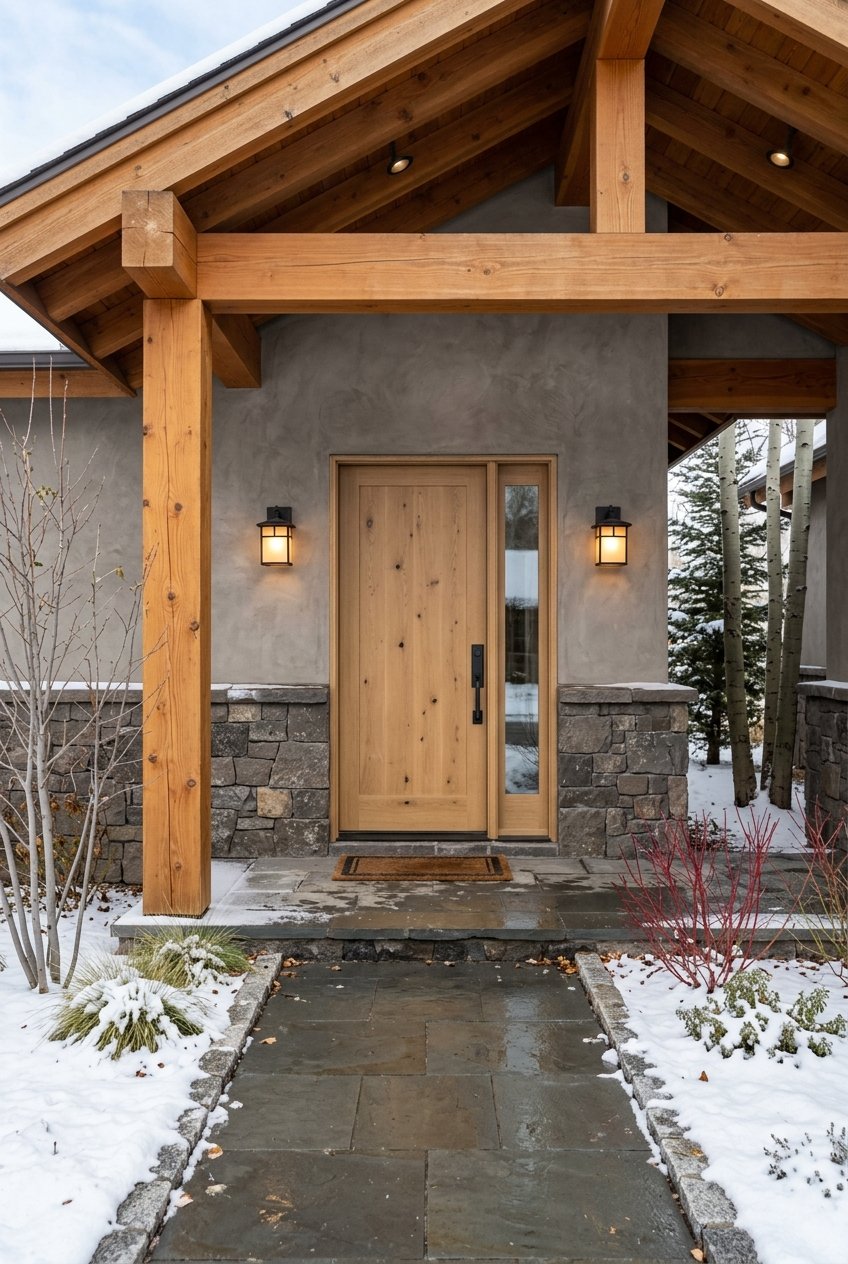
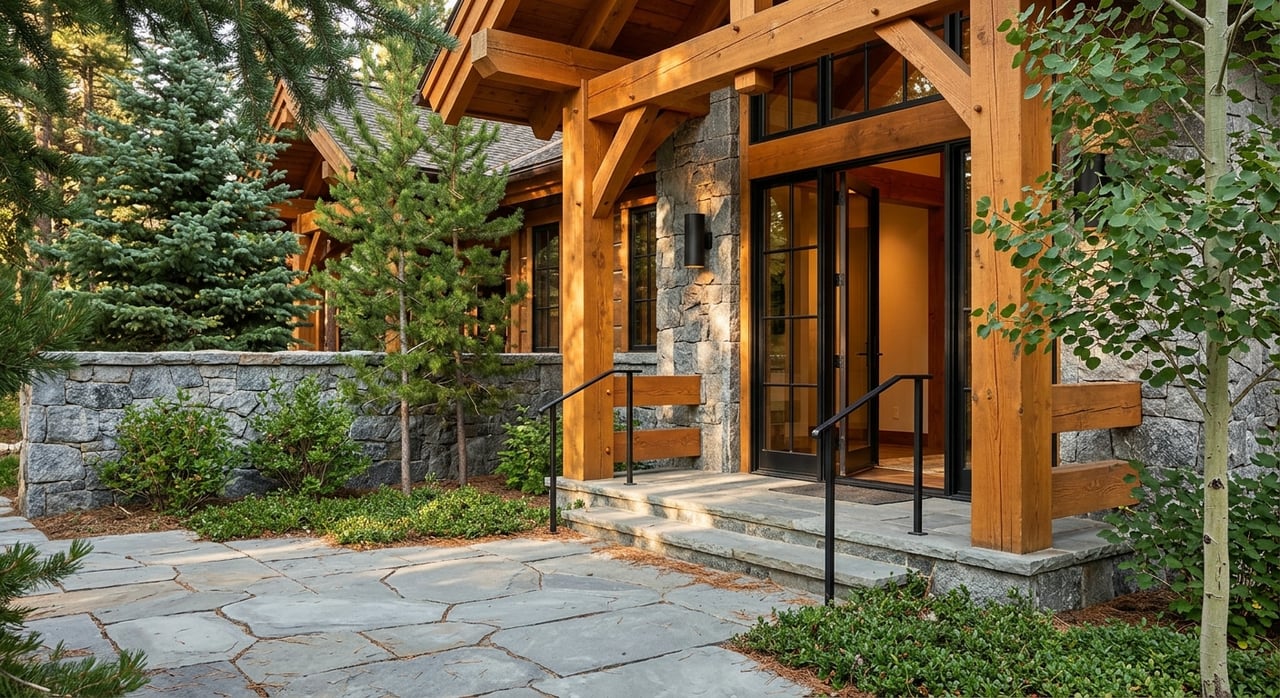
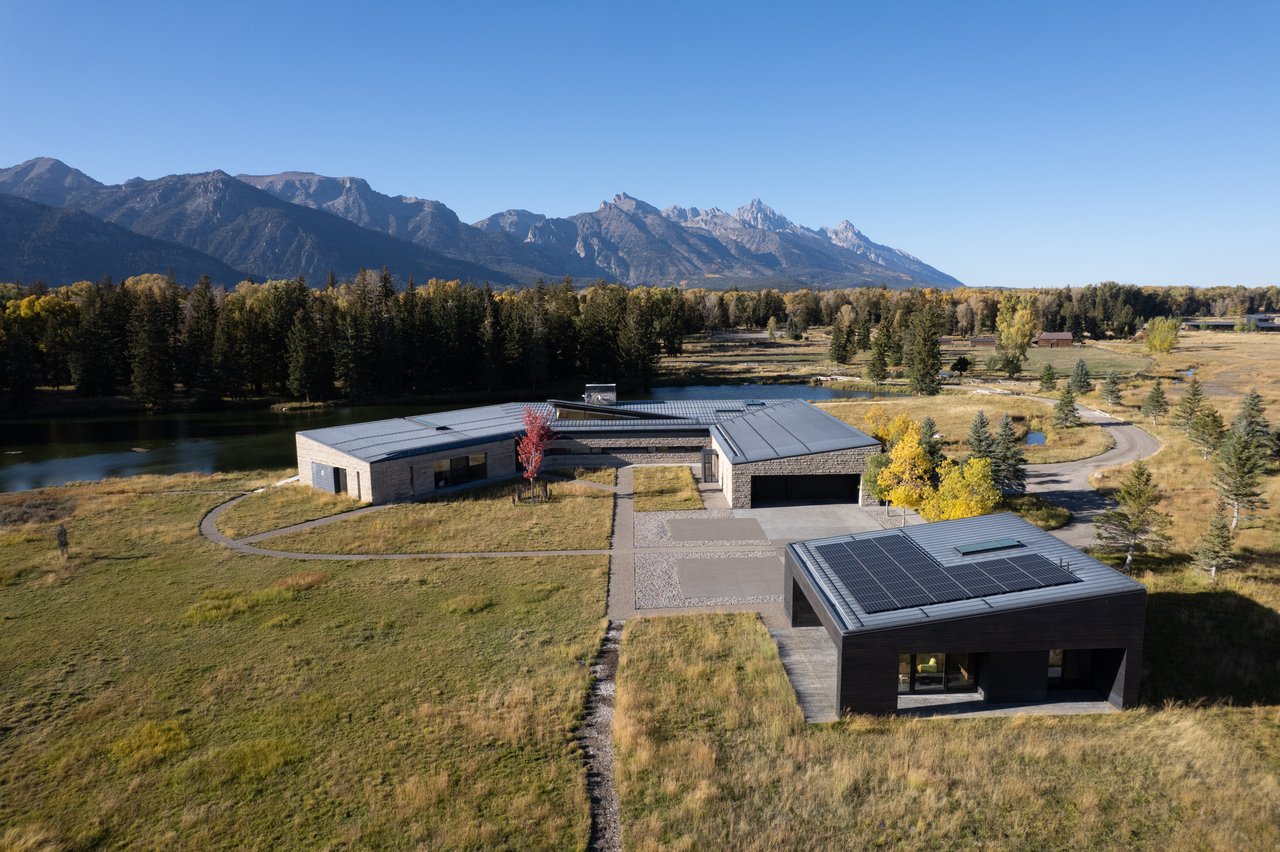
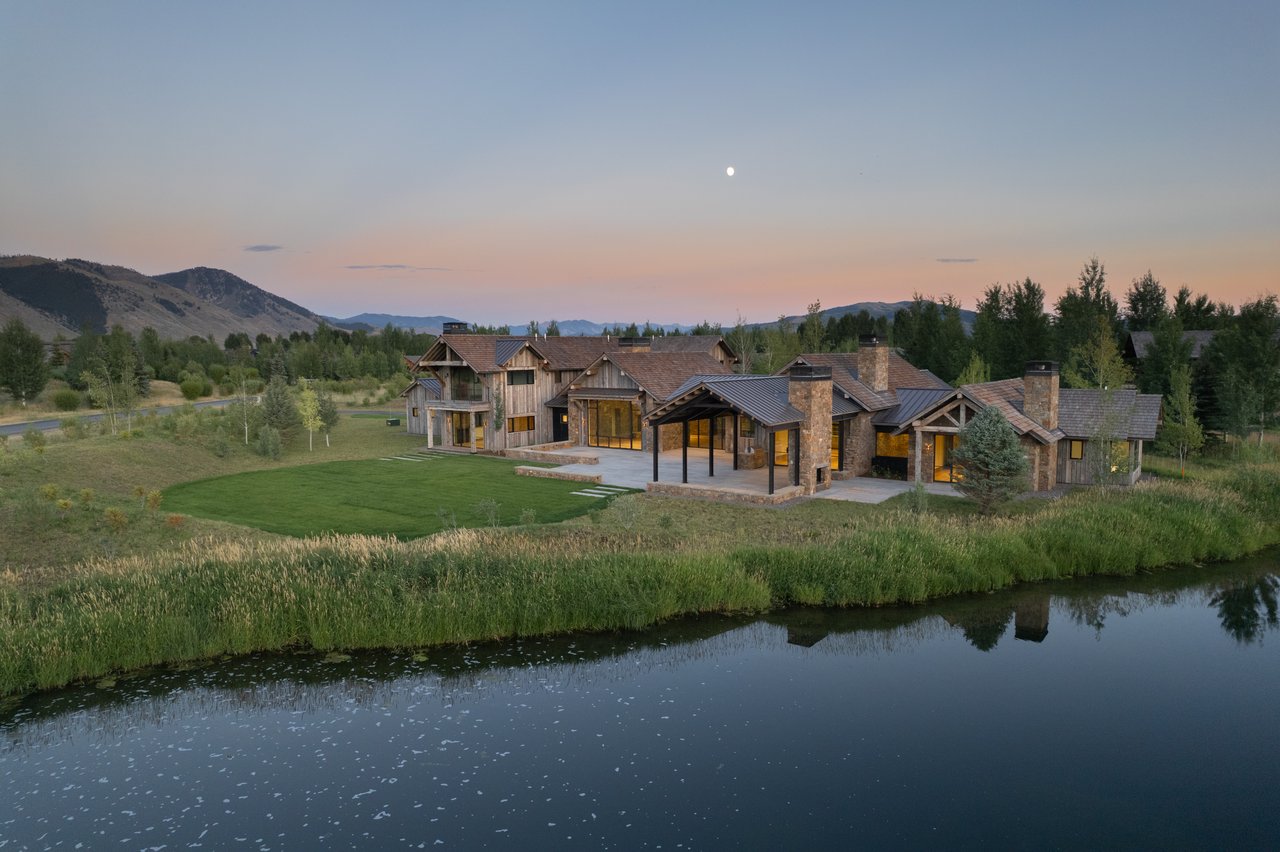
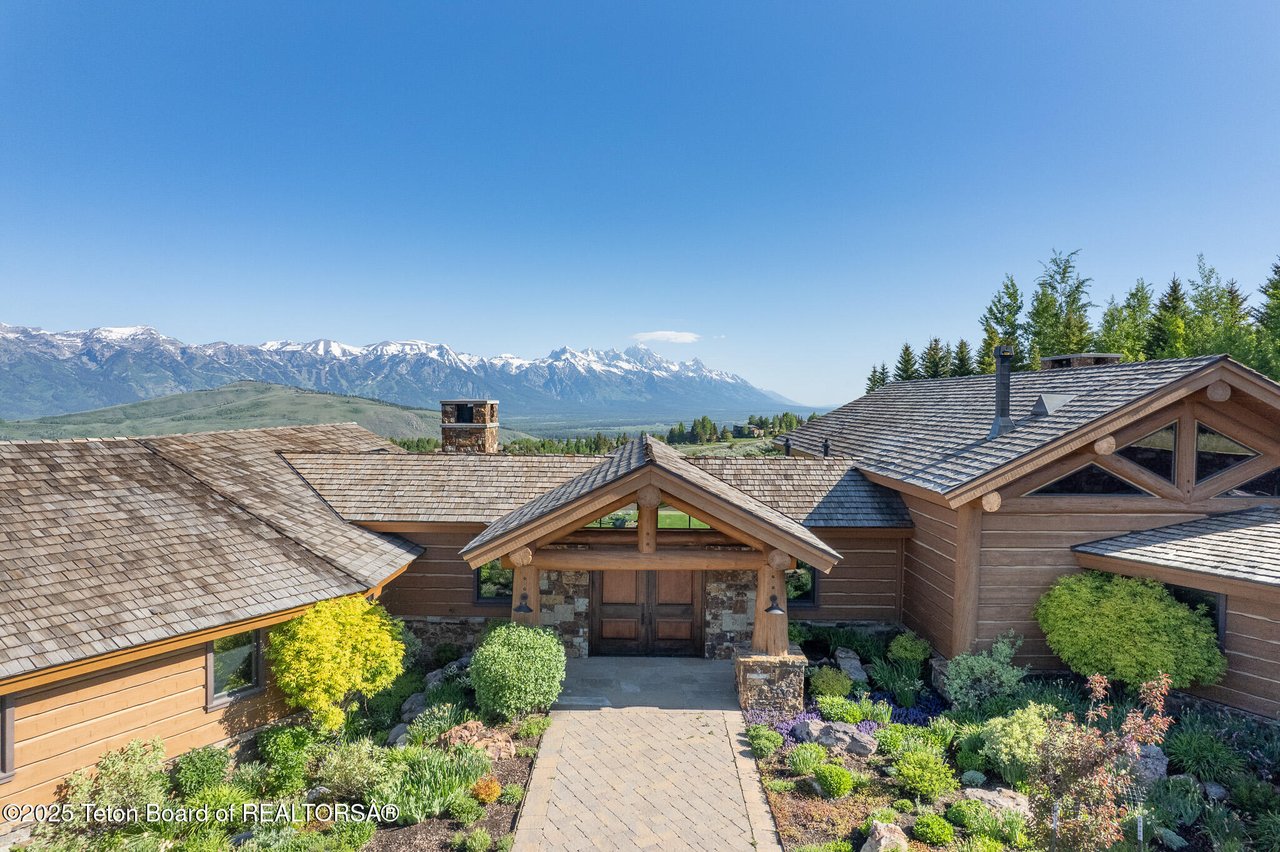
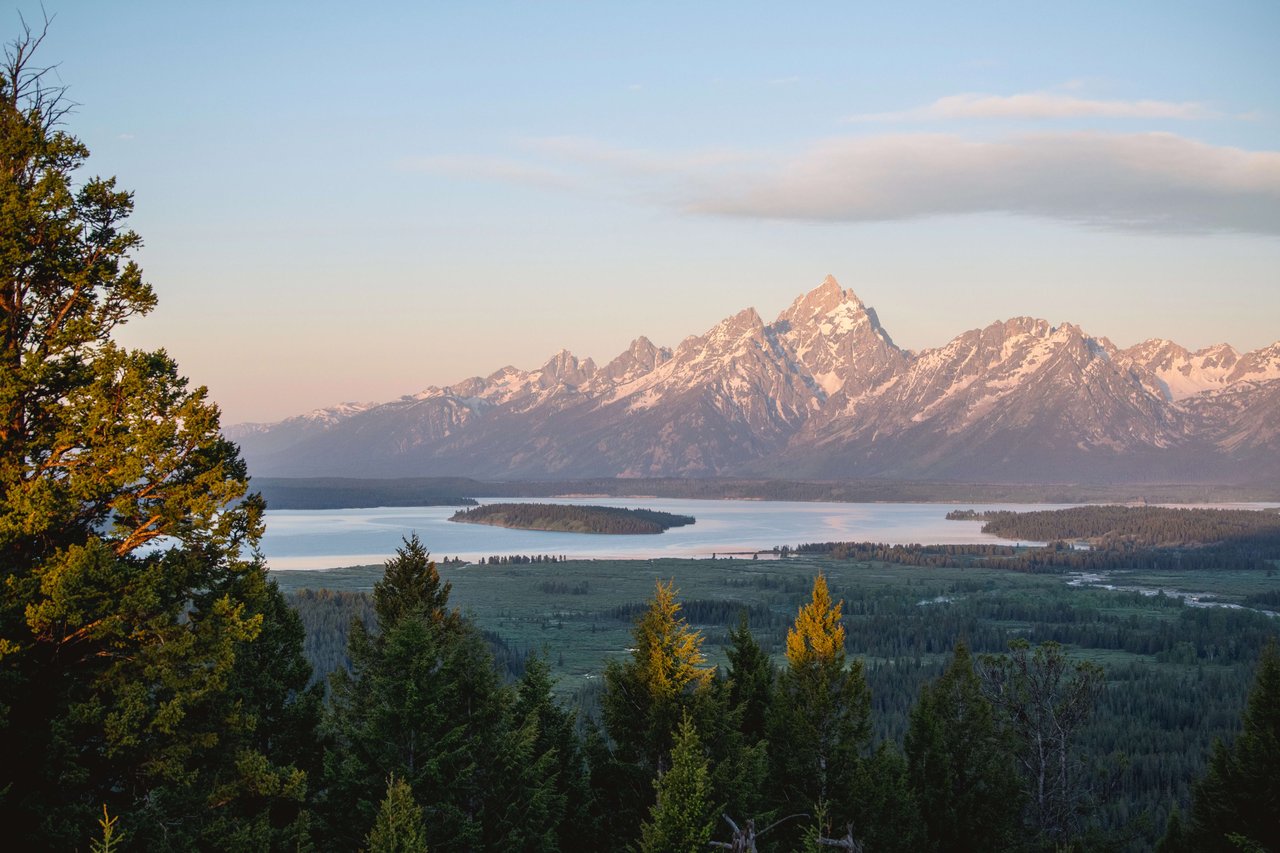
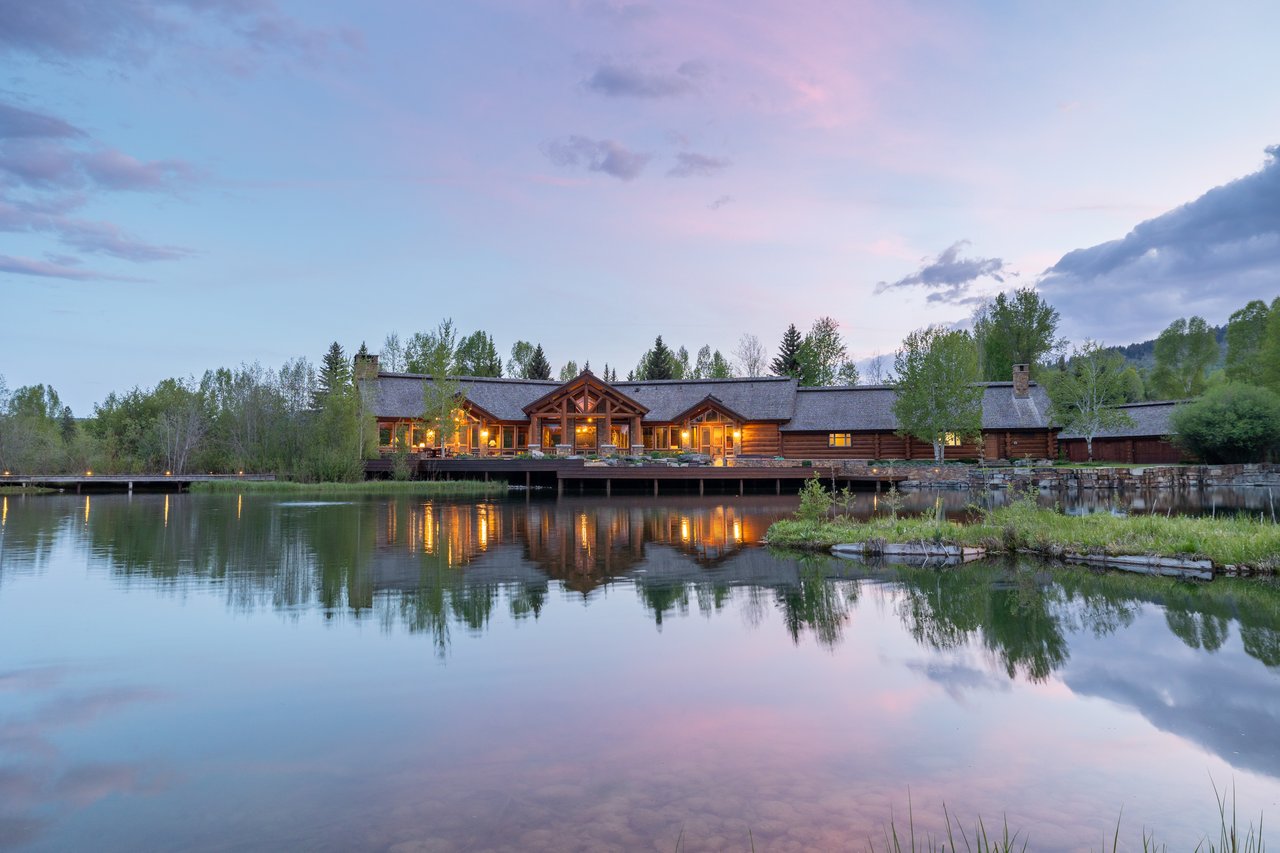
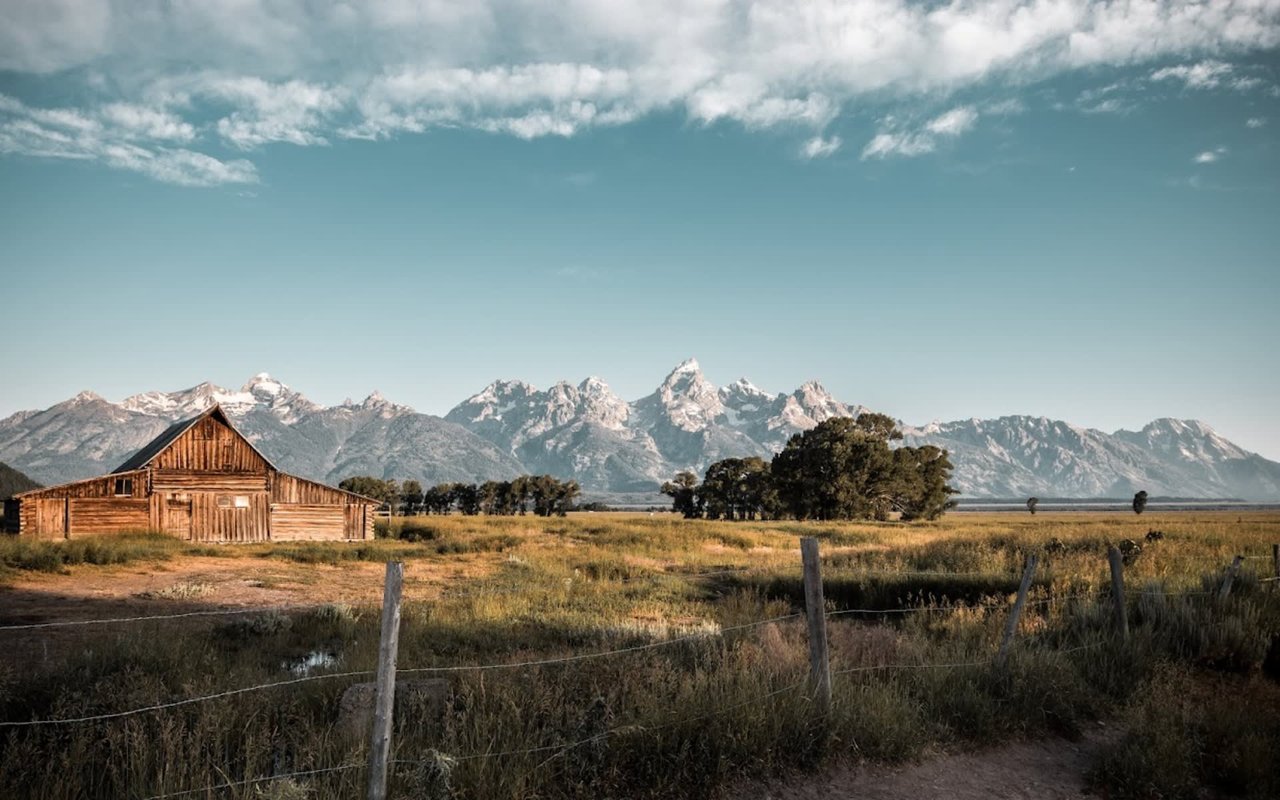
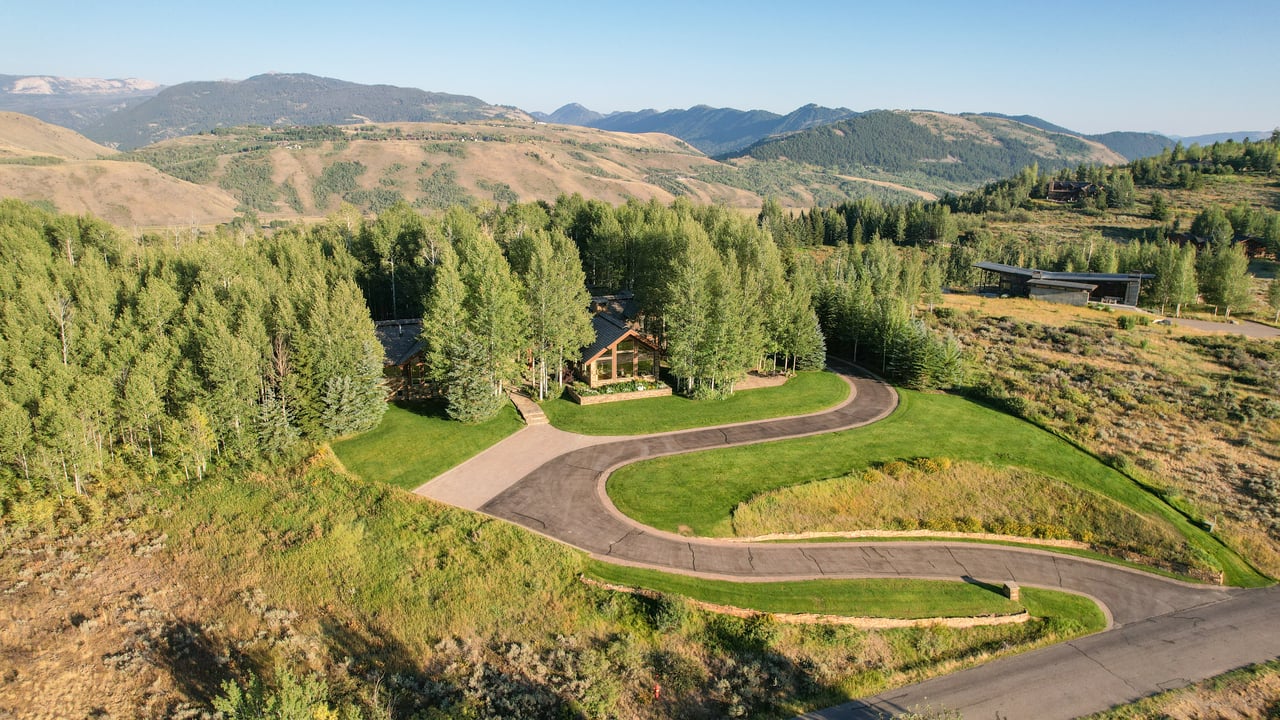
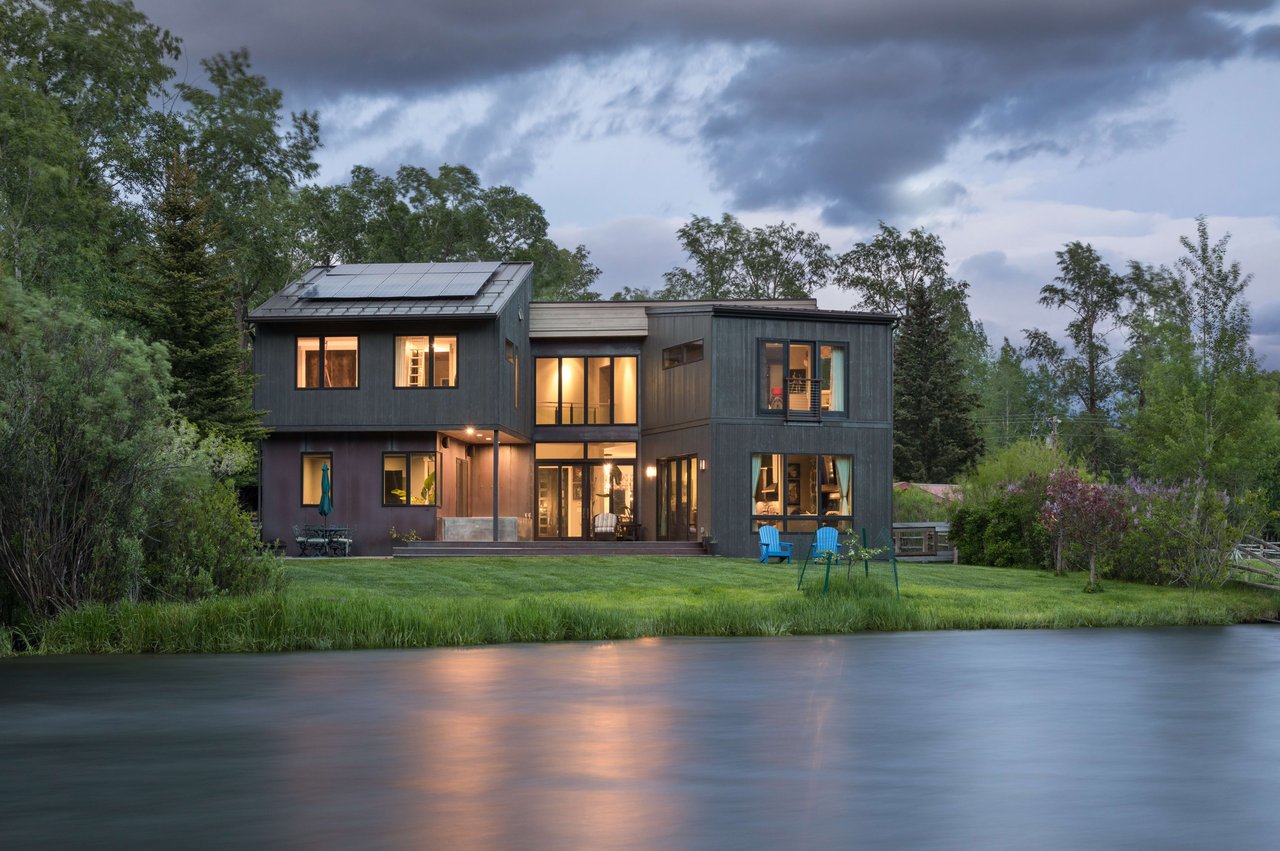
Acreage photography should do more than capture a handsome exterior. It should help a buyer understand the land as a working, recreational, and visual environment. In West Bank South, that often means showing how the parcel sits in relation to views, access, water, fencing, and open landscape.
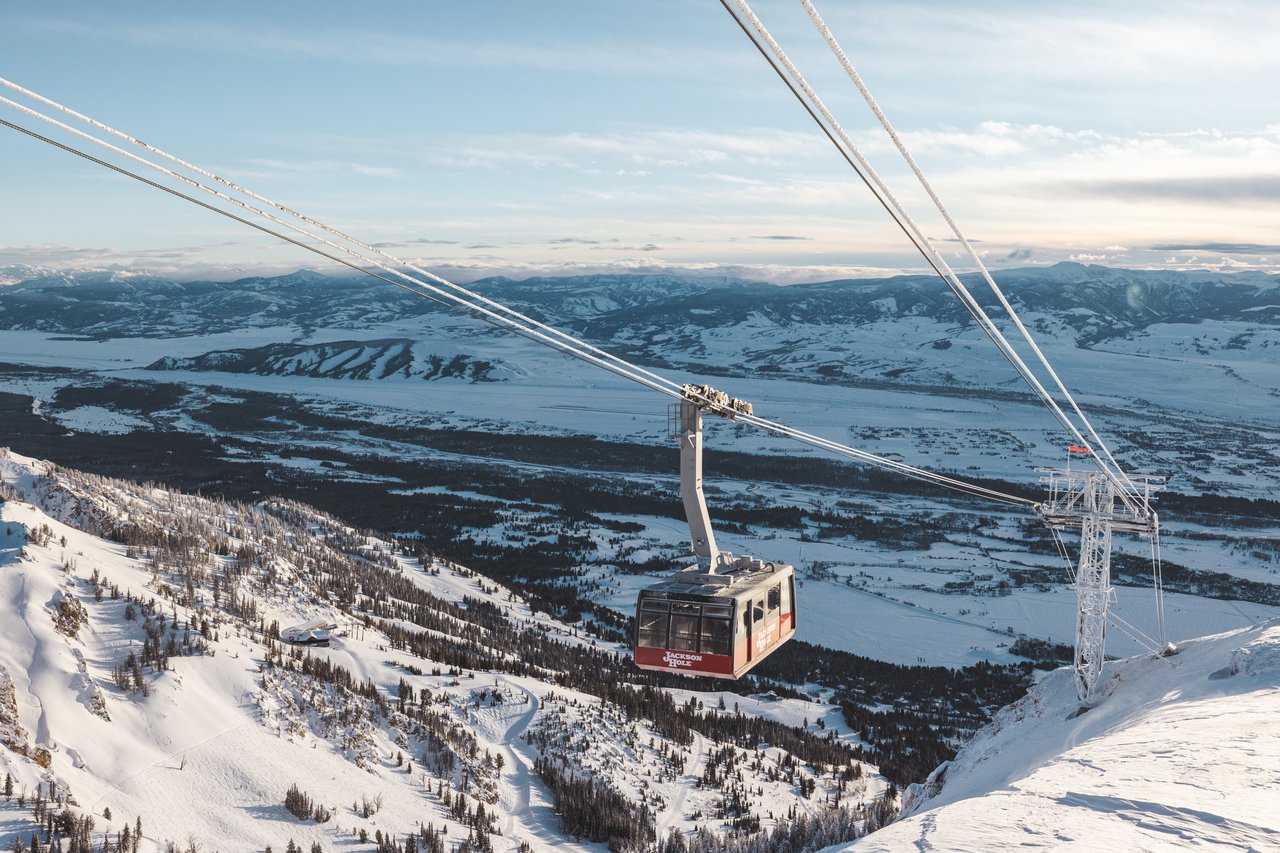
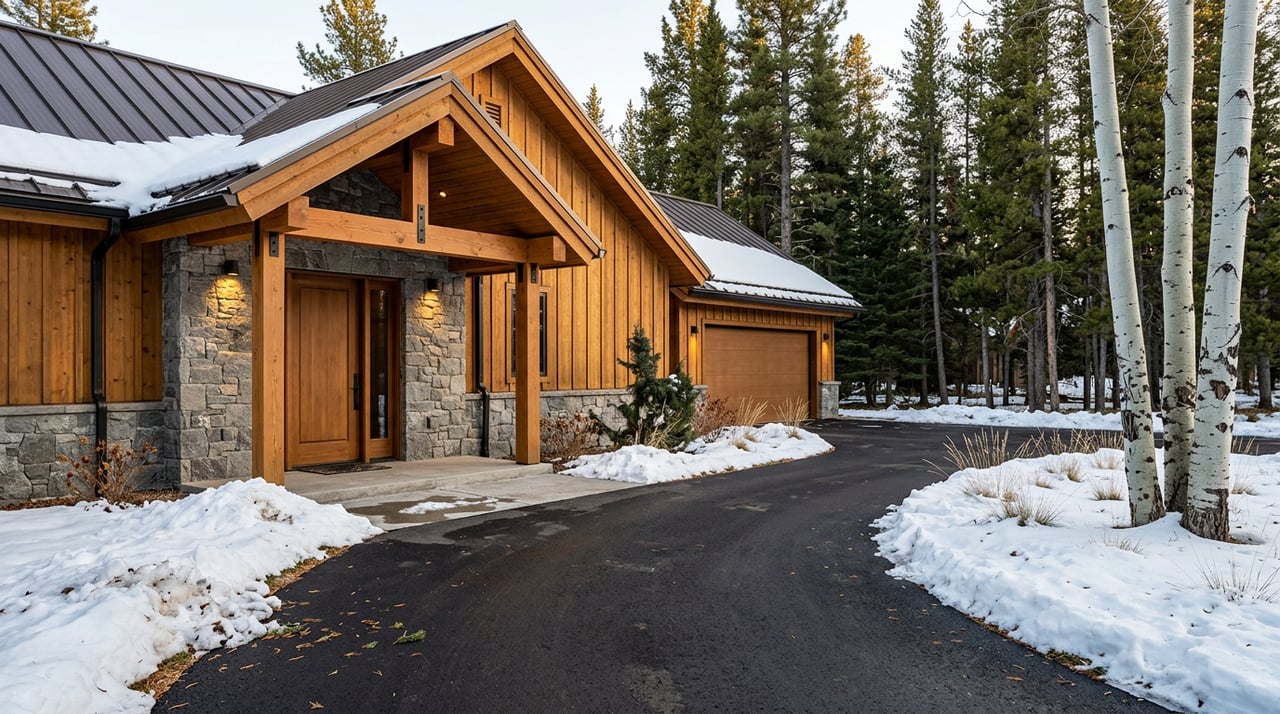
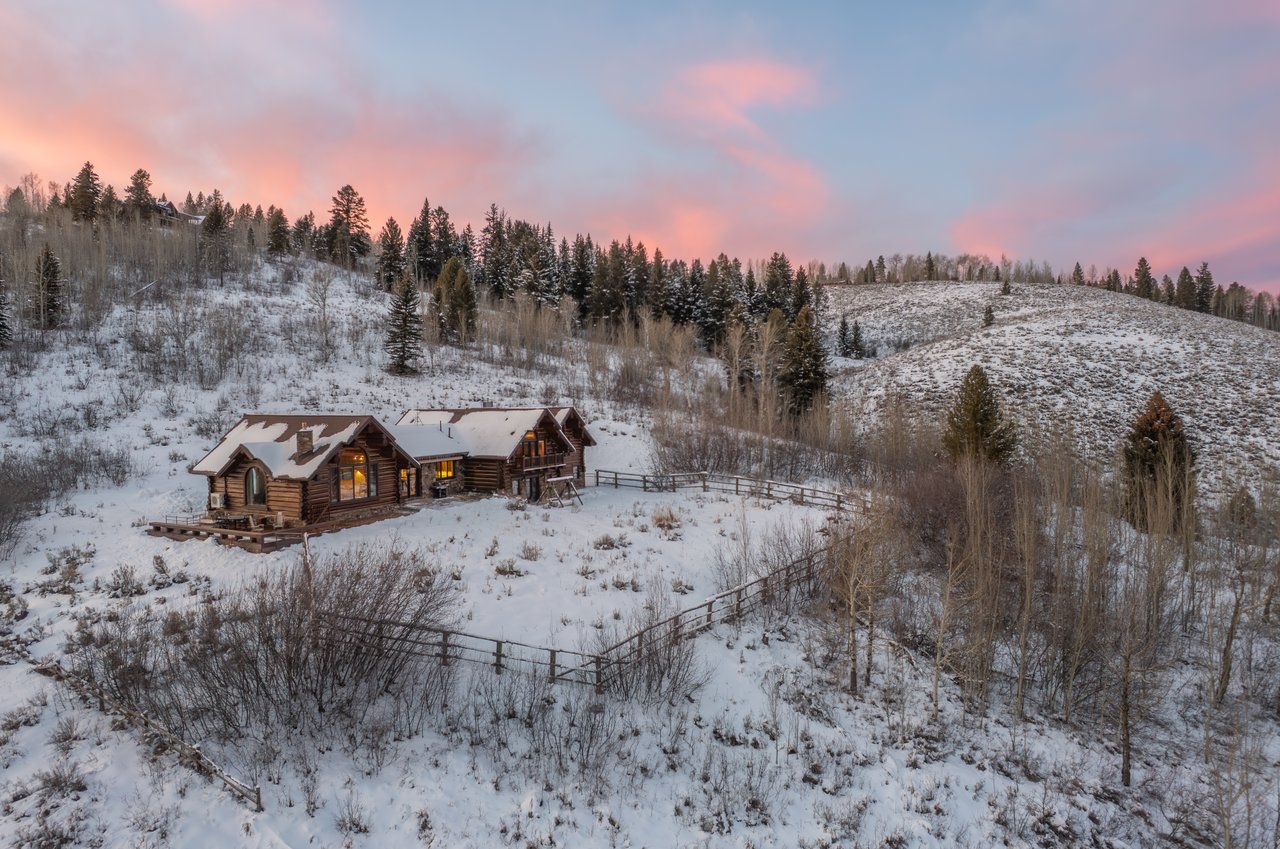
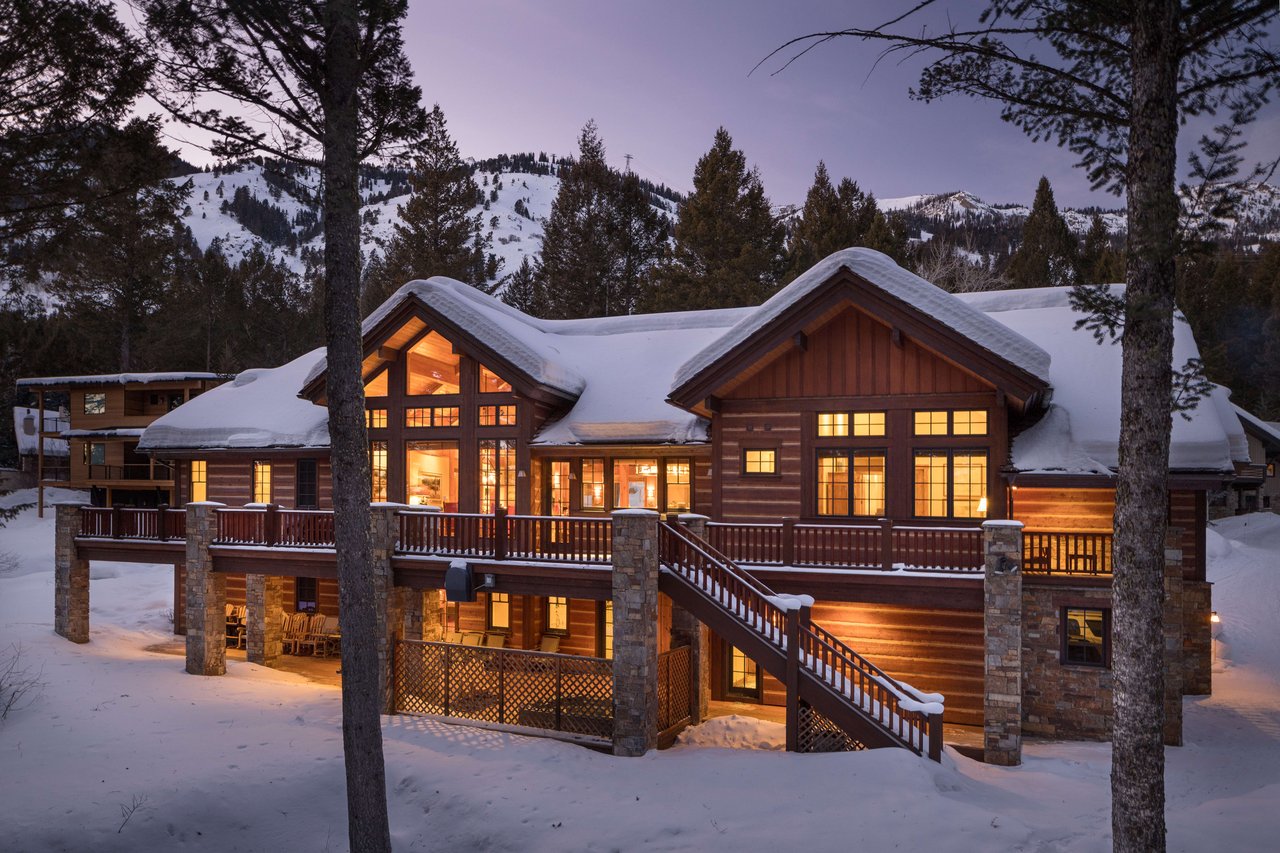
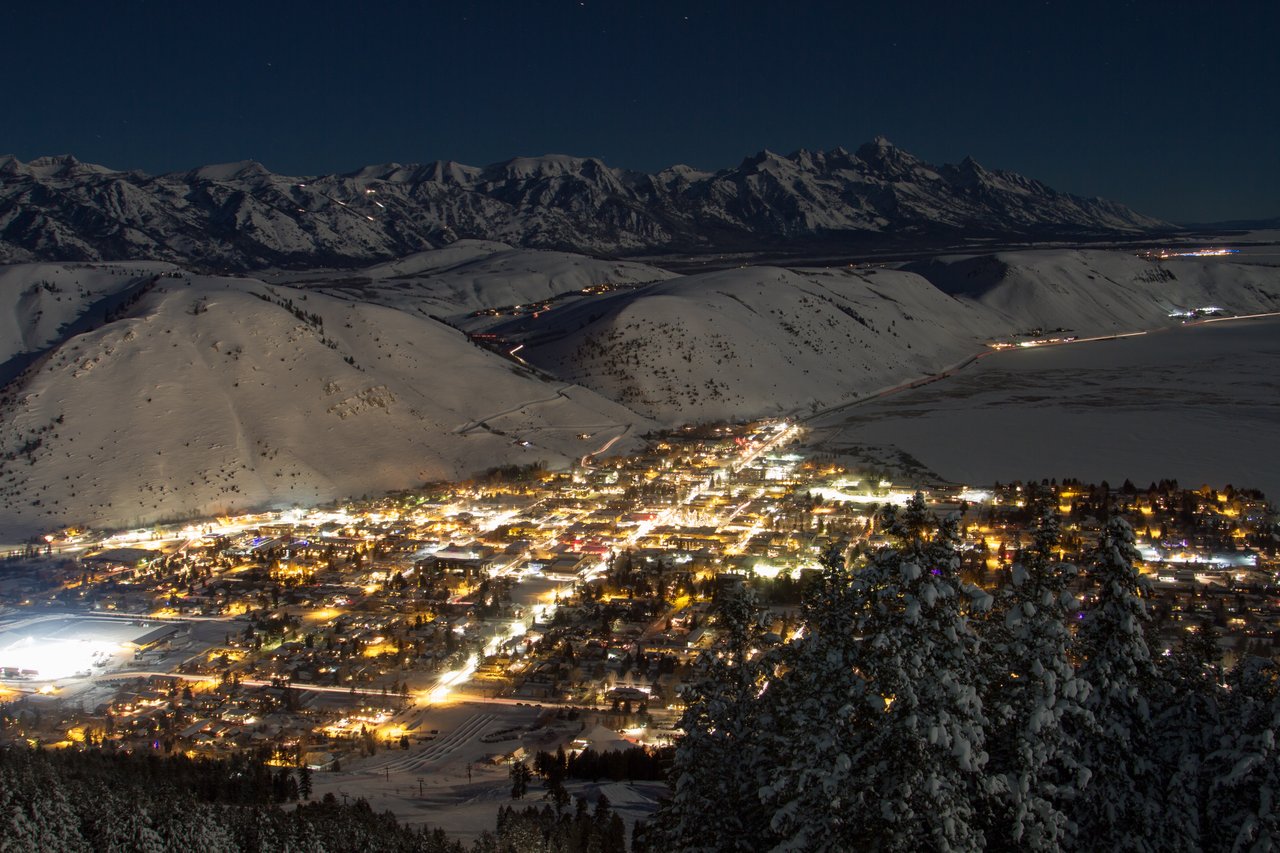
The most effective visual package often includes seasonal context. Winter and summer access, irrigation features if present, fencelines, habitat edges, and built improvements can all help explain how the property is actually used. This is especially relevant given current buyer interest in outdoor features, water, fenced yards, privacy, and flexible living patterns.
Maps also matter. Clean parcel graphics, zoning context, and simple exhibits showing important features can help buyers process complex land more quickly. For significant acreage, good visuals are not just aesthetic. They are part of due diligence.
What Discerning Buyers Want to See
Serious buyers in this segment are often looking for more than beauty. They want land that feels understandable, well-documented, and thoughtfully presented. When the offering package is precise, the property itself often feels more valuable.
In practical terms, buyers usually respond well when they can quickly identify:
- Clear parcel boundaries
- Reliable legal and physical access
- Documented water or irrigation rights, where applicable
- Permit and use history
- Floodplain and WUI context
- Habitat, fencing, and setback information
- A strong visual story that explains privacy, landscape, and use
This kind of presentation aligns with the expectations of buyers who value privacy, stewardship, and a confident path to ownership.
Why Presentation Can Shape Outcome
On a complex acreage sale, the marketing process is also a positioning process. If your property is introduced with incomplete records or vague explanations, buyers may create their own risk discount. If it is introduced with clarity, care, and supporting materials, you put the conversation on stronger ground.
That is why premium acreage marketing should combine narrative, visual storytelling, and technical preparation. In a market like Jackson Hole, where land, legacy, and regulation often intersect, those pieces work best together. The goal is not simply to attract attention. It is to attract the right buyer with the right level of confidence.
If you are considering the sale of West Bank South acreage, a discreet and well-prepared strategy can make a meaningful difference. For a confidential conversation about positioning your property, reach out to Tom Evans Real Estate.
FAQs
What should sellers prepare before listing acreage in South Park?
- Sellers should consider gathering a current survey or plat, GIS parcel and zoning maps, recorded easements and covenants, access records, water or irrigation documents if applicable, floodplain and WUI status, permit history, and a summary of relevant compliance items.
Why does access matter when selling West Bank South acreage?
- Access matters because buyers want to confirm how the property is legally and physically reached, and Teton County requires an access permit when a driveway connects to a county road.
How should water rights be presented for acreage in Teton County?
- Water rights should be verified and documented clearly because Wyoming treats them as property rights, and visible irrigation or a ditch does not by itself confirm a continuing legal right to use water.
How do wildlife rules affect acreage marketing in Teton County?
- Wildlife rules affect presentation because fencing, habitat protections, and related land-use standards can shape how a parcel is used, and clear documentation helps buyers understand those conditions.
What wildfire information should sellers share for Teton County acreage?
- Sellers should explain that private parcels in Teton County are within the mapped Wildland Urban Interface and that new construction is subject to Fire Department review, including site-plan and defensible-space review.
What kind of visuals help sell South Park acreage?
- The strongest visuals usually show the property as a landscape, including seasonal access, water or irrigation features if present, fencelines, view corridors, habitat edges, and built improvements that help explain use.