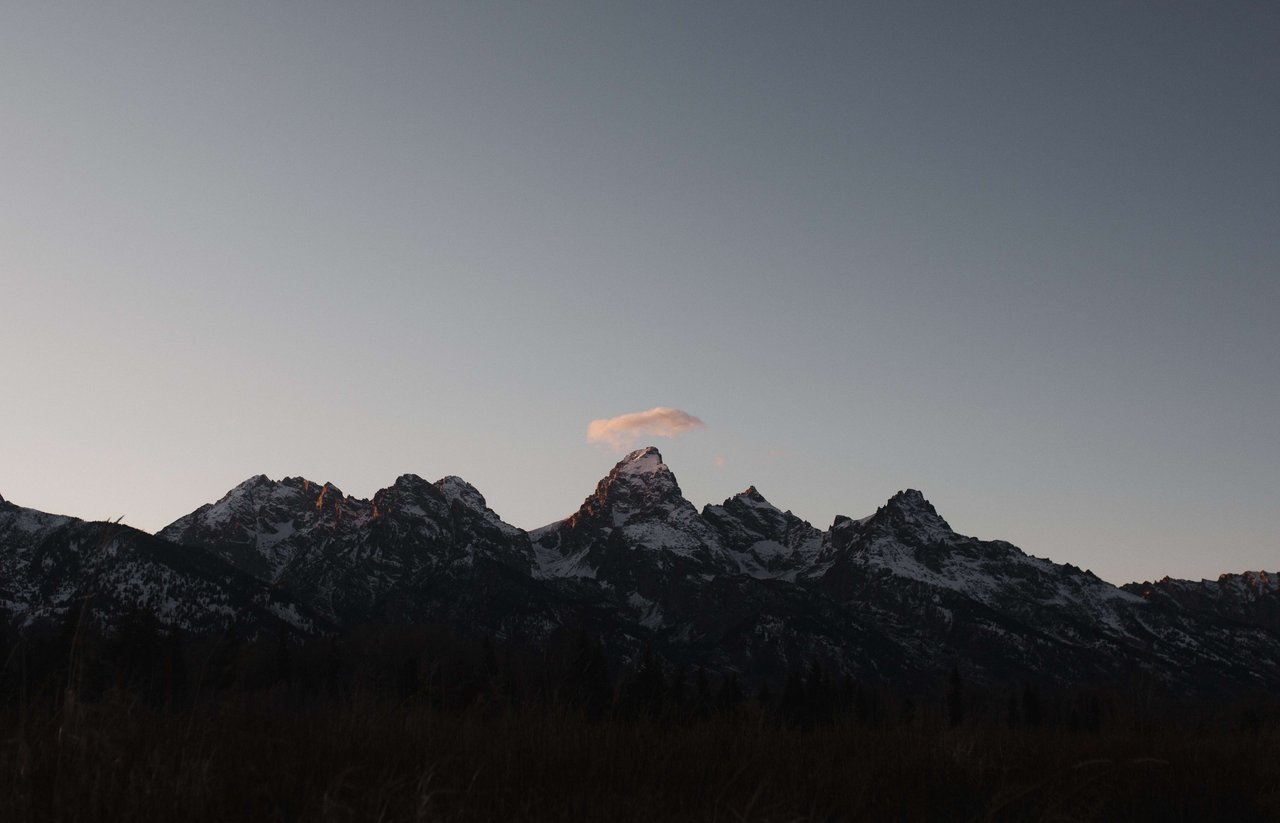
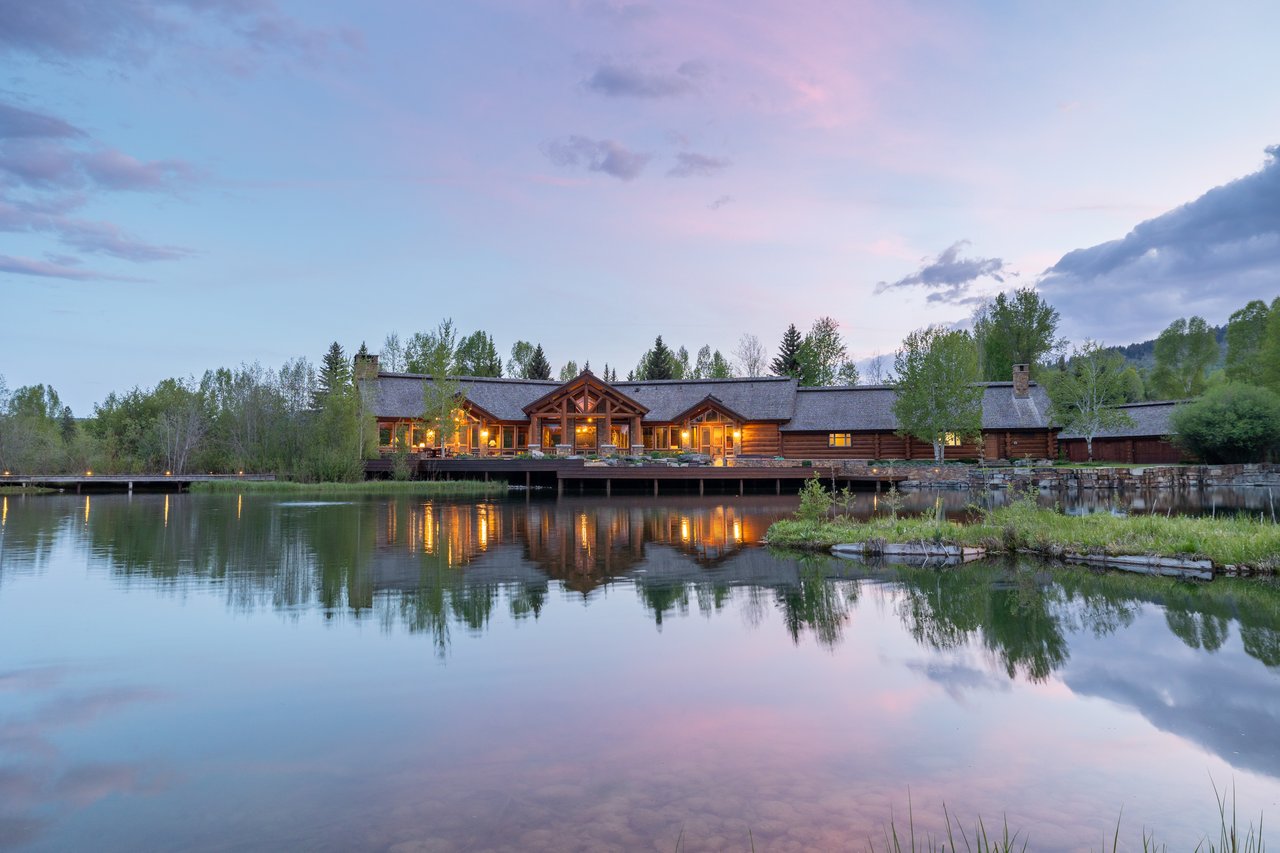
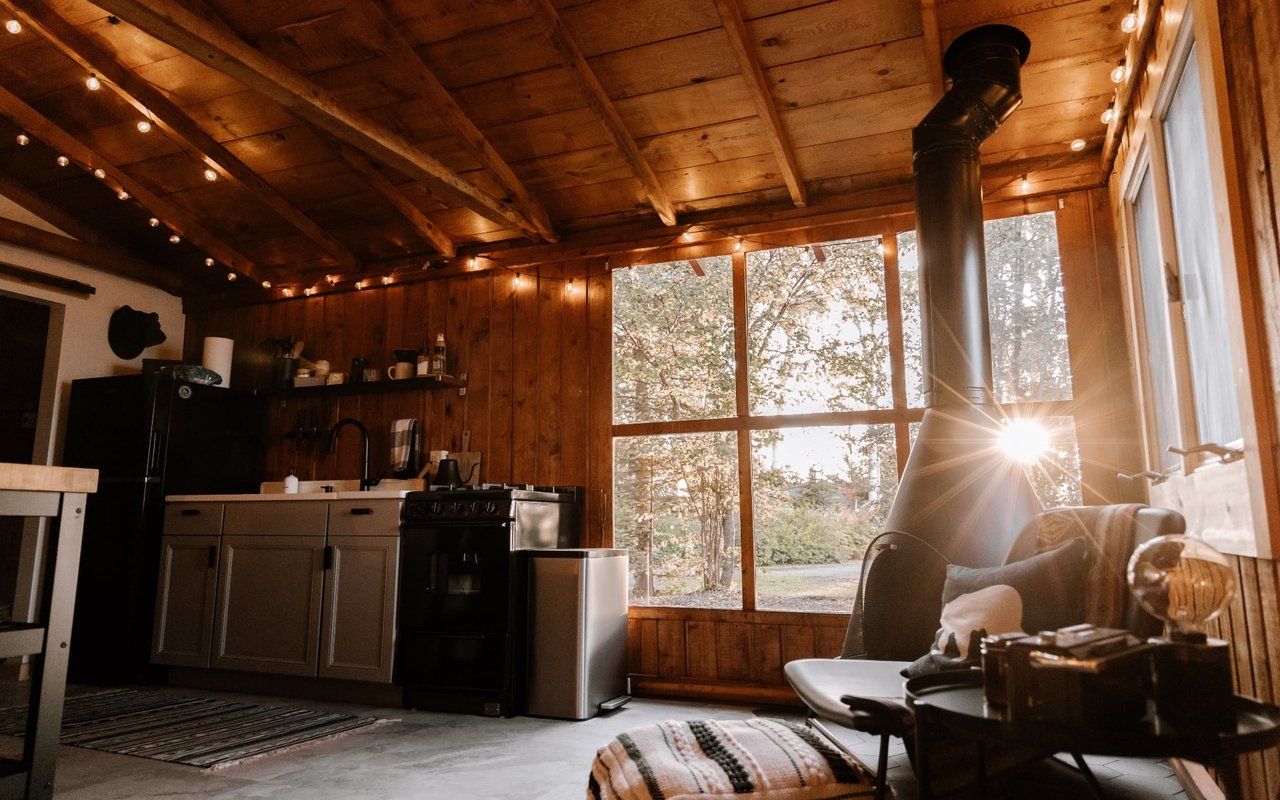
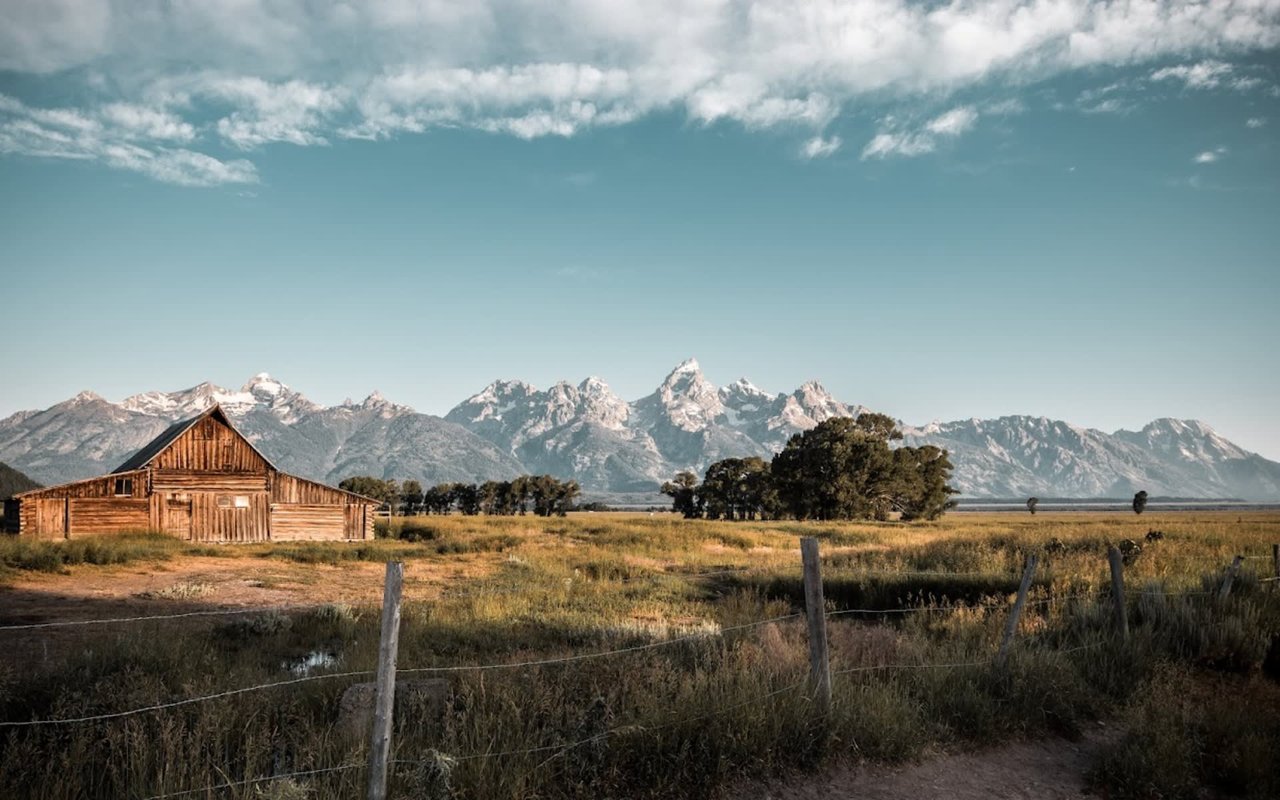
If you are looking for a place where horses, open space, and everyday access to the wider Jackson Hole landscape can all work together, West Bank South deserves a closer look. This part of the valley appeals to buyers who want room to breathe, a strong connection to the land, and practical access to trails and services without giving up privacy. For equestrian buyers in particular, the draw is not just scenic. It is the way ranch character, recreation, and stewardship come together here. Let’s dive in.
Why West Bank South Stands Out
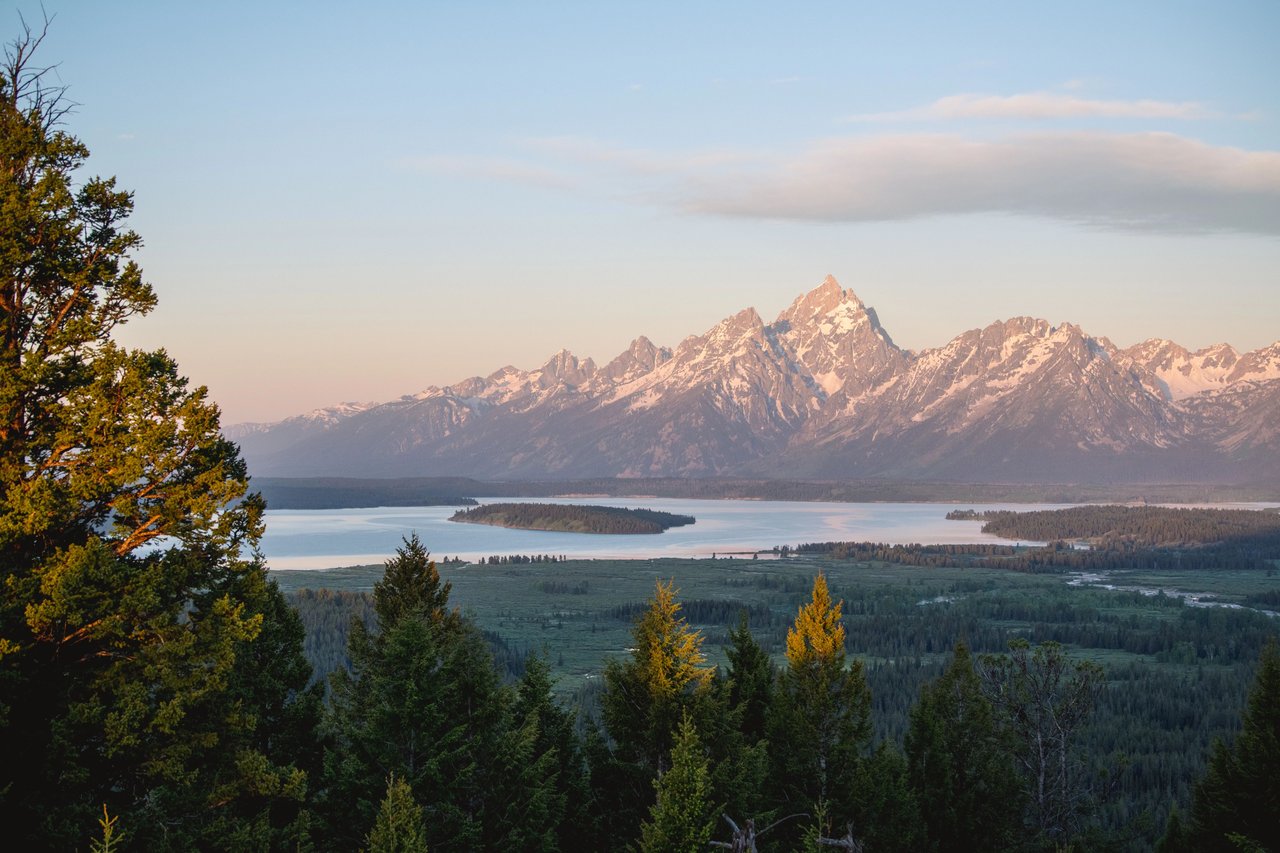
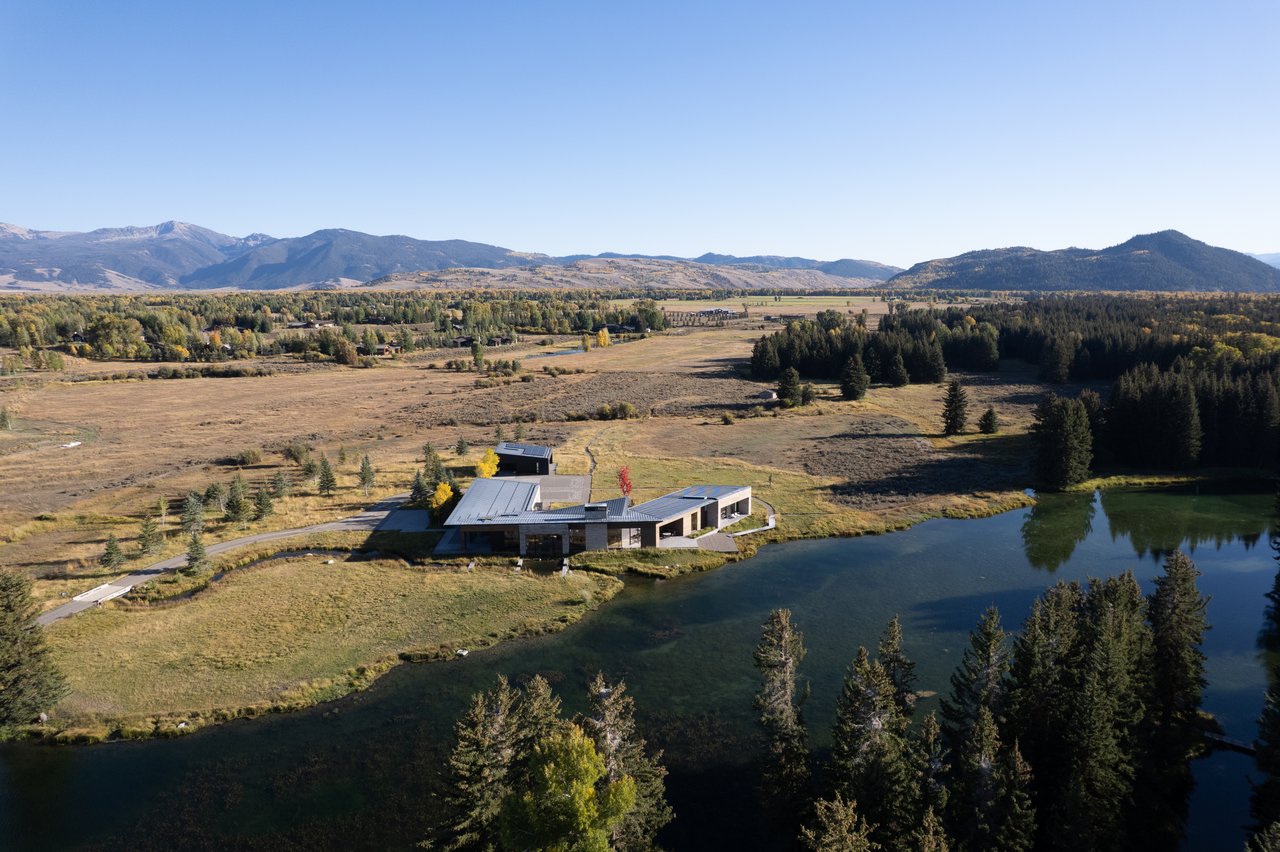
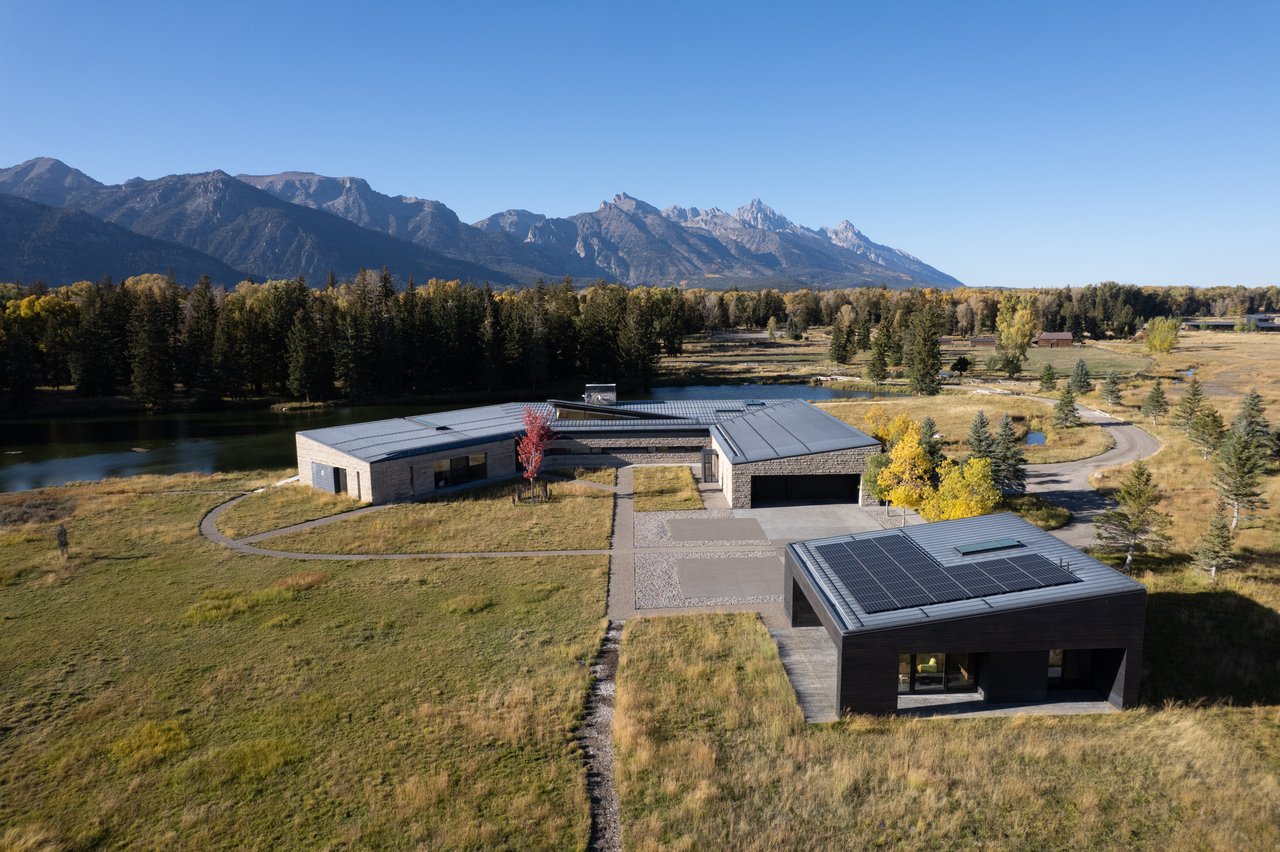
West Bank South is generally understood as the stretch south of Wilson along Fall Creek Road, extending toward the Bridger-Teton boundary on the west bank of the Snake River. Local market guides frame it as a tucked-away part of the valley that still connects back to Wilson and the broader Jackson area through local roads, pathways, and recreation links. That balance matters if you want a property that feels rural without feeling cut off.
Teton County planning language supports that sense of place. The county describes Wilson as a small complete neighborhood with local services, surrounded by permanently conserved agricultural open space, while South Park is described as Jackson’s agricultural southern gateway. In practical terms, that means the area’s identity is rooted in land, views, and working open space, not just residential development.
Equestrian Appeal Feels Built In
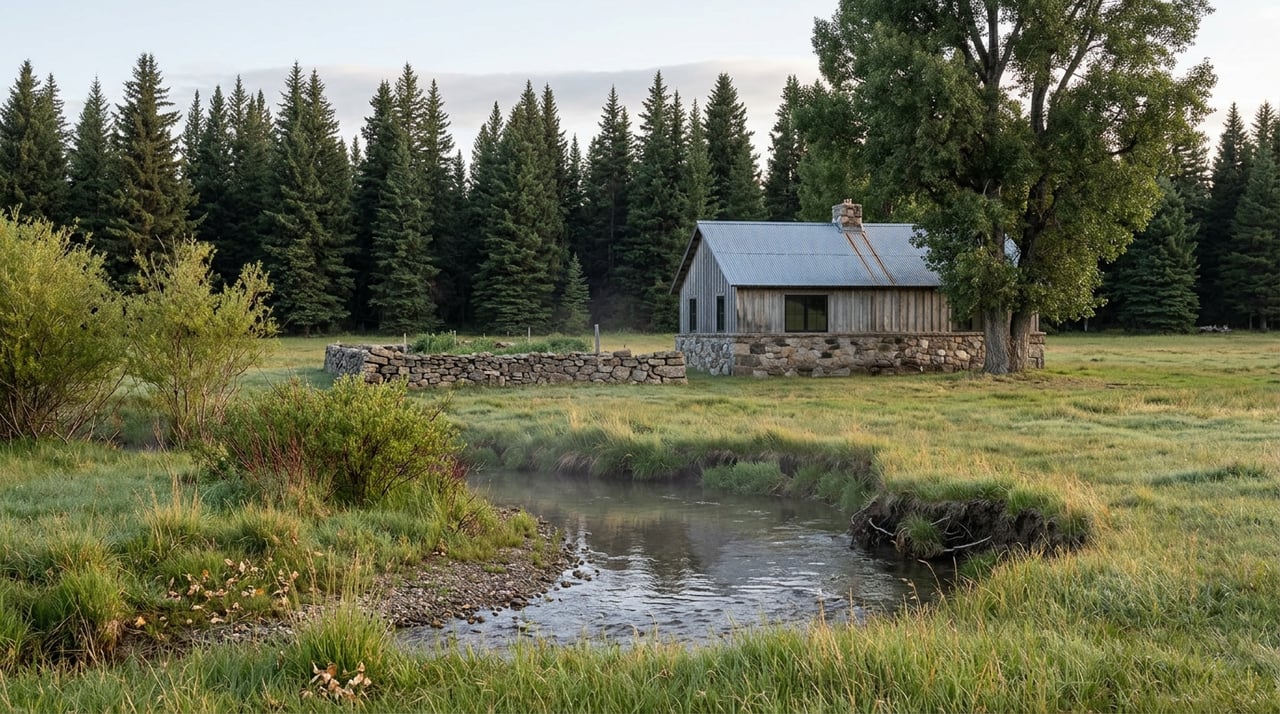
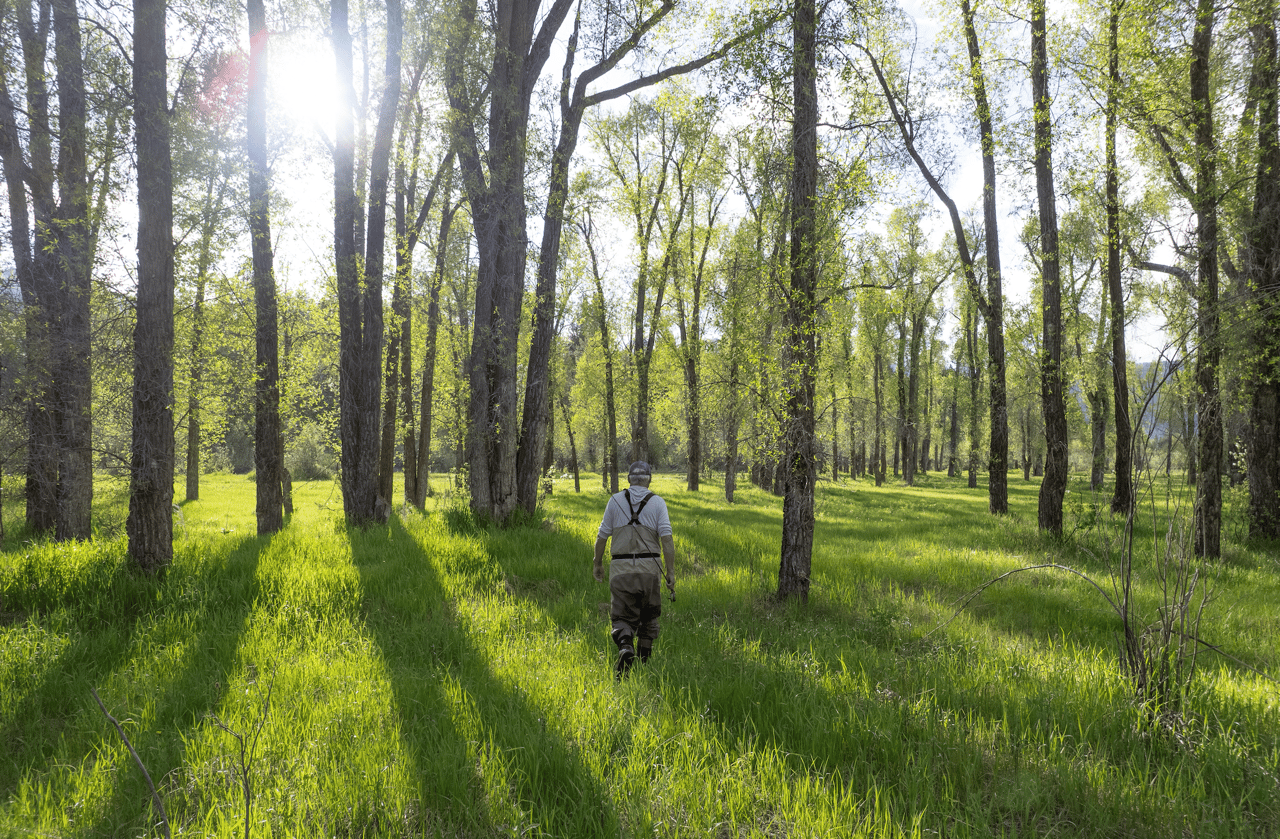
For horse-focused buyers, West Bank South is compelling because the equestrian story is part of the area’s real land pattern. You are not just buying a house near a few trails. You are stepping into a corridor where ranch use, grazing, and horse-friendly recreation have long shaped the landscape.
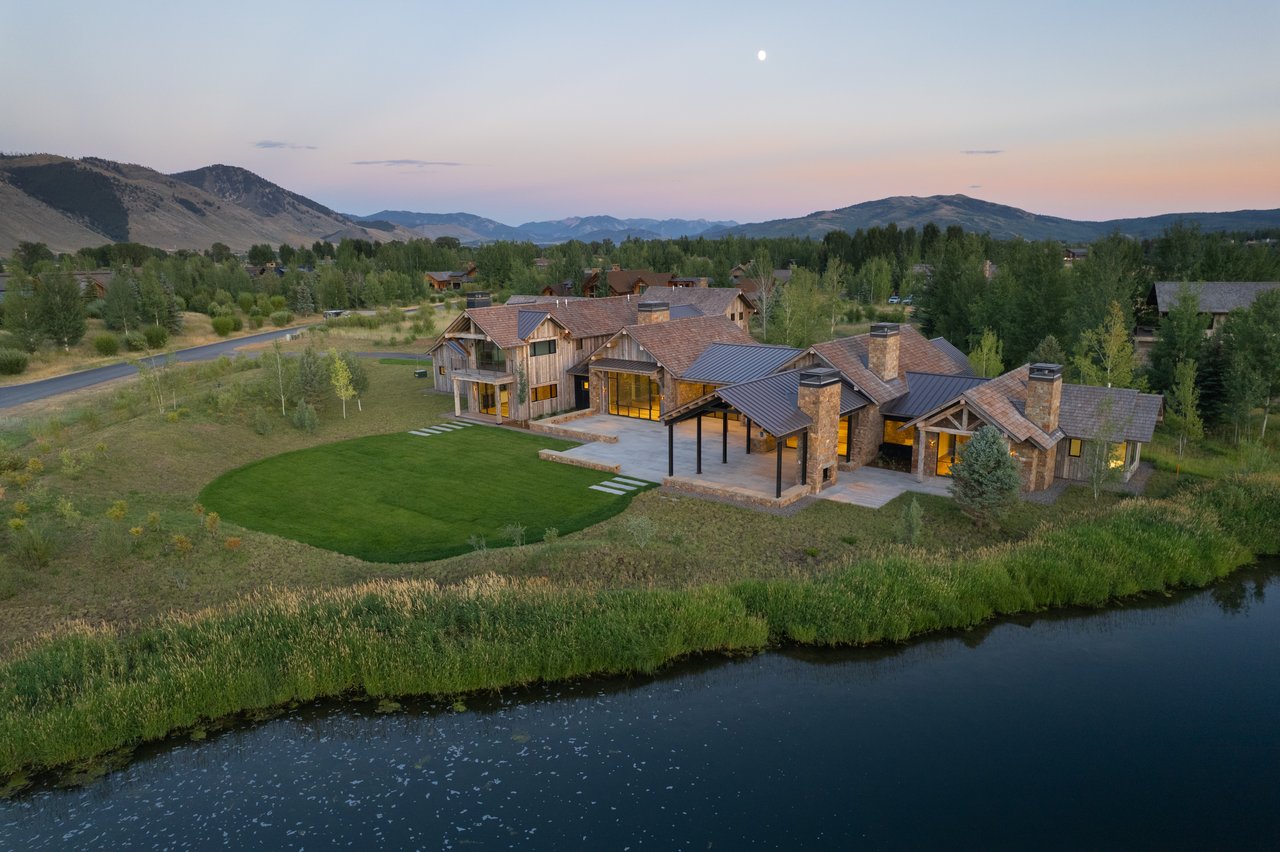
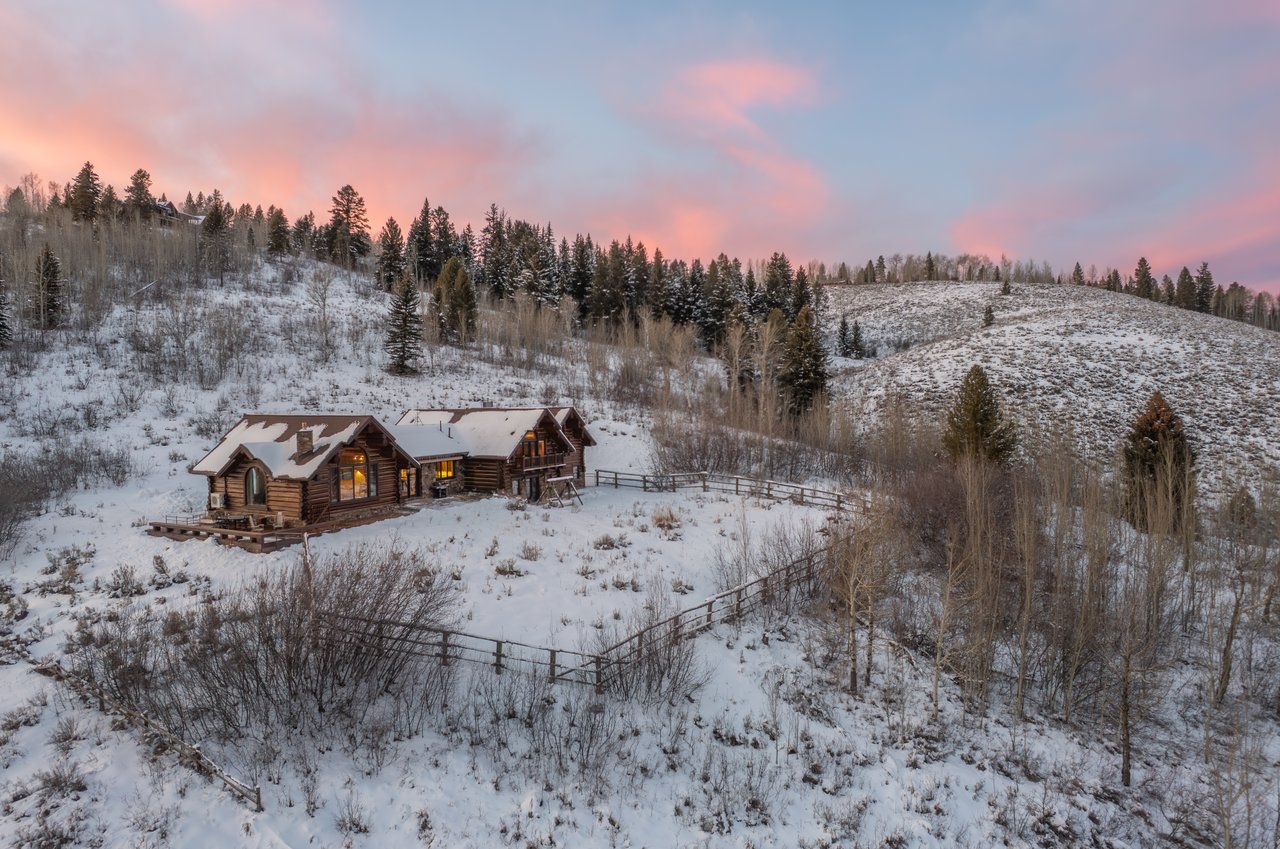
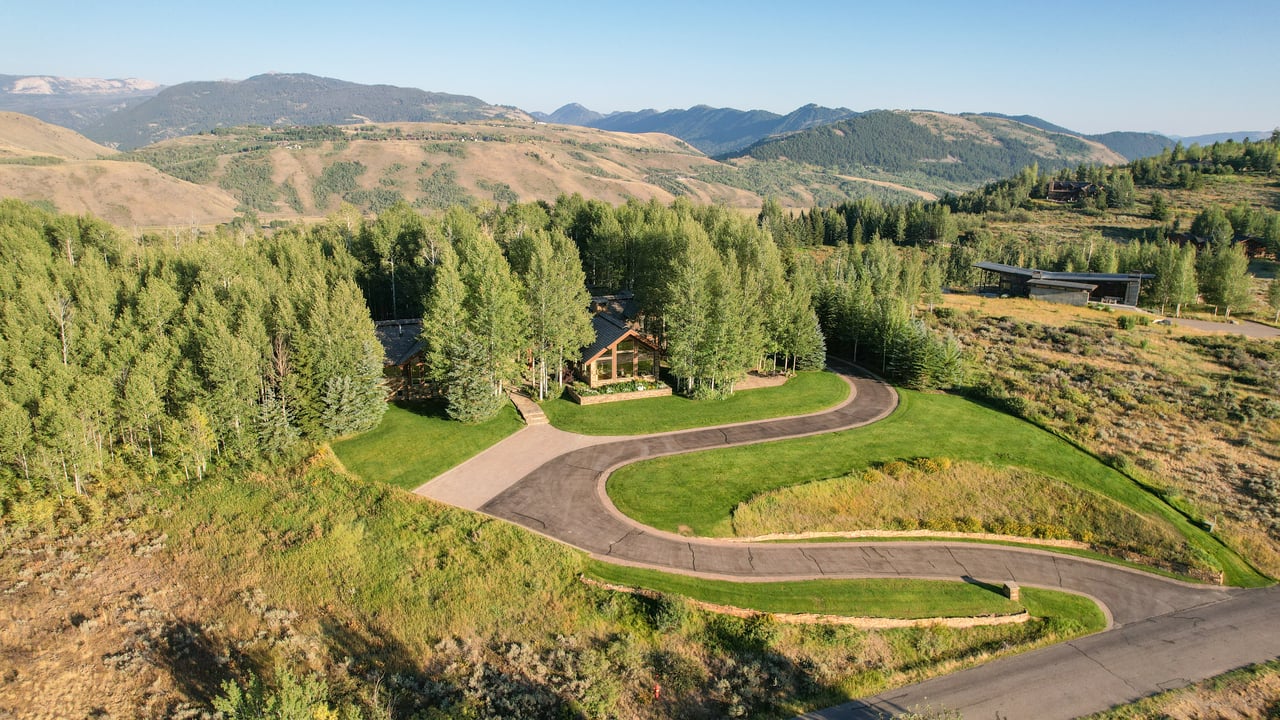
A strong example is Crescent H Ranch, where the HOA notes homesites ranging from half-acre lots to 50-acre parcels. The community sits at the edge of Bridger-Teton National Forest and includes a groomed trail system for hiking, cross-country skiing, and horseback riding, plus a dedicated trail to public lands. It also highlights its 1920s dude-ranch history, which speaks to the area’s longstanding ranch identity.
That kind of setting stands out to buyers who want more than acreage on paper. You may be looking for land that supports horses in a practical, day-to-day way, with room for riding, access to public lands, and a setting where equestrian use feels natural rather than squeezed in.
Property Types Buyers Notice
The inventory in and around West Bank South tends to attract buyers looking for one of a few property profiles:
- Trail-oriented ranch estates
- Larger-acreage parcels
- Conservation-linked holdings
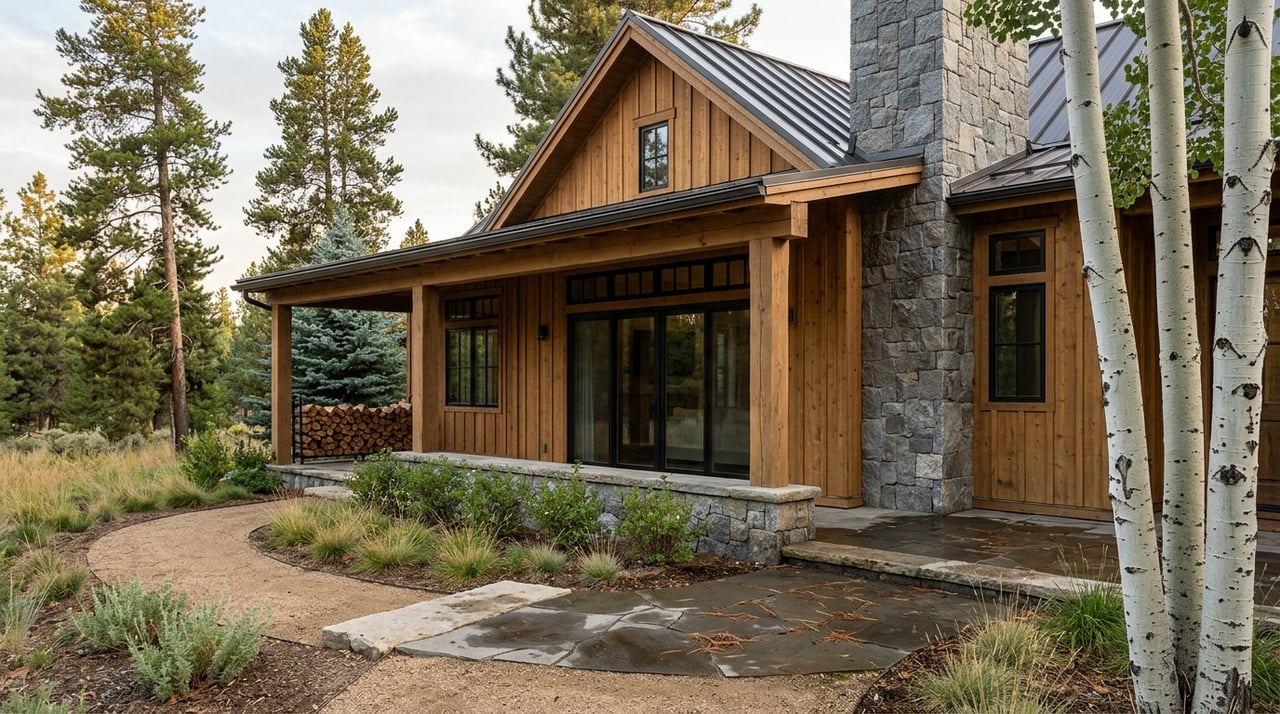
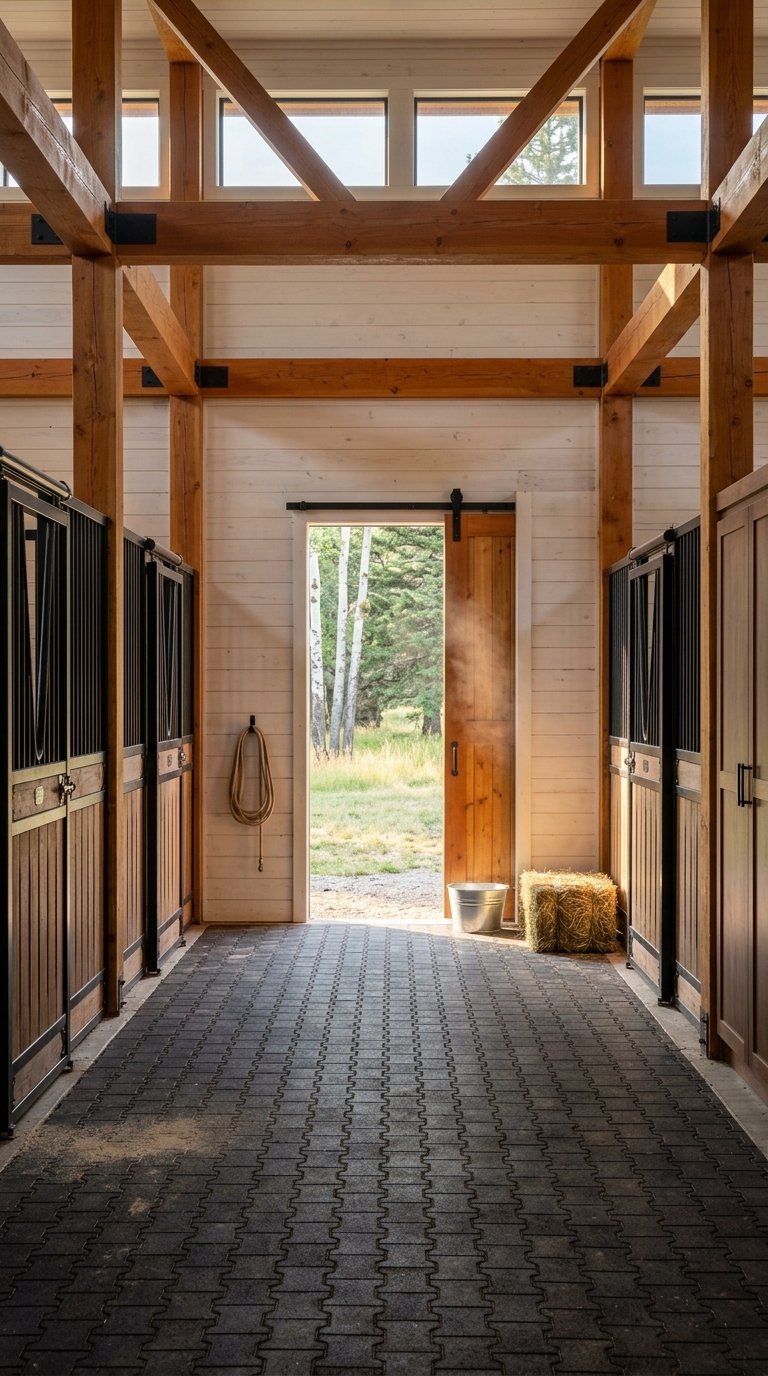
- Homes with room for barns, paddocks, or pasture infrastructure
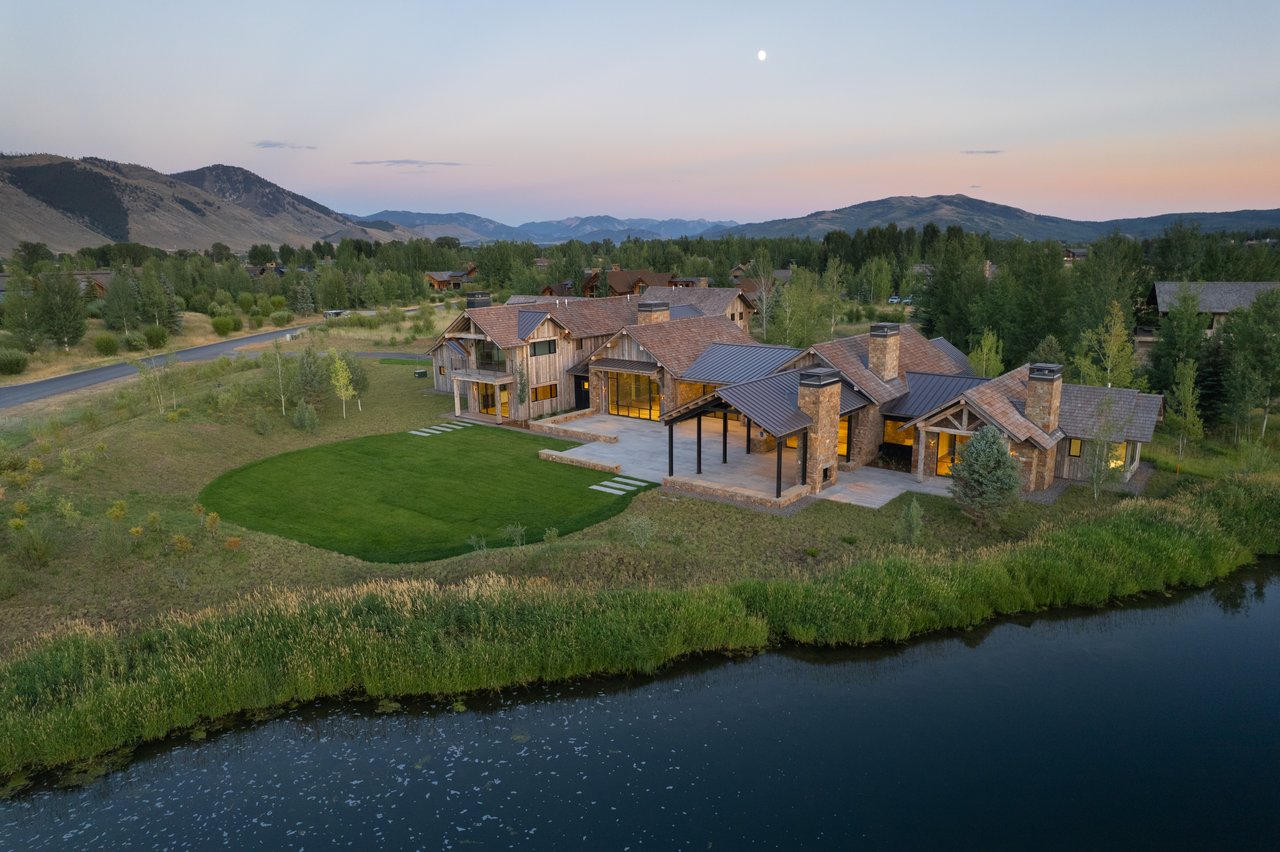
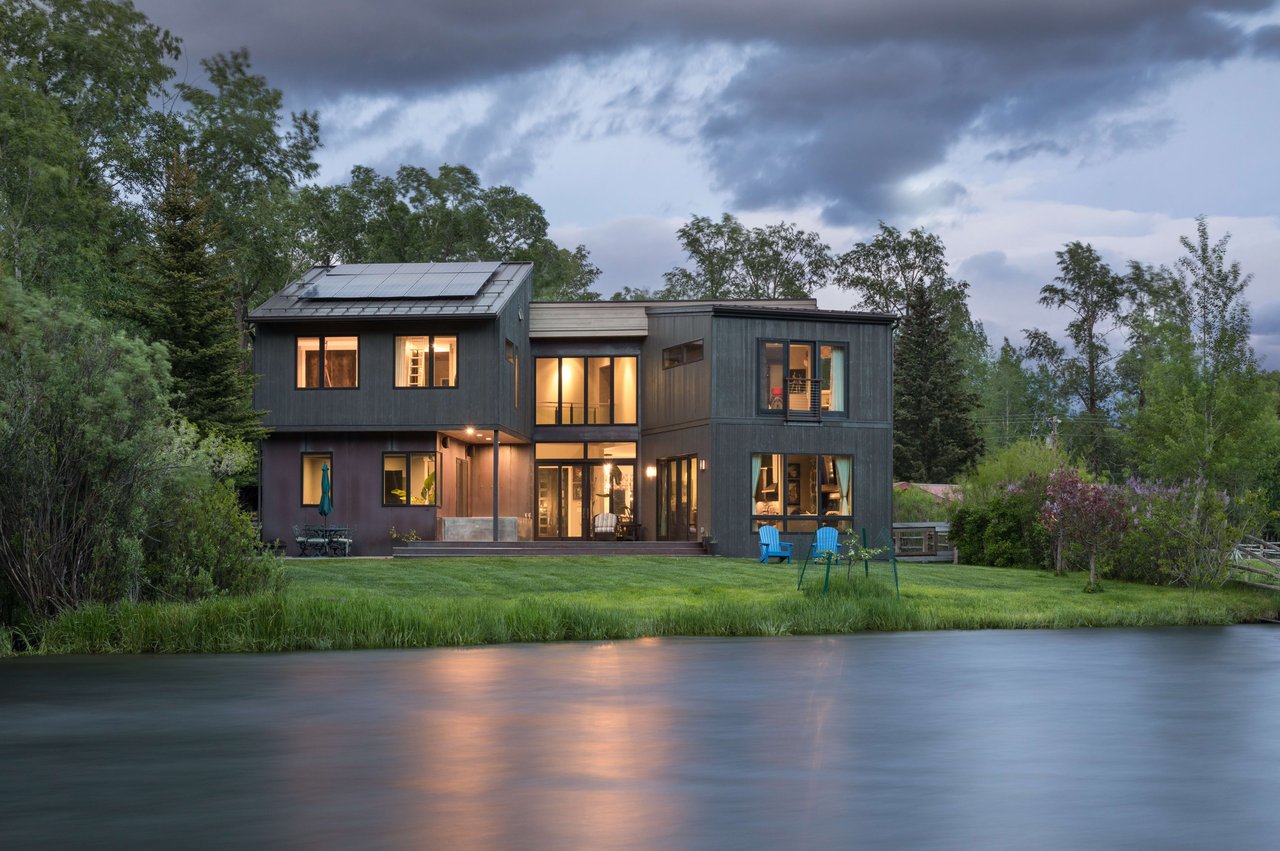
In communities such as Crescent H Ranch, parcel size alone can create flexibility for a more horse-oriented lifestyle. Depending on the property, buyers may find a mix of privacy, usable land, and direct or nearby access to established trail systems.
Trail Access Matters Here
One of the biggest reasons equestrian buyers gravitate toward West Bank South is access beyond the property line. The area offers a meaningful connection to public lands and established trail systems, which can be just as important as the acreage itself.
The Munger Mountain trail system is a key part of that appeal. According to the U.S. Forest Service, it offers about 17 miles of looped single-track and explicitly allows horseback riding. Friends of Pathways also describes Munger Mountain as a more remote setting than some other valley trail networks, which helps explain why buyers who want a quieter, backcountry-leaning feel often pay attention to this area.
There is also a practical side to access. The Forest Service notes that the Munger Mountain motorized trailhead is large enough for trailer turnaround and lists horse riding and camping among the recreation opportunities. For buyers who trailer out regularly, that kind of detail can matter as much as the trail map itself.
The Broader Recreation Web
West Bank South also benefits from being part of a larger recreation network. Friends of Pathways places Munger Mountain within Jackson Hole’s wider trail system, and Teton County’s pathway information includes a West Bank Pathway Route. That means the area can feel private and rural while still staying connected to the valley’s broader outdoor infrastructure.
The Mosquito Creek Area adds another layer. The Forest Service says it has more than 12 miles of designated forest roads, sits just over four miles south of Wilson, and is accessed by Fall Creek Road. It is best understood as part of the area’s broader public-land access network rather than a quiet trail-only setting, but it still reinforces how much recreation is woven into this corridor.
Ranch Character Is More Than Aesthetic
For many buyers, West Bank South feels authentic because the surrounding land still reflects active ranch and grazing use. That matters if you are trying to understand whether the area’s equestrian appeal is real or simply a branding exercise.
Jackson Hole Land Trust reports that the Munger Mountain parcel supports active grazing leases. In the nearby corridor between Wilson and South Park, the Snake River Management Plan also references pasture, corrals, and a grazing lease tied to an adjacent ranch on a BLM parcel. Together, those facts show that horse-friendly and ranch-oriented land use remains part of the area’s working landscape.
That can influence how a property lives over time. Open space nearby is not only visually appealing. It also helps reinforce the area’s sense of continuity, where recreational use, agriculture, and conservation still exist side by side.
Conservation Shapes the Experience
Conservation is not a side note in West Bank South. It is central to how the area looks, functions, and retains its character.
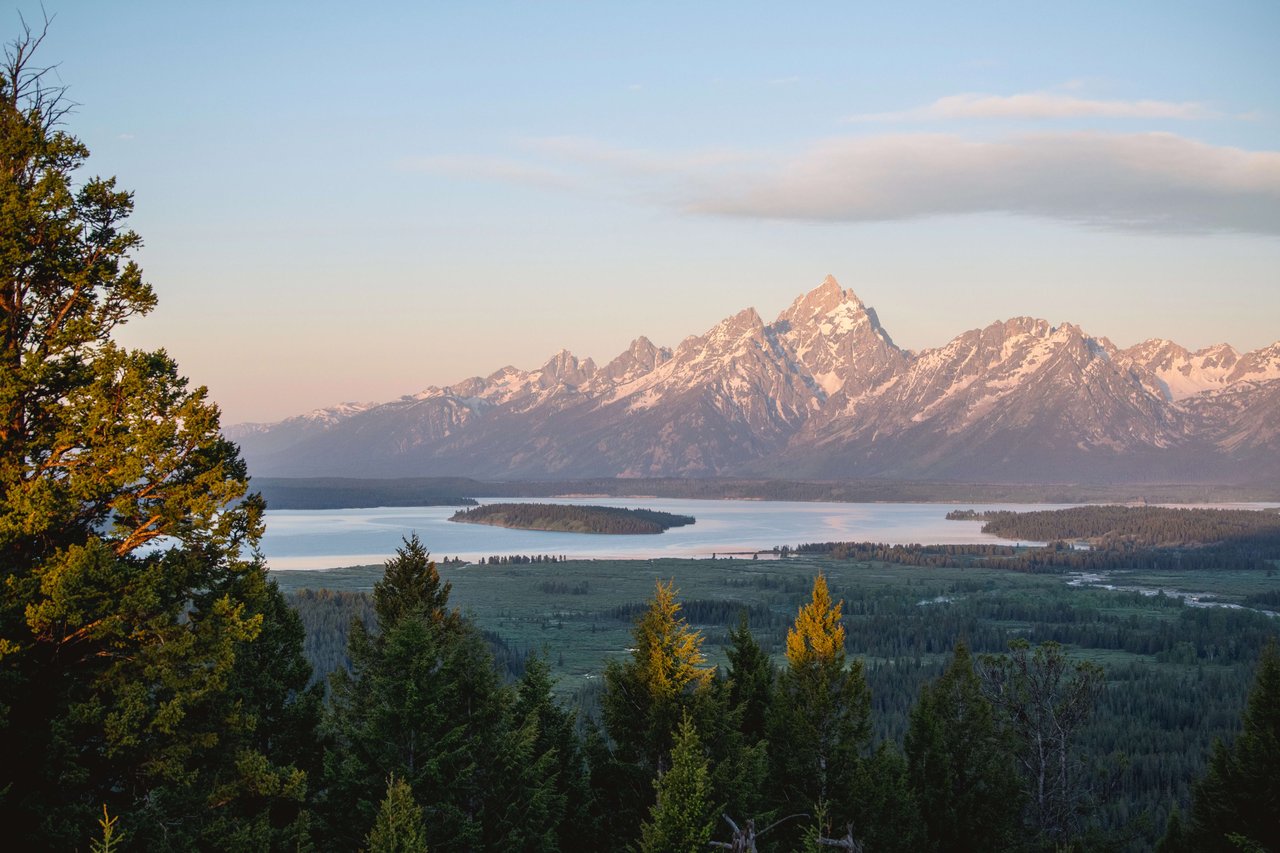
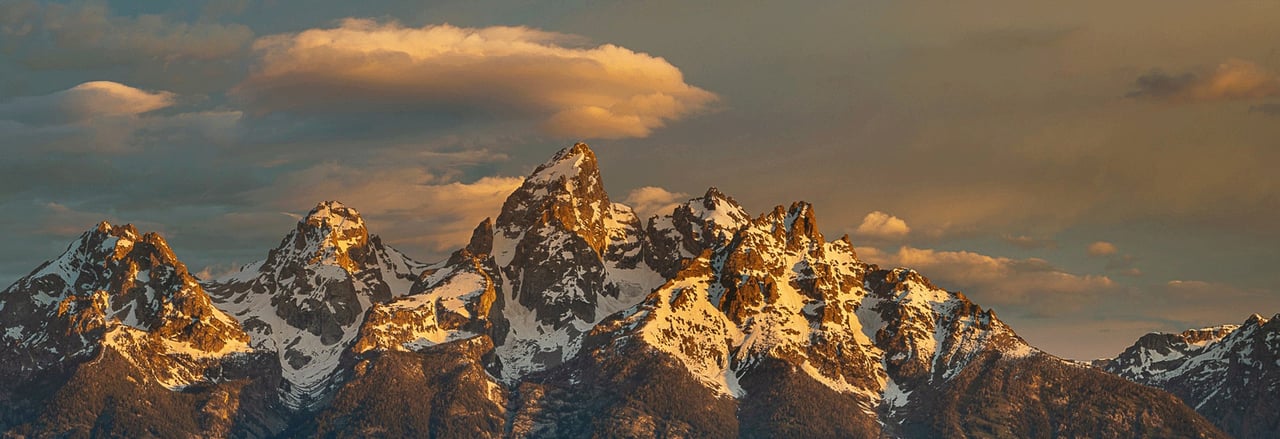
According to Jackson Hole Land Trust, Munger Mountain serves as Jackson Hole’s southern scenic sentinel and a wildlife corridor linking Bridger-Teton National Forest to the South Park Wildlife Habitat Management Area. The organization also reports additional protections in the corridor, including a 149-acre conservation easement, 256.5 acres of additional conserved land near the Snake River Range, and a 640-acre state trust land parcel under a 35-year recreational lease intended to balance conservation, grazing, and trail access.
For equestrian buyers, that stewardship framework often adds value beyond scenery. It can help preserve view corridors, protect the area’s agricultural feel, and support the long-term qualities that made the location desirable in the first place.
Seasonal Access Is Part of Stewardship
It is important to understand that strong access and strong conservation often go together with seasonal rules. Nearby wildlife management lands are intentionally regulated to protect habitat.
The Wyoming Game and Fish Department says the South Park Wildlife Habitat Management Area lies about eight miles south of Jackson and is closed to human presence from January 1 through May 1 at 6 a.m. Vehicle traffic is closed from December 1 through April 30. For buyers, that is useful context: the outdoor lifestyle here is excellent, but some nearby lands are managed carefully around wildlife needs.
Four-Season Living Adds to the Draw
West Bank South is not only a summer or shoulder-season choice. Winter access is another reason buyers pay attention to this part of the valley.
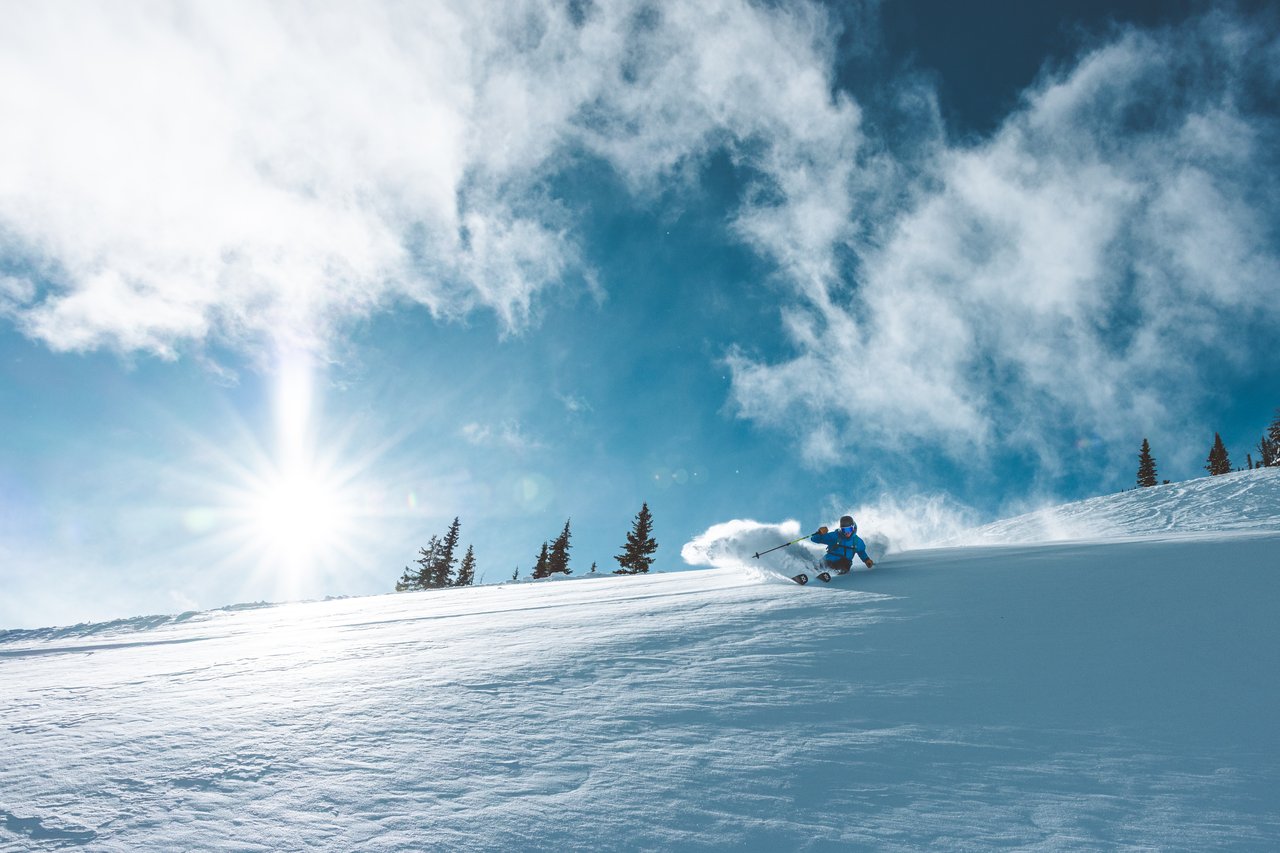
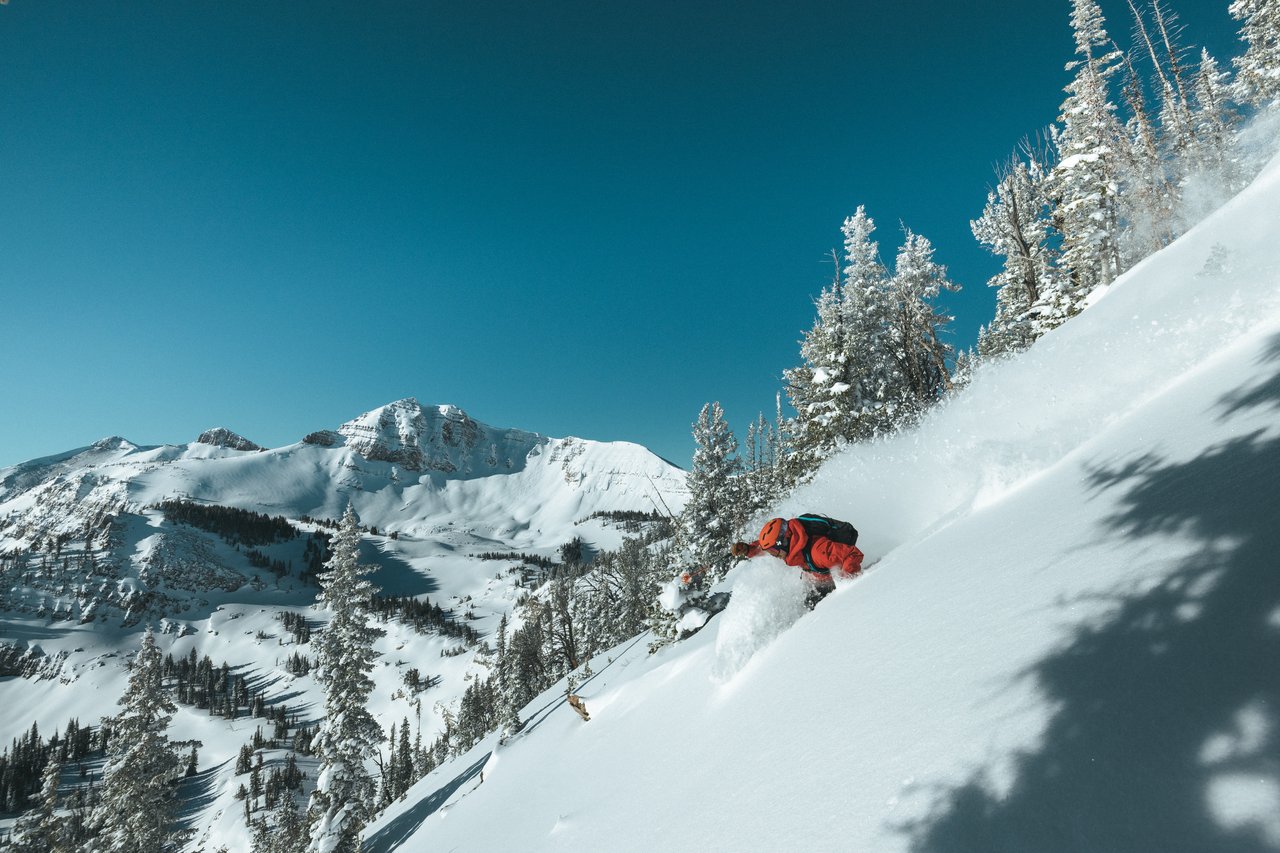
Teton County says its grooming program generally runs from December 15 through March 15 and covers 68.5 miles of trails and pathways weekly. The county also notes that it grooms five miles of South Park Loop Road in winter and that Jackson Hole has 62.4 miles of pathways. In Crescent H Ranch, residents also have weekly Nordic grooming on the community’s private trail system.
For equestrian buyers, this four-season appeal can be meaningful even if horseback riding is the primary focus. You are not limited to one kind of recreation or one part of the year. The area supports a broader outdoor lifestyle that keeps the property useful and enjoyable across seasons.
Is West Bank South Too Remote?
For many buyers, this is one of the first questions. The short answer is no, but it depends on what kind of lifestyle you want.
West Bank South feels removed from busier parts of the valley, and that is part of its appeal. At the same time, county planning materials, pathway links, and public recreation access show that it remains connected to Wilson, Jackson, and the valley’s broader infrastructure. If you want a place that offers breathing room without full isolation, that balance is one of the area’s strongest selling points.
What Equestrian Buyers Often Value Most
While every search is different, buyers drawn to West Bank South often prioritize the same core advantages:
- A rural setting with lasting ranch character
- Access to horseback-friendly trail systems and public lands
- Larger parcels or homesites with room for equestrian improvements
- A conservation-minded landscape that helps preserve open space
- Four-season recreation and pathway connections
- Relative privacy without complete disconnection from services
Those qualities are especially relevant in Jackson Hole, where true horse-friendly settings with meaningful access and long-term land stewardship are not easy to replicate.
If you are considering West Bank South, the most useful next step is to look beyond square footage and finishes. Pay close attention to trail connections, land use around the parcel, seasonal access patterns, and how conservation shapes the setting. If you want guidance on evaluating ranch, acreage, or equestrian-oriented opportunities in this corridor, Tom Evans Real Estate offers discreet, locally informed support grounded in land stewardship and long-view market knowledge.
FAQs
What makes West Bank South appealing to equestrian buyers in Jackson Hole?
- West Bank South appeals to equestrian buyers because it combines ranch character, larger parcels, horseback-friendly trail access, and a conservation-shaped landscape that supports open space and a rural feel.
What kinds of horse-friendly properties can buyers find in West Bank South?
- Buyers often look for trail-oriented ranch estates, larger-acreage parcels, conservation-linked holdings, and properties with room for barns, paddocks, or pasture infrastructure.
Does West Bank South offer horseback riding trail access near properties?
- Yes. The area benefits from access to horseback-friendly recreation, including the Munger Mountain trail system and private trail networks such as those highlighted by Crescent H Ranch.
Is West Bank South isolated from Wilson and Jackson services?
- No. While the area feels private and rural, it remains connected to Wilson, Jackson, county pathways, and the broader valley recreation network.
Are there seasonal access restrictions near West Bank South trails and open lands?
- Yes. Nearby wildlife management lands, including South Park WHMA, have seasonal closures that are designed to protect habitat and wildlife movement.
Does conservation affect the lifestyle in West Bank South?
- Yes. Conservation is a major part of the area’s identity and helps preserve open space, wildlife corridors, scenic views, and the working-land character that many buyers value.
Written by Ashley DiPrisco, Real Estate Advisor
Jackson Hole Sotheby's International Realty