Considering a home north of Jackson to be closer to Jackson Hole Airport? The convenience can be a game changer, but aircraft activity, seasonal patterns, and planning rules all shape daily life. You want a clear picture of what you will hear, what you can build, and how proximity might affect privacy and resale. This guide gives you practical, location-specific insight so you can weigh the benefits and tradeoffs with confidence. Let’s dive in.
Airport overview
Jackson Hole Airport (JAC) serves Teton County and the Jackson/Teton Valley and is set within the Grand Teton National Park area. It operates a single north-south runway that channels flights along the valley. The high-elevation setting and surrounding terrain make flight paths more predictable than at many lowland airports.
You will see a mix of aircraft types. Scheduled commercial jets, business jets and charters, turboprops, and general aviation all use JAC. Noise perception varies by aircraft type, engine thrust, and how quickly planes climb after takeoff. Understanding that mix helps you set expectations for what you will hear.
Travel advantages
If you fly often, living north of Jackson means short airport drives, often under 10 to 20 minutes from many neighborhoods. In mountain winters, cutting a long drive to a regional hub can save real time and stress. Direct flights to major cities vary by season, with more options during peak ski and summer periods.
Convenience extends to hosting. Visitors can arrive and settle in the same day, which is valuable for limited vacation windows. For many buyers, that ease offsets some level of aircraft noise, especially when the home is well insulated and strategically sited.
Flight paths and noise
Terrain funnels approaches and departures through the valley, which makes overflight corridors more consistent than in flat markets. North of town, what you hear depends on which runway direction is in use, the climb and descent profiles, and your property’s position relative to the corridor.
Takeoffs can be louder since engines work harder to gain altitude. Larger commercial jets and some business jets may stand out more than turboprops, especially during peak hours. Homes shielded by ridges or trees may experience less perceived noise than homes on open flats.
Seasonal traffic patterns
Airport activity in Teton County has two main peaks. Winter brings ski-season traffic, including charters and business jets. Summer ramps up commercial and general aviation as visitors access Grand Teton and Yellowstone.
These peaks increase the number of audible overflights. Shoulder seasons often feel quieter. If quiet is a priority, plan to sample conditions during both a peak week and an off-peak week before you commit.
Planning and legal checks
Before you make an offer, review airport and county planning materials. The Jackson Hole Airport Master Plan outlines projected operations and any proposed noise-mitigation programs. Teton County Planning and GIS maps show zoning, overlay districts, and development standards for parcels in 83001.
Pay attention to height and airspace rules. FAA Part 77 surfaces protect flight paths and can trigger notice requirements for proposed structures above certain heights. Some parcels may have recorded avigation easements or be in airport-overlay areas that limit use or include noise disclosures. Your title work should identify these, and a local real estate attorney or experienced broker can advise on how they apply to your plans.
Disclosure and ownership
Wyoming sellers must disclose known material facts and follow MLS rules. Whether aircraft noise is treated as a material fact depends on local practice and the degree of impact. If you are buying, ask specific questions about noise history, recorded easements, and prior complaints. If you are selling, document what you know and consult your broker or attorney on best practices.
Insurance is rarely affected by routine aircraft noise. Still, it is wise to confirm underwriting assumptions and any local factors with your insurer. If you plan to renovate or build, coordinate early so your design team can navigate height notifications and any overlay rules.
Privacy and views
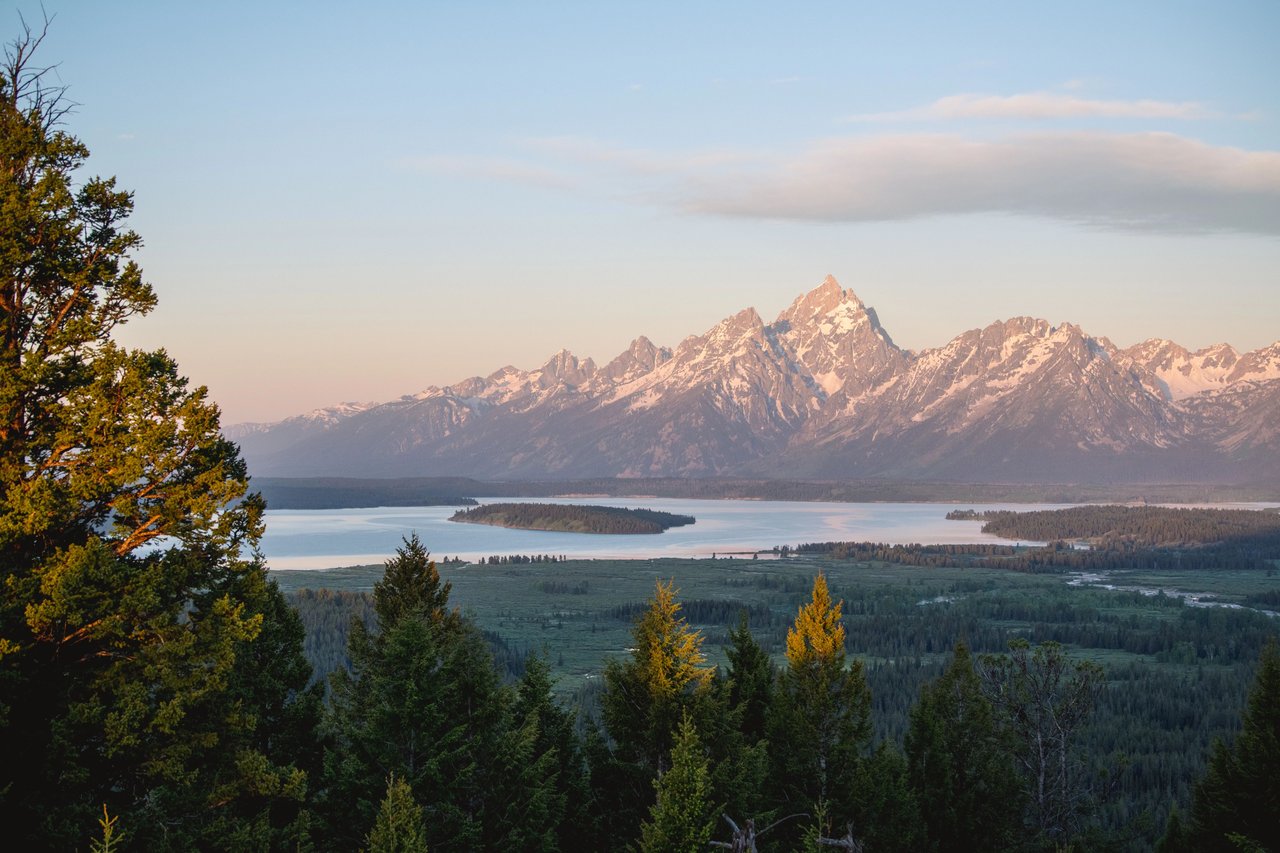
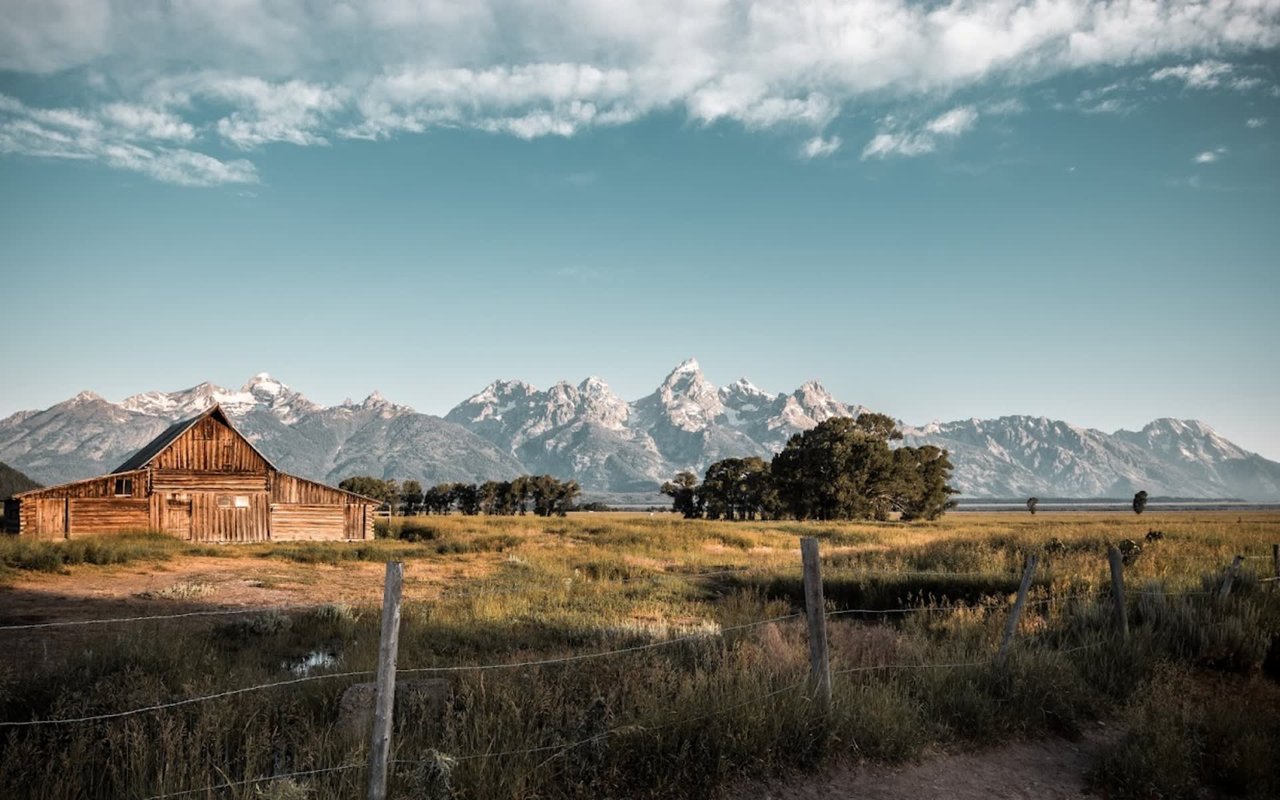
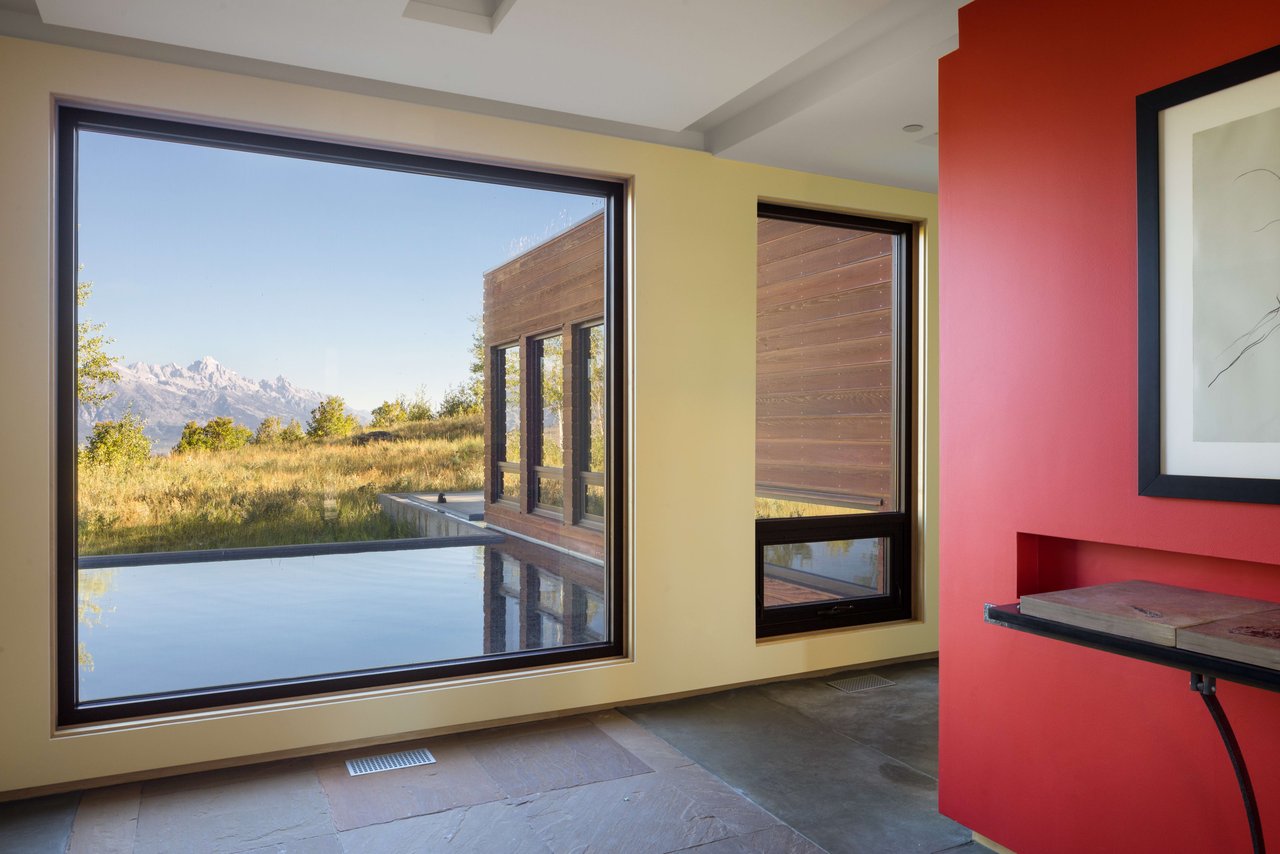
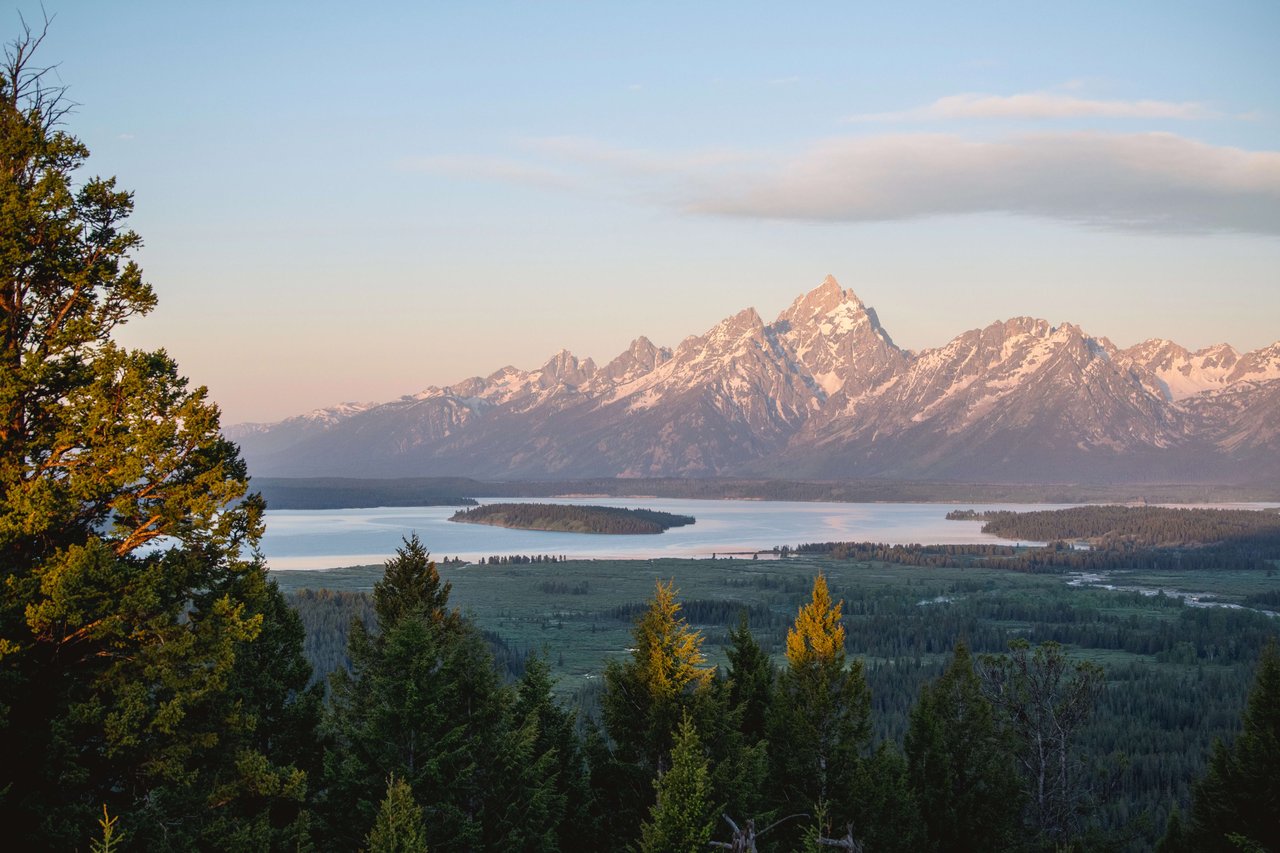
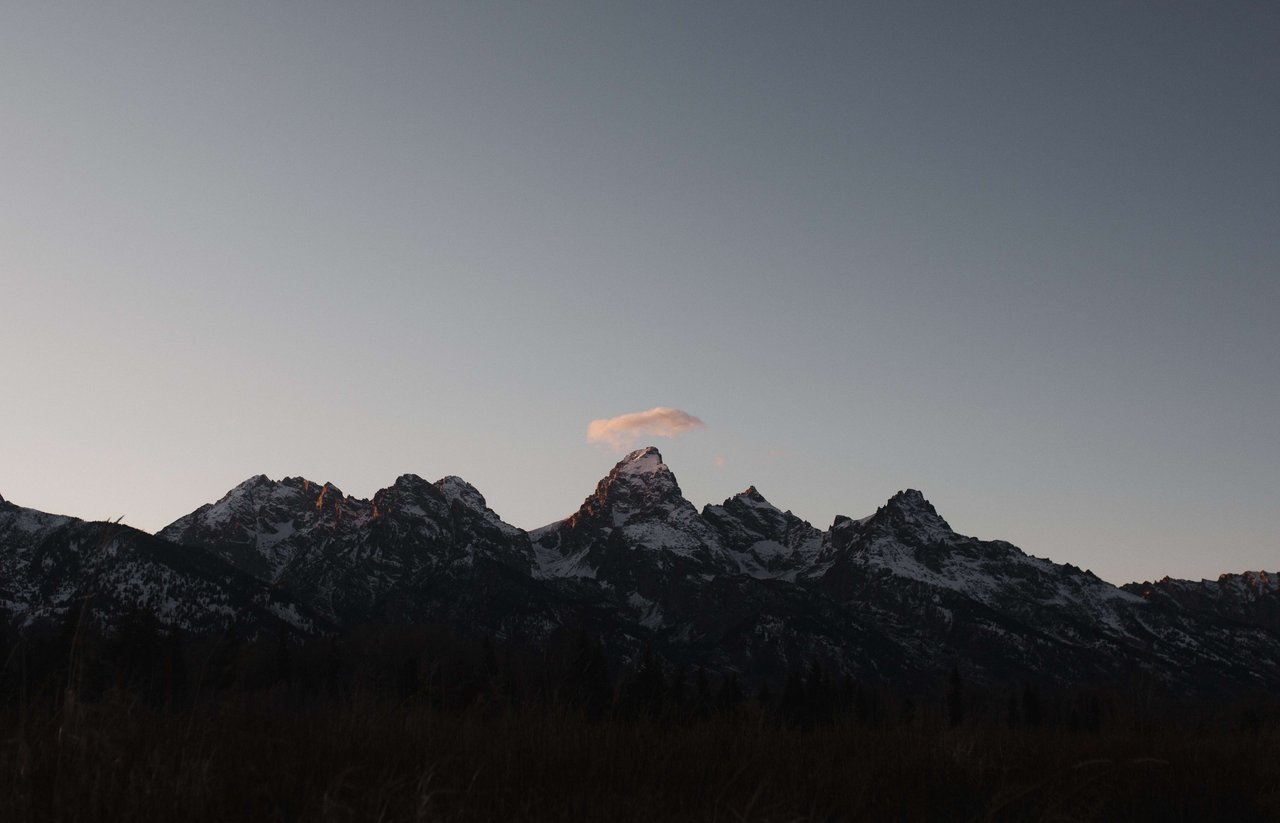
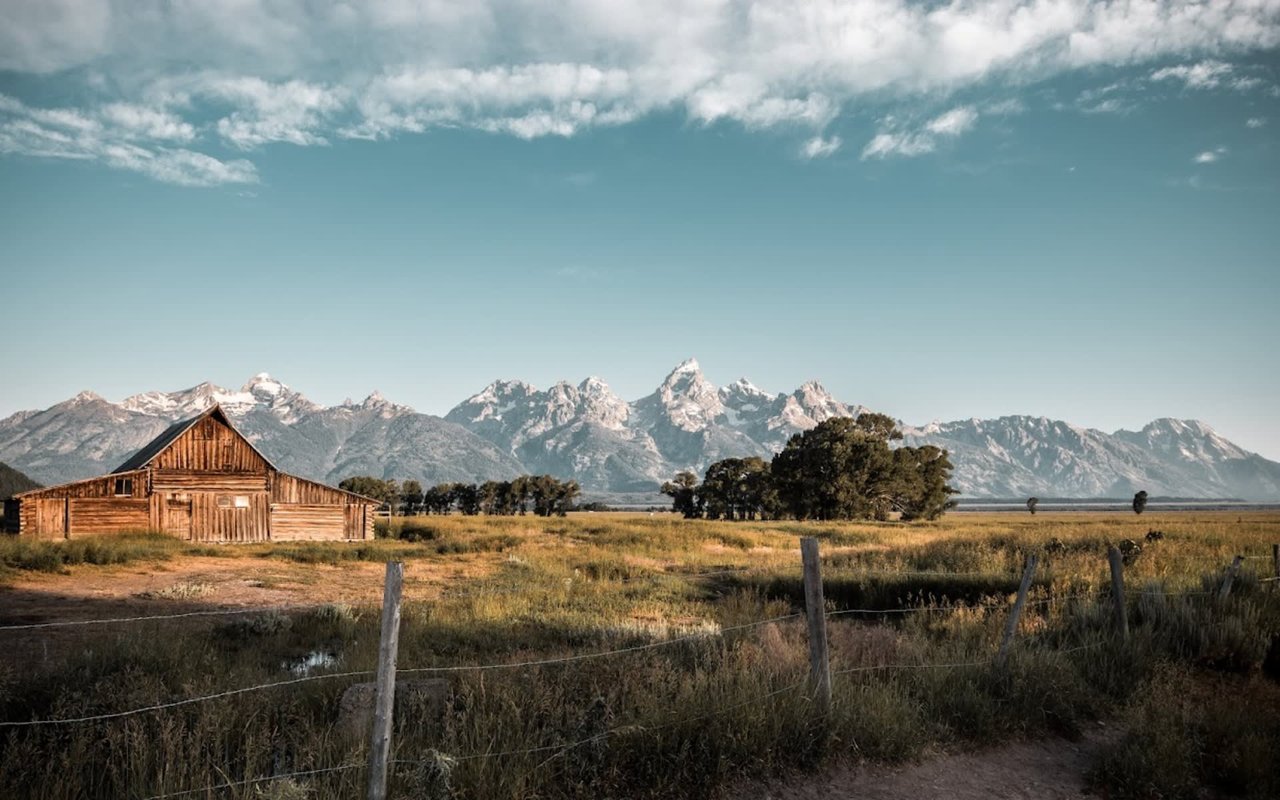
Aircraft can be visible at comparative low altitudes near the valley corridor, which may affect perceived privacy from yards and windows. Topography and mature trees often soften the visual impact. When you walk properties, observe view corridors to the Tetons and how surrounding landforms screen or reveal the sky.
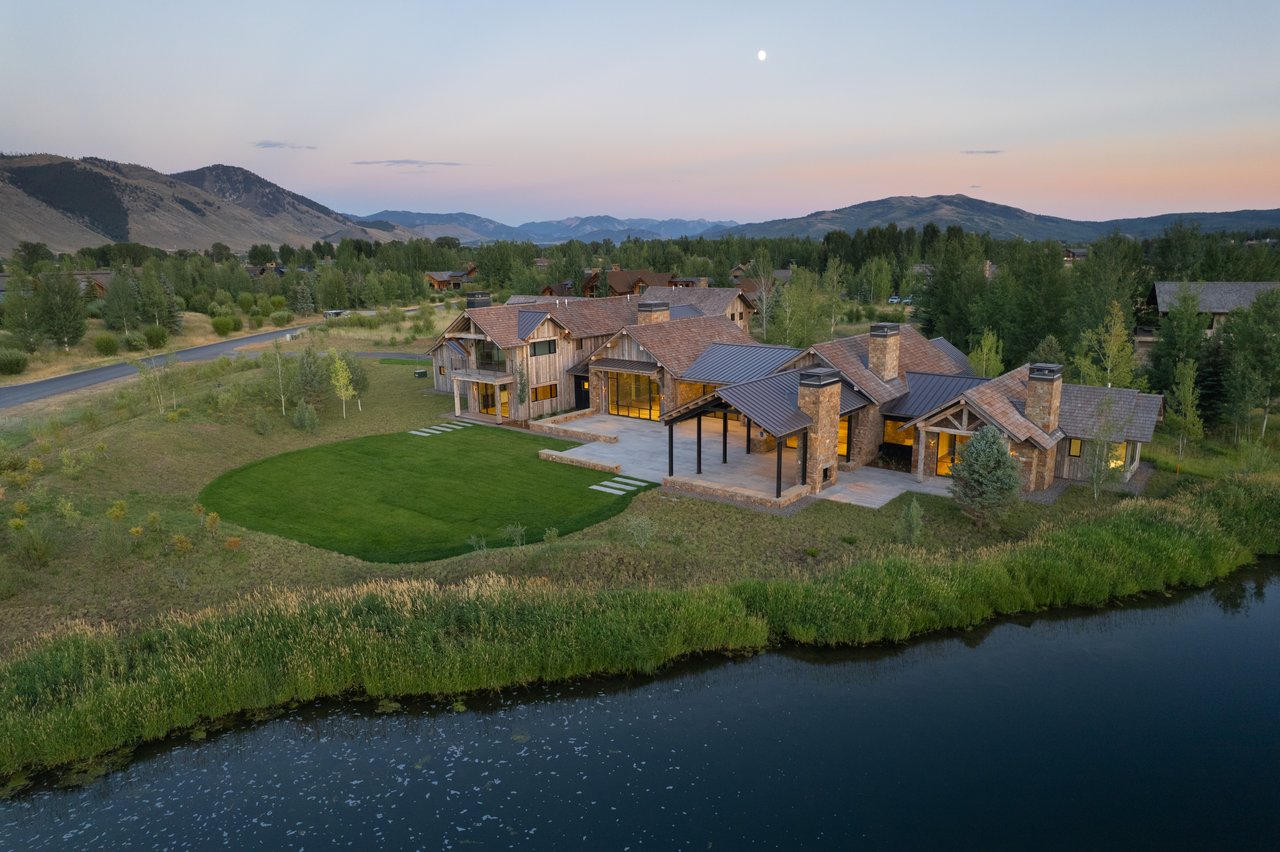
In many north-of-Jackson settings, the tradeoff is straightforward. You gain mountain views and a short airport drive, while accepting intermittent aircraft visibility and sound. The right site orientation and thoughtful landscaping can protect privacy without compromising views.
Home noise mitigation
If indoor quiet matters, building features make a real difference. Consider:
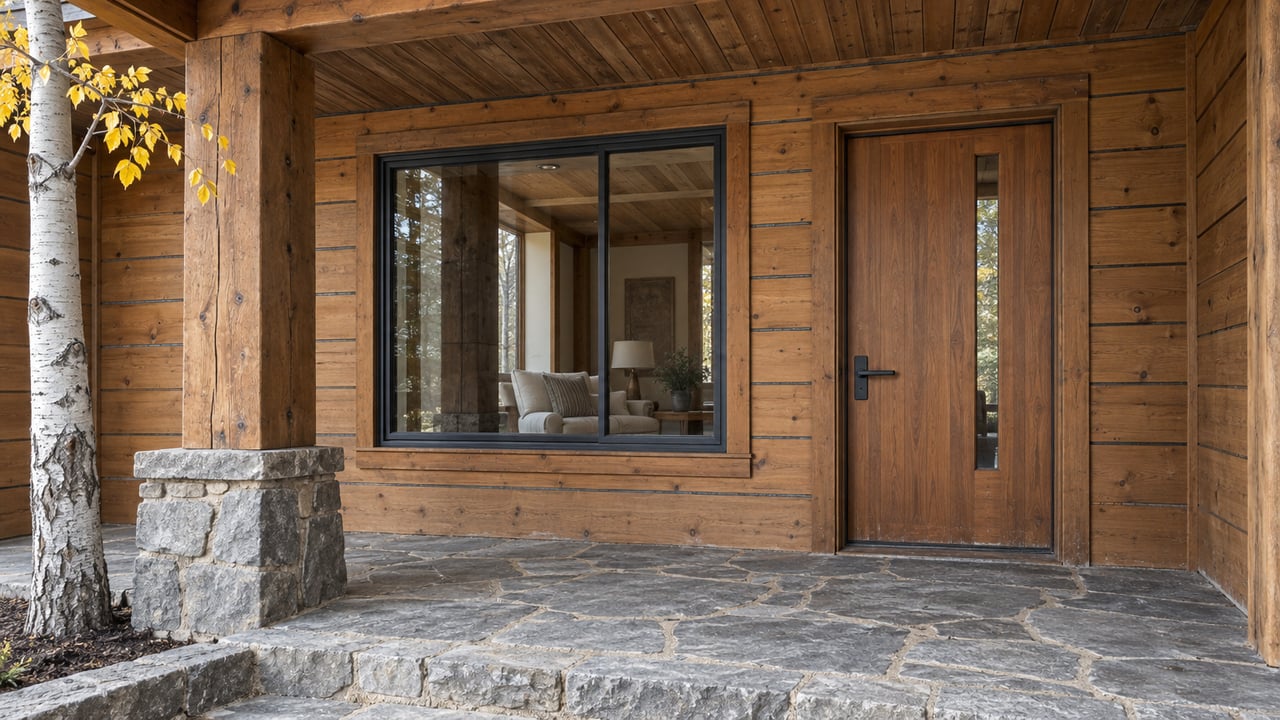
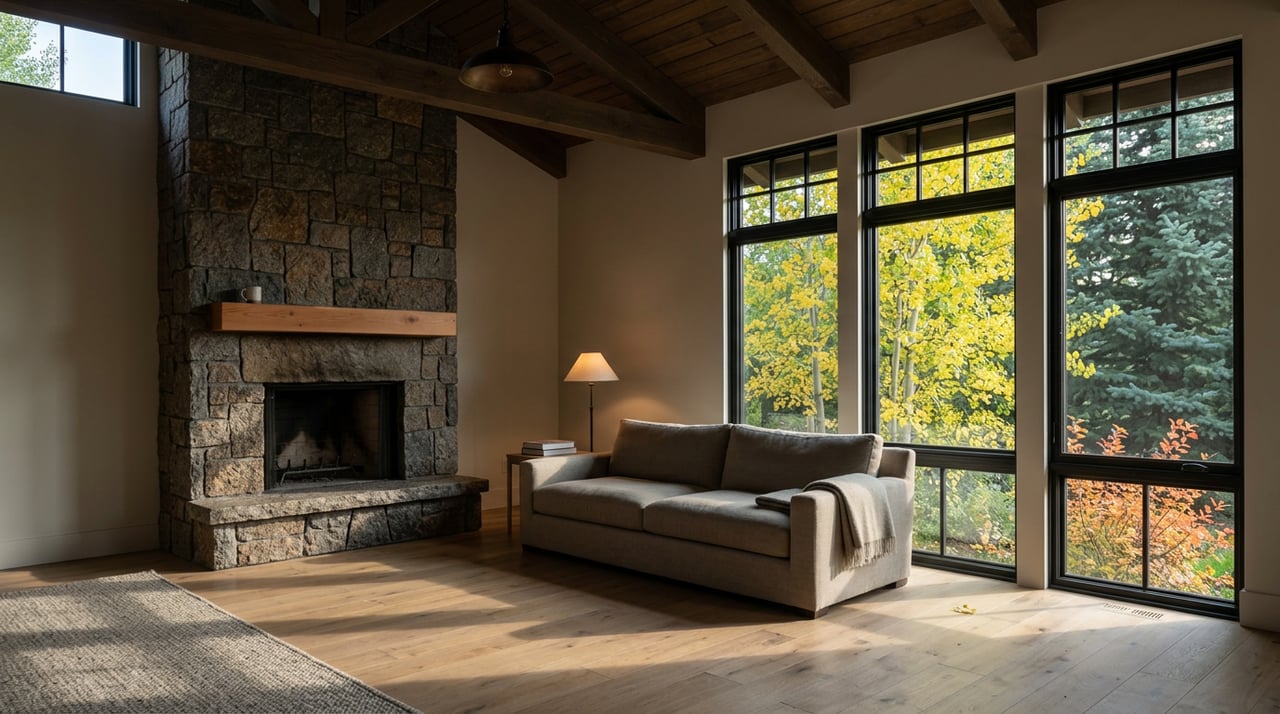
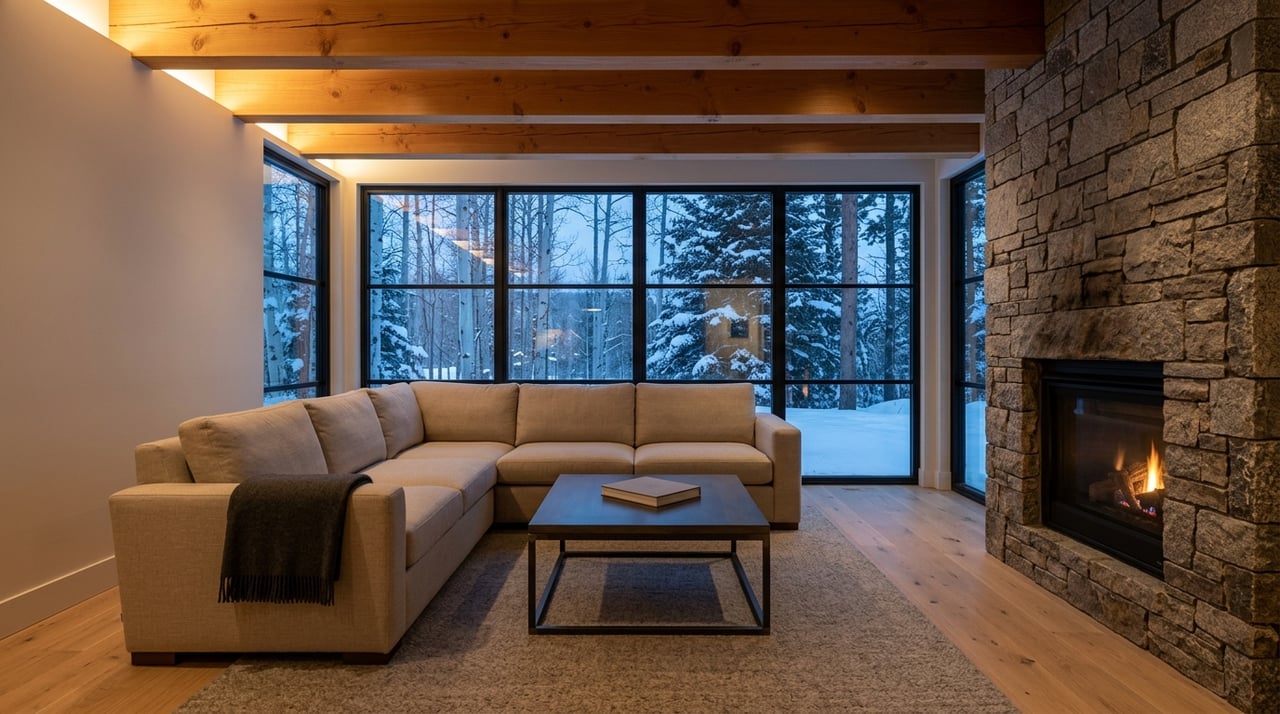
- High-performance windows and doors, such as multi-pane or laminated glass, paired with tight air sealing.
- Robust insulation, acoustic drywall where needed, and HVAC designed for comfort with windows closed.
- Bedroom placement away from the side of the home facing predominant flight tracks.
- Vegetation and fencing for privacy. These help with ambiance, though they have limited effect on higher-frequency jet noise.
Many mitigation steps can be phased. Start with windows, doors, and weatherization, then address walls and mechanical systems if needed.
Site selection strategies
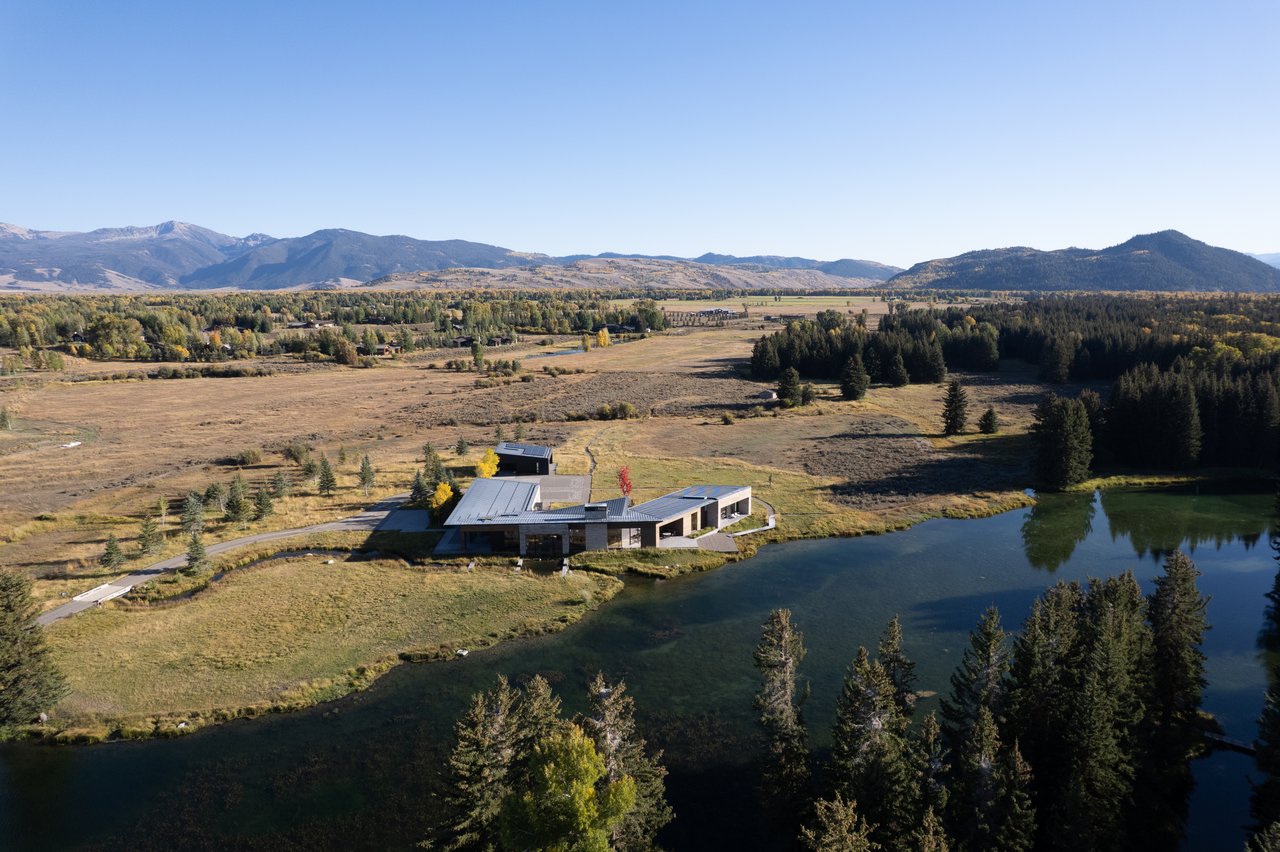
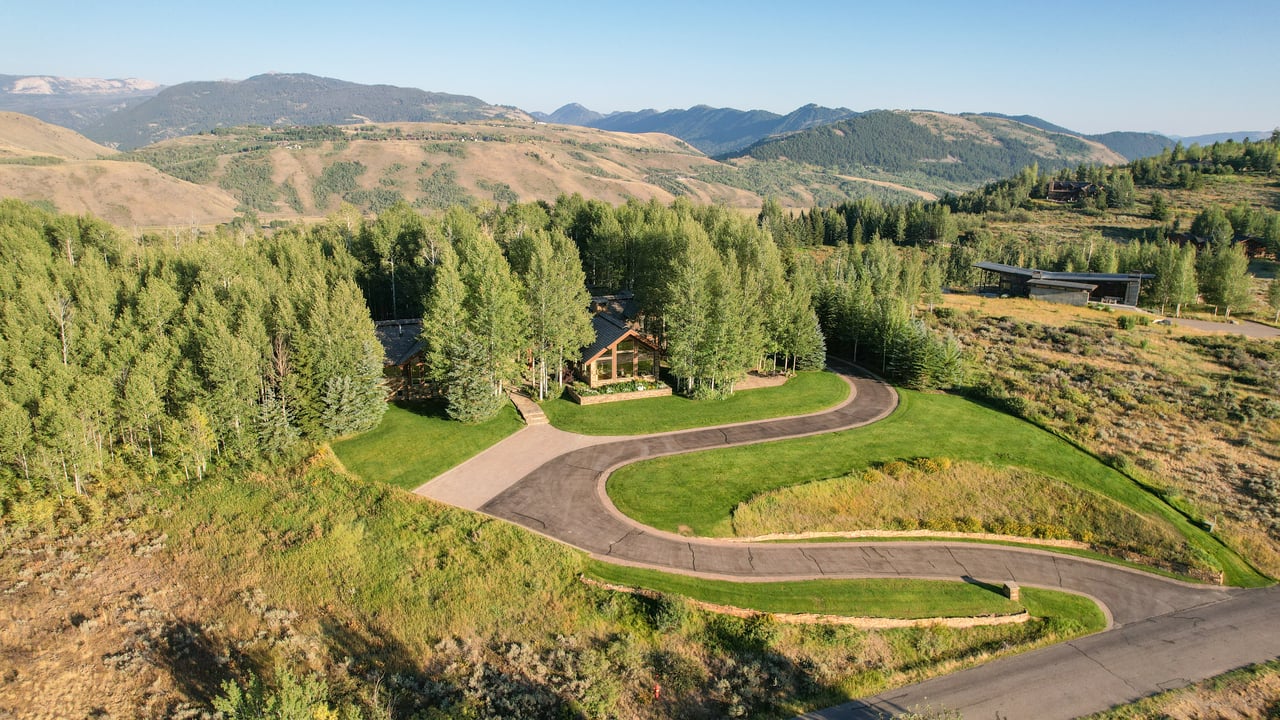
Where you buy matters as much as what you build. Look for lots that are naturally shielded by a ridge or hill between you and the most-used corridor. Parcels slightly off the centerline of typical approaches and departures often experience fewer direct overflights.
Walk the site during early morning and late afternoon when flights commonly ramp up. If possible, listen during a high-traffic summer week and a winter week to understand the range of conditions.
How to test a property
A practical due diligence routine helps you avoid surprises. Use this simple plan:
- Track activity for at least one week in a peak season and one week in a shoulder season.
- Keep a log of times, aircraft types you notice, and whether the sound is audible indoors with windows closed.
- Request any available airport noise contour maps and recent planning documents for context.
- Ask the listing agent for recorded avigation easements, disclosures, or complaint history.
- Speak with adjacent owners about their experience over time, including early mornings and evenings.
- Get estimates from a contractor or sound consultant for window upgrades and insulation so you can budget.
This approach replaces guesswork with firsthand data and lets you compare multiple properties on equal footing.
Resale and value
Airport proximity can influence value in different ways. In amenity-driven markets like Jackson Hole, the time savings and flight access are meaningful to many buyers. For others, predictable quiet is the priority. The net impact depends on your specific location, the severity and frequency of noise, and the quality of the home’s mitigation.
A comparative market analysis that includes airport-adjacent sales will help you price a purchase or set a sale strategy. Appraisers familiar with Teton County can provide a balanced view of how proximity and convenience trade off in 83001.
Development and future activity
Airline schedules and charter demand shift with seasons and tourism cycles. Review the airport’s master planning materials and any noise-compatibility discussions to understand how operations may evolve. Teton County land-use updates can also affect development patterns north of town, which can change local traffic and neighborhood context.
If you own or plan to build, keep your design within local height limits and be proactive about FAA notification if required. Early coordination reduces risk and keeps your timeline on track.
When proximity is a net positive
If you fly frequently, host regular visitors, or rely on same-day connections, living north of Jackson can be a strategic choice. Quick access to JAC, paired with thoughtful siting and construction, can deliver a quiet indoor environment with manageable outdoor sound. For many second-home owners and frequent travelers, that balance works well.
If you prize absolute outdoor quiet above all else, you may focus on parcels farther from the primary corridor, or prioritize topographic shielding. Either way, the right due diligence will clarify which properties fit your lifestyle.
Work with experts
Airport-adjacent real estate rewards careful planning. A seasoned local team can coordinate zoning and overlay reviews, title checks for easements, and sound-mitigation scopes, then align those findings with value and lifestyle goals. Detailed preparation helps you secure the right property and avoid costly surprises.
If you are exploring homes or land north of Jackson and want a discreet, data-forward strategy tailored to 83001, we are here to help. Request a private consultation with Tom Evans Real Estate to evaluate options, coordinate due diligence, and move forward with confidence.
FAQs
Is living near Jackson Hole Airport in 83001 noisy?
- Noise varies by location, aircraft type, and season. Expect more audible events during winter and summer peaks and fewer during shoulder months. Test a property during both peak and off-peak weeks before deciding.
How long is the drive to JAC from north of Jackson?
- Many north-of-town areas are roughly a 10 to 20 minute drive to the terminal. Actual time depends on your exact location and seasonal road conditions.
Are there quiet times during the day near the airport?
- Yes. Flight activity tends to cluster around morning and late-day periods, with lulls in between. Patterns vary by season and airline schedules, so monitor for at least a week.
Will airport growth increase noise over time in Teton County?
- Future operations depend on airline schedules, tourism demand, and airport planning. Review the airport master plan and county planning updates to understand potential changes before you buy.
What building or height rules might affect a property near JAC?
- FAA Part 77 surfaces can trigger notice for taller structures, and local zoning or overlay districts may limit height or use. Check county maps, title documents, and consult your design team early.
Do Wyoming sellers have to disclose aircraft noise?
- Sellers must disclose known material facts under Wyoming law and MLS rules. Treatment of aircraft noise depends on local practice and the degree of impact. Ask for easements, disclosures, and any complaint history during due diligence.
Written by Ashley DiPrisco, Real Estate Advisor
Jackson Hole Sotheby's International Realty