If your ideal Jackson day starts with coffee, includes a walk through Town Square, and ends with dinner or an event without a long drive, walkable living may be the right fit. In the Town of Jackson, that lifestyle is shaped by more than distance alone. It depends on how each part of town connects to sidewalks, pathways, shuttle service, and the daily rhythm of the core. Let’s take a closer look.
What Walkable Living Means in Jackson
Walkability in Jackson is centered on Town Square and the surrounding blocks, but the bigger story is how the town is planned. Official design guidelines emphasize year-round pedestrian access, buildings placed at or near the street line, and parking that is screened, rear-loaded, or underground rather than dominating the street.
That creates a different feel from more car-oriented mountain towns. Instead of wide gaps between buildings and large surface lots, the core is designed to support active sidewalks and easier movement on foot. For buyers, that means the experience of a property often depends as much on its block and building form as its address.
The system extends beyond downtown streets. Jackson operates a free Town Shuttle that serves most hotels, galleries, shops, and restaurants in town, and the Jackson Hole pathways system plus Snow King Avenue bike lanes connect the core to nearby neighborhoods and destinations.
Why Town Square Anchors Daily Life
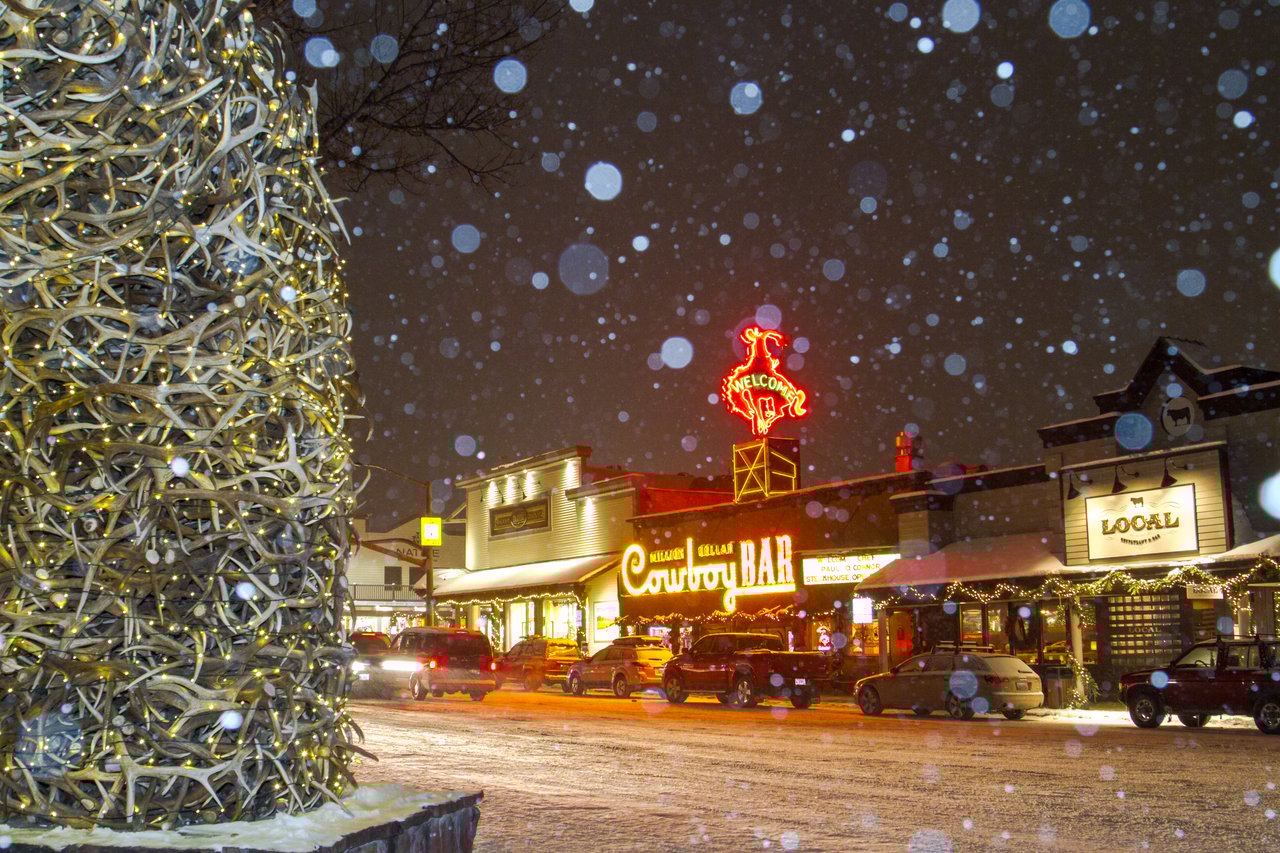
Town Square is both the symbolic center and the practical heart of walkable living in Jackson. It is a community gathering space known for the elk-antler arches and a steady calendar of seasonal events.
Throughout the year, the square hosts activities such as farmers markets, seasonal ice skating, live music, ElkFest, Fall Arts Fest, and the Town Square Shootout. For full-time residents and second-home owners alike, that means the center of town is not just a place to visit. It is part of everyday life.
A walkable lifestyle here often follows a mixed-use routine. You might walk out for coffee, stop through the square, run a few errands, and head to dinner or an event later in the day without needing to organize a longer trip by car.
Best Areas for Walkable Living
Downtown Core Near Town Square
Downtown is the strongest fit if you want to step outside and walk to dining, galleries, shopping, and events. The adopted plan describes this area as a mixed-use district with retail, restaurants, offices, lodging, and long-term residences in a variety of building forms.
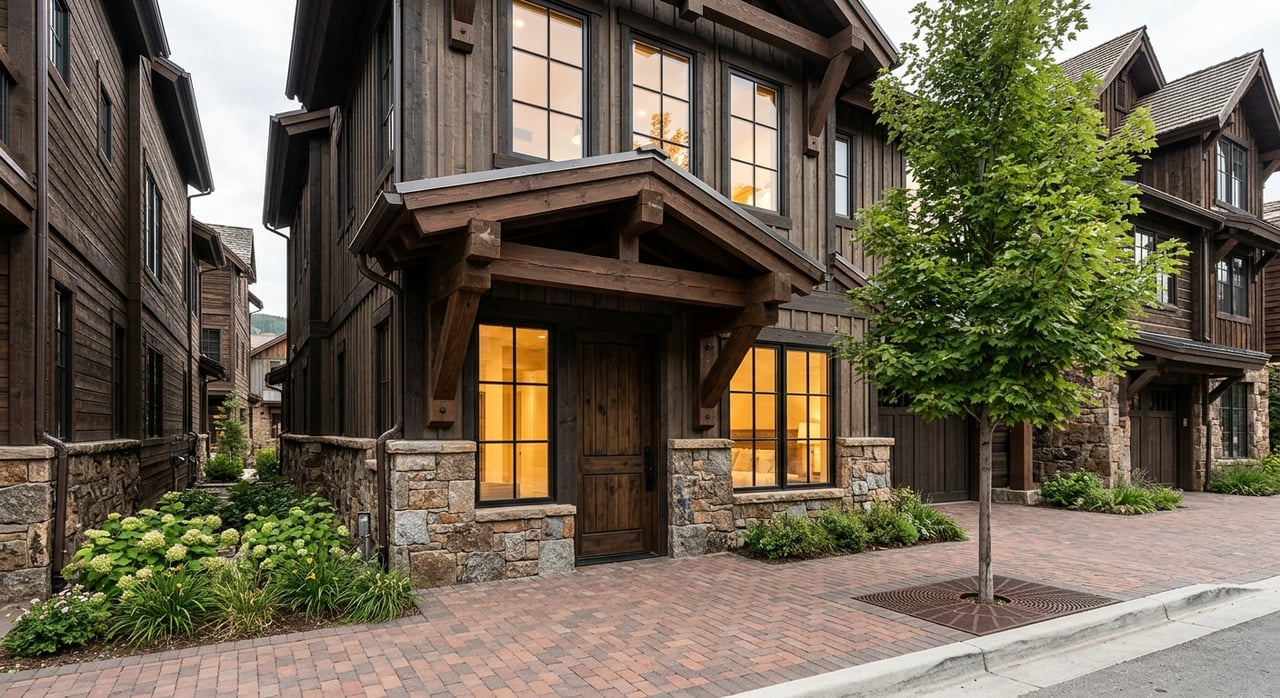
This part of town is intended to remain vibrant and compact, with predominantly two- to three-story buildings, active ground-floor commercial uses, and upper-floor office, residential, or lodging spaces. Public lots and on-street parking support the district, while on-site parking is generally expected to be underground or screened from view.
Common property types here include mixed-use storefront buildings, upper-floor apartments or condos, boutique inns, and small office-over-retail buildings. If your priority is direct access to the most active blocks in town, this is usually the clearest match.
Who Downtown Fits Best
Downtown often appeals to buyers who want convenience and energy over separation and scale. If being able to walk to restaurants, shopping, galleries, and public events matters more to you than having a larger footprint, the core deserves close attention.
Snow King and South Cache Corridor
The Snow King and South Cache corridor creates a pedestrian-oriented link between Downtown and Snow King. Planning materials describe this area as anchored by the Center for the Arts, nearby parks, and the Snow King base area.
The goal for this corridor is to strengthen the walk between two major activity nodes in town. Ground-floor uses are intended to add street life, while upper floors provide residential uses, including workforce housing, in generally two-story buildings that front the street.
Property types here often include small mixed-use buildings, multifamily housing, apartment-style or condo-style units, cultural buildings, and lodging uses near the mountain base. This can be a strong option if you want downtown access along with an easy connection to arts and recreation.
Why This Area Stands Out
If you picture a lifestyle that combines town access with quick walks to cultural venues and Snow King activities, this corridor offers a practical balance. It can feel connected and active without being quite as concentrated as the blocks immediately around Town Square.
North Cache and the Civic Gateway
North Cache serves as both a civic concentration and an entry into town. The comprehensive plan describes the Public/Civic area as centered on institutional facilities, including Davey Jackson Elementary School, the Teton County/Jackson Recreation Center, and state and federal agencies.
The North Cache Gateway is envisioned as a transition zone with mixed nonresidential uses and workforce housing, generally in two- to three-story buildings. Flat Creek is also an important planning and amenity feature in this part of town.
You will find a mix of civic and institutional buildings, office buildings, housing with a workforce component, and selective mixed-use redevelopment. For some buyers, this area offers central access with a less commercial feel than the heart of downtown.
East Broadway and Core Residential Edges
Just east of downtown, Jackson shifts into transitional areas that blend residential patterns with walkable urban access. The plan describes Core Residential as a transition area of single-family and multifamily homes, with redevelopment encouraged near the town center and along mixed-use corridors.
In these areas, buildings are expected to stay close to the street, while parking should be minimized and screened. East Broadway Mixed Use includes single-family and multifamily residential, standalone office uses, and larger institutional uses, with future development oriented toward mixed-use office or multifamily housing and some local convenience commercial.
Common property types include older single-family homes, duplexes, triplexes, small apartment buildings, and some mixed-use or office-over-residential buildings in blocks closest to downtown. If you want a quieter residential setting while staying close enough to walk into the core, this area is often worth considering.
A Different Kind of Walkability
For many buyers, this is where Jackson feels most balanced. You can stay connected to downtown routines while stepping back from the busiest commercial blocks.
Midtown Central and Midtown Residential
Farther from Town Square but still within the in-town grid, Midtown is also being guided toward a more walkable pattern. Planning documents describe Midtown Central as important to the district’s transformation into a walkable mixed-use area.
That includes nonresidential uses at street level, residential above, mixed-use and multifamily buildings in two- and three-story forms, parking behind or screened, and live-work housing. Midtown Residential is intended to remain a single-family and multifamily neighborhood with a mix of ownership and rental units close to complete-neighborhood amenities.
Property types may include mixed-use buildings in the central corridor, duplexes and multifamily homes in nearby residential blocks, and detached homes near more stable neighborhood edges. This area can work well if you want in-town proximity without being in the busiest part of the core.
What to Look for in a Walkable Property
In Jackson, not every in-town property delivers the same walkable experience. The best fit is often the home whose layout, parking setup, and building placement align with the town’s pedestrian-first pattern.
As you compare options, it helps to focus on features such as:
- Direct access to sidewalks, pathways, or bike connections
- A short walk or shuttle ride to daily destinations
- Building orientation close to the street rather than set far behind parking
- Parking that is shared, screened, rear-loaded, or underground
- A floor plan that supports a more compact in-town lifestyle
These details matter because walkability here is practical, not just visual. A home can be near downtown on a map but still feel less connected if the route, parking arrangement, or block pattern works against daily use on foot.
Parking and Everyday Logistics
Walkable living in Jackson comes with tradeoffs, and parking is one of the clearest examples. Downtown parking is carefully managed, with year-round three-hour limits on downtown streets, a winter overnight street-parking ban, and a paid public parking garage for longer stays.
For buyers used to larger lots and private driveways, this is an important shift to understand early. In the core, convenience often comes from proximity and access rather than private parking abundance.
That does not make the lifestyle less functional. It simply means the right property is one that matches how you plan to live day to day.
How Buyers and Sellers Can Use This Insight
If you are buying, it helps to define what walkable means for your routine. Do you want to be in the center of activity near Town Square, connected to arts and recreation near Snow King, or in a more residential edge area with easy access back into town?
If you are selling, walkability should be framed with precision. The most compelling story is not just that a property is "close to downtown," but how it connects to sidewalks, shuttle service, pathways, events, and the pedestrian-first pattern that shapes daily life in Jackson.
In a market as nuanced as Jackson, those distinctions matter. They help buyers understand whether a property supports the lifestyle they actually want, and they help sellers position in-town homes with greater clarity.
If you are considering an in-town purchase or preparing to position a Jackson property for sale, Tom Evans Real Estate offers discreet, local guidance grounded in deep market knowledge.
FAQs
What part of Jackson is most walkable for daily errands and dining?
- The blocks around Town Square and the Downtown core are generally the strongest fit for walking to dining, shopping, galleries, and events.
What types of homes support walkable living in Jackson?
- Common options include condos, upper-floor apartments, mixed-use buildings, multifamily properties, and some single-family or duplex-style homes on the residential edges of downtown.
Is Snow King close enough for a walkable lifestyle in Jackson?
- Yes. The Snow King and South Cache corridor is planned as a pedestrian-oriented link between Downtown and Snow King, with access to arts, parks, and recreation.
Does Jackson have transportation options beyond walking?
- Yes. The town operates a free Town Shuttle that serves most hotels, galleries, shops, and restaurants in town, and the pathway system and bike lanes help connect the core to nearby areas.
What should buyers watch for when comparing walkable properties in Jackson?
- Focus on sidewalk and pathway access, shuttle connectivity, parking setup, building placement, and whether the floor plan fits a more compact in-town lifestyle.
Written by Ashley DiPrisco, Real Estate Advisor
Jackson Hole Sotheby's International Realty