If you are getting ready to sell a property south of Jackson, it helps to know that buyers here often look beyond the home itself. They are usually evaluating acreage, access, water, systems, and what the property can realistically support over time. With Teton County free-market single-family home sales showing a 2024 median value of $3,143,600 and an average value of $5,104,729, thoughtful preparation can make a meaningful difference in how your property is understood and received. This guide walks you through what to organize, what to review, and how to present your property with clarity before it goes to market. Let’s dive in.
Why South of Jackson prep is different
Properties south of Jackson are often judged on more than finishes and square footage. Buyers may be comparing well records, septic documentation, fencing standards, river setbacks, and access details just as closely as they review the home itself.
That is especially true in a market that attracts out-of-area buyers. Jackson Hole Airport offers nonstop flights from 13 major cities and sits about 9 miles from Town Square, which makes it easier for second-home and lifestyle buyers to shop the area. When buyers can travel in quickly, your listing needs to answer key questions just as quickly.
For club-oriented properties, expectations can be even more specific. In areas tied to private amenities, buyers often want exact membership details, dues, eligibility, and use rules, not just general references to golf, dining, or outdoor recreation.
Start with systems and records
Before photography, showings, or marketing begin, focus on the property information buyers are likely to request first. In this corridor, complete records help reduce uncertainty and make a listing feel better cared for.
Well and water documentation
If your property uses a private well, current testing matters. Teton County recommends bacteriological testing at least once or twice per year, especially after floods, maintenance, or construction changes.
You should also gather any well permits, contractor records, and related water-right documents you have on hand. In Wyoming, a permit is required before drilling a well, wells must be drilled by Wyoming-licensed contractors, and water rights transfer with the sale of the property they are attached to.
If your property includes irrigation features, ditches, or land near water, be careful not to assume those features automatically create use rights. Wyoming does not recognize riparian rights, a ditch or stream crossing your land does not automatically give you the right to use that water, and a permit does not create a right-of-way. If any correction or assignment is needed, Teton County notes that the process usually takes about 3 to 6 months.
Septic records and timing
For many rural and semi-rural properties, septic documentation is a major part of seller prep. Buyers will want to know whether permits, installation details, and service history are available.
This is also a timing issue. Teton County Environmental Health notes that profile holes are required in nearly all cases to verify soil conditions for a Small Wastewater System Permit, and new systems cannot be installed from November 15 through April 15 except repairs to existing systems in occupied structures.
That means it is wise to assemble septic permits, pumping records, and any repair history before listing. If a buyer has questions, having those materials ready can keep the process moving.
Review exterior compliance issues
Outside the home, buyers often notice the practical details that affect future use and maintenance. A clean, orderly property is important, but so is showing that visible improvements align with county standards.
Fencing and corrals
If your property includes fencing, horse areas, or corrals, review them early. Teton County’s wildlife-friendly fencing standards are specific: new fencing can be no higher than 38 inches, top-wire or top-rail spacing must be at least 12 inches, and ground clearance must be at least 16 inches.
If fencing does not meet those standards, a Special Purpose Fencing application may be required. For sellers, this means buyers may ask whether existing fencing is compliant, modified, or subject to additional review.
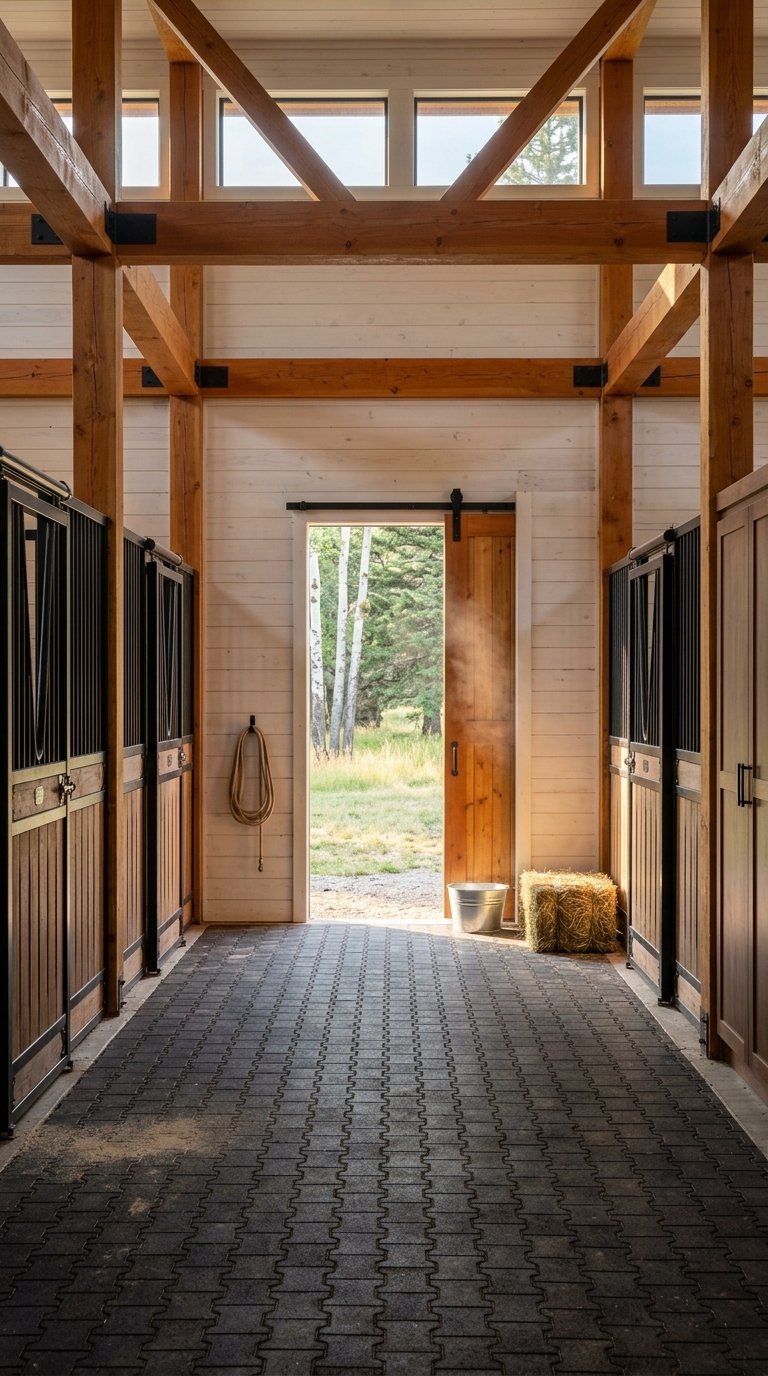
On equestrian or acreage properties, presentation matters as much as compliance. Corrals, tack areas, outdoor storage, stockpiles, and equipment zones should be neat, clearly defined, and ready for photos and tours.
Grading and site condition
In Teton County, site development can include driveways, parking areas, patios, porches, corrals, and other physically developed areas. If work has altered the natural grade or landscape, grading or erosion permits may be required.
Before listing, take a fresh look at disturbed ground, stored materials, and unfinished exterior projects. Even small cleanup steps can help buyers understand the site more clearly and reduce questions about whether work was completed properly.
Roofs and wildfire standards
Wildfire readiness is now part of the conversation across Teton County. As of January 1, 2025, all private land parcels in Teton County and the Town of Jackson fall within the WUI map.
County fire guidance also states that wood shakes and shingles are no longer allowable for any project. New projects need at least 30 feet of defensible space, and existing homes can request a voluntary, non-binding site visit if no new construction is planned.
If roof replacement is part of your pre-listing plan, remember that Teton County requires a building permit for roof replacements. Exterior work also needs to comply with local WUI and ignition-resistant rules.
Present land features with precision
South of Jackson, value often lives in the land as much as the residence. That is why your marketing and seller packet should explain views, access, setbacks, and use rights in a simple, accurate way.
Views and scenic setting
A strong view can be a major selling point, but scenic properties may also have added review standards. Teton County can require a Zoning Compliance Verification for visual resources within the Scenic Resource Overlay.
The Land Development Regulations also call for muted, earthy exterior colors on surfaces visible from scenic roads and require shielded lighting standards. If your property is view-forward, exterior presentation should feel clean and intentional while also reflecting those local requirements.
River access and water-adjacent land
If your property is near the Snake River or another water feature, buyers will want to know exactly what that means. Teton County notes that the Snake River corridor through Jackson Hole runs about 33 miles from Moose to Hoback, and the county manages boat ramps at Wilson and South Park.
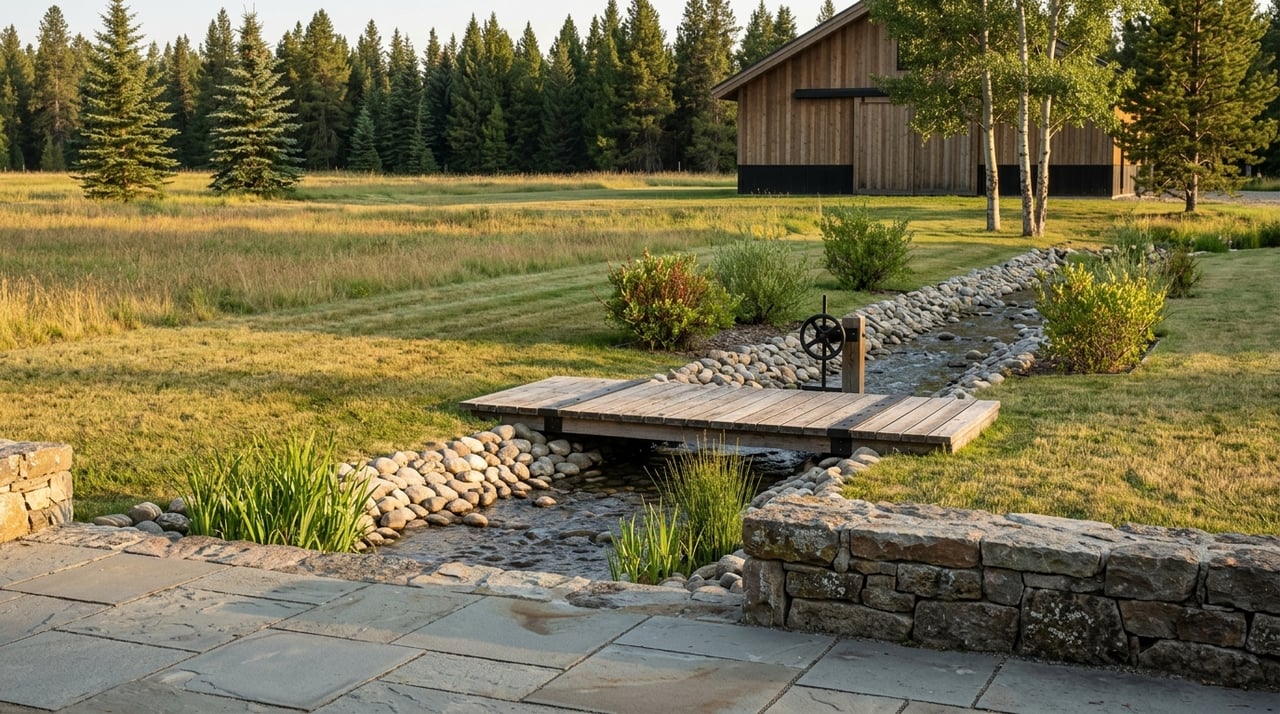
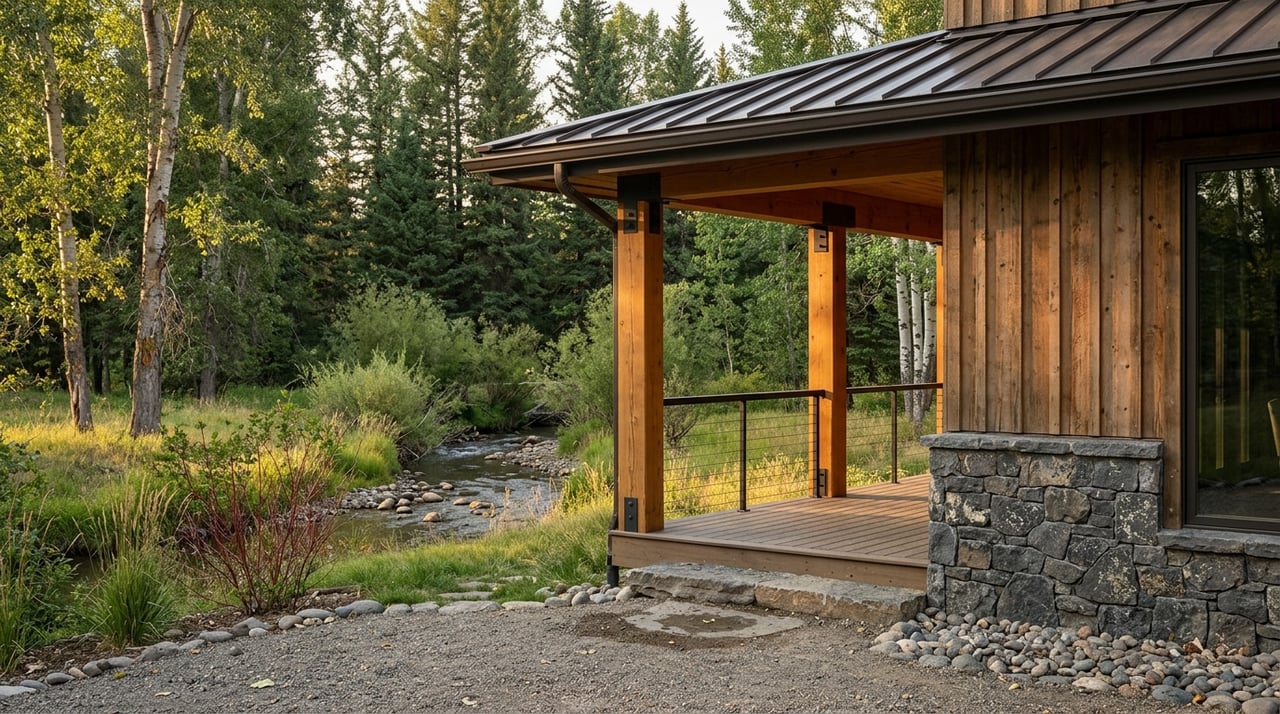
Just as important, setback rules keep rivers, streams, and wetlands free from development, including fences and sewage systems. Sellers should be ready to show where usable areas begin and end, especially on parcels where open space near water may appear larger than the buildable or usable footprint.
Clarity matters here. Be prepared to identify whether any access is deeded, easement-based, club-controlled, or simply nearby rather than attached to ownership rights.
Club and amenity details
If your property is associated with a private club, package the facts carefully. Buyers often want the governing documents, dues structure, guest rules, and whether ownership affects membership eligibility.
For example, Snake River Sporting Club publicly describes membership tiers, homeowner eligibility, initiation fees, annual dues, and guest limits that vary by tier. If your property is tied to a club setting, exact documentation is more useful than broad lifestyle language.
Build a strong seller packet
One of the best ways to prepare your South of Jackson property for market is to assemble a complete seller packet before launching. In a detail-oriented market, that packet helps buyers evaluate the property with confidence.
A practical seller packet may include:
- Recent well test results
- Well permits and water-right documents
- Septic permits and pumping or service records
- Surveys and plats
- Recorded easements
- Fence compliance notes
- Wildfire or defensible-space notes
- Club, HOA, or property-use documents
This matters because Teton County conducts field reviews every six years and also after permits are issued until a project is complete. County records and the property’s current condition should align before the home is shown to buyers.
If pre-listing work will involve grading, fencing, or development limits, remember that county applications are handled through SmartGov, and plan-level grading work requires a pre-application conference. It is usually better to identify these issues early than to discover them during escrow.
Focus on buyer-ready presentation
In this submarket, the strongest listings are often the easiest to understand at a glance. Buyers want to know the condition of the systems, what rights transfer, what county rules apply, and how the property actually functions day to day.
That does not mean overwhelming them with paperwork. It means organizing the right information, cleaning up the site, addressing obvious deferred maintenance, and presenting the property with a clear story grounded in facts.
For higher-value acreage, second homes, and legacy properties, that kind of preparation supports stronger marketing and better conversations from the start. If you are considering a sale, a discreet pre-market review can help you identify where preparation will matter most before your property is introduced to buyers.
If you would like a thoughtful, confidential strategy for preparing your property south of Jackson, connect with Tom Evans Real Estate for a private consultation.
FAQs
What should sellers include in a South of Jackson seller packet?
- A strong seller packet should include well test results, septic permits and service records, surveys, plats, easements, water-right documents, fence or wildfire notes, and any club or HOA paperwork.
What well information matters when selling a South of Jackson property?
- Buyers often expect recent bacteriological test results, well permits, and any related water-right records, especially for properties with acreage or irrigation features.
What septic records do buyers want in Teton County, Wyoming?
- Buyers typically want septic permit documents, pumping history, repair records, and any other available documentation that shows the system has been properly maintained.
What should sellers know about fencing on South of Jackson acreage?
- Teton County has wildlife-friendly fencing standards for new fencing, and buyers may ask whether existing fencing is compliant, modified, or requires additional review.
How should river access be presented for a South of Jackson listing?
- Sellers should clearly document whether access is deeded, easement-based, club-controlled, or simply nearby, and they should be ready to explain setbacks and usable area limits near water.
Do roof and wildfire rules matter when preparing a Teton County property for sale?
- Yes. As of January 1, 2025, all private land parcels in Teton County and the Town of Jackson fall within the WUI map, and roof work must comply with local permitting and ignition-resistant rules.
Written by Ashley DiPrisco, Real Estate Advisor
Jackson Hole Sotheby's International Realty