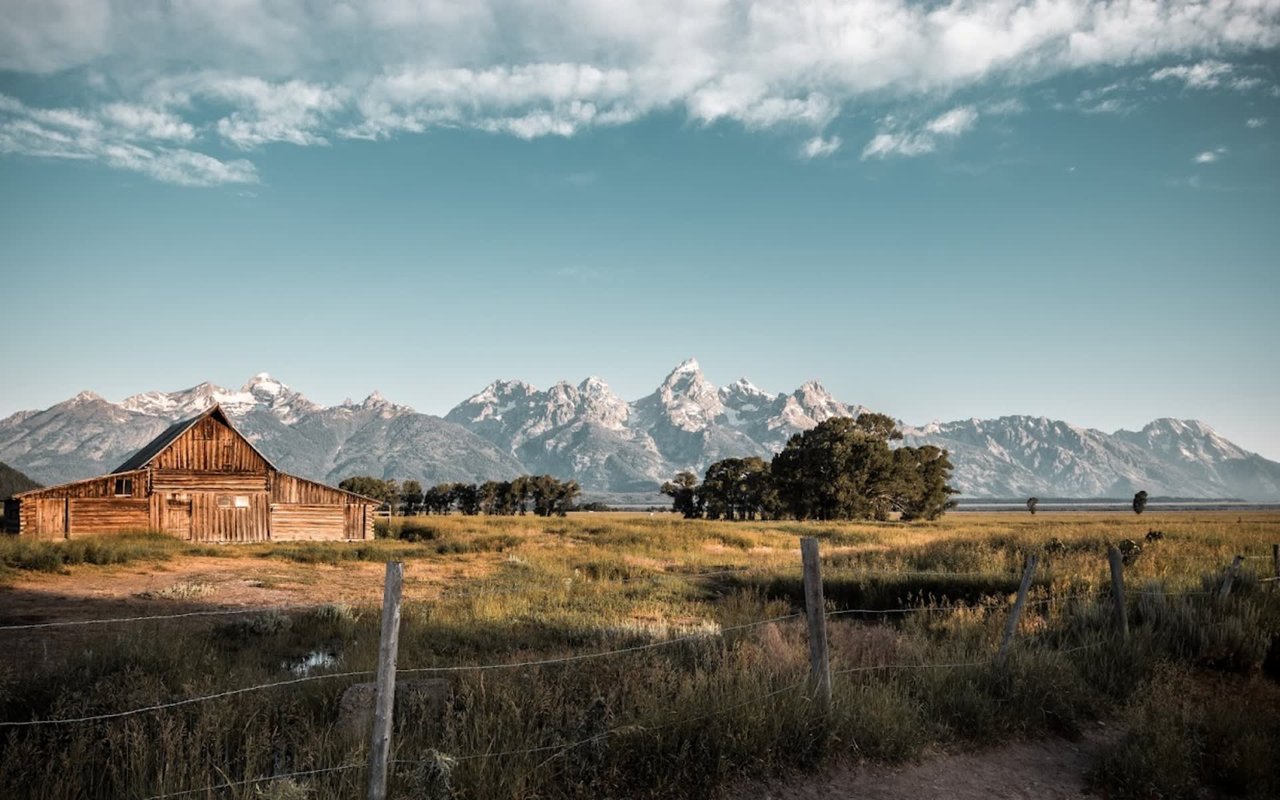
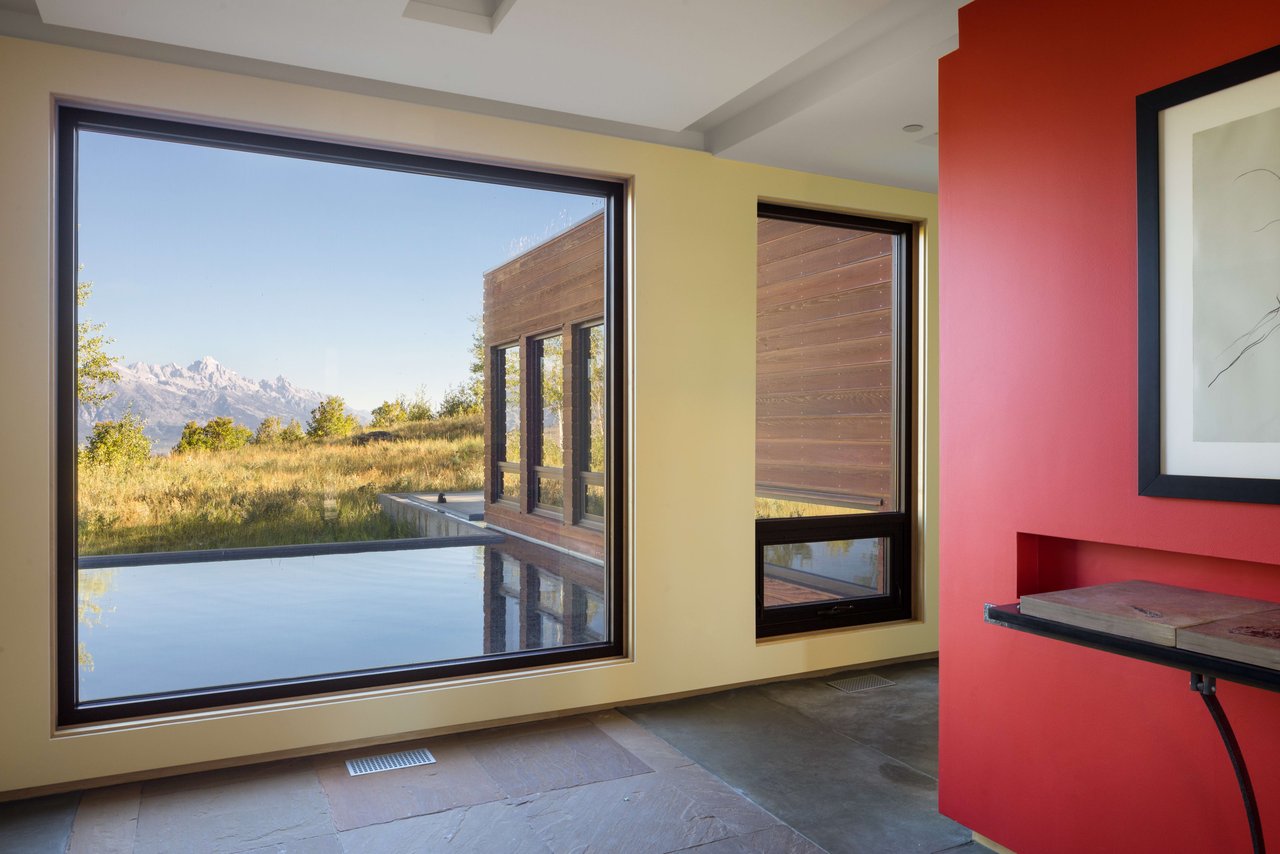
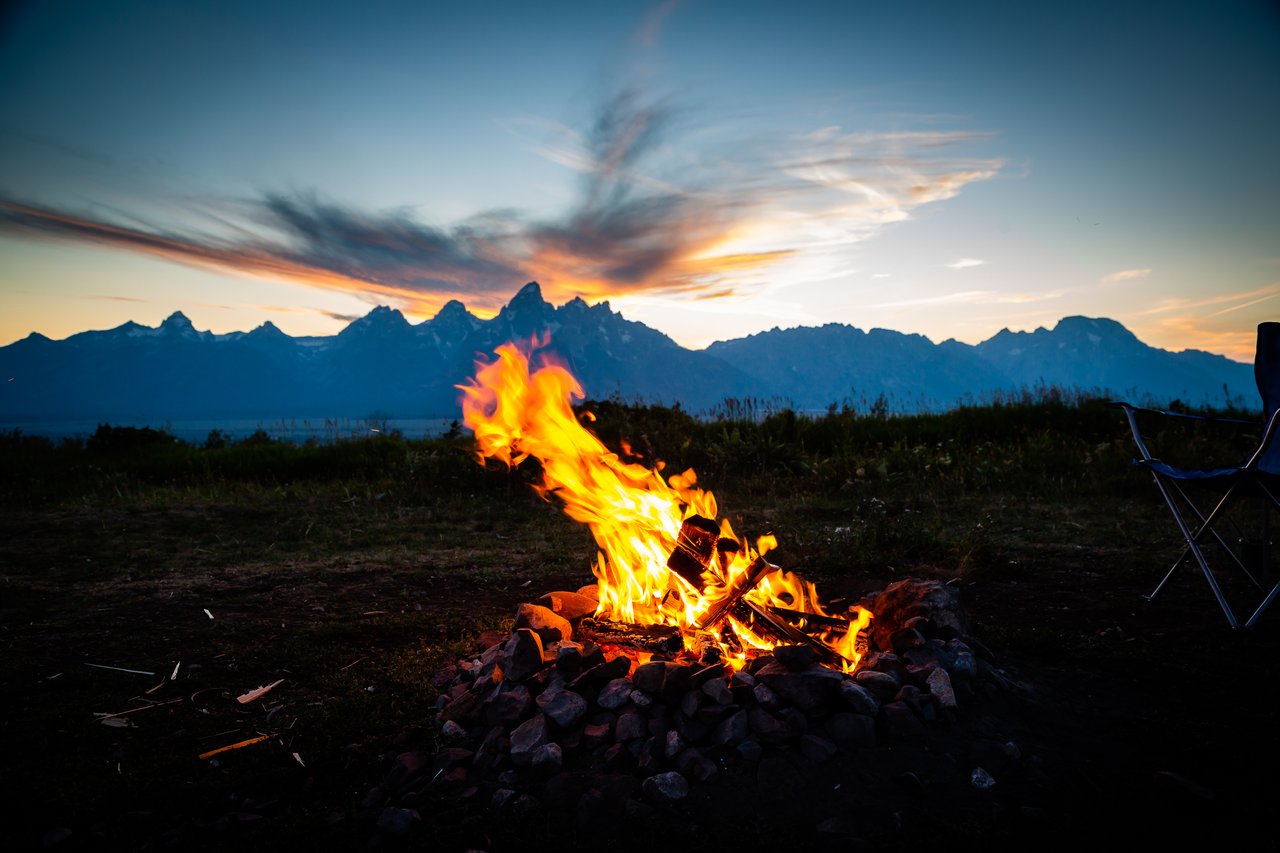
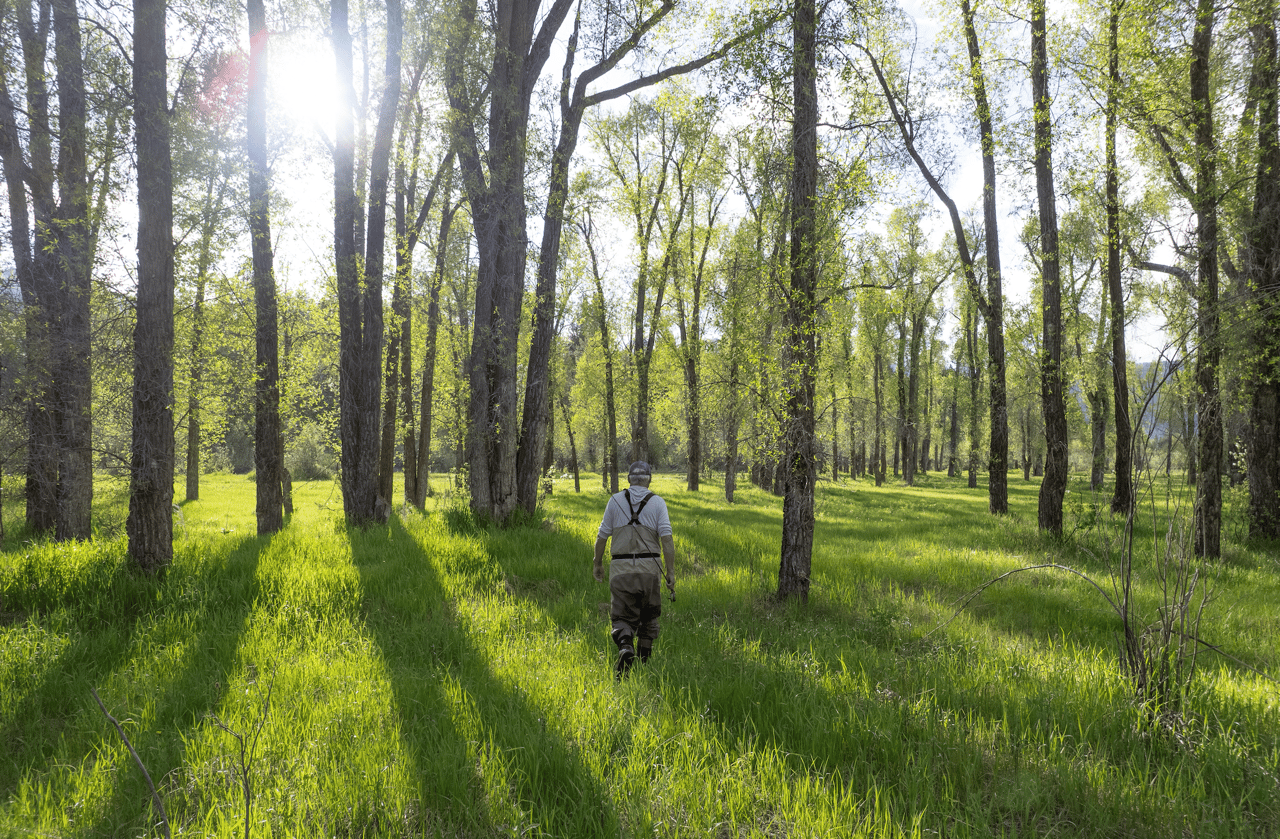
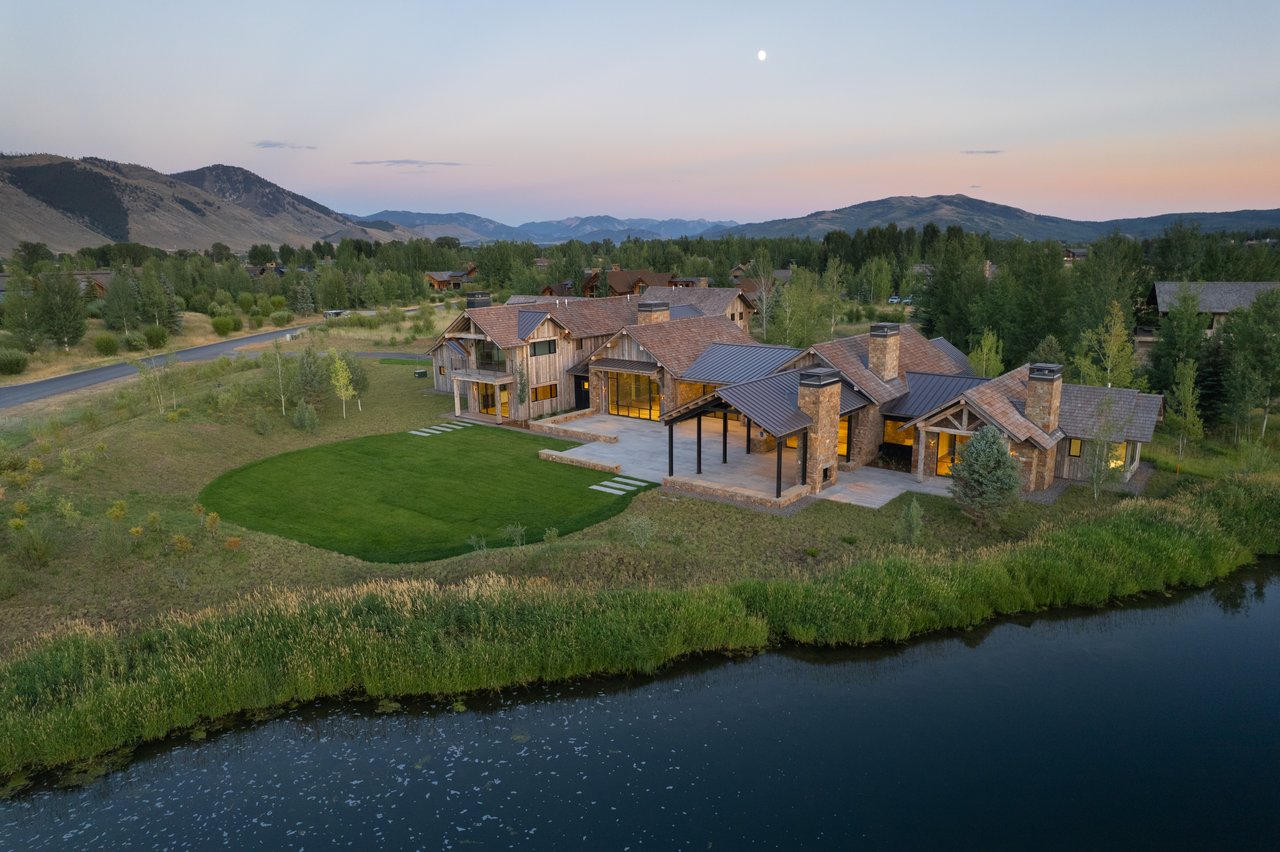
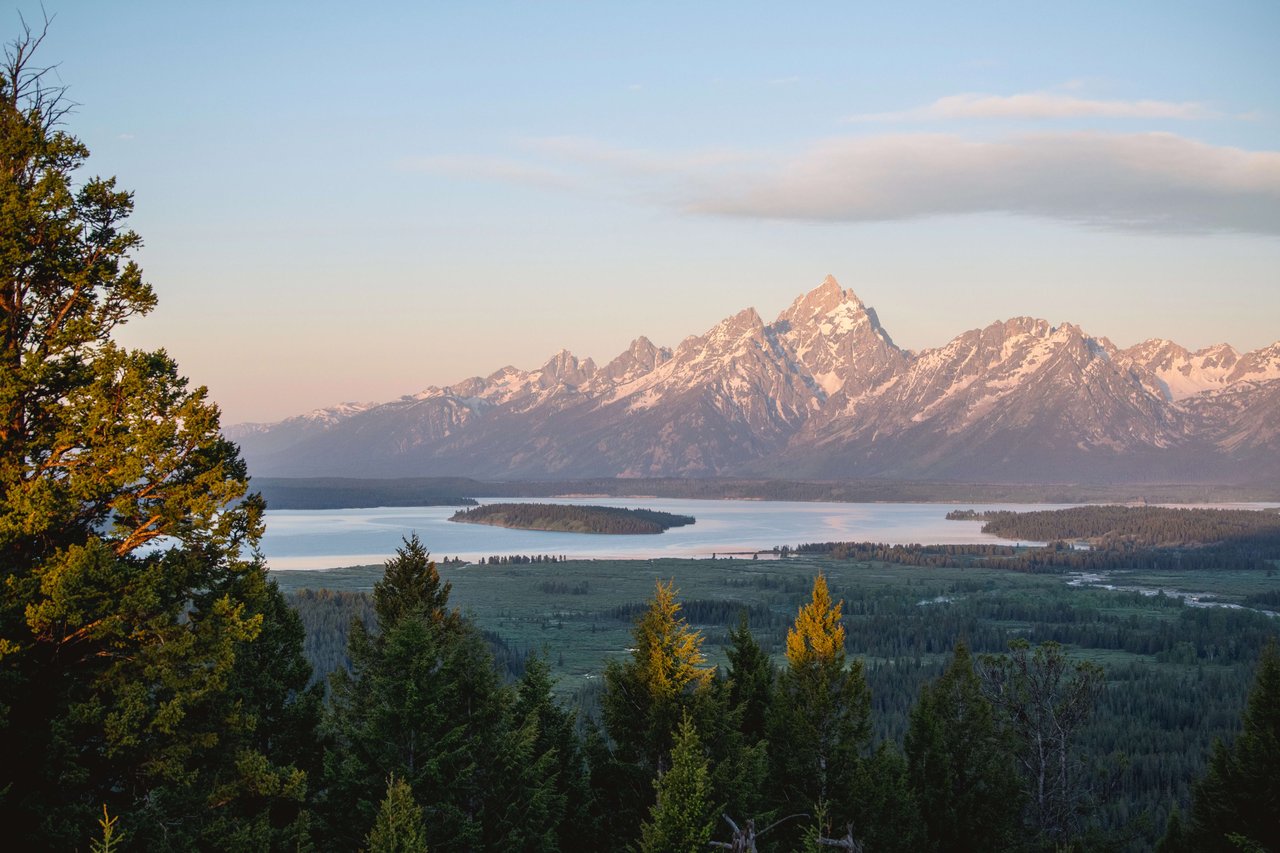
If you want a Jackson Hole home base that stays useful well beyond ski season, West Bank North deserves a closer look. This part of the valley connects you to pathways, trailheads, river access, and resort amenities in ways that support an active routine through much of the year. Whether you are considering a primary residence or a seasonal retreat, understanding how recreation actually works here can help you evaluate daily livability. Let’s dive in.
Why West Bank North Works Year-Round
West Bank North sits within the Wilson, Teton Village, and Jackson corridor, where recreation is tied to real infrastructure rather than just scenery. Teton County identifies a West Bank Pathway Route, and Jackson Hole Mountain Resort notes that the valley includes 56 miles of paved pathways linking Jackson, Teton Village, and Grand Teton National Park, along with 115 miles of mountain bike trails.
That matters because four-season use is not limited to a single destination. In warmer months, you can move between biking, hiking, floating, and resort activities. In winter, the same corridor supports groomed pathways, Nordic skiing, alpine skiing, and other cold-weather recreation.
For buyers looking at West Bank North, this creates a practical lifestyle benefit. You are not choosing between a summer area and a winter area. You are choosing a location with a recreational calendar that shifts with the season while staying active throughout the year.
Pathways Shape Daily Recreation
The pathway system is one of the biggest quality-of-life features in this part of Teton County. Jackson Hole Mountain Resort describes a network that allows riders to travel car-free between Jackson, Wilson, Teton Village, and Grand Teton National Park, making cycling part of everyday movement as well as weekend recreation.
That can make a meaningful difference if you value easy access without needing to drive for every outing. A morning ride, an afternoon errand, or a casual loop from the West Bank can fit naturally into the day. For many owners, that kind of flexibility is as important as marquee recreation.
Winter does not end pathway access. Teton County reports that winter operations clear 26 miles of pathways and 23 miles of sidewalks and connectors, while an additional 5 miles along Highway 390 from Lake Creek to Jackson Hole Mountain Resort are groomed by TCJPR and the resort.
Seasonal improvements are also ongoing. In April 2026, the county listed Downtown Wilson Multimodal Improvements and a Teton Pass Trail Project that would add a 3.6-mile pathway from Trail Creek Campground toward Coal Creek Trailhead, so some routes may see active construction impacts as access continues to improve.
Teton Pass Expands Summer Options
Teton Pass is one of the most important nearby trail systems for West Bank North. According to the U.S. Forest Service, the Teton Pass Trailhead is at the top of Highway 22 out of Wilson and serves as a main access point for Black Canyon Trail #4004 and History Trail #4004D.
The area supports both hiking and biking, which broadens its appeal for owners who want variety close to home. The Forest Service also notes that Teton Pass offers many miles of biking and hiking, along with backcountry skiing and snowmobiling in the appropriate season.
One of the more established routes is the Teton Pass History Trail. The Forest Service says it begins at the summit and runs about four miles east to Trail Creek Trailhead near Wilson, with a typical hiking time of 4 to 5 hours. Snow can begin accumulating by mid-October and linger into June, so timing matters.
If you think of West Bank North as a mountain-biking base, that perspective is supported too. Friends of Pathways maintains the Teton Pass downhill trail system, including Parallel Trail, Jimmy's Mom, Lithium, Candyland, and Powerline Jumps, showing that the pass functions as more than a highway corridor.
Snake River Access Adds Warm-Season Range
The Snake River adds another layer to the area’s warm-season appeal. Teton County describes the river corridor through the county as roughly 33 miles from Moose to Hoback, supporting boating, fishing, and riverside recreation.
For West Bank North, Wilson access is especially relevant. Teton County Parks & Recreation manages the Wilson and South Park boat ramps, and the county states that the summer season typically runs from May 1 to October 31, weather permitting. The Wilson Boat Ramp is located off Moose-Wilson Road next to R Park in Wilson.
This kind of river access can shape a full day outdoors. You might start with a pathway ride, spend midday on a trail, and finish with a float in the evening. In a valley where public and private land meet closely, Teton County’s Snake River map app is also a useful planning tool because it shows access points, hazards, river flow data, weather, and recreation easements.
Teton Village Keeps Summer Active
Jackson Hole Mountain Resort helps anchor summer recreation on the West Bank side of the valley. The resort lists hiking, scenic tram and gondola access, bike park riding, via ferrata, and family-oriented activities in Teton Village.
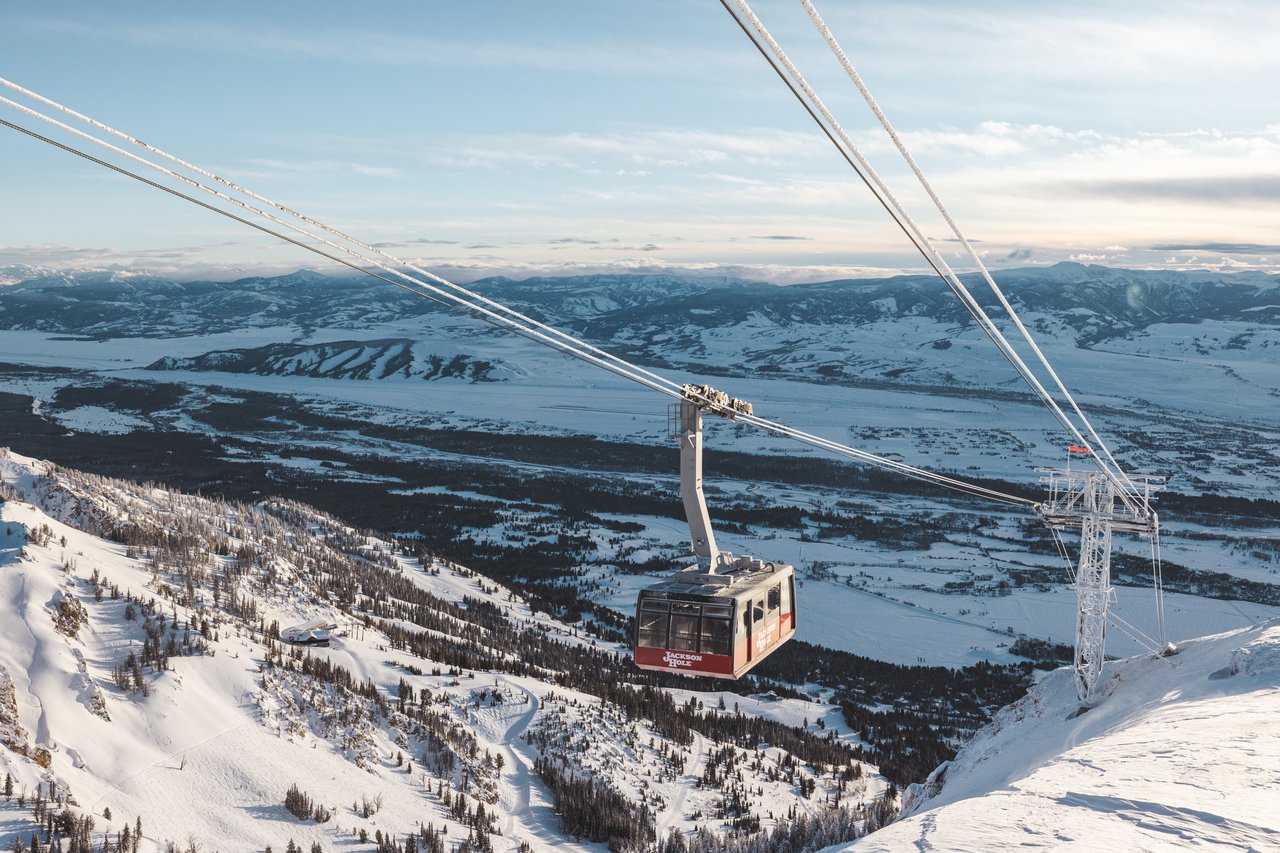
The resort’s Aerial Tram rises 4,139 vertical feet, which helps explain why Teton Village remains a true day-use hub even if you live farther down valley. You can access elevation, views, and mountain activities without committing to a long backcountry day.
For buyers considering second-home use, this variety can be especially appealing. Not every outing needs to be highly technical or all-day in length. Teton Village supports everything from lift-assisted hiking to a casual afternoon built around scenery and dining.
Winter Recreation Goes Beyond Skiing
West Bank North stays active after snowfall because winter use is spread across several types of recreation. Teton County says seasonal grooming generally runs from December 15 to March 15, with grooming scheduled Tuesday through Saturday, and the department grooms 68.5 miles of trails and pathways weekly in the Town of Jackson and Teton County.
That broad grooming effort supports more than point-to-point access. It helps create repeatable winter routines, whether you want a walk, a bike ride on groomed surfaces, or a more structured ski outing. The Highway 390 corridor toward the resort is part of that winter network.
For many owners, this is what makes the West Bank practical. You do not need to treat winter recreation as a special event every time. In the right conditions, it can remain part of your weekly rhythm.
Nordic Skiing Near Wilson
For Nordic skiers, Teton Pines is a notable winter anchor in the Wilson area. Its club materials list Nordic skiing among member benefits, and its lifestyle information states that the club maintains 16 kilometers of groomed skate and classic trails in winter.
That makes Teton Pines particularly relevant for buyers who want consistent, close-to-home winter exercise. Rather than driving across the valley for every outing, you have a nearby option that supports regular laps and a predictable routine.
It is best understood as a club-based amenity rather than a public park. For the right buyer, though, that structure may be part of the appeal, especially when evaluating how a property supports day-to-day use in winter.
Jackson Hole Mountain Resort Anchors Alpine Season
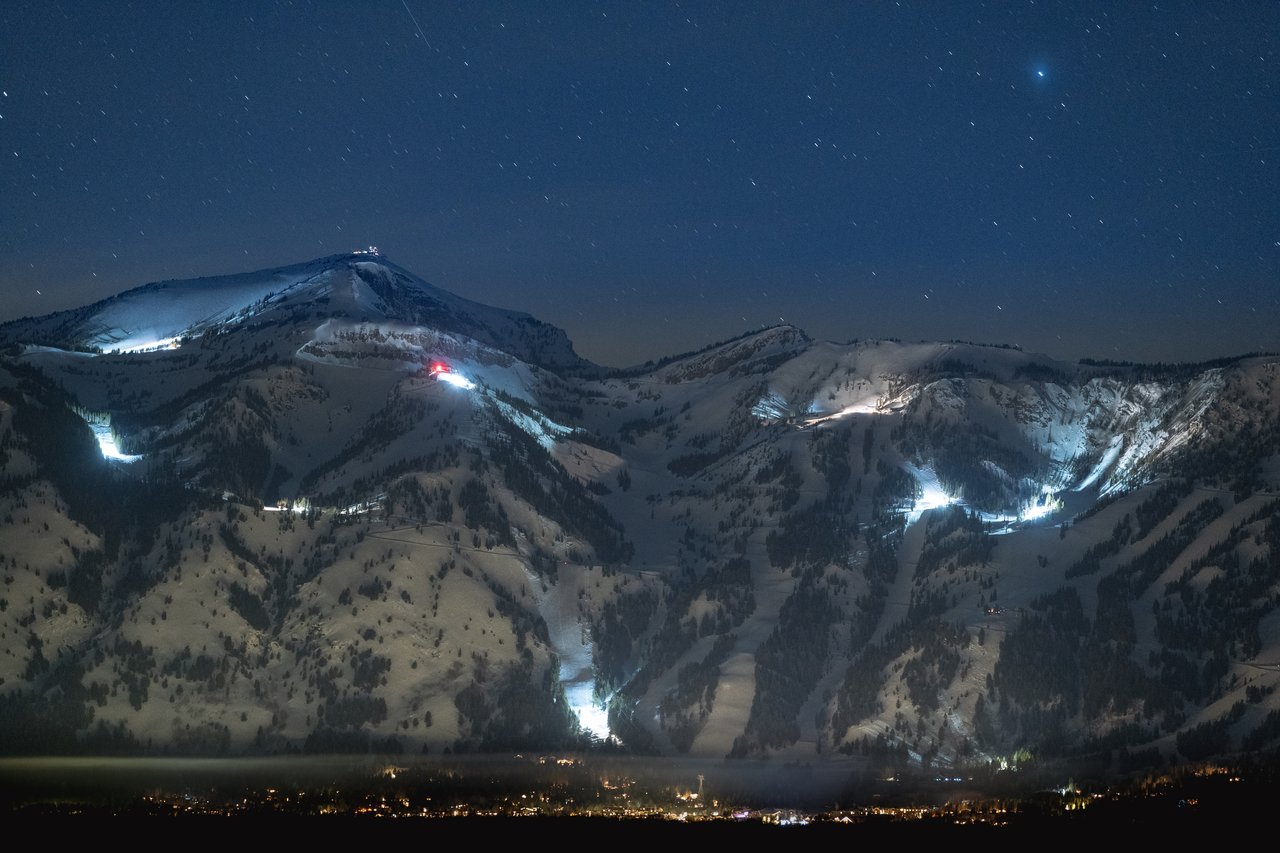
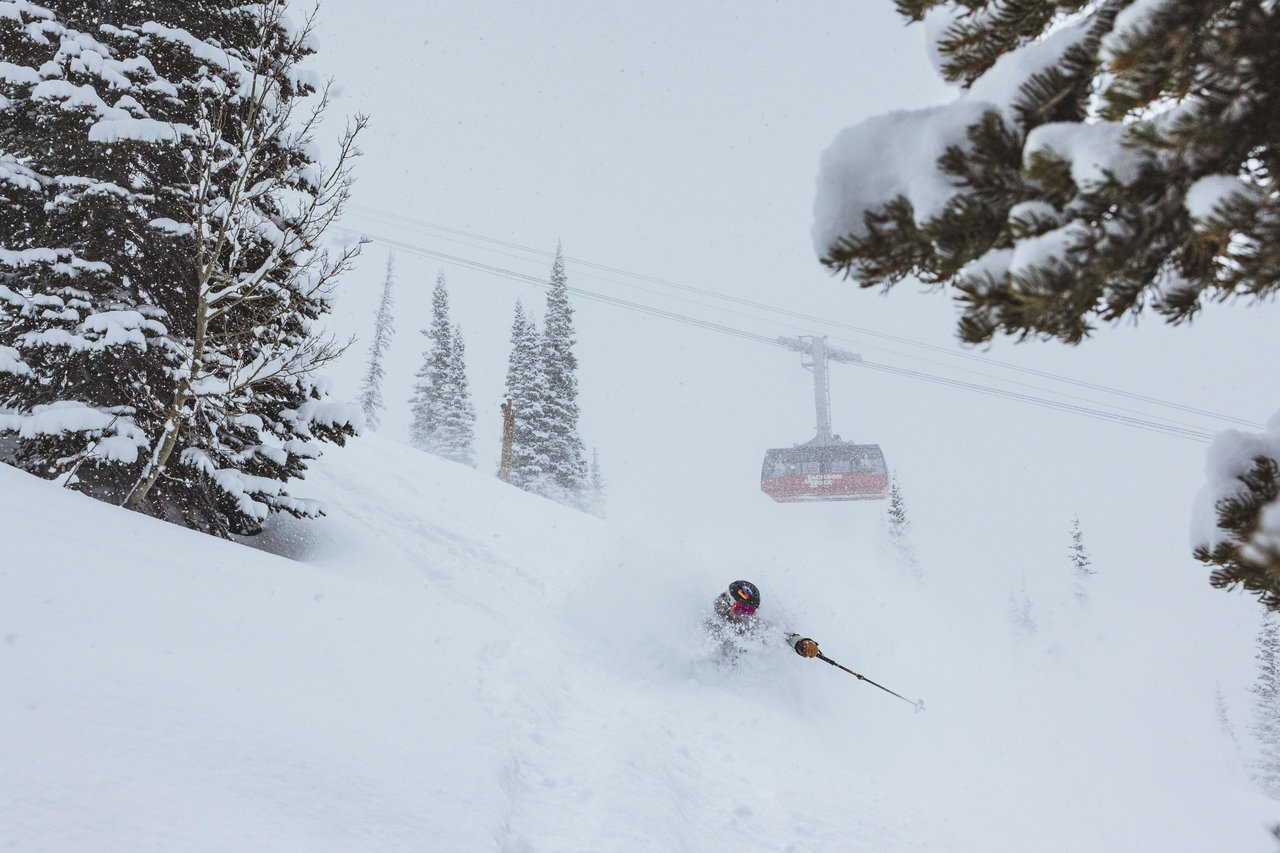
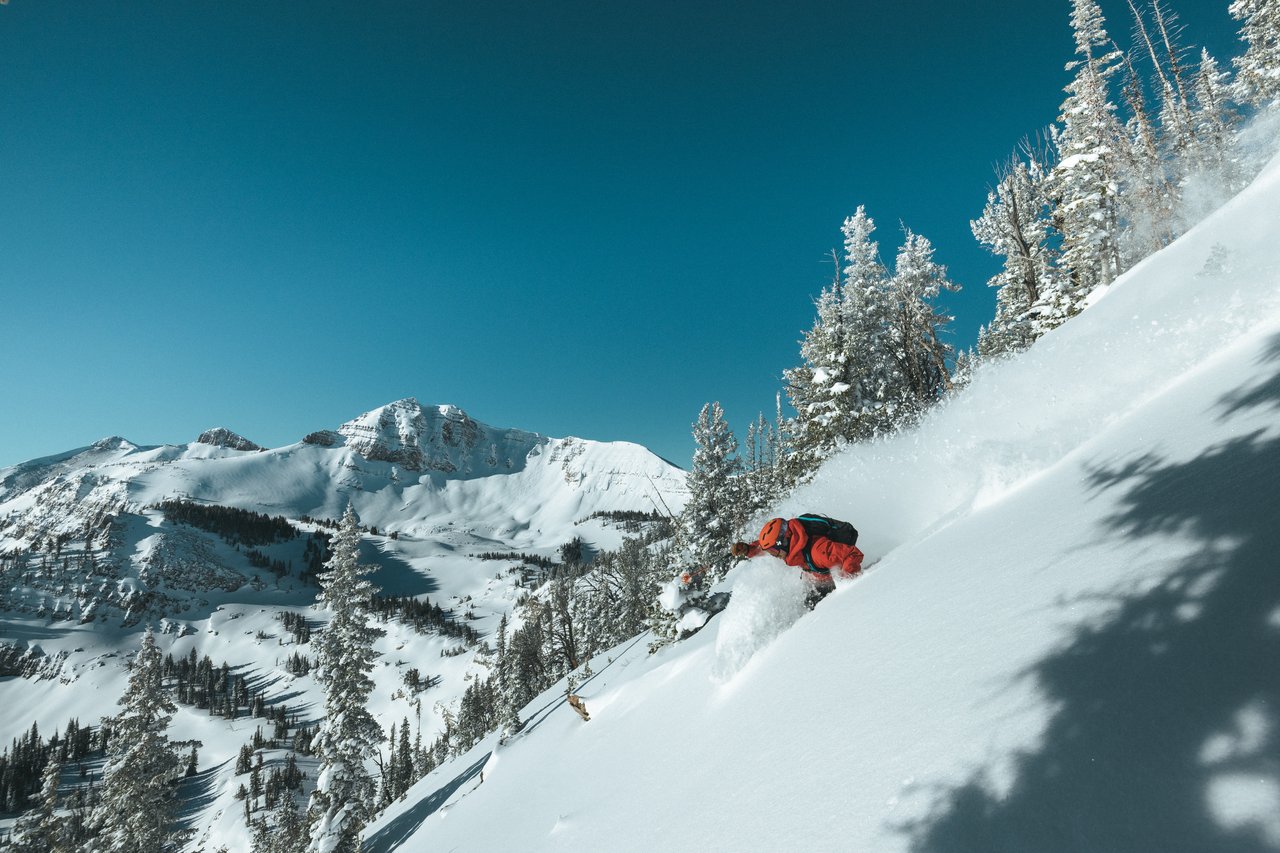
For alpine skiing and broader winter recreation, Jackson Hole Mountain Resort remains the central draw. The resort says its winter mountain includes more than 130 named trails, 13 lifts, and a 4,139-foot vertical drop.
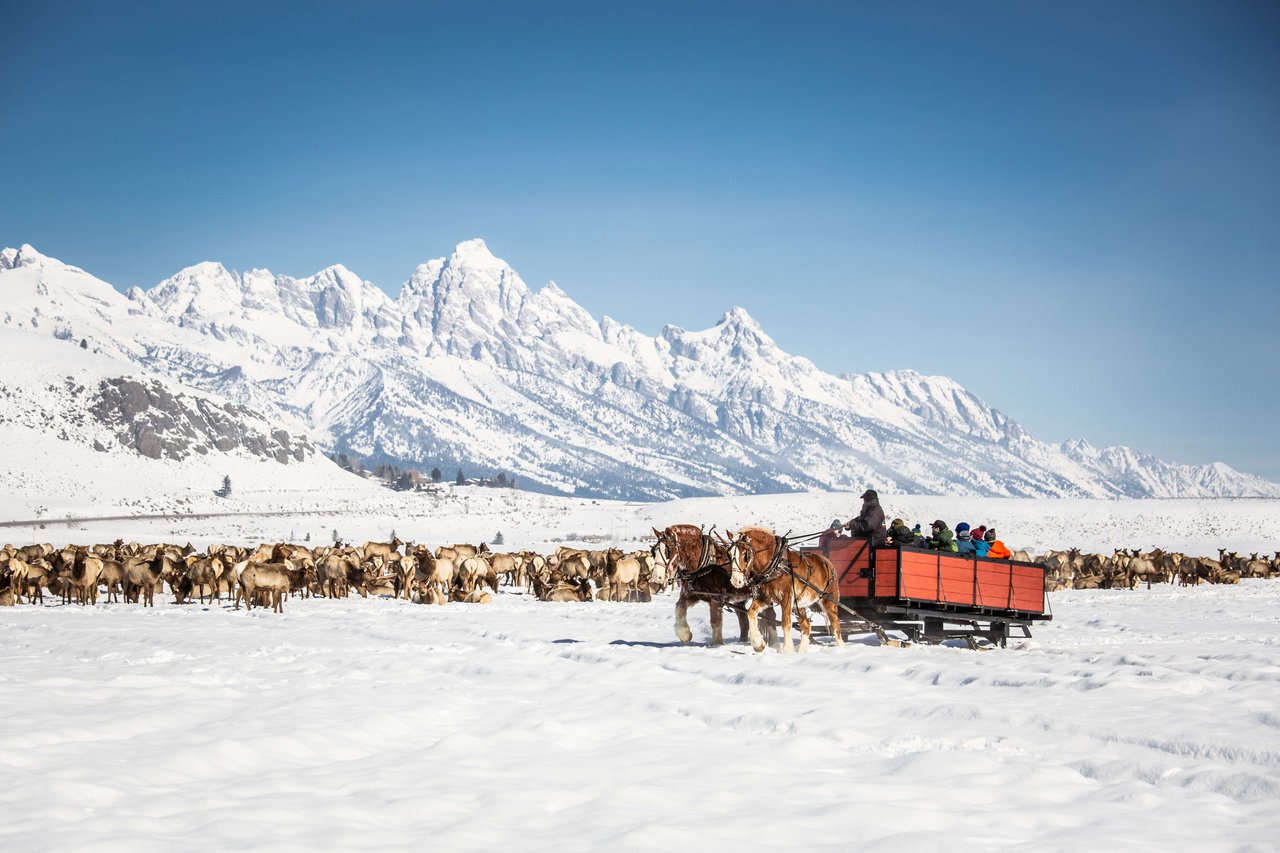
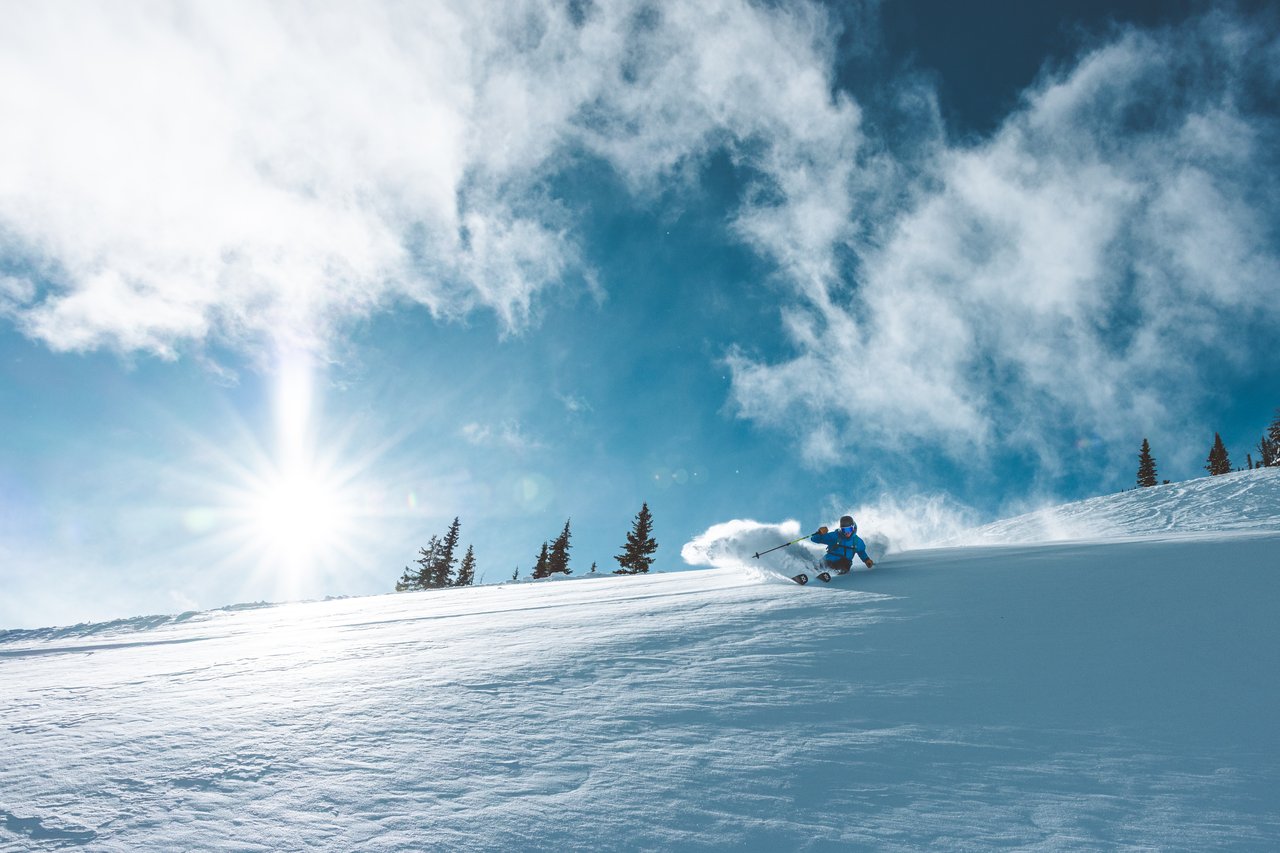
The resort also promotes snowshoeing, sleigh rides, ice skating, cross-country skiing, and winter bike tours. That means the winter experience in this area is not limited to expert skiers or full-day downhill plans.
If you are evaluating a West Bank North property for second-home use, this range matters. Different guests, age groups, and comfort levels can all find viable winter activities within the same corridor.
Teton Pass Remains a Winter Zone
Teton Pass continues to play a role in winter, but with a different set of considerations. The U.S. Forest Service identifies it as a premier winter destination while also warning that snow can start as early as mid-October and persist into June.
That makes pass access more weather-sensitive and avalanche-sensitive than valley-floor recreation. In practical terms, it is a strong recreational asset, but one that requires attention to conditions and timing.
For buyers, this is part of a larger point about West Bank North. The area offers layers of recreation, from more predictable valley-floor options to higher-consequence mountain terrain, allowing you to match activity to season and conditions.
What a Real Day Can Look Like
One of the best ways to understand West Bank North is to picture how activities can combine in a single day. In summer, a realistic plan might include a paved ride on the pathway network, a Teton Pass hike or resort lift-assisted outing, and a Snake River float in the late afternoon.
In winter, the same location can support Nordic laps, alpine skiing at Jackson Hole Mountain Resort, and a walk or ride on groomed pathways. County winter operations, Teton Pines, and the resort’s winter programming all support that kind of mix.
This is the real value of four-season recreation here. The options are not isolated from one another. They are connected closely enough that outdoor time can feel integrated into daily life rather than saved only for weekends or special trips.
Why This Matters for Property Decisions
When you evaluate West Bank North real estate, recreation is not just a lifestyle bonus. It is part of how the area functions. Access to pathways, trailheads, the river corridor, Teton Village, and winter grooming helps shape how often and how easily you can use the landscape around you.
That can be especially important for buyers seeking a second home or long-term retreat in Jackson Hole. You may be looking for privacy, design, and setting, but also for a place that performs well across the calendar. In West Bank North, the strongest takeaway is simple: the use pattern is seasonal, but the area is not single-season.
If you are exploring West Bank North or comparing it with other Jackson Hole locations, a discreet conversation about access, setting, and property fit can help clarify the options. To start that conversation, contact Tom Evans Real Estate.
FAQs
What makes West Bank North a four-season recreation area?
- West Bank North connects to pathways, Teton Pass trail access, Snake River access, Nordic skiing, alpine skiing, and resort activities, giving you recreation options throughout the year.
How many paved pathways serve the West Bank corridor?
- Jackson Hole Mountain Resort says the valley includes 56 miles of paved pathways linking Jackson, Teton Village, and Grand Teton National Park.
Is pathway access available in winter near West Bank North?
- Yes. Teton County says winter operations clear 26 miles of pathways and 23 miles of sidewalks and connectors, with another 5 miles groomed along Highway 390 toward Jackson Hole Mountain Resort.
What summer recreation is close to West Bank North?
- Nearby warm-season options include pathway biking, mountain biking on Teton Pass, hiking, river floating, boating access from Wilson, and summer activities in Teton Village.
Where can you access the Snake River near Wilson?
- Teton County Parks & Recreation manages the Wilson Boat Ramp off Moose-Wilson Road next to R Park in Wilson, with a summer season that typically runs from May 1 to October 31, weather permitting.
What winter recreation is available near West Bank North besides downhill skiing?
- In addition to alpine skiing, the area supports Nordic skiing, groomed pathway use, snowshoeing, sleigh rides, ice skating, cross-country skiing, and winter bike tours.
Does Teton Pass offer recreation in both summer and winter?
- Yes. The U.S. Forest Service says Teton Pass supports hiking and biking in warmer months and also serves as a winter recreation destination, though winter access is more weather- and avalanche-sensitive.
Why does four-season recreation matter when buying in West Bank North?
- It helps you understand how a property may function in daily life, not just how it looks on a map, especially if you want a Jackson Hole home base that stays active across multiple seasons.