Buying or designing a home site in Jackson Hole raises an immediate question: exactly where can you build. The answer lives inside the building envelope, a simple outline on paper that carries major design, cost, and timing consequences. If you understand the envelope early, you can protect views, plan for utilities, and avoid delays. This guide explains how building envelopes work in Teton County, what shapes them, and the due diligence steps you should take before you commit. Let’s dive in.
Building envelopes, defined
A building envelope is the specific portion of a lot where structures and most site improvements are allowed. It is set to protect public health and safety, neighbors, environmental resources, and community design standards. In practical terms, it dictates where you can place the house, driveway, septic, well, and utilities.
Key elements that define an envelope include:
- Setbacks from lot lines, roads, streams, wetlands, or habitat areas.
- Limits on building footprint, lot coverage, and overall height.
- Buffers for riparian areas, wetlands, slopes, geologic hazards, or avalanche zones.
- Recorded constraints such as subdivision plats, conservation easements, and CC&Rs.
The envelope is often the single most important factor shaping a site’s buildability, orientation, and construction staging.
What shapes envelopes in Teton County
Local rules come from the Teton County and Town of Jackson Land Development Regulations, which set zoning, setbacks, and design standards. Recorded subdivision plats, private covenants, and conservation easements can further narrow where you can build. State requirements for wells and septic, and federal or state rules tied to wetlands or wildlife, may also apply.
On many parcels, environmental features strongly influence the envelope. Wetlands, riparian buffers, floodplains, mapped wildlife habitat, steep slopes, and known geologic hazards can exclude portions of a lot from development. Driveway access, road setbacks, and sight-distance needs also affect where a buildable area can realistically sit.
How envelopes are set and recorded
For most properties, the envelope is shown on a recorded subdivision plat or final site plan. Planned Unit Developments and other conditional approvals can establish site-specific envelopes and conditions. Conservation easements or deed restrictions may set stricter limits than zoning and are recorded and enforceable.
Once an envelope is recorded, it becomes part of the public record. In some zones, planning staff or a design review board will confirm an envelope during permitting, and the result may be recorded as a condition of approval.
How to confirm an envelope on a parcel
The definitive source is the recorded plat or final site plan filed with the County Recorder. Title reports and recorded deeds, CC&Rs, and any conservation easements will show private restrictions. County GIS mapping is useful for an initial look at parcel boundaries and constraints, but you should always verify against recorded documents.
North-of-Jackson nuances to consider
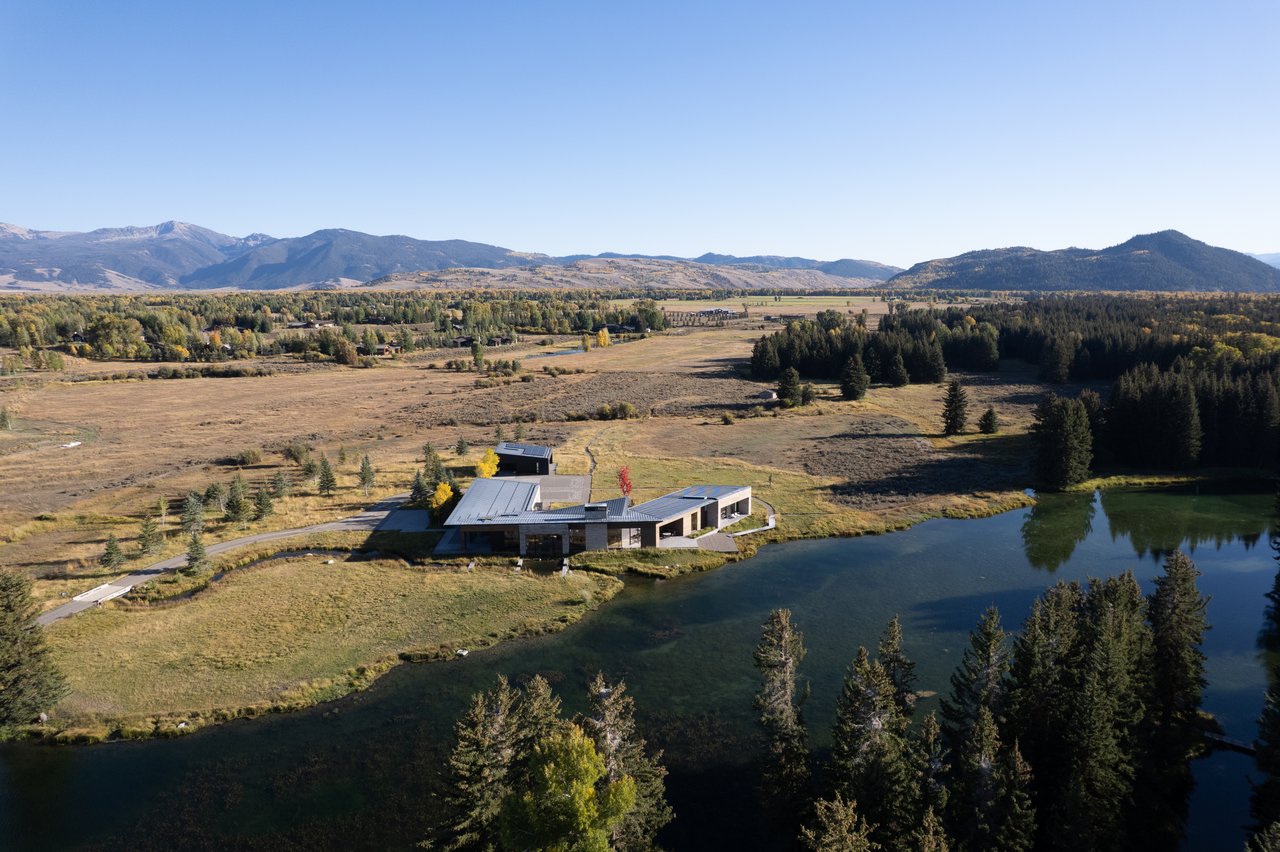
Parcels north of town often combine prime views with sensitive resources. Mapped wildlife habitat and migration corridors are common, and project review tends to limit impacts in these areas. Wetlands and riparian buffers near streams can narrow buildable areas, and slope or geologic hazards may further shape siting and driveway alignments.
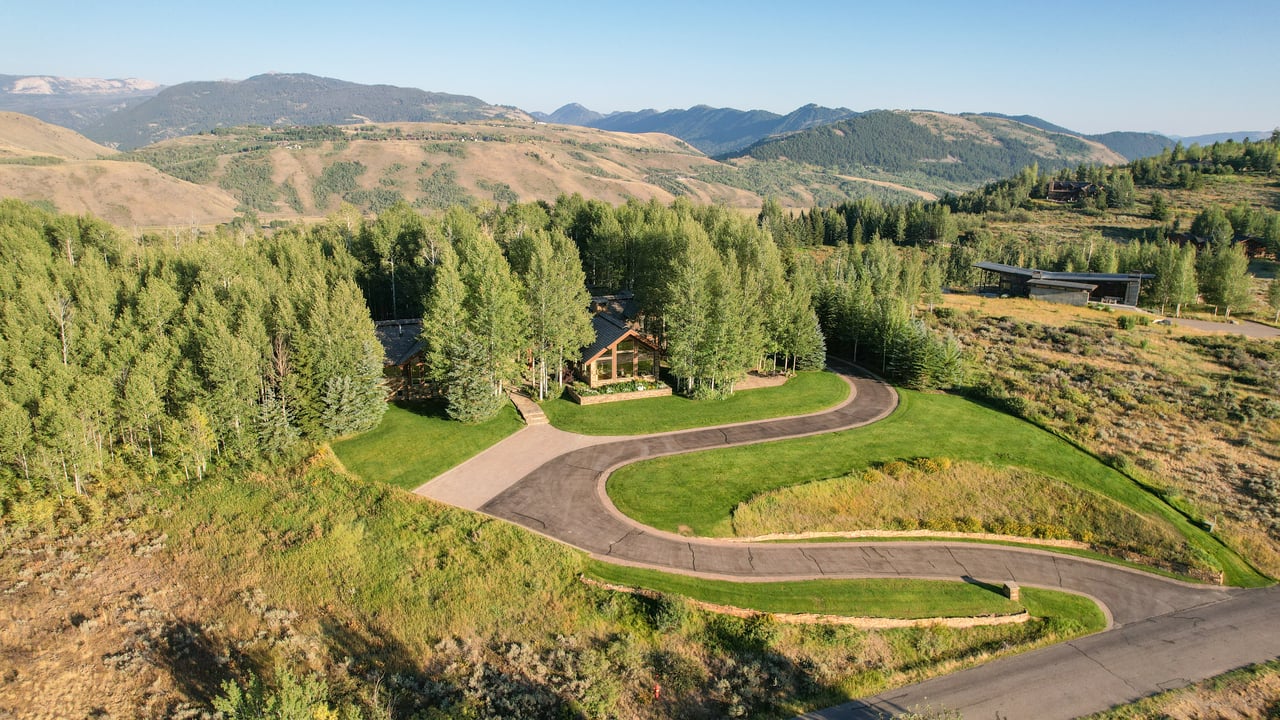
Scenic and ridgeline protections, along with subdivision-level design controls, can influence massing and height within the envelope. If your goal is to optimize views and solar gain, plan early siting studies within the recorded envelope so you understand tradeoffs before design commitments.
Design, cost, and timeline impacts
Your envelope influences where living spaces, garages, outdoor rooms, and service areas can go. A tighter envelope can push the house into less optimal orientations or require stepped massing to manage height and views.
Costs can rise if the envelope forces construction on steeper ground, lengthens the driveway, or complicates utility runs. Septic and well feasibility is critical. If a drainfield or well separation cannot fit within the envelope, you may need engineered systems, which add cost and permitting complexity.
From a timing perspective, parcels with clear, recorded envelopes that align with current regulations tend to move more smoothly. If you need to change an envelope or seek variances, expect added time, review, and uncertainty.
Due-diligence checklist
Do these items early, ideally before you go under contract.
Pre-offer checks
- Obtain the recorded plat and any envelope map from the County Recorder or via the title company.
- Review the parcel in the Teton County GIS to screen for floodplain, wetlands, slope, and wildlife layers, then verify with recorded documents.
- Order or review a current ALTA/Boundary survey with topography, existing improvements, and the recorded envelope.
- Request a zoning compliance letter or hold a pre-application meeting with Teton County Planning or the Town of Jackson if applicable.
Technical feasibility
- Confirm septic and well siting with a local civil engineer or septic designer familiar with Wyoming standards.
- Commission a geotechnical study for steep or hazard-prone sites.
- If near water, obtain a wetlands or stream delineation and review FEMA flood maps; expect buffers to limit options.
Design and permitting strategy
- Create early architectural siting studies within the envelope to test views, sun, driveway, and septic locations.
- Meet with local planning or design-review staff to identify likely issues such as ridgeline, scenic, wildlife mitigation, or materials.
- Review CC&Rs, HOA rules, and any conservation easement requirements for added controls and approvals.
If the envelope is limiting
- Explore formal amendments such as replats or variances, understanding they require public notice, agency review, and can be denied.
- Consider off-site or engineered solutions for septic, utility, or access needs, recognizing the added permitting and cost.
Can you change an envelope
Sometimes. Moving or enlarging a recorded envelope typically requires a formal process through the county or town, and possibly approvals from easement holders or HOAs. Plan for public notice, neighbor input, and a realistic chance of added mitigation or conditions.
A trusted path forward
If you are planning a custom build or evaluating a complex parcel, centering your analysis on the recorded building envelope is essential. Verify it early, test siting options within it, and align your architecture and budget with what is truly feasible. For discreet guidance on conservation-sensitive or high-value properties in Jackson Hole, connect with Tom Evans Real Estate for a confidential consultation tailored to your goals.
FAQs
What is a building envelope in Teton County
- It is the defined portion of a lot where structures and most site improvements are allowed, shaped by local regulations, recorded plats, easements, and site constraints.
How do I find the official envelope for a parcel
- Check the recorded plat or final site plan with the County Recorder and review the title report; use County GIS maps only as an initial screening tool.
Can a recorded building envelope be moved or changed
- Sometimes, but it usually requires a formal replat or variance process with public notice and approvals, and consent from any easement or CCR holders.
Does a building envelope guarantee I can build as planned
- No. You must still meet zoning, design review, septic and well regulations, and any private or easement restrictions that apply to the property.
How do conservation easements affect where I can build
- Conservation easements often define or further restrict building envelopes and can be stricter than county zoning; they are recorded and enforceable by the easement holder.
How do envelopes influence views and solar orientation
- They may limit placement that would capture the best views or sun; early siting studies within the envelope help quantify tradeoffs and shape the design response.
Information contained herein is to the best of our knowledge, however, Buyer/Seller is advised to conduct his/her own due diligence to verify any and all matters deemed of importance to Buyer/Seller.
Written by Ashley DiPrisco, Real Estate Advisor
Jackson Hole Sotheby's International Realty