Are you looking for a part of Jackson Hole that feels quiet and grounded, yet still connected to daily essentials? West Bank South stands out for exactly that balance. If you are considering a move, a second home, or simply want a clearer picture of life in this part of the valley, this guide will walk you through what everyday living here really looks like. Let’s dive in.
West Bank South at a Glance
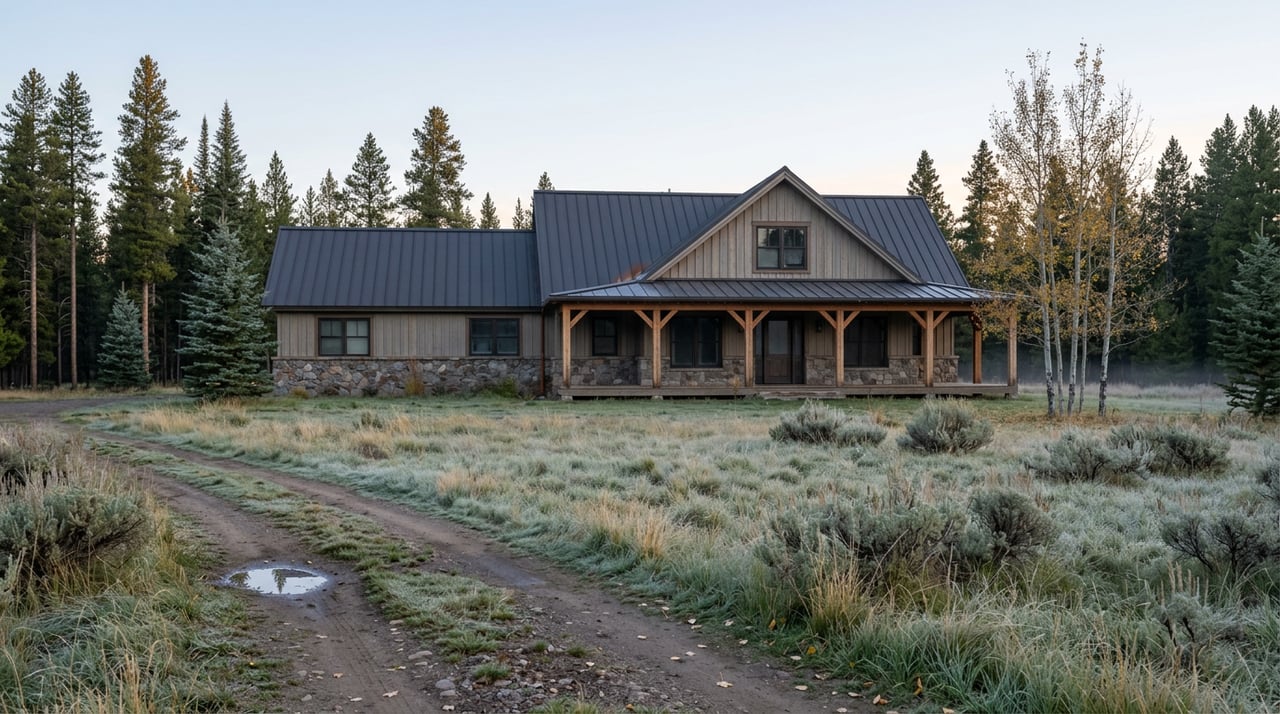
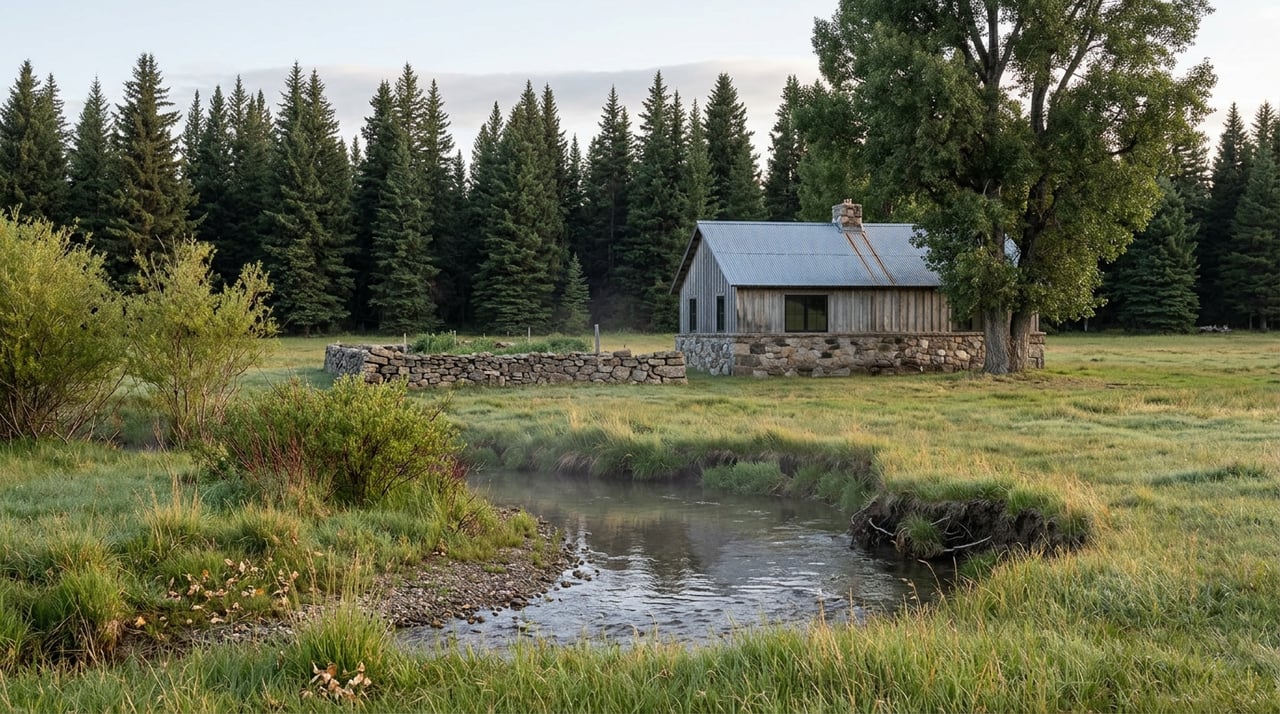
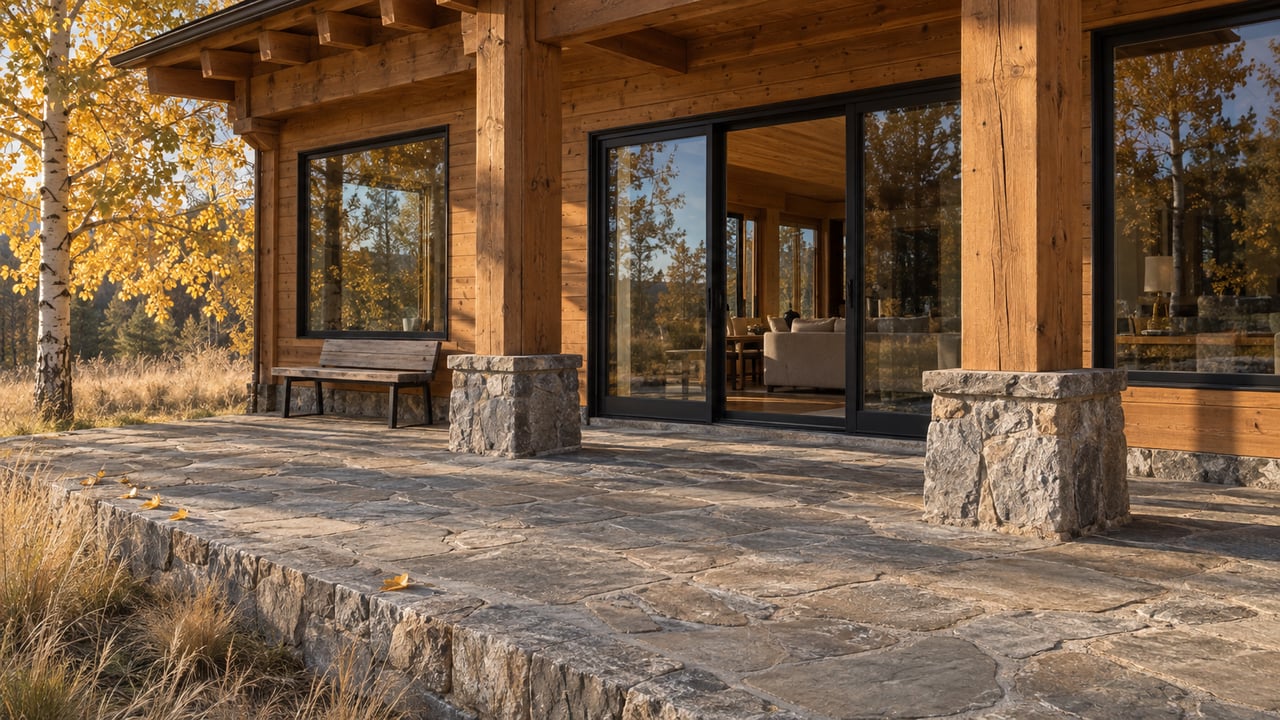
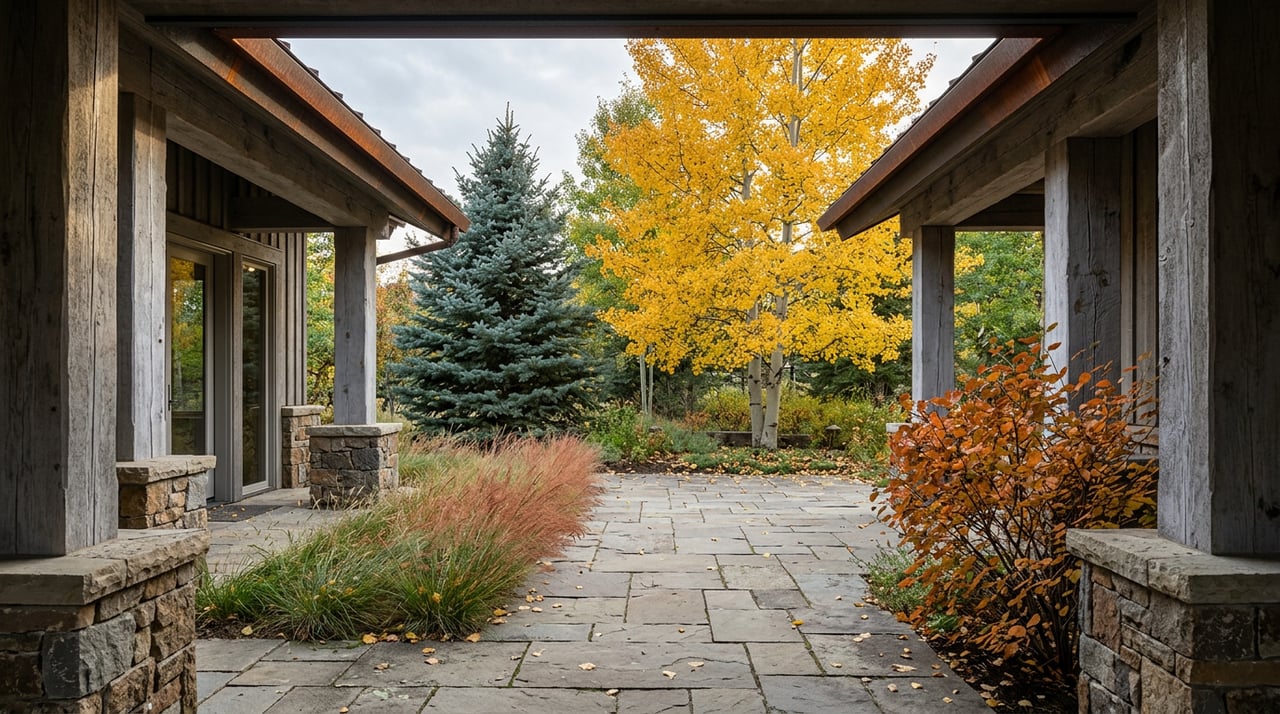
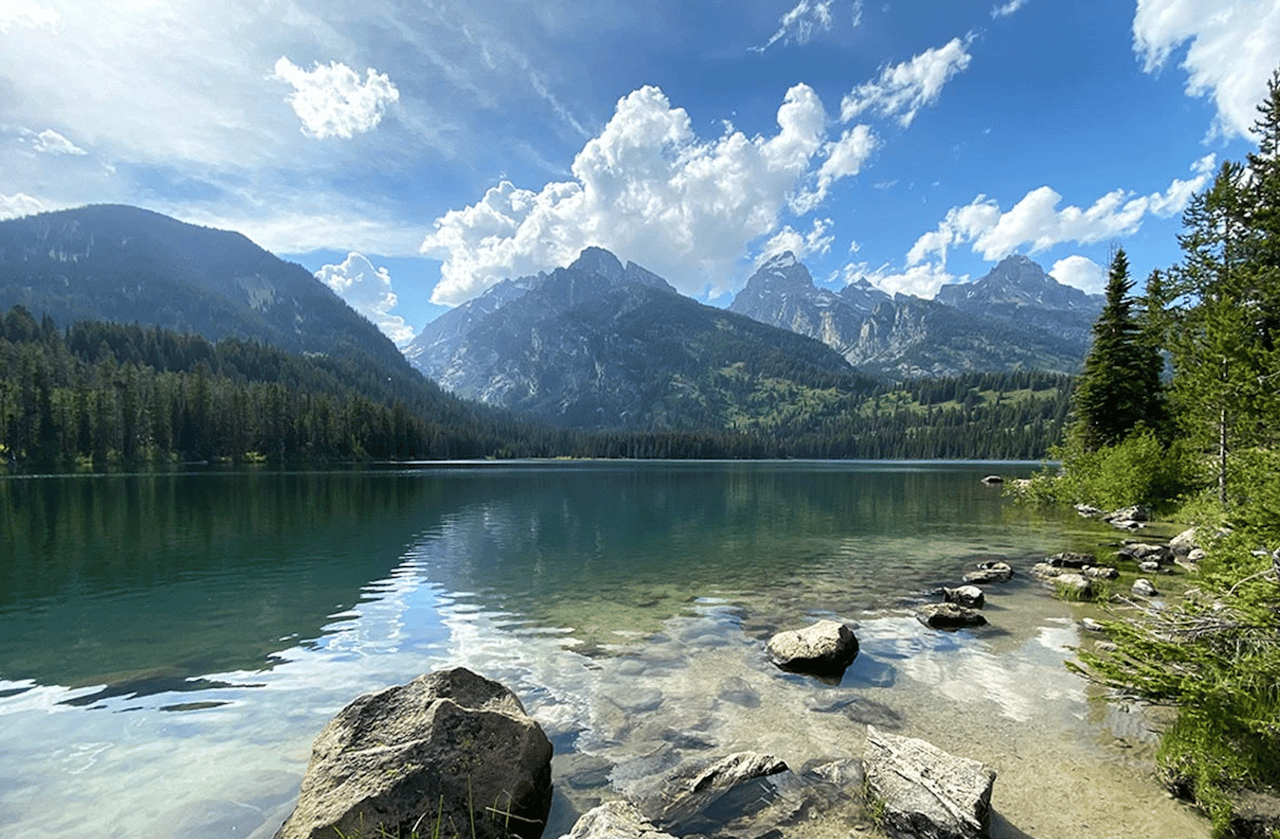
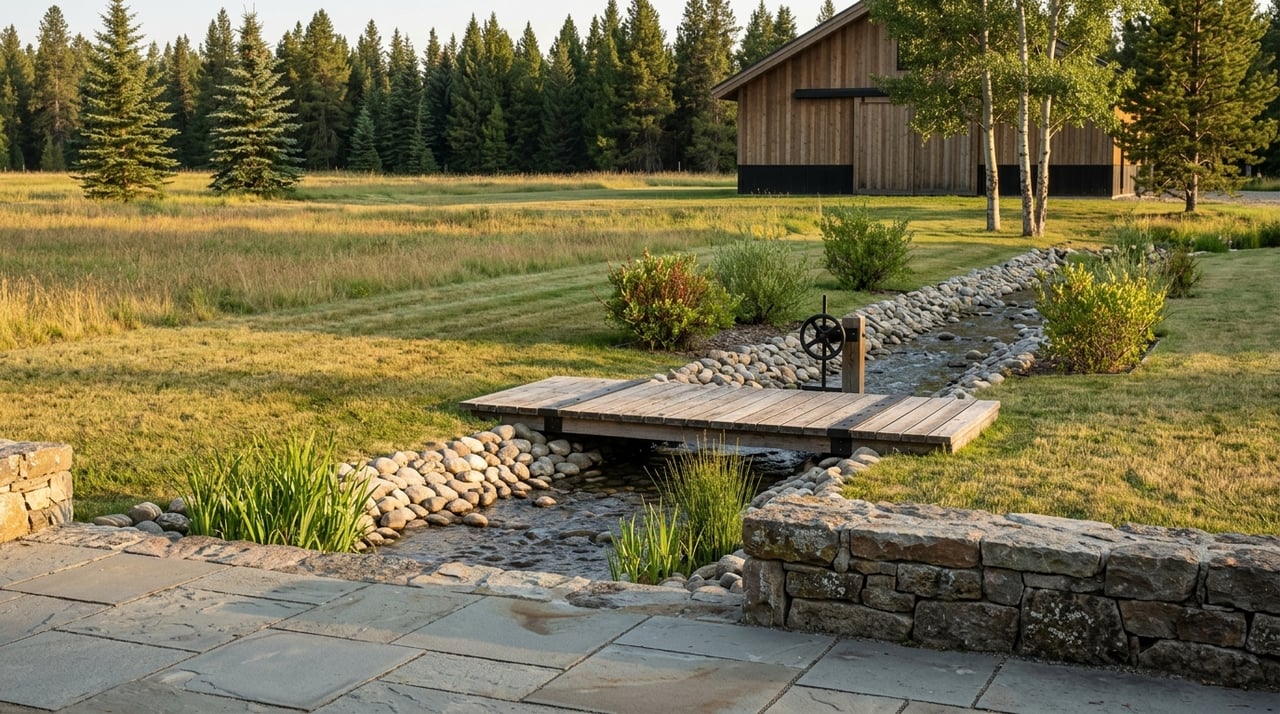
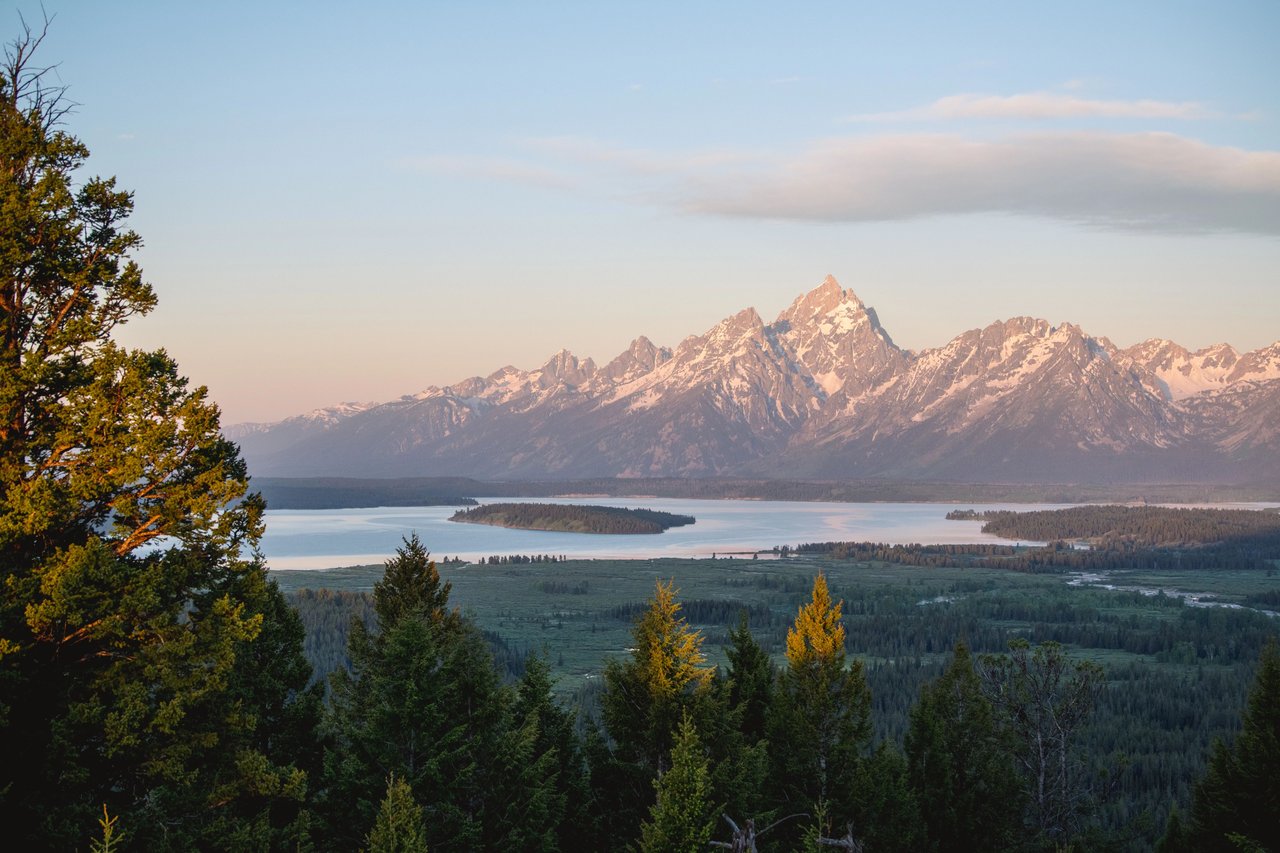
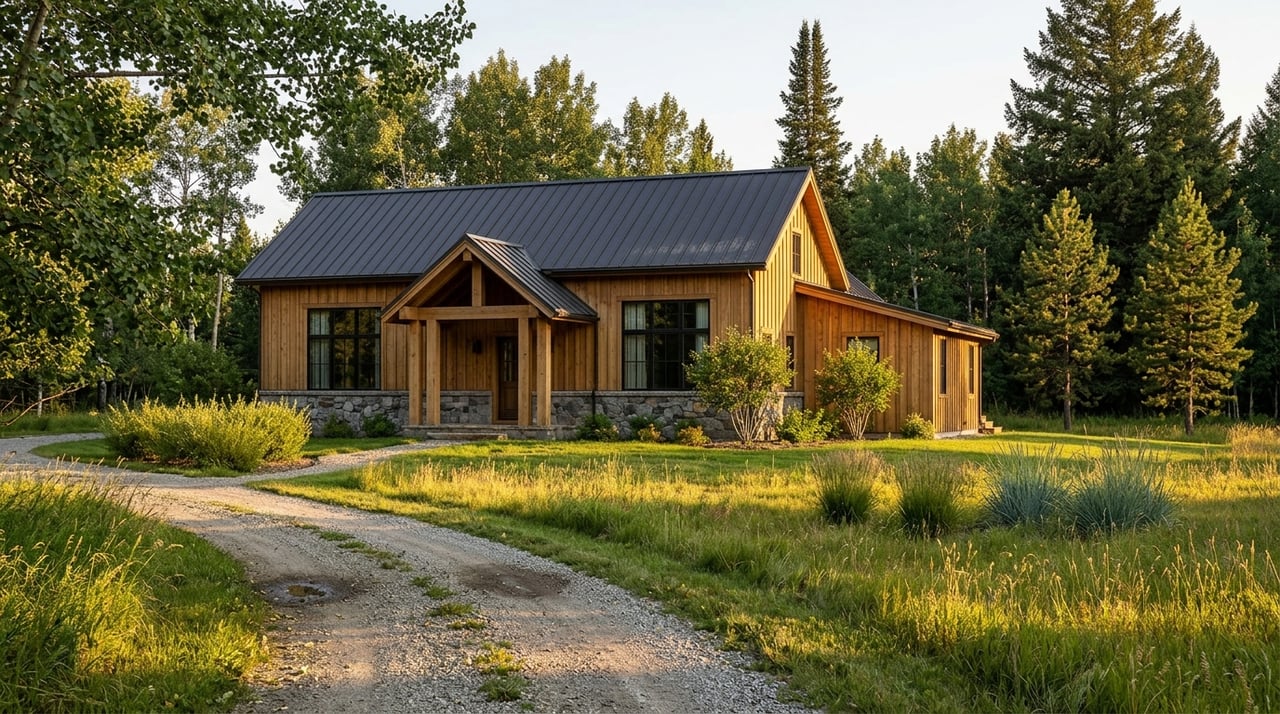
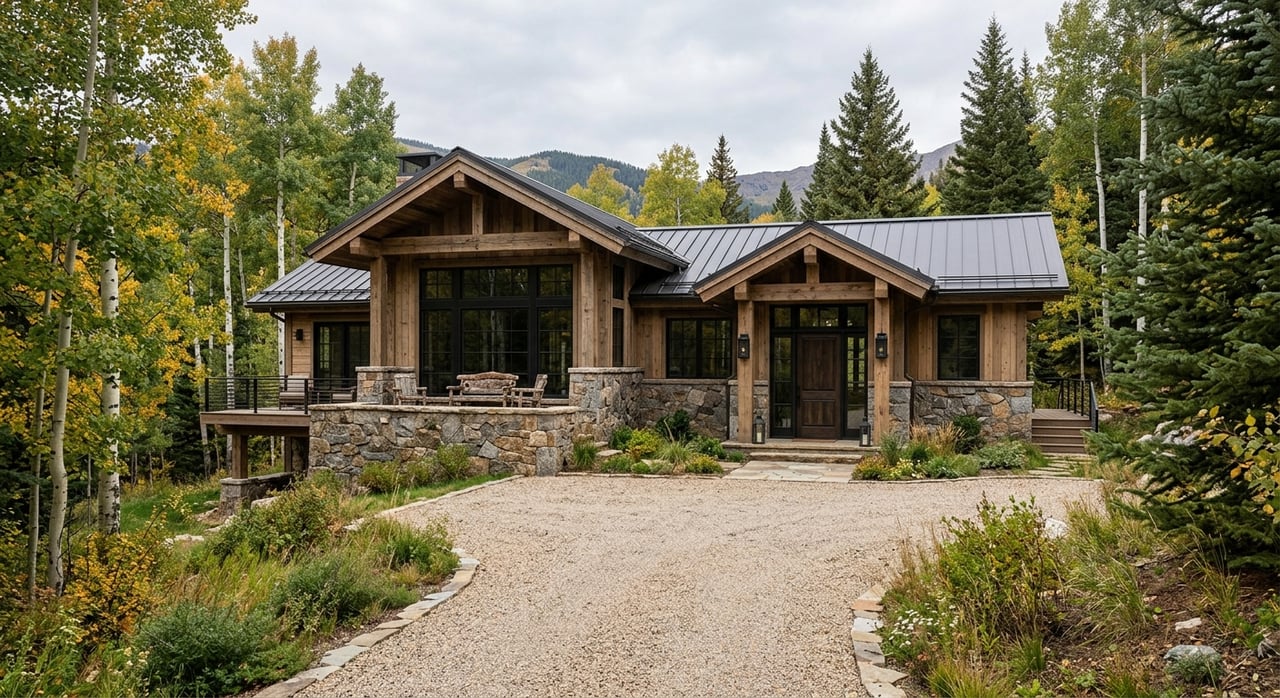
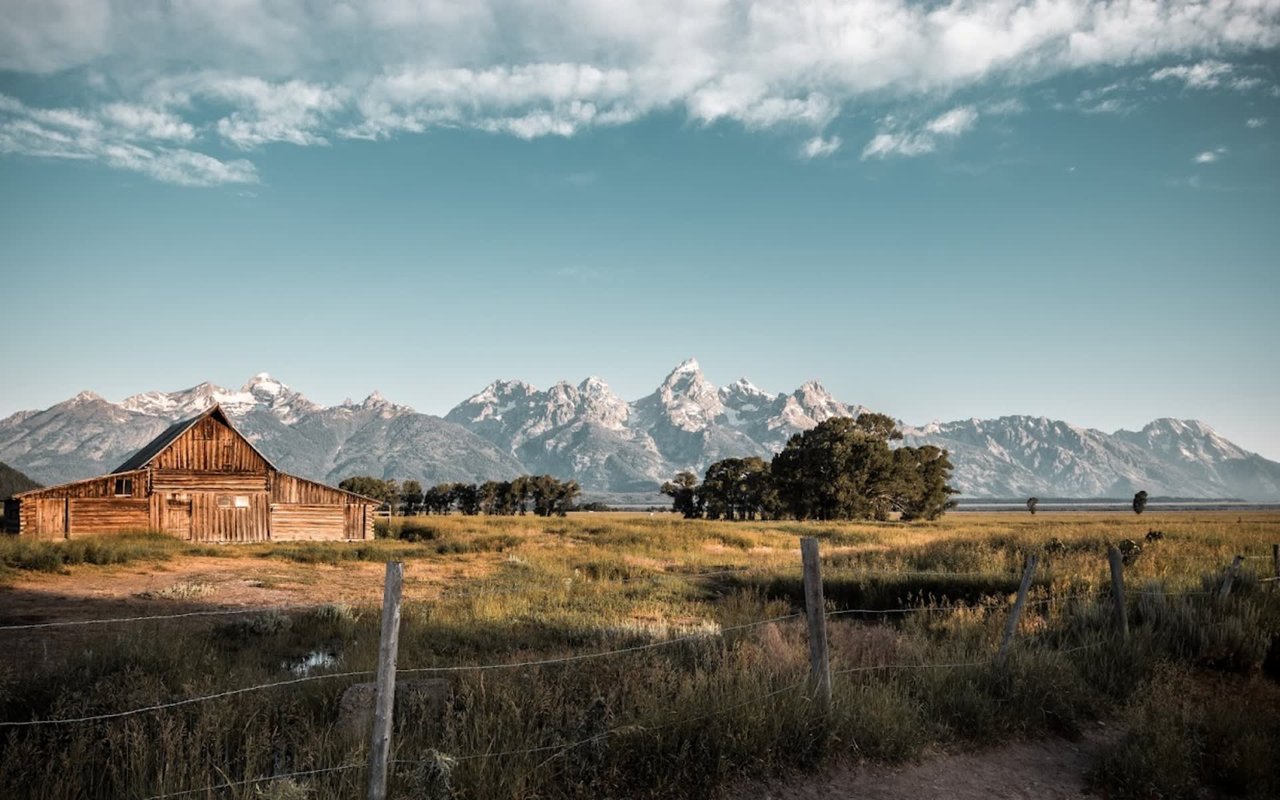
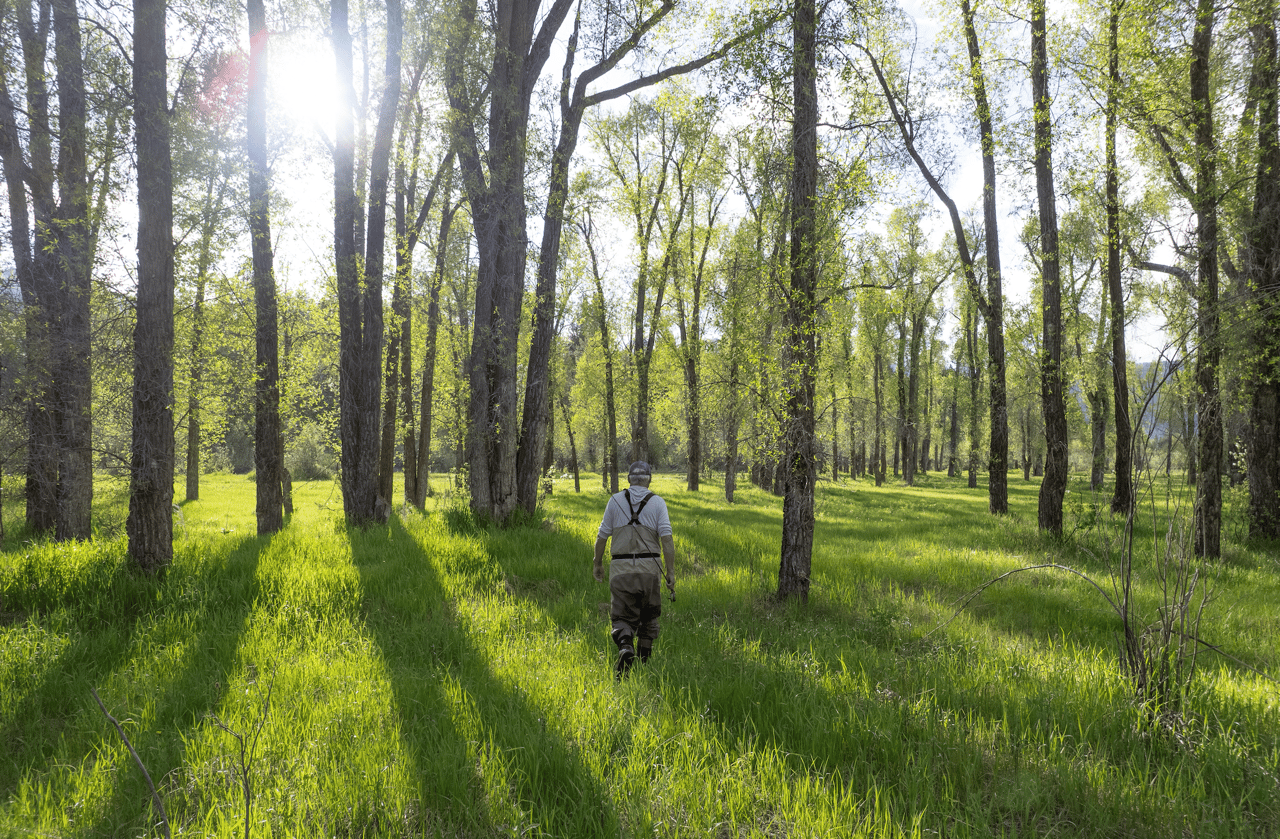
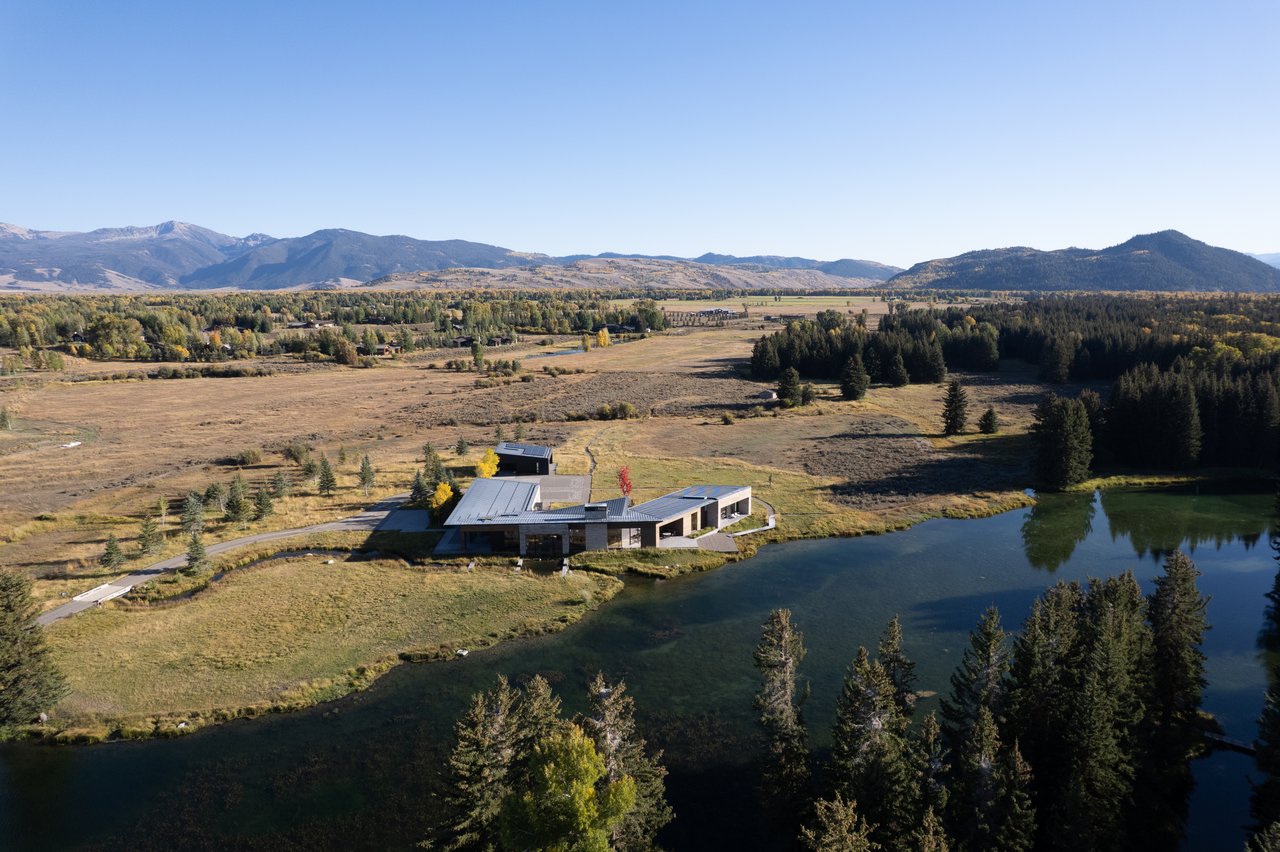
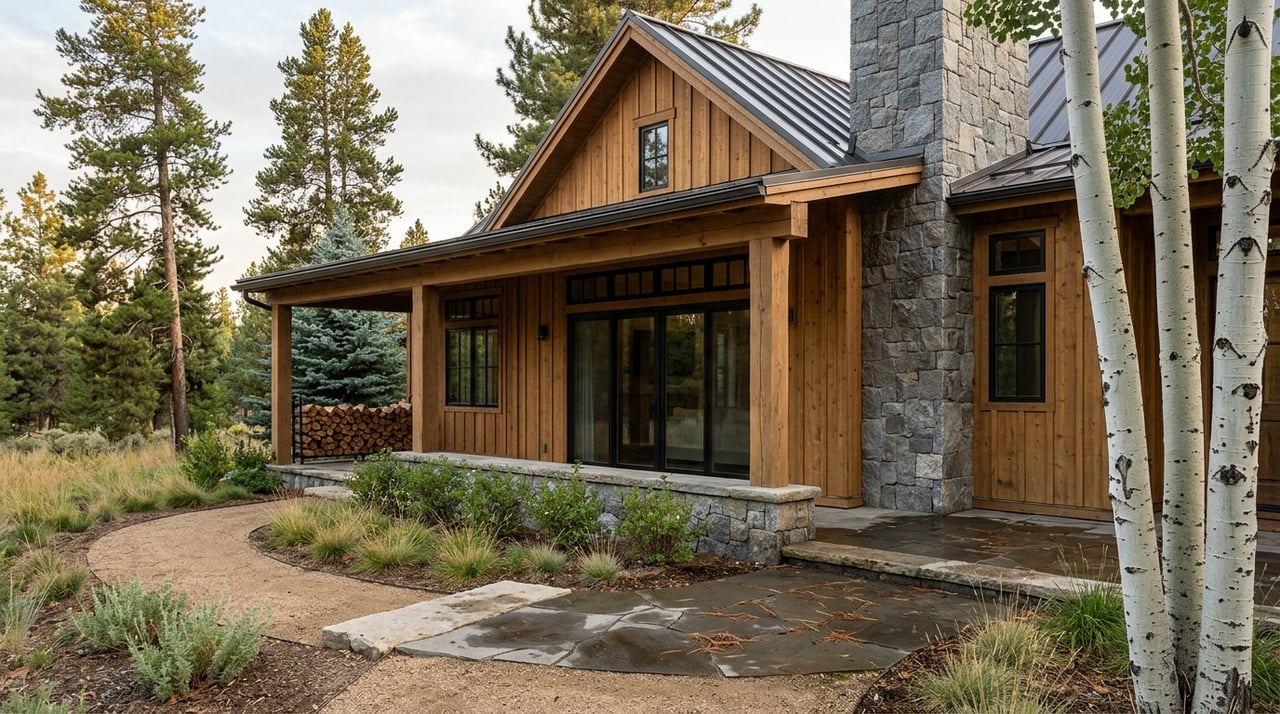
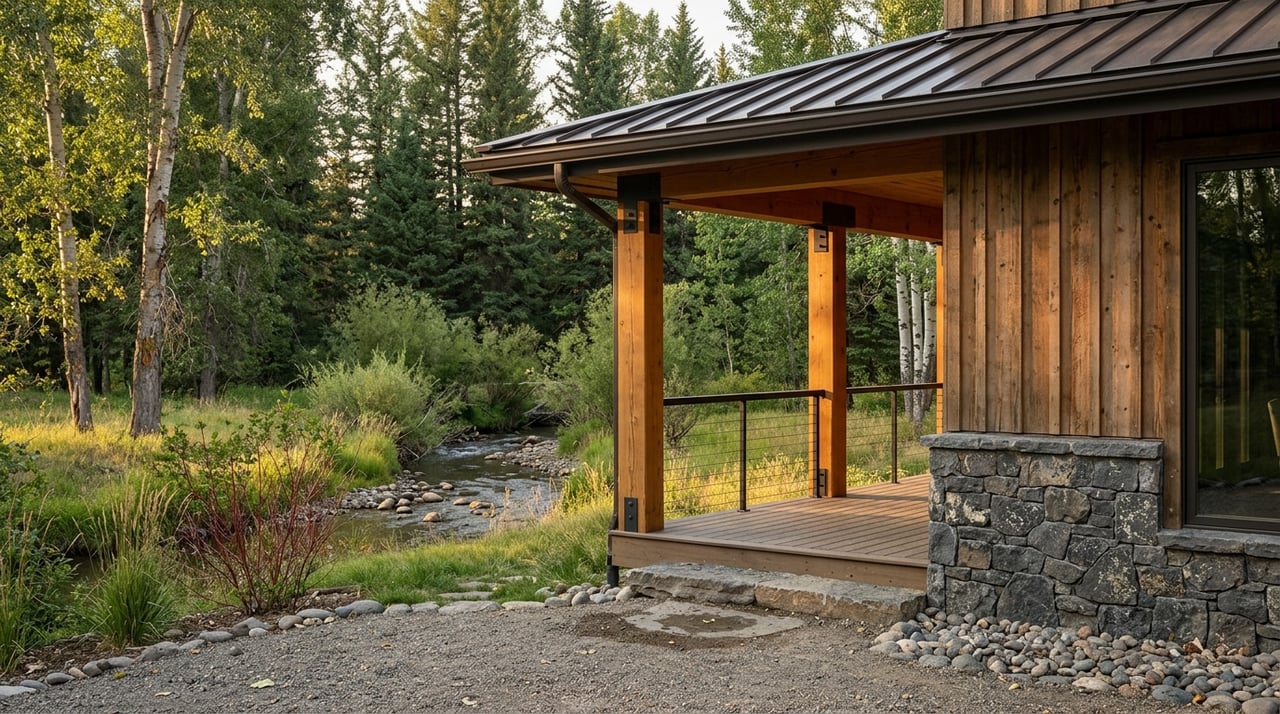
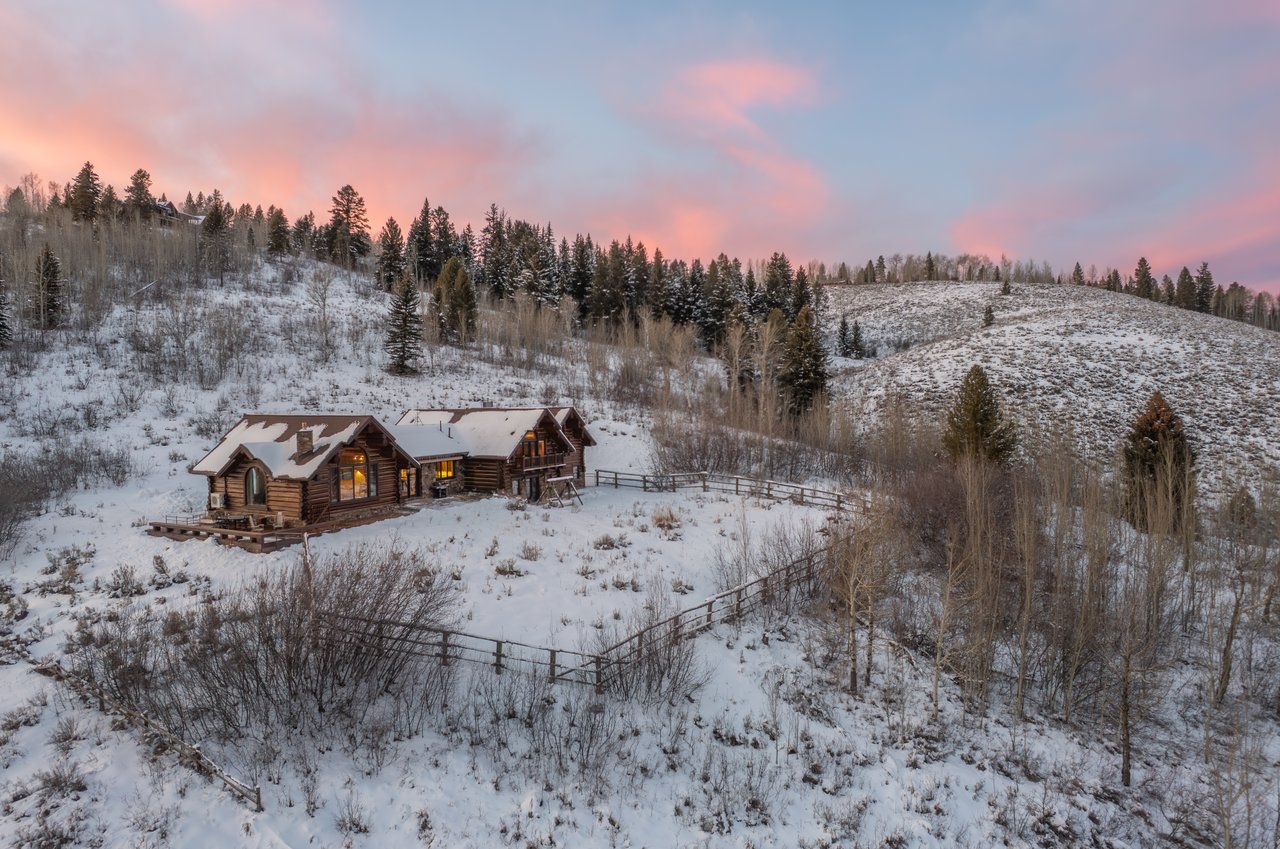
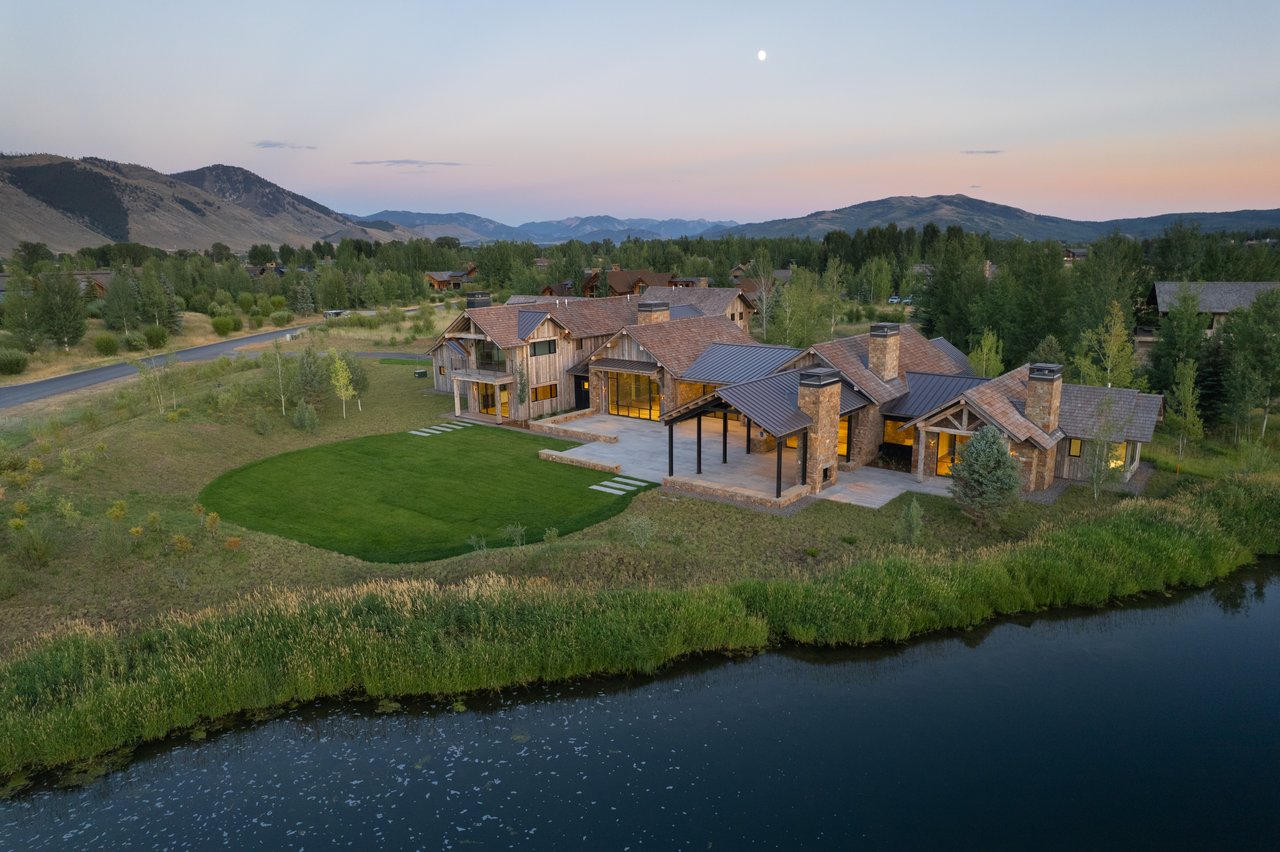
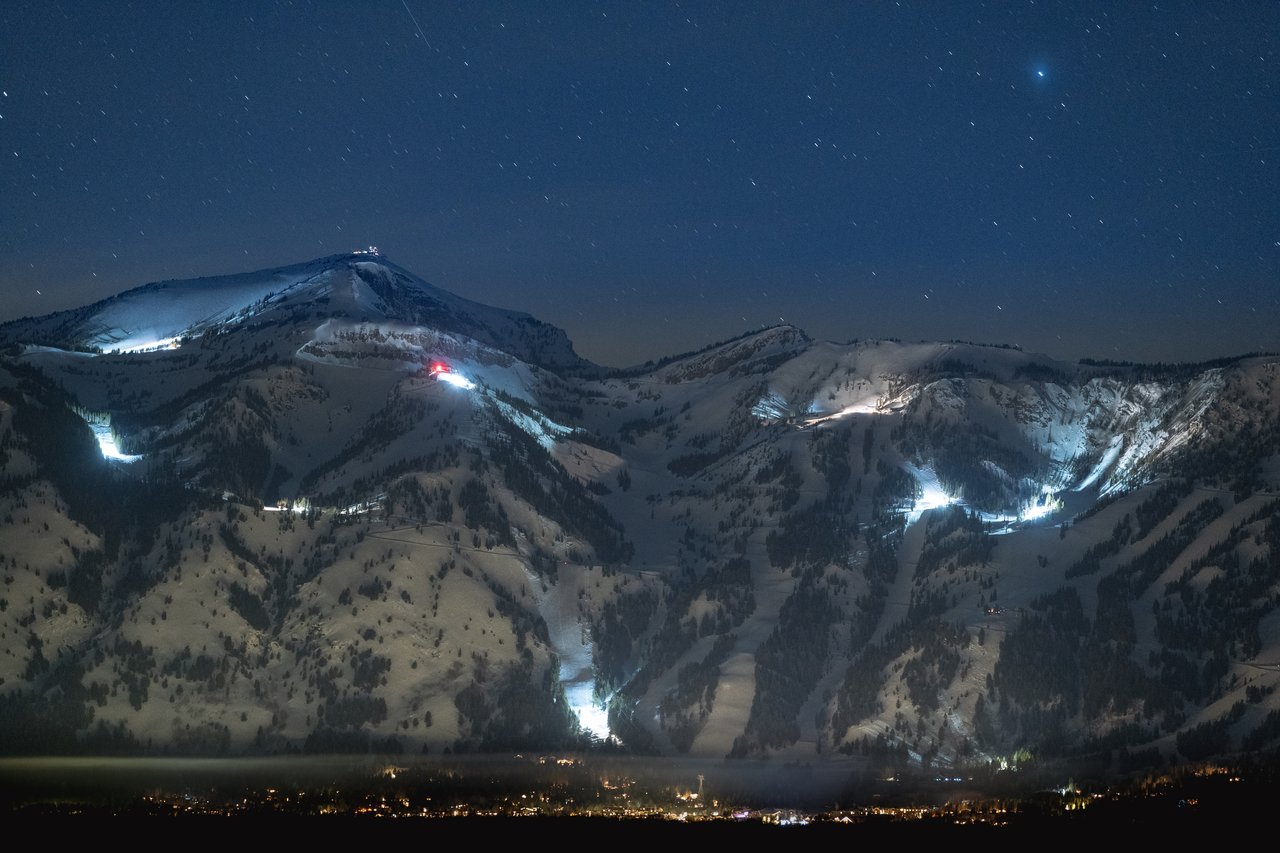
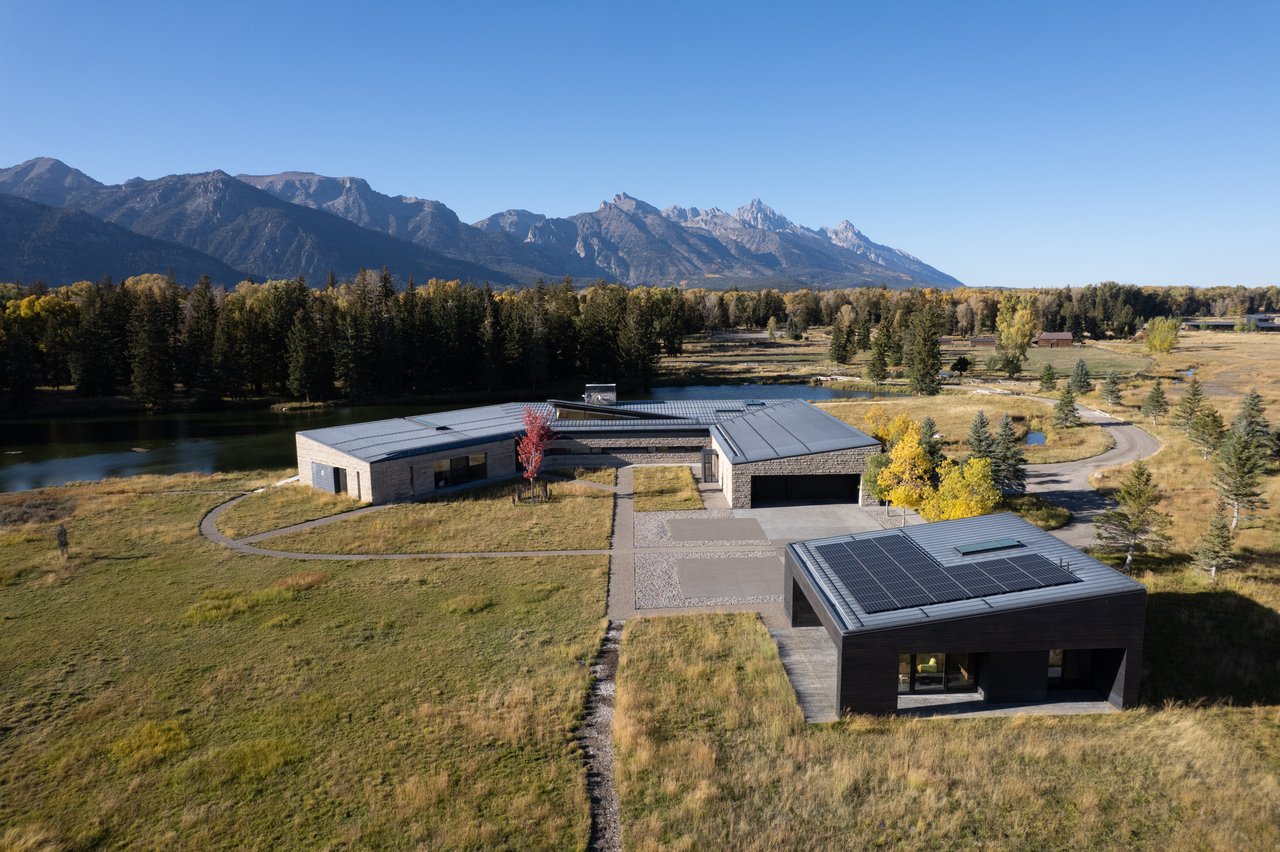
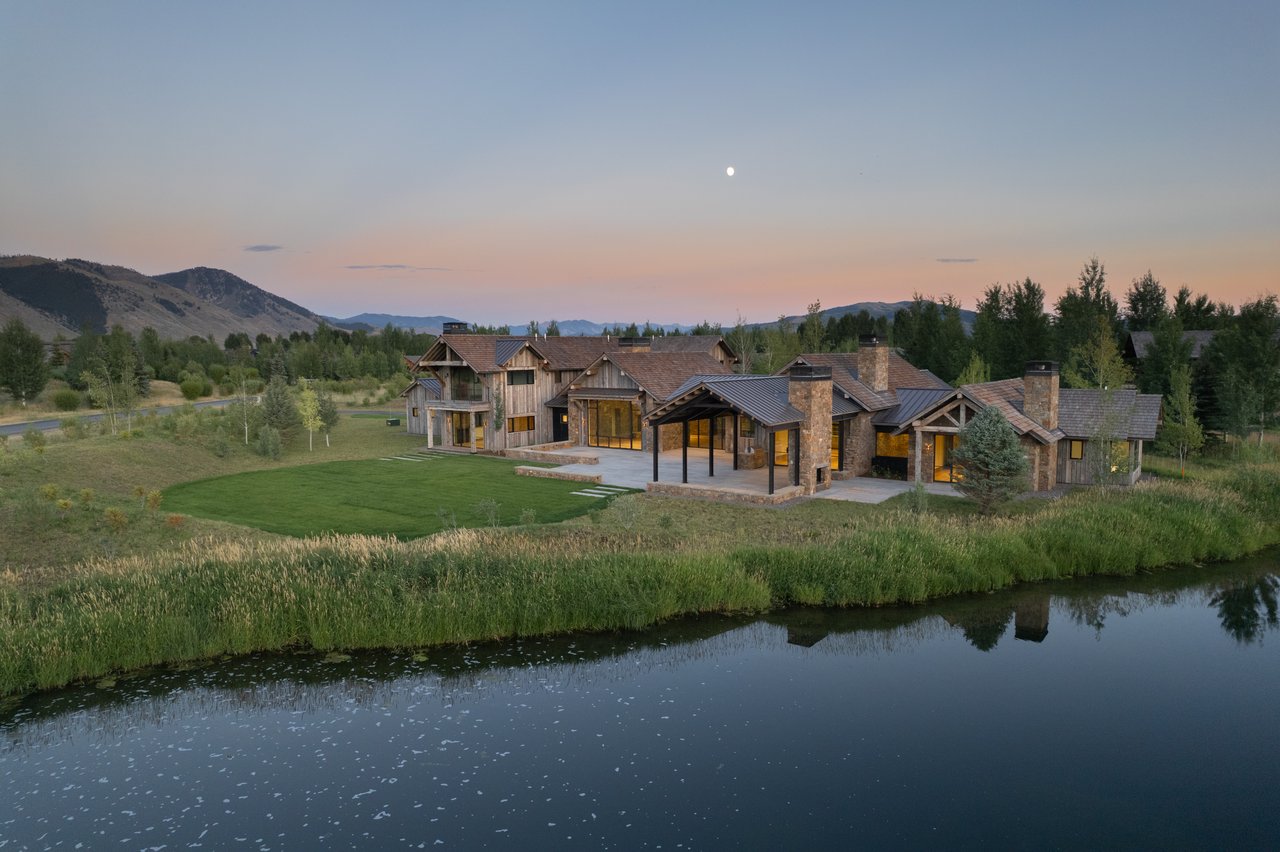
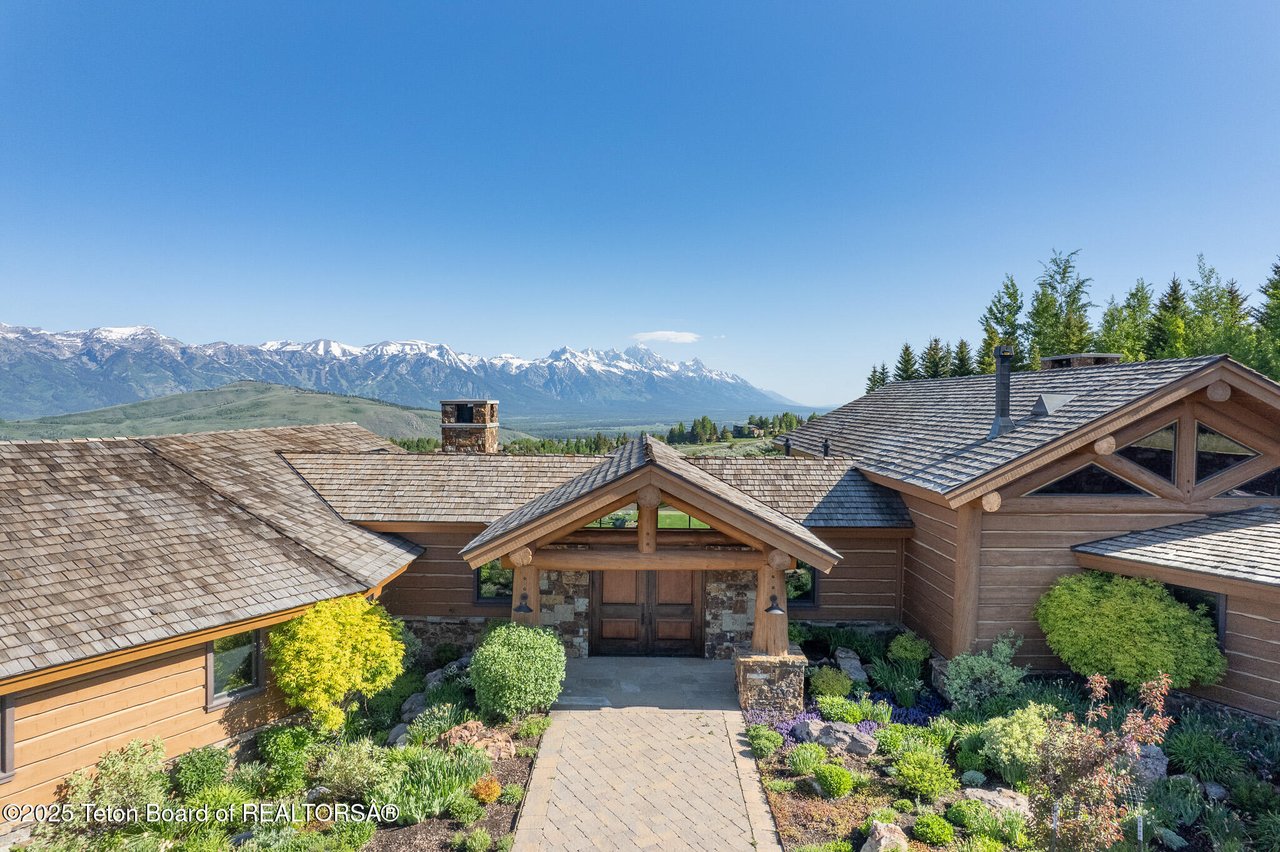
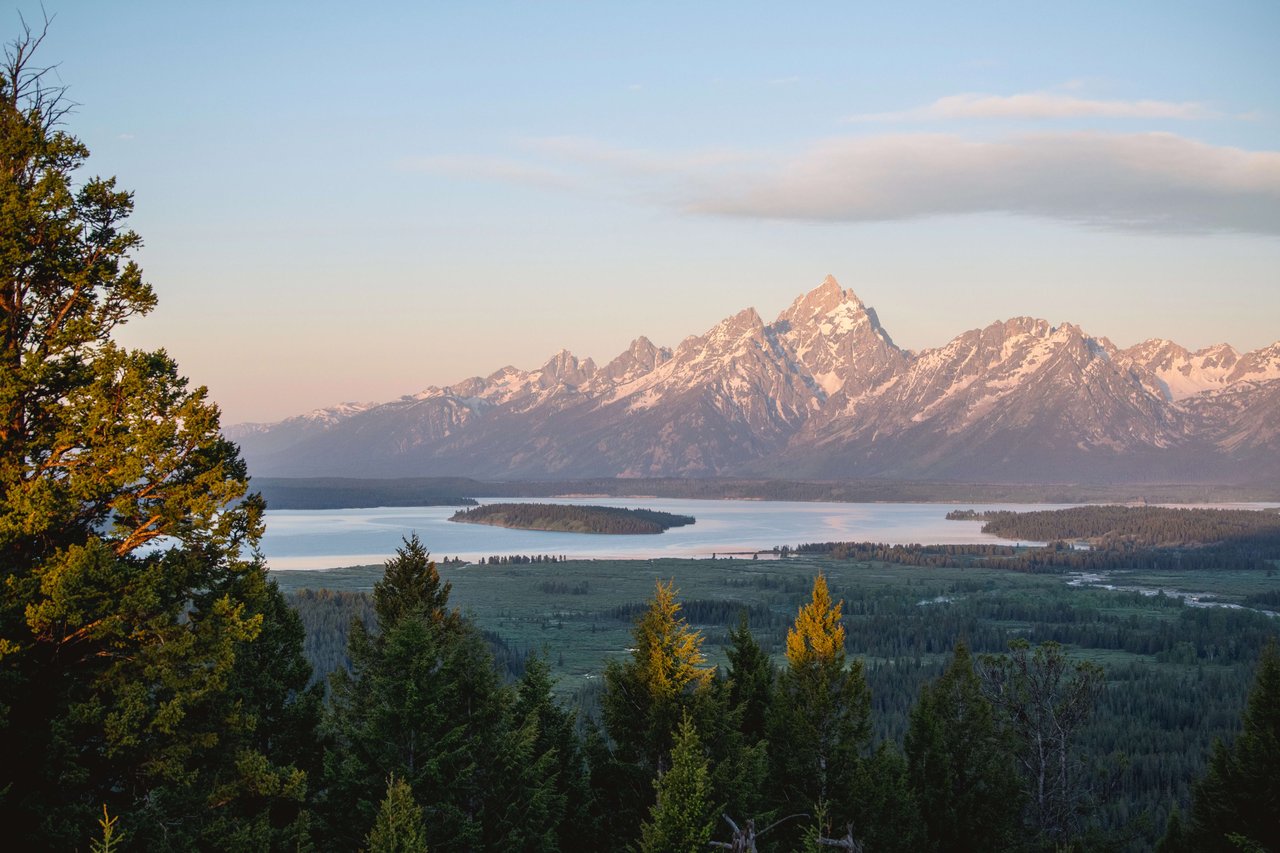
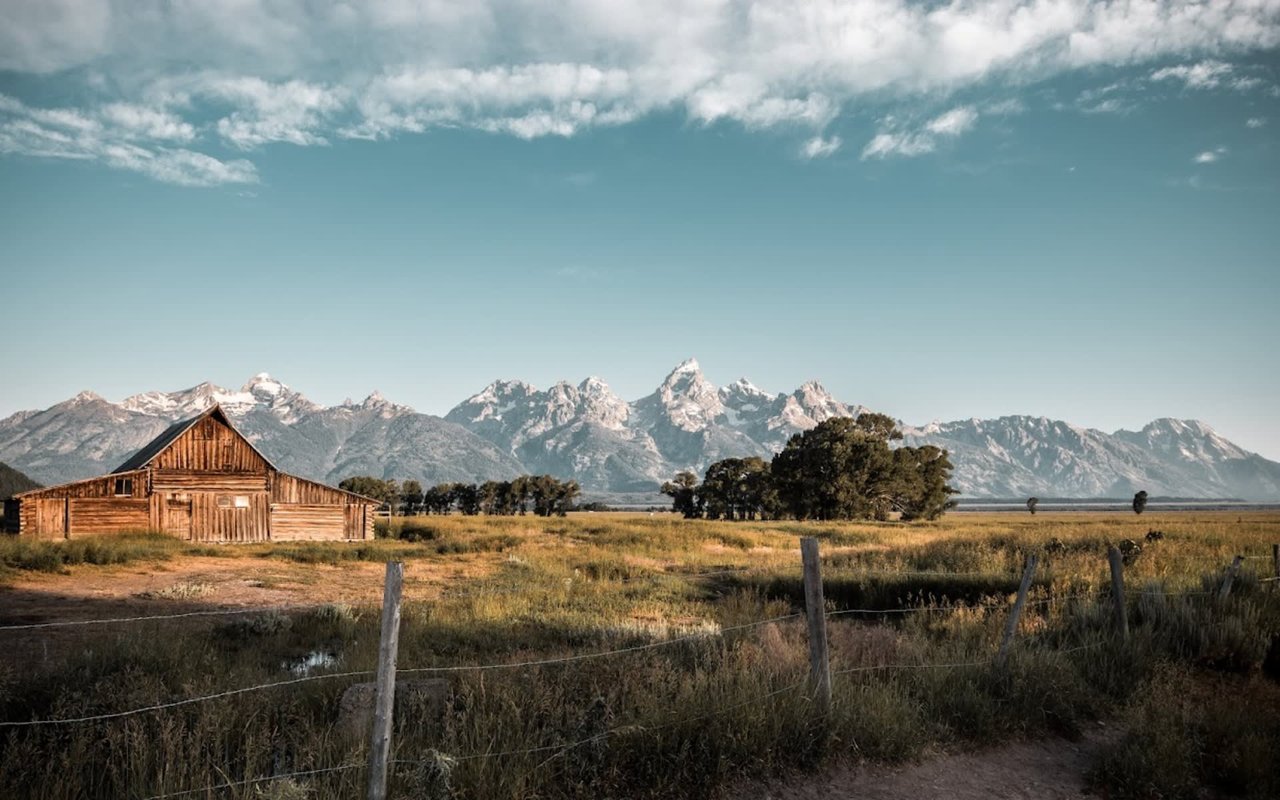
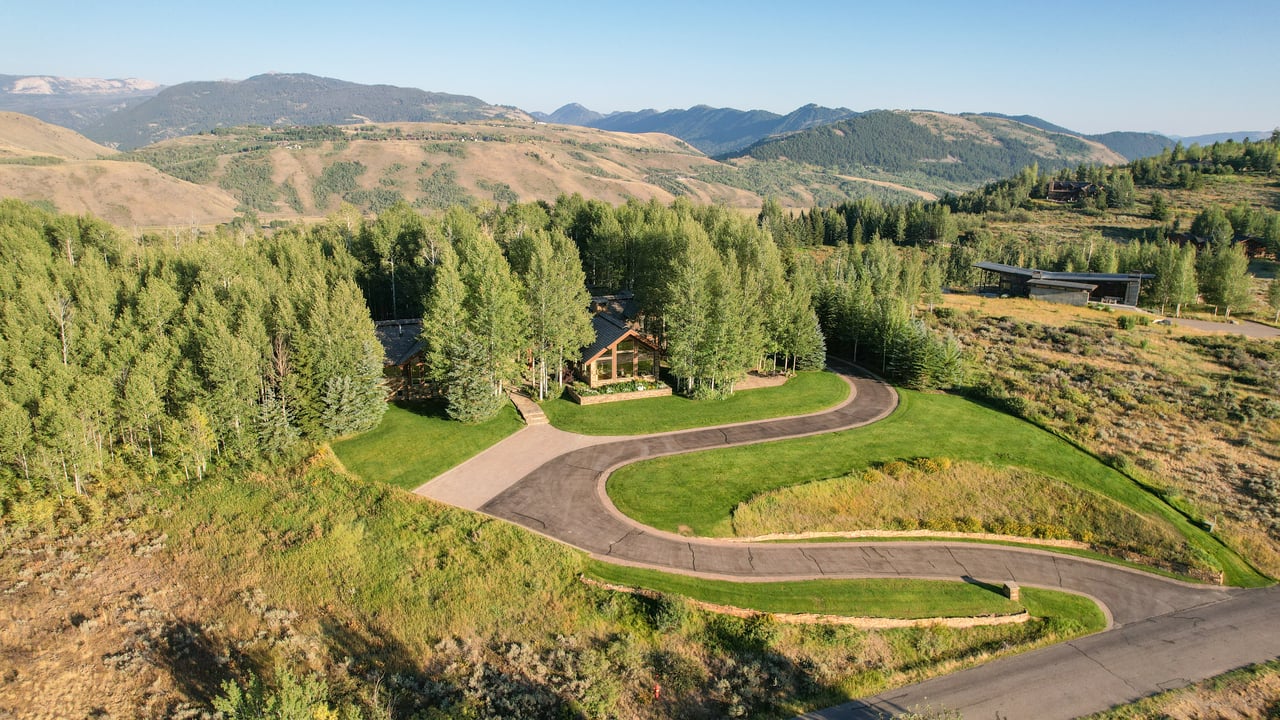
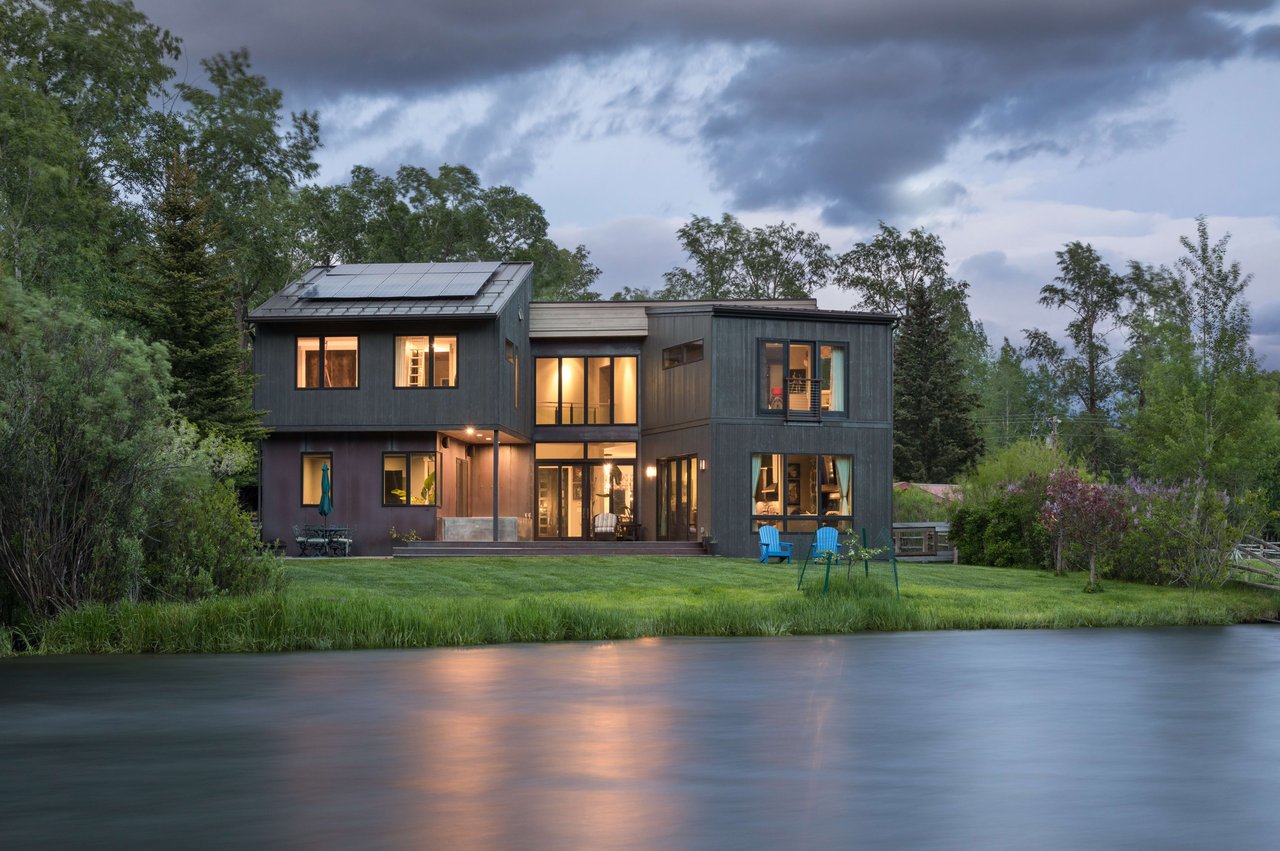
West Bank South is defined less by bustle and more by landscape. In the South Park area, daily life tends to feel rural, open, and closely tied to the land, with large parcels, scenic roads, and a setting shaped by hay meadows, river corridors, and mountain views.
County planning materials identify the hay meadows of South Park as open space worth protecting, and the Wilson approach and South Park Loop Road are treated as scenic corridors. That planning framework helps explain why the area feels preserved and low-density rather than built up. For many buyers, that sense of space is a major part of the appeal.
The character here is also tied to nearby west-bank neighborhoods such as Crescent H, which Tom Evans Real Estate describes as wooded, tranquil, and private, with Snake River access, cross-country ski trails, hiking, horseback riding, and private spring creeks. Together, these details paint a picture of a place where everyday routines naturally extend outdoors.
What Daily Life Feels Like
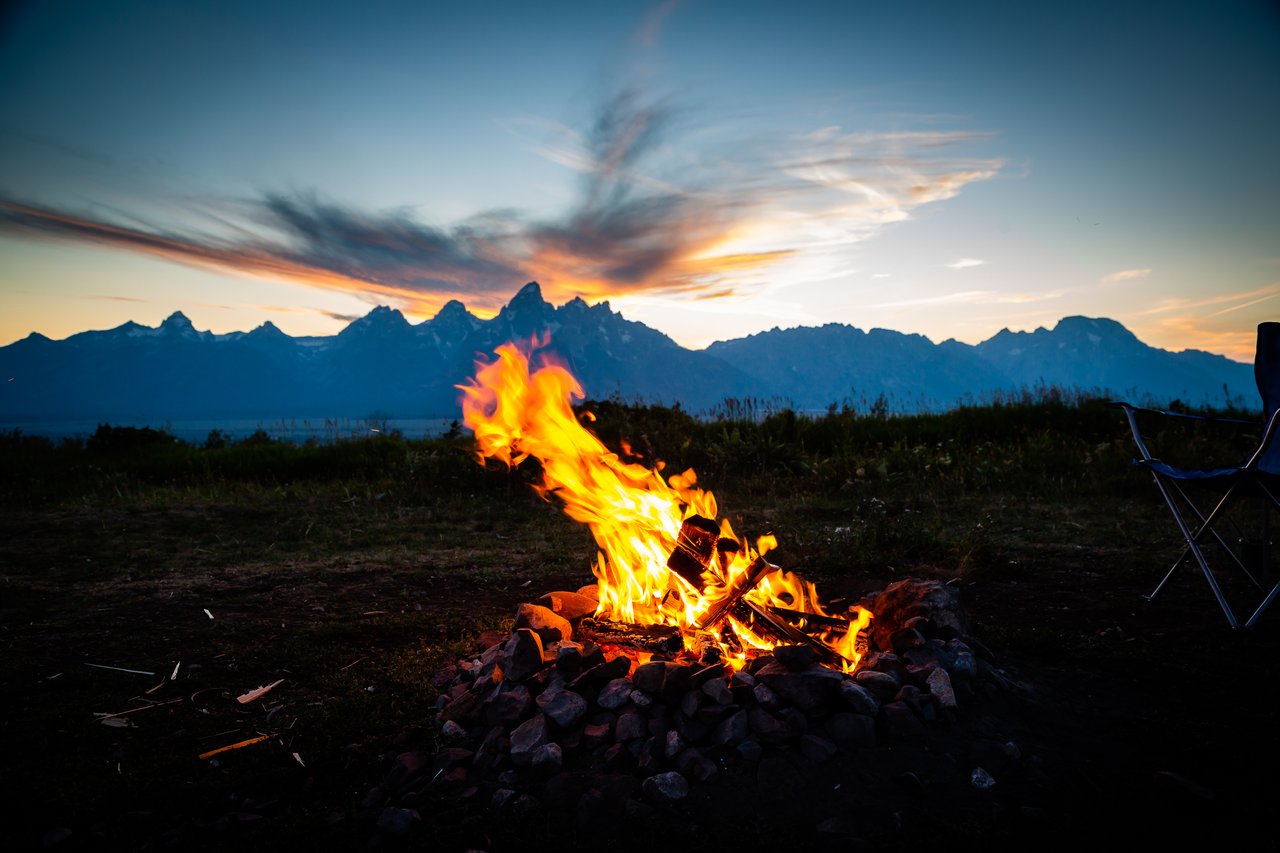
Living in West Bank South often means trading convenience at your doorstep for a quieter, more landscape-driven routine. You are not in the center of town, and that is the point. The setting favors privacy, calm mornings, dark skies, and a stronger connection to the seasons.
At the same time, this is not full isolation. Wilson functions as a nearby village stop for day-to-day needs, while Jackson remains the main center for errands, services, and a broader range of dining and shopping. That pattern gives many residents a rhythm that feels both removed and practical.
Your day may be shaped as much by road conditions, trail access, and weather as by the clock. In a place like South Park, local pathways, winter maintenance, and seasonal access points are not just amenities. They are part of how you move through daily life.
Getting Around West Bank South
Transportation in this area is a mix of driving, biking, and public transit. That flexibility matters, especially in a low-density part of the valley where distances are manageable but not always walkable in the traditional sense.
Teton County maintains a West Bank Pathway Route, which supports bike and pedestrian travel through the area. In winter, the county reports weekly grooming of 68.5 miles of trails and pathways, clearing of 26 miles of pathways and 23 miles of sidewalks and connectors, plus grooming of another 5 miles on South Park Loop Road.
Those numbers help explain an important part of everyday living here. Even when snow defines the landscape, the county’s maintenance system supports regular movement through key routes. For residents, that can make winter feel more workable and connected.
START Bus also serves Jackson Hole as the public transit system provided by the Town of Jackson and Teton County. The current summer system includes a town shuttle and on-demand microtransit, with free fares inside Jackson town limits and a $3 one-way fare between Jackson and Wilson or Hoback.
For many households, the result is a layered routine. You may drive most often, use pathways for exercise or local movement, and rely on transit selectively depending on the season, destination, and schedule.
Outdoor Access Is Part of Routine
In West Bank South, recreation is not only a weekend plan. It often becomes part of ordinary life. The area’s location near the Snake River and major trail systems means that time outside can fit naturally into your day.
Teton County manages the Wilson and South Park boat ramps along the Snake River. These public ramps are typically open from May 1 through October 31, weather permitting, and support the summer river season across roughly 33 miles of river corridor from Moose to Hoback.
That access makes boating, floating, fishing, and riverside outings more convenient for local residents. Instead of planning around a distant destination, you are often planning around conditions, timing, and the season.
The county also provides a Snake River map that identifies public land, access points, hazards, and regulations. For anyone spending regular time on the river, that kind of practical information supports safer and more informed use.
Nearby Trails and Public Lands
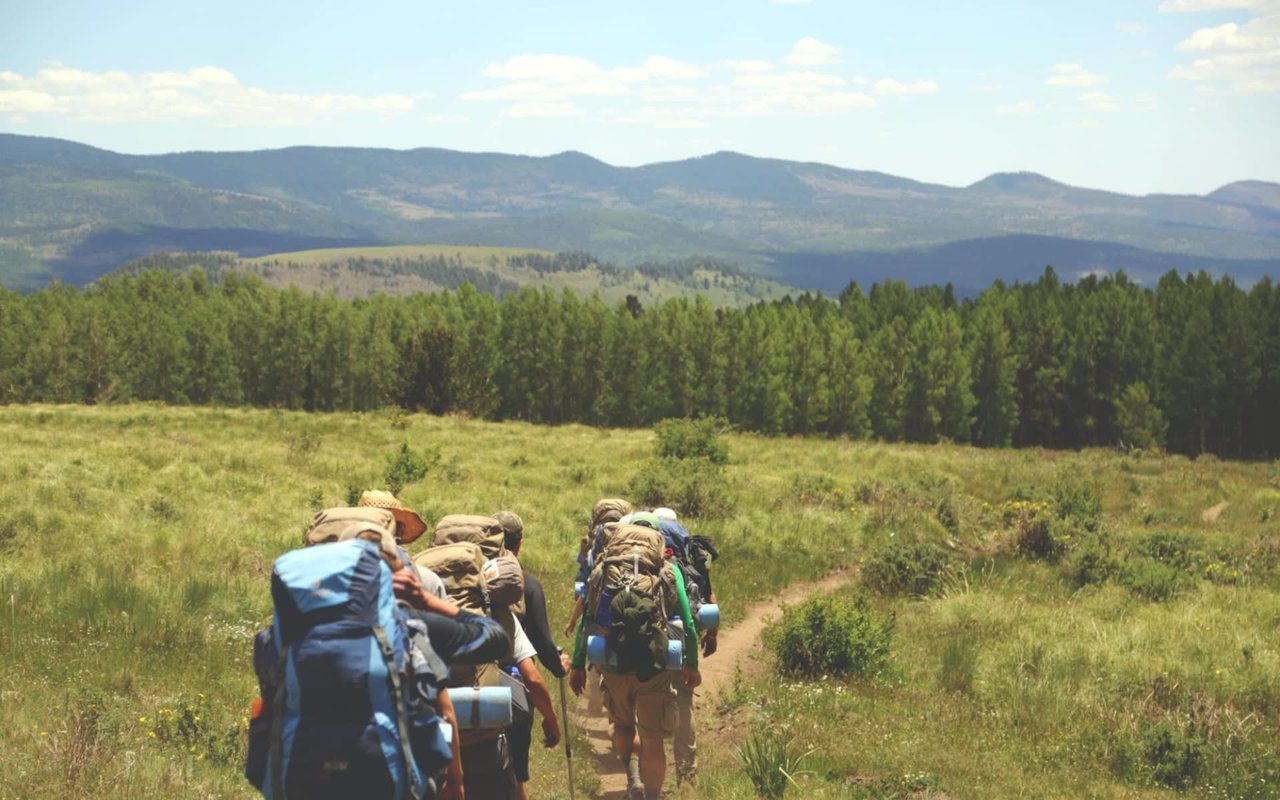
West Bank South also benefits from access to major public trail systems south and west of Jackson. These areas help define the lifestyle of the broader South Park and Wilson side of the valley.
Munger Mountain is one of the closest major non-motorized trail systems. According to the Forest Service, the Munger Mountain North Trailhead is the main non-motorized access point, offering opportunities for hiking, horseback riding, mountain biking, and backpacking.
The trailhead can be reached from Jackson by way of Wilson and Fall Creek Road in about 18 miles or roughly 40 minutes. That kind of access makes it realistic to fit a trail outing into a regular day rather than reserve it only for long weekends.
Mosquito Creek plays a similar role for south-side access. The Forest Service notes that the Mosquito Creek Motorized Area lies a little over 4 miles south of Wilson, includes more than 12 miles of designated Forest Service roads, and is generally open from May to October.
The Mosquito Creek Trailhead also provides access to the North Mosquito Creek Trail and the Table Mountain Wilderness. For residents who value quick access to public land, these nearby trailheads add meaningful depth to daily living in the area.
Seasons Shape the Experience
One of the most important things to understand about West Bank South is that the seasons truly shape how the area functions. Summer and winter bring different routines, different access patterns, and different opportunities.
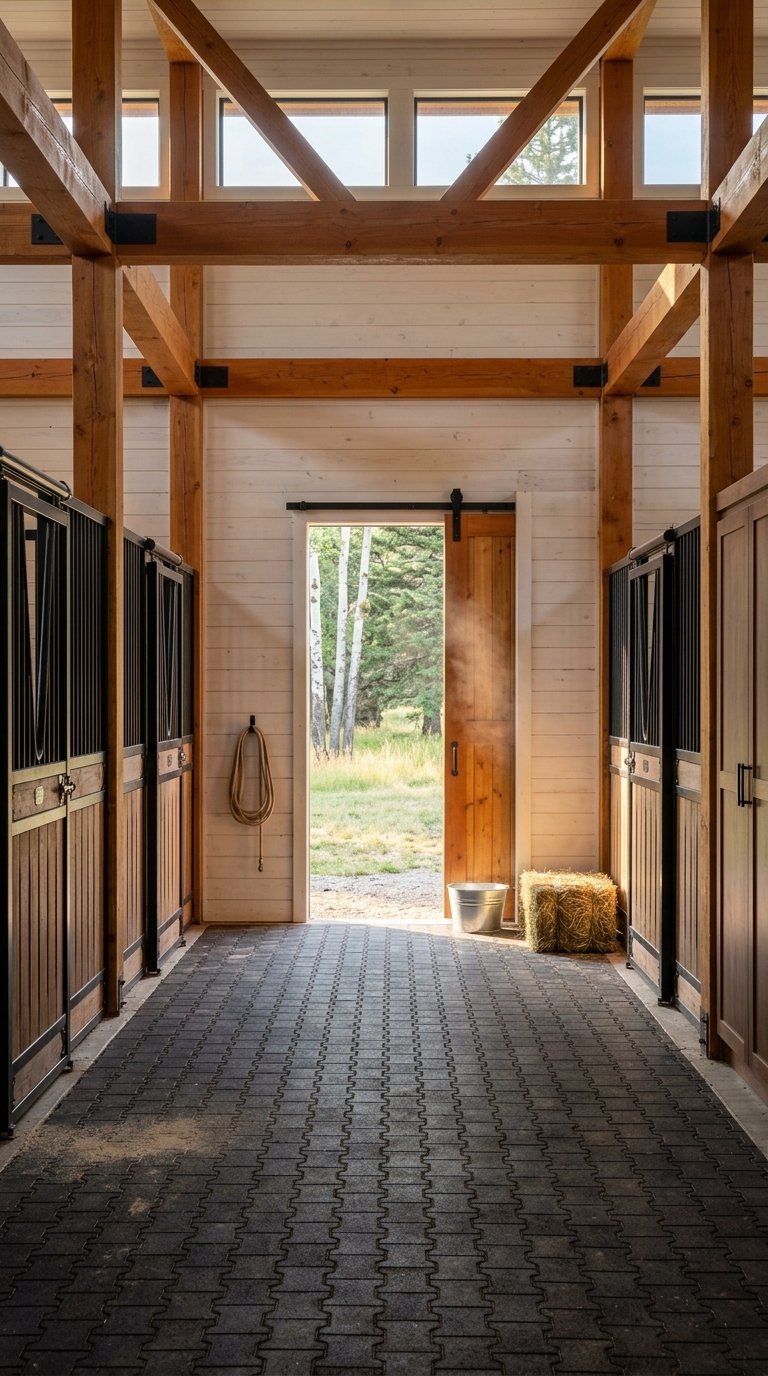
In summer, boat ramps open, trails become more active, and outdoor recreation expands in every direction. The Owen Bircher arena in Wilson operates as a sand-based horseback riding arena with roping and barrel-racing practice, adding another seasonal layer to life on the west bank.
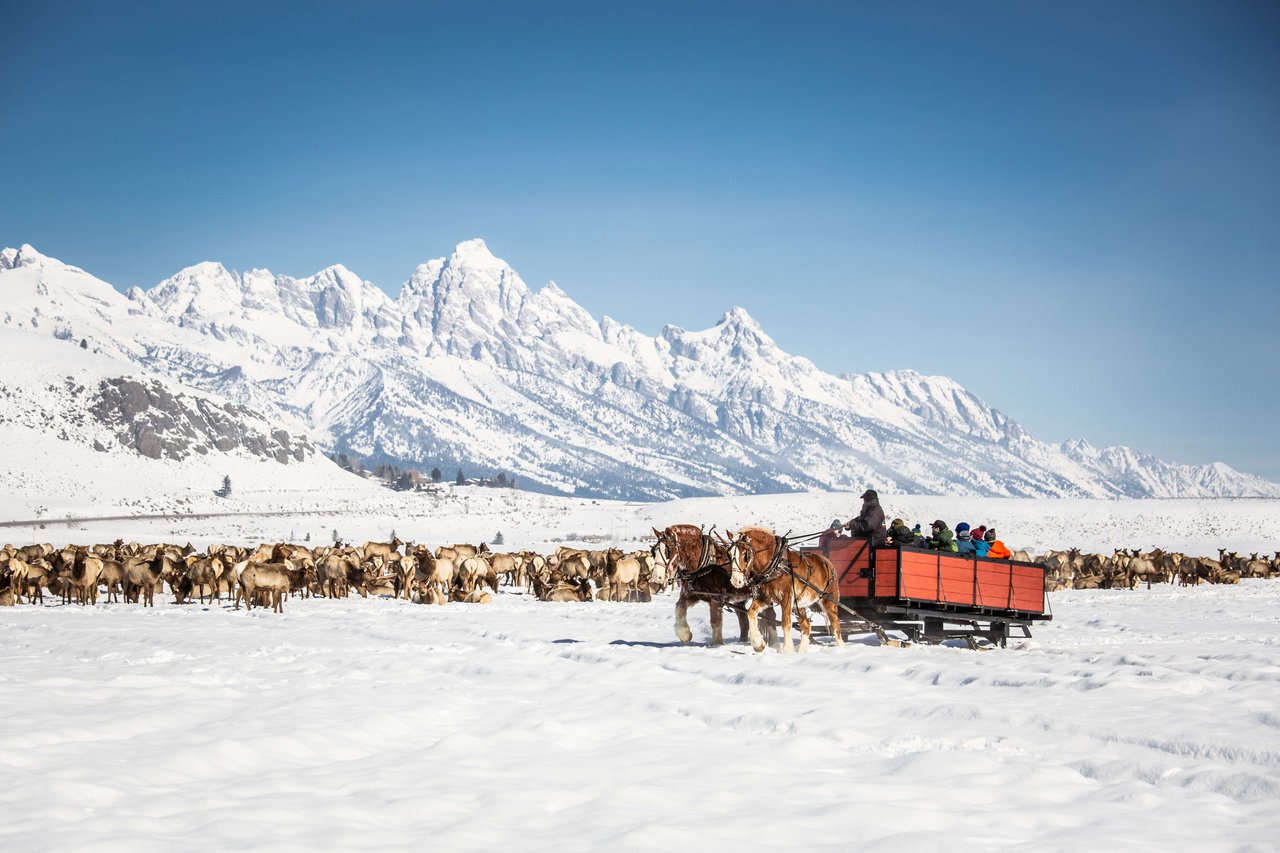
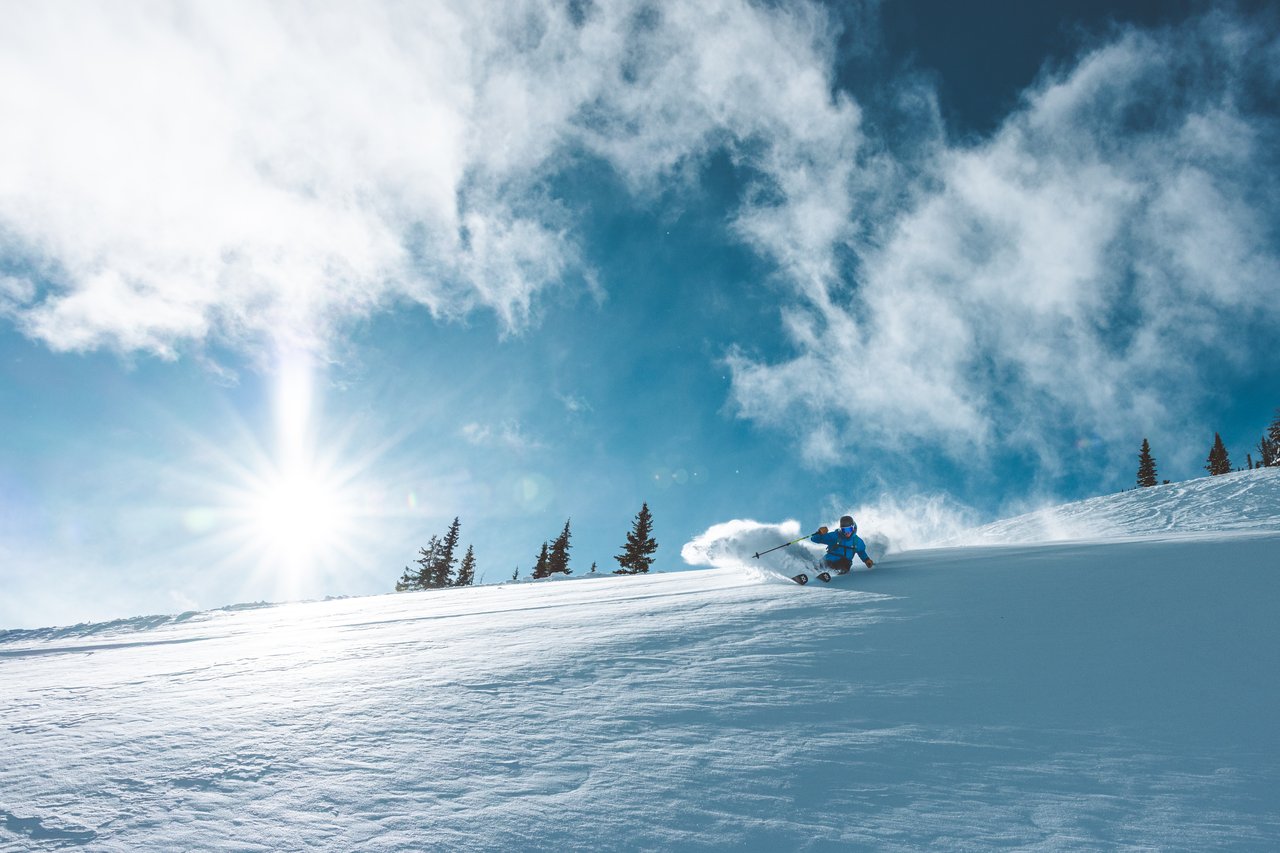
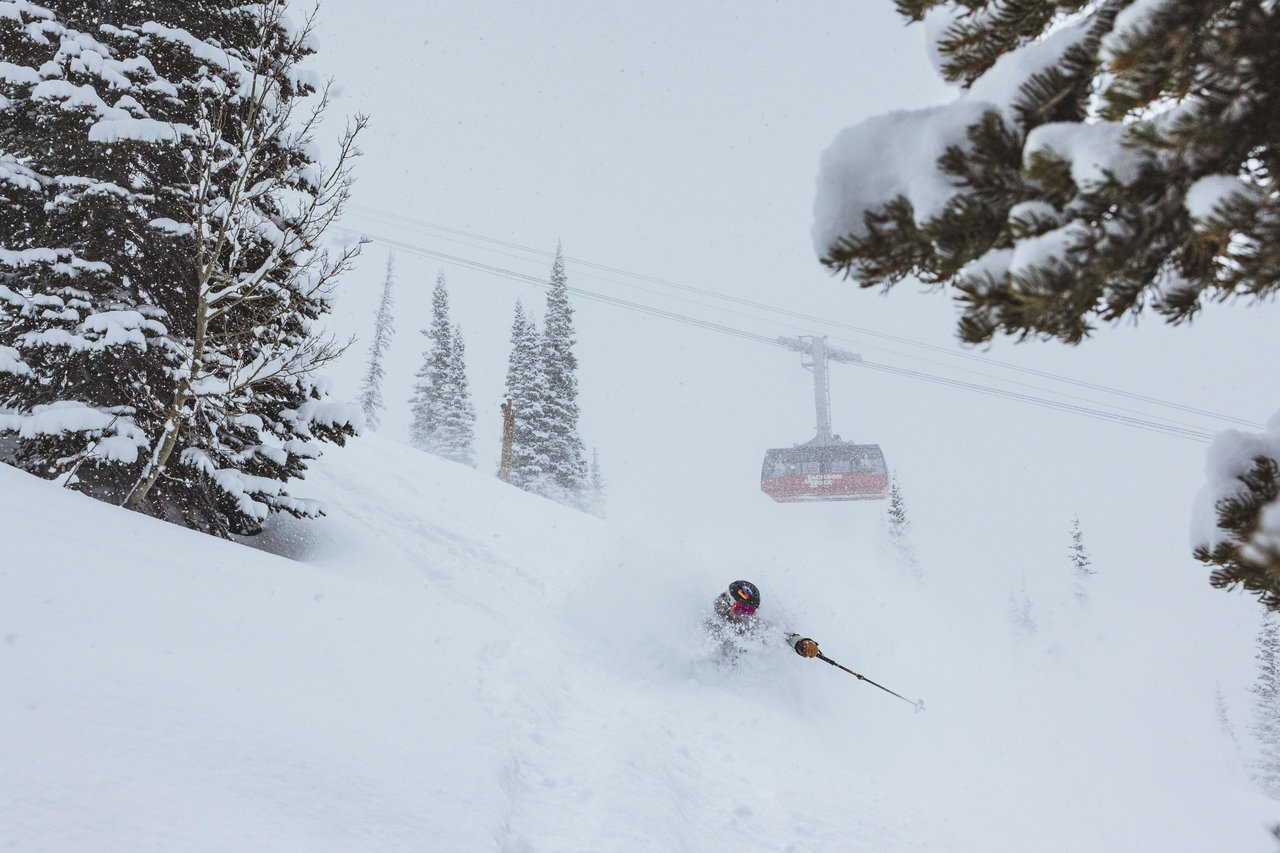
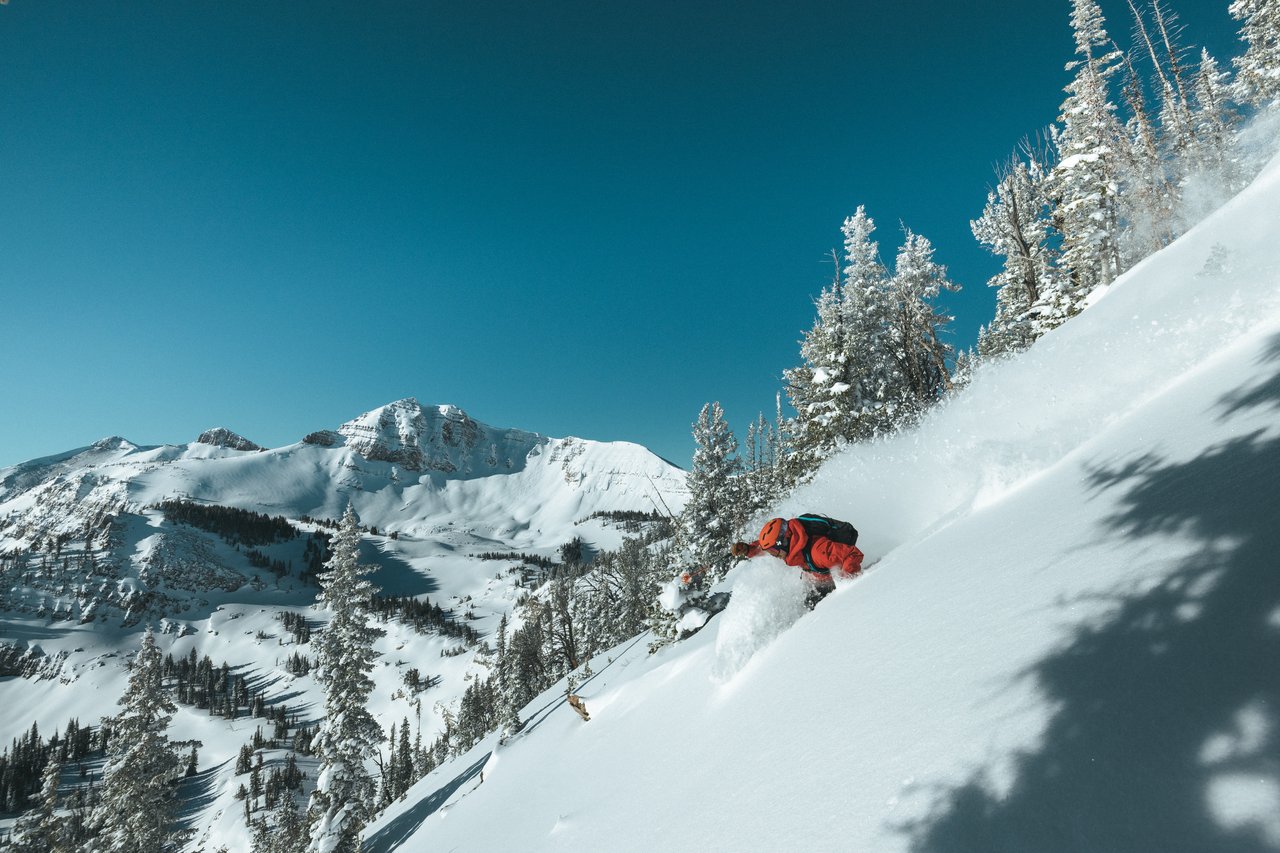
In winter, the same site becomes an ice rink and hockey space. That shift captures something essential about the area. Daily life here is not static. It changes with the weather, the land, and the season.
Teton County notes that seasonal grooming generally runs from December 15 to March 15. The county also states that some areas close in winter to support wildlife migration and reduce wildlife conflicts.
That means winter living is less about doing everything the same way year-round and more about adapting well. Cleared pathways, groomed routes, local knowledge, and flexible expectations all become part of the rhythm.
Practical Services Nearby
For a place that feels private, West Bank South still has practical support close at hand. That matters for peace of mind as much as convenience.
Teton County Firehouse 2 serves Wilson and surrounding rural areas, while Firehouse 7 serves South Park and South Highway 89. For residents in low-density settings, nearby emergency coverage is an important part of everyday confidence.
The broader service pattern is also clear. Wilson supports nearby day-to-day stops, while Jackson remains the primary center for larger errands, appointments, and civic services. That structure helps residents enjoy a quieter home environment without losing connection to the essentials.
Why Buyers Are Drawn Here
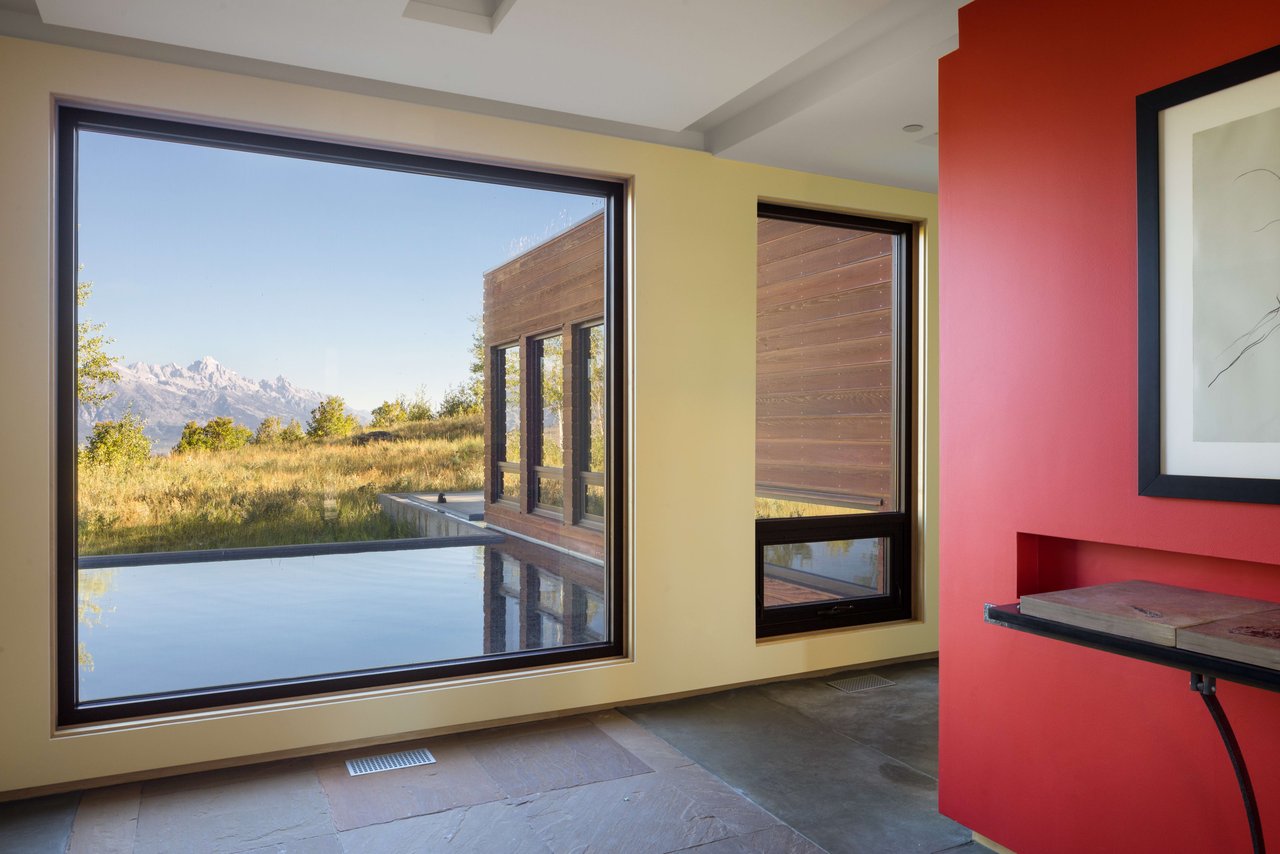
West Bank South appeals to buyers who value privacy, open land, and an outdoor-centered routine. In many cases, the draw is not just the home itself but the way the setting supports a particular pace of life.
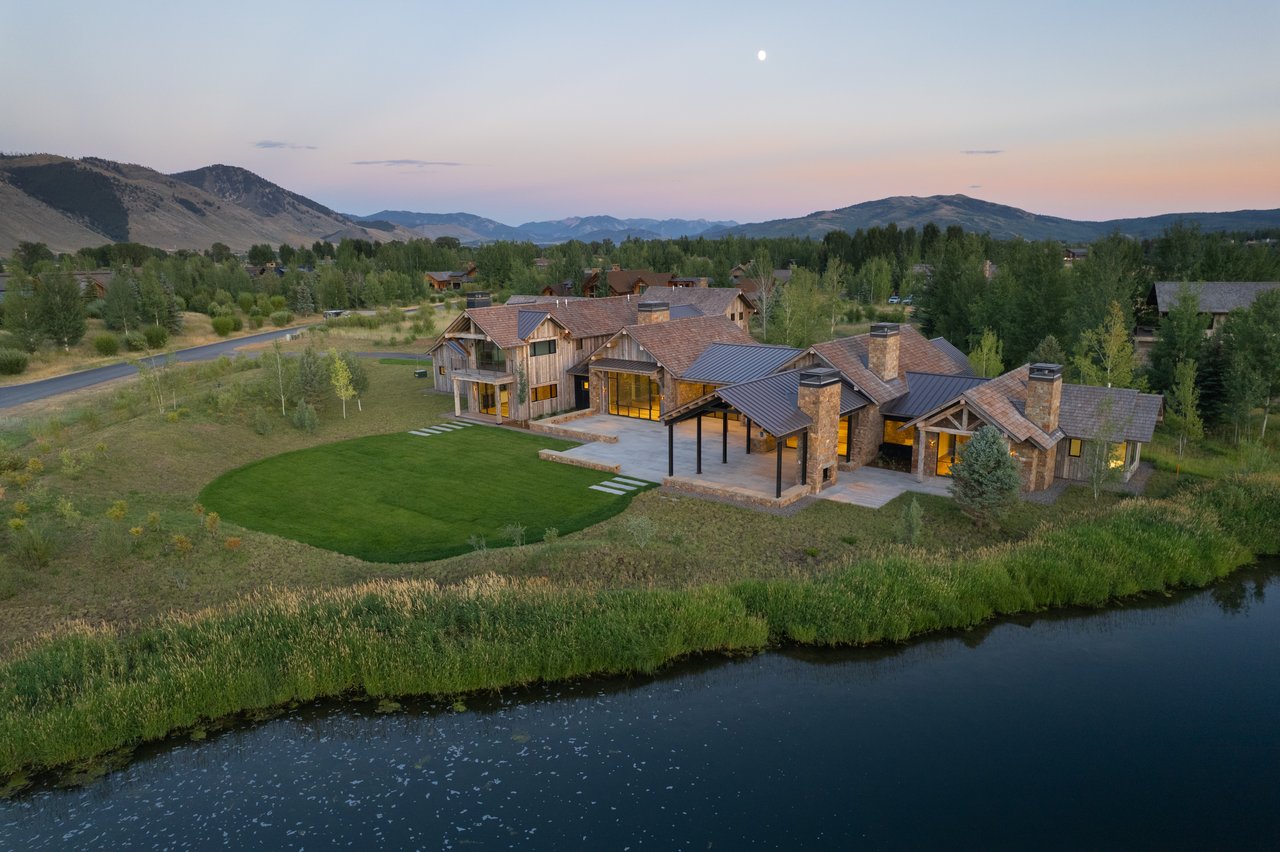
You may be looking for room to breathe, proximity to the Snake River, or easier access to pathways and trail systems. You may also want a place that feels tucked away while remaining tied to Wilson and Jackson. West Bank South offers that combination in a way that feels distinctly Jackson Hole.
For buyers considering larger parcels, second homes, or conservation-sensitive property, understanding these daily patterns is especially useful. The appeal of the area is often found in the details of movement, access, seasonality, and land stewardship.
What to Keep in Mind
If you are exploring West Bank South, it helps to think beyond a map pin. Pay attention to seasonal access, travel patterns, road conditions, and how often you expect to be in Wilson or Jackson.
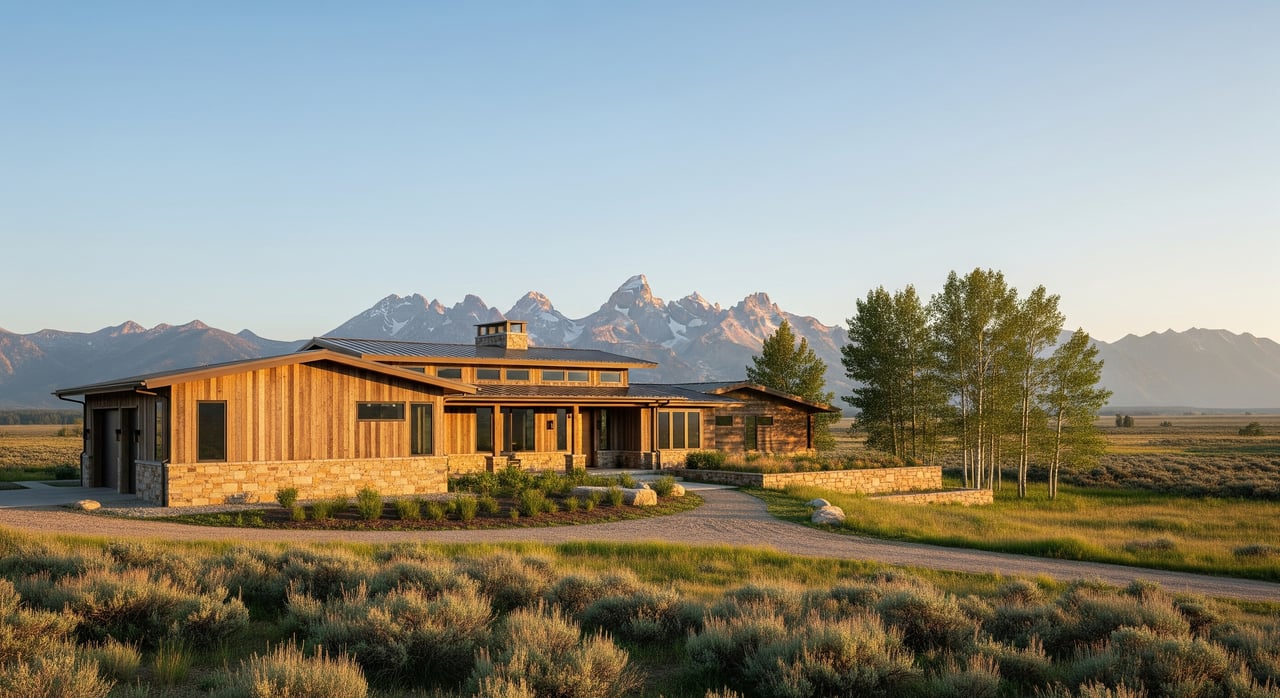
It is also worth noticing how the land shapes the experience. Scenic corridor protections, open-space priorities, and rural road patterns contribute to the feel of the area in ways that are not always obvious in a listing photo.
For many buyers, that is exactly what makes the area compelling. West Bank South offers seclusion without complete separation, and a daily rhythm that reflects the landscape around it.
If you are considering a home, acreage, or second property in this part of Jackson Hole, a local perspective can help you evaluate not just the property, but how it will live day to day. For discreet guidance grounded in local knowledge, connect with Tom Evans Real Estate.
FAQs
What is everyday living like in West Bank South?
- Everyday living in West Bank South is generally quiet, low-density, and shaped by open land, scenic roads, seasonal routines, and close access to outdoor recreation.
How do residents get around West Bank South and South Park?
- Residents typically use a mix of driving, biking, pathways, and START Bus service, with county winter maintenance playing an important role in seasonal mobility.
Is the Snake River easy to access from West Bank South?
- Yes, Teton County manages the public Wilson and South Park boat ramps on the Snake River, with the summer river season typically running from May 1 through October 31, weather permitting.
What outdoor recreation is near West Bank South?
- Nearby options include boating and fishing on the Snake River, plus access to trail systems such as Munger Mountain and Mosquito Creek for hiking, horseback riding, mountain biking, and backpacking.
How does winter affect daily life in West Bank South?
- Winter changes travel and recreation patterns, with groomed pathways, cleared connectors, and some seasonal wildlife-related closures shaping how residents move through the area.
Are services still convenient from West Bank South?
- Yes, Wilson serves as a nearby stop for day-to-day needs, Jackson is the main center for errands and services, and Teton County fire coverage includes Firehouse 7 for South Park and Firehouse 2 for Wilson and surrounding rural areas.