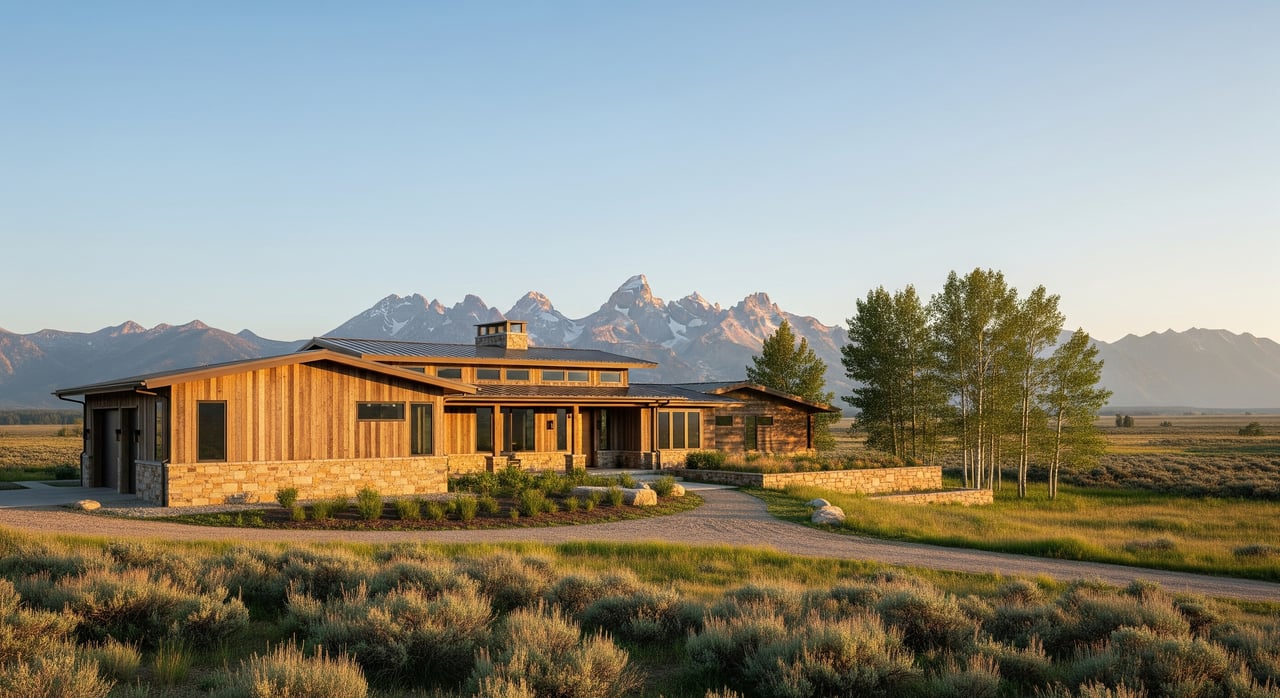
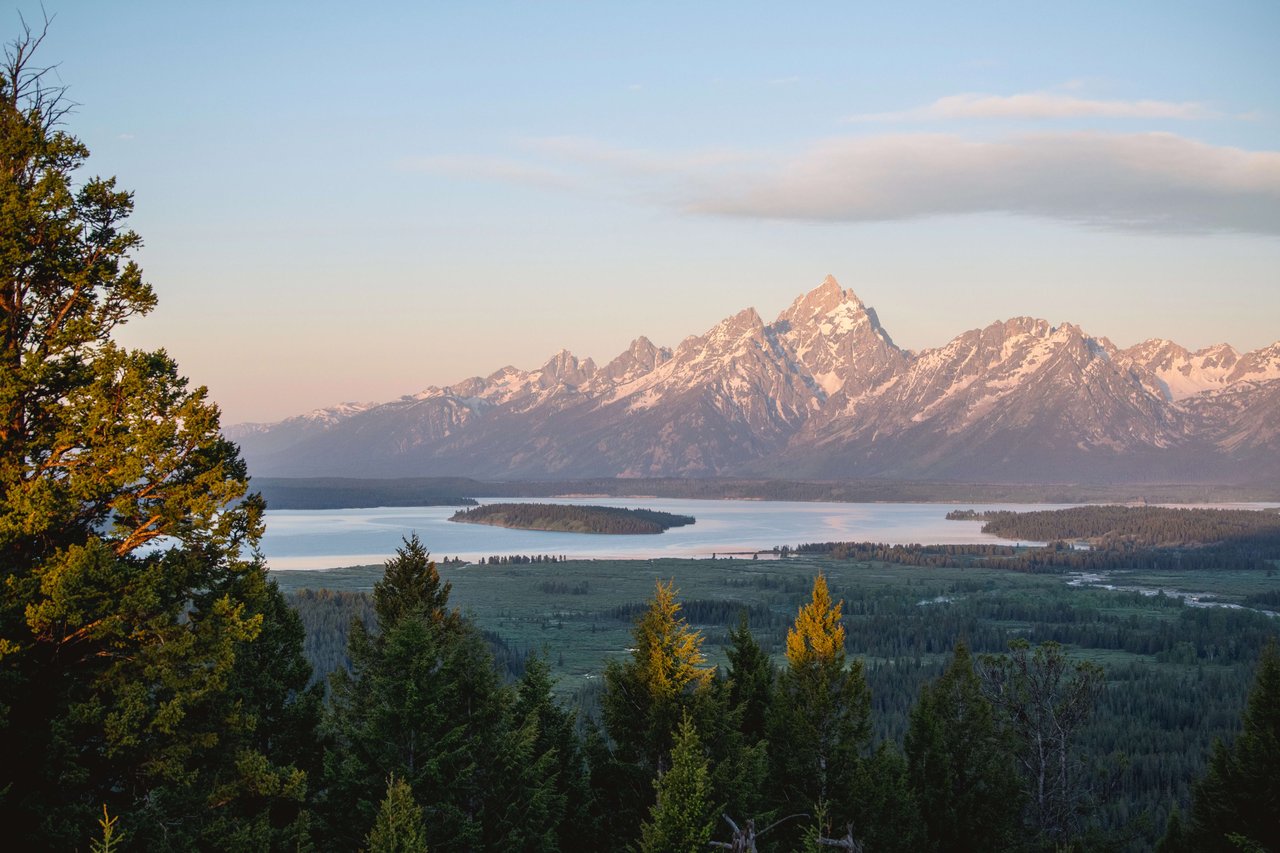
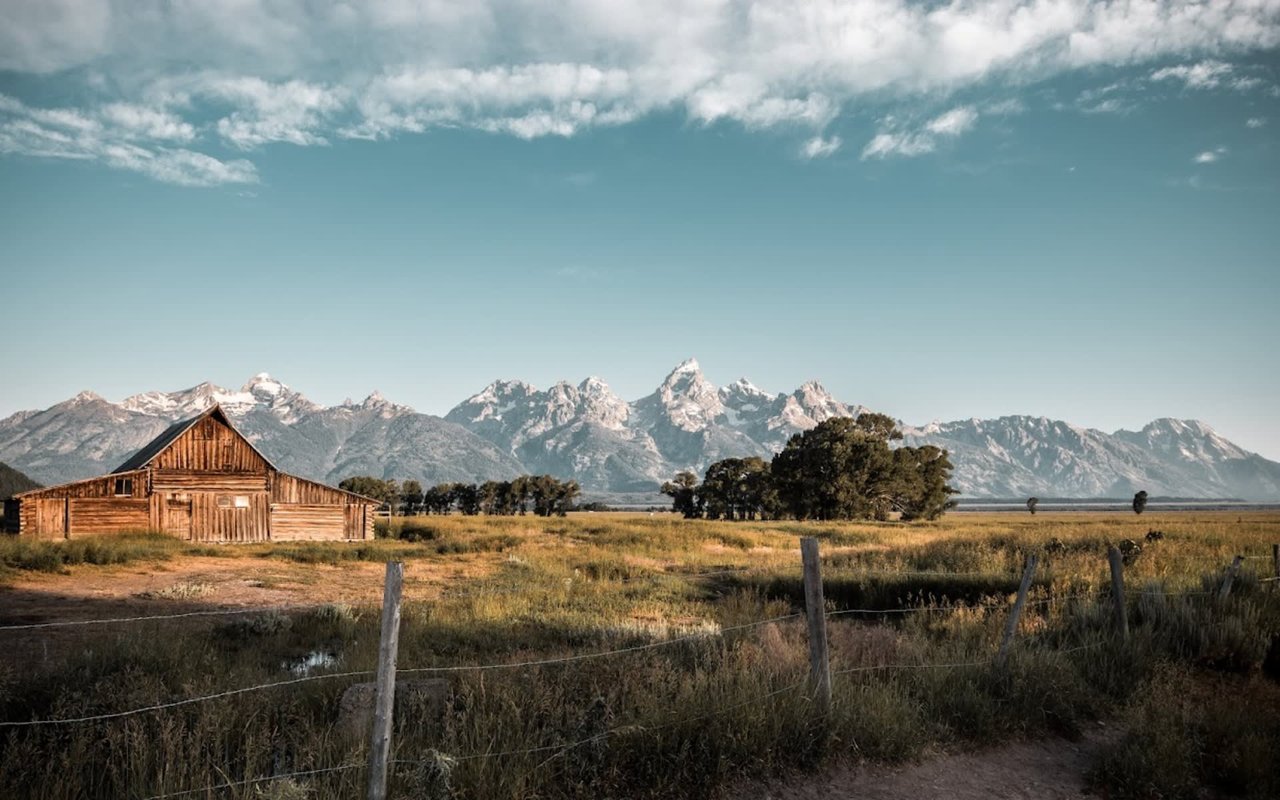
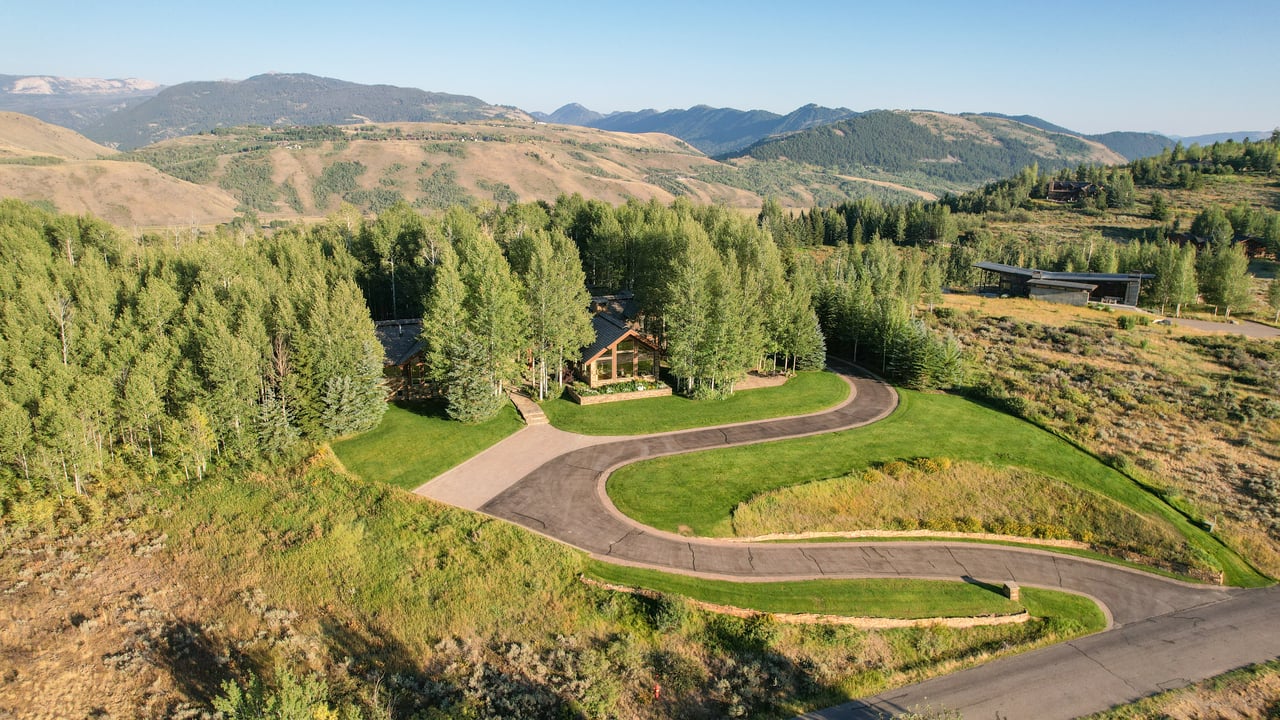
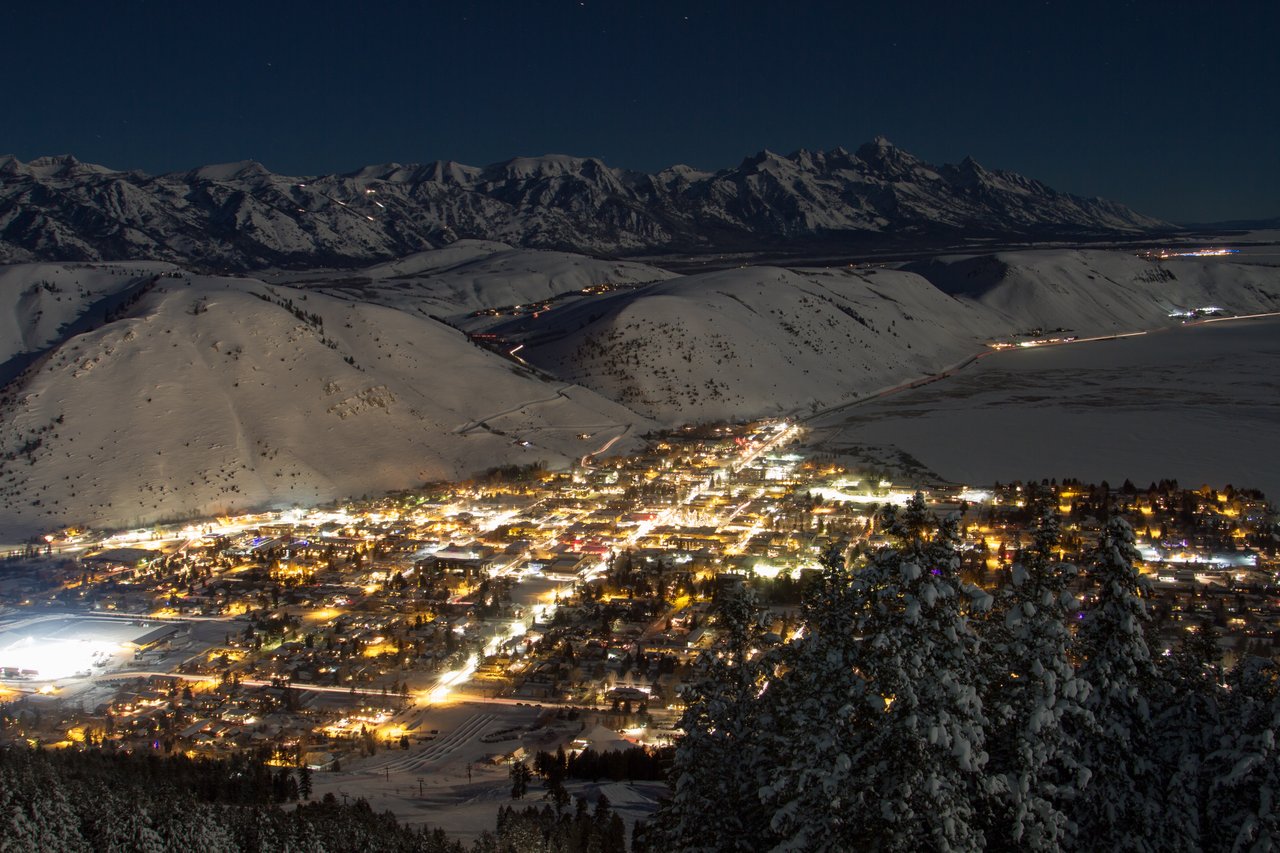
You close on a parcel north of town, somewhere between the Golf and Tennis clubhouse and the sage flats that roll toward Grand Teton National Park. The view is the reason you bought here. So is the elk herd that crosses the property twice a year, the moose that beds down in the willows along the ditch, the pronghorn that thread the fence lines on their way to winter range. A few weeks later you call a fencing company to keep the dog in the yard or the horses on the near pasture, and the fence goes up clean and handsome. Then a county notice arrives saying it does not comply.
This is not a hypothetical. It is the exact pattern Teton County and the Jackson Hole Wildlife Foundation have been trying to interrupt for the past several months, and it happens most often to the buyer profile that dominates purchases north of Jackson: someone new to Wyoming, buying a large parcel inside a documented wildlife corridor, who reasonably assumes a fence is a landscaping choice rather than a regulated piece of site infrastructure.
A Fence Is Part of the Site Plan, Not an Afterthought
Teton County treats new fencing the same way it treats a driveway or a septic line. It has to appear on your site plan when you apply for a residential building permit, with location, height, and type specified up front. The standard itself, codified as Land Development Regulation Section 5.1.2, sets three numbers that govern almost every new fence in unincorporated Teton County:
- Maximum height of 38 inches above the ground
- A minimum 12-inch gap between the top two wires, or between the top rail and the wire beneath it
- A minimum 16-inch clearance between the bottom of the fence and the ground
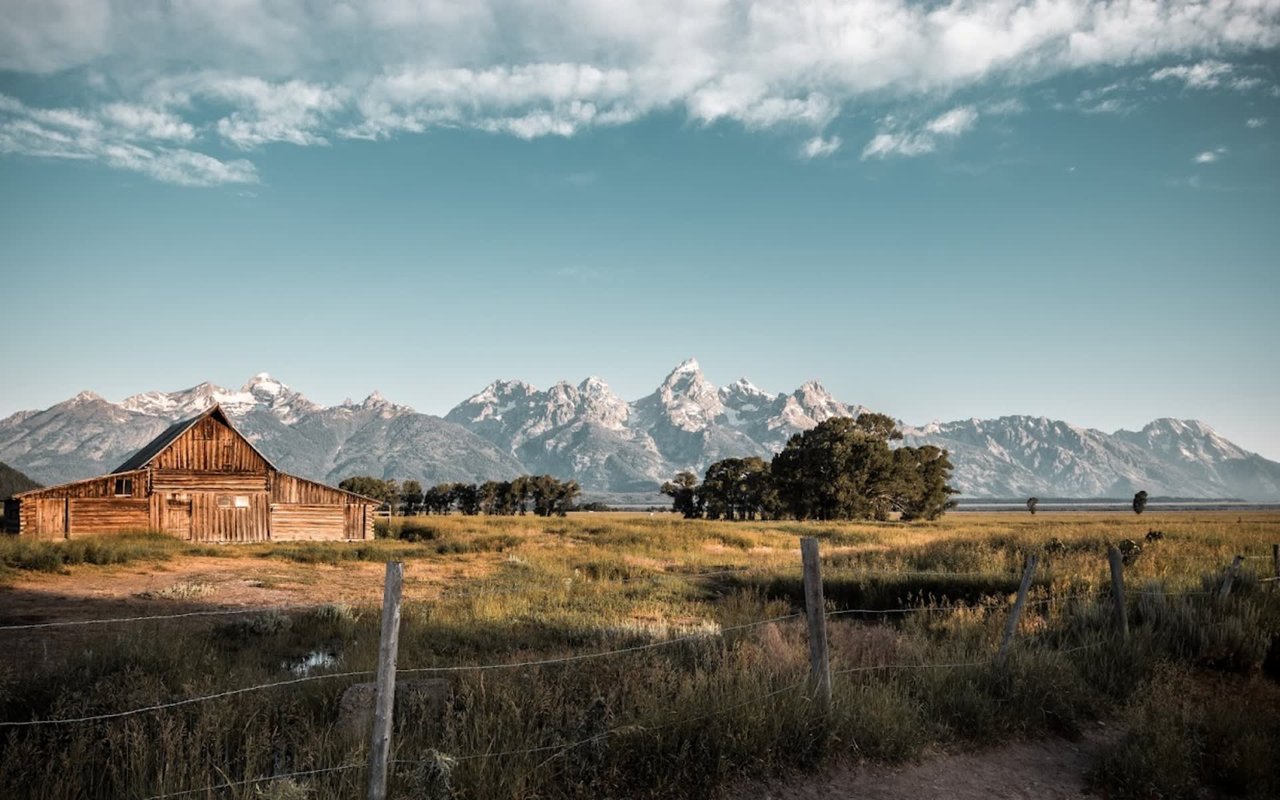
Buck and rail fencing, the stacked wooden style that reads as classically western in postcards of the valley, is prohibited on new construction unless the property owner gets a Special Purpose Fencing Exemption from the Planning Director. The three-dimensional structure that makes it visually distinctive is also what makes it hard for a moose calf or a pronghorn fawn to clear cleanly, which is why the county built the exemption requirement around it rather than banning it outright.
None of this is hidden. It sits on the county's own FAQ page under Planning and Physical Development. The problem is not secrecy. It is timing: most buyers do not think to ask about fence code before they own the parcel, and by the time they are picking a contractor, the code has already become someone else's job to know.
Why New Landowners Are the Ones Who Get Caught
At a fencing workshop the Jackson Hole Wildlife Foundation hosted with the county at the Teton County Library, eighteen contractors, landscape architects, and property managers showed up to get current on the rules, the Jackson Hole News&Guide reported. The outlet quoted Cody Pitz, the foundation's habitat restoration program coordinator, saying:
"It's newer landowners who are hiring companies to build their fences for them."
Other attendees at that session agreed the problem is most pronounced when newcomers to Wyoming buy large swaths of land and then hand the fencing decision entirely to whichever company they hire, trusting that company to already know the code. Sometimes that trust is well placed. Sometimes it is not, and the landowner is the one who ends up with a noncompliant fence and a permit correction to sort out.
The county was also candid about a related gap: when a reporter asked the Planning Department for the number of fencing violations logged in recent years, it could not produce that figure by deadline. There is no public tally a buyer can check before choosing a builder. The only reliable way to avoid becoming a data point is to get the fence right the first time, which means knowing the numbers above before you sign a contract, not after an inspector flags the result.
For anyone considering acreage in the neighborhoods that make up North of Jackson, from the Golf and Tennis Club homesites to the larger parcels at Bar B Bar Ranch and Bar BC Ranch, this is worth raising with your agent and your contractor at the same time you are discussing well capacity or driveway access. It belongs on the same list.
What Counts as a Deviation, and What It Costs to Fix
Not every departure from the standard requires a formal exemption. According to Wyoming News, small enclosures, up to 200 square feet, built to contain a dog run, a garden, or a play area are generally allowed without a permit. Anything larger, or any use of prohibited materials like buck and rail, requires a Special Purpose Fencing application submitted through the county's SmartGov portal.
As of January 1, 2026, that exemption request costs $100, according to Teton County's fee schedule. It is a modest fee relative to the cost of building or rebuilding a fence line on several acres, which is precisely why it makes sense to file for it before construction rather than discover you need one after a code enforcement visit.
The Acreage Exception Most Buyers Don't Know to Ask About
Large-lot buyers north of Jackson have one advantage worth confirming early. According to Pitchstone Waters, fencing on properties the county assessor classifies as agricultural, and that exceed 70 acres, is exempt from the wildlife friendly fencing standard, covering both new construction and existing fence lines. This matters directly for parcels at Bar B Bar Ranch, where individual homesites range from roughly 35 acres up past 100, and for other large tracts along the Snake River corridor.
The exemption depends on the assessor's classification, not simply on acreage or on how the land is used day to day. A parcel that looks agricultural to the eye is not automatically classified that way in county records. Confirming that classification before you plan a fence line, rather than assuming it based on lot size, saves a conversation with the Planning Department later.
A New Way to Get It Right the First Time
The county and the wildlife foundation built a response to the pattern Pitz described. In June 2026, eight local companies completed a training led by Ben Wise, a senior wildlife biologist with the Wyoming Game and Fish Department, Rebecca Sullivan, the county's code compliance officer, and Kurt Smith, a research scientist at the University of Wyoming, with sponsorship from the Mule Deer Foundation. Those eight companies now carry the designation of Certified Wildlife-Friendly Fence Professional, and a directory of them is available through the Jackson Hole Wildlife Foundation's website.
Working from that list means starting the conversation with a contractor who has already sat through the specifics of LDR 5.1.2 rather than one encountering it for the first time on your job site. For a buyer moving through their first Wyoming land purchase, that is a meaningfully different starting point.
The wildlife corridor that runs through this part of the valley is not incidental scenery. It is the reason elk, moose, bison, and pronghorn are visible from the properties that make north of Jackson distinctive, and it is the same reason the county treats fence height and spacing as a land use question rather than a personal preference. Buying here means becoming part of how that corridor stays open. Getting the fence right the first time is a small, concrete way to do that.
Frequently Asked Questions
Does the wildlife friendly fencing standard apply if I am only repairing an existing fence? Repair and replacement of old fencing, and fencing tied to active agricultural use, carry different treatment under the code. The county's Planning Department can walk through the specifics for a given property, since the answer depends on the fence's history and current classification.
Does this rule apply inside a gated subdivision like Bar B Bar Ranch or Jackson Hole Golf and Tennis? Individual subdivisions may layer on their own architectural or landscaping guidelines through a homeowners association. Checking both the county code and any subdivision covenants before building is the safer path.
Who do I contact if I already have a fence and I am not sure it complies? The Jackson Hole Wildlife Foundation offers help bringing existing fences into compliance, including volunteer fence crews in some cases, and can be reached at (307) 739-0968 or through jhwildlife.org. Participation is voluntary, and the conversation tends to be far more useful before a project starts than after.
If you are evaluating acreage north of Jackson and want a clear-eyed read on what a specific parcel allows, from wildlife corridor considerations to building envelope and access, Tom Evans Real Estate is glad to walk through it with you. Request a confidential consultation before you get to the fence line.
This article is general information, not legal, tax or financial advice. Consult a qualified professional about your situation.