A buyer scanning market reports this year will find North of Jackson mentioned as a standout again. Fastest growth. Highest dollar volume. The year's biggest land sale. Read closely enough and a different story appears: these headlines describe a corridor where a handful of total transactions happen each year, which means one closing can move every percentage in the report.
That is not a criticism of the area. It is a warning about the arithmetic.
The 211 Percent That Was Really One Ranch
In the first half of 2024, North of Jackson recorded just 12 sales, yet it ranked first in the entire valley for dollar volume, at $153 million, up 211 percent year over year. A jump like that reads as a market on fire. Look at what filled it and the picture narrows to a single transaction: the sale of the Grand View River Ranch, which had been listed at $58 million. One property, roughly a third of the corridor's entire half-year volume.
Twelve sales is a small enough sample that a single deal can swing the average by triple digits. That is not manipulation on anyone's part. It is what happens when a market this thin gets measured the same way a market with hundreds of transactions gets measured.
Same Story, One Year Later
At the close of 2025, North of Jackson turned up again as the valley's growth leader, described in year-end reporting as the area with the largest jump in activity, alongside the year's highest land sale: a 70-acre parcel with Snake River frontage listed at $17,800,000. The same report placed North of Jackson among just three areas of the valley, alongside the Town of Jackson and the Fall Creek Road corridor, that led all luxury activity for the year.
Those are genuine signals of demand. They are also, again, a story built on very few properties changing hands. A single 70-acre river parcel can define an entire year's land narrative for a corridor where buildable, river-fronting land rarely comes to market at all.
| Reporting period | Headline stat | What was actually behind it |
|---|---|---|
| First half of 2024 | #1 in valley dollar volume, up 211% on 12 sales | One sale: the Grand View River Ranch, listed at $58 million |
| Year-end 2025 | Largest jump in activity valley-wide | The year's top land sale: a 70-acre Snake River parcel listed at $17.8 million |
Widen the lens to the whole valley and the pattern holds. Reporting on the first quarter of 2026 flagged two outsized transactions, the roughly $350 million sale of the Four Seasons Resort Jackson Hole and a $19 million luxury land deal, as having skewed the quarter's overall volume and key metrics. Jackson Hole's real estate reporting runs on small numbers of very large deals. North of Jackson is simply where that tendency shows up most consistently, because of what the corridor actually contains.
Why This Corridor Keeps Doing This
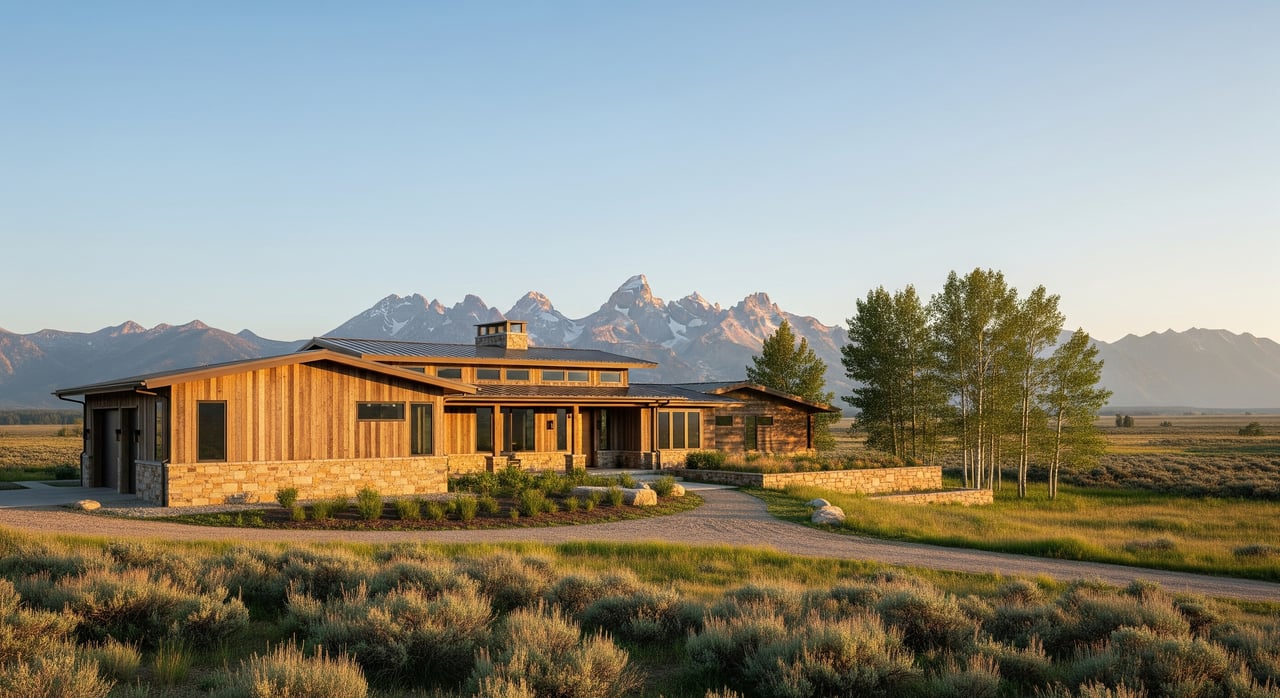
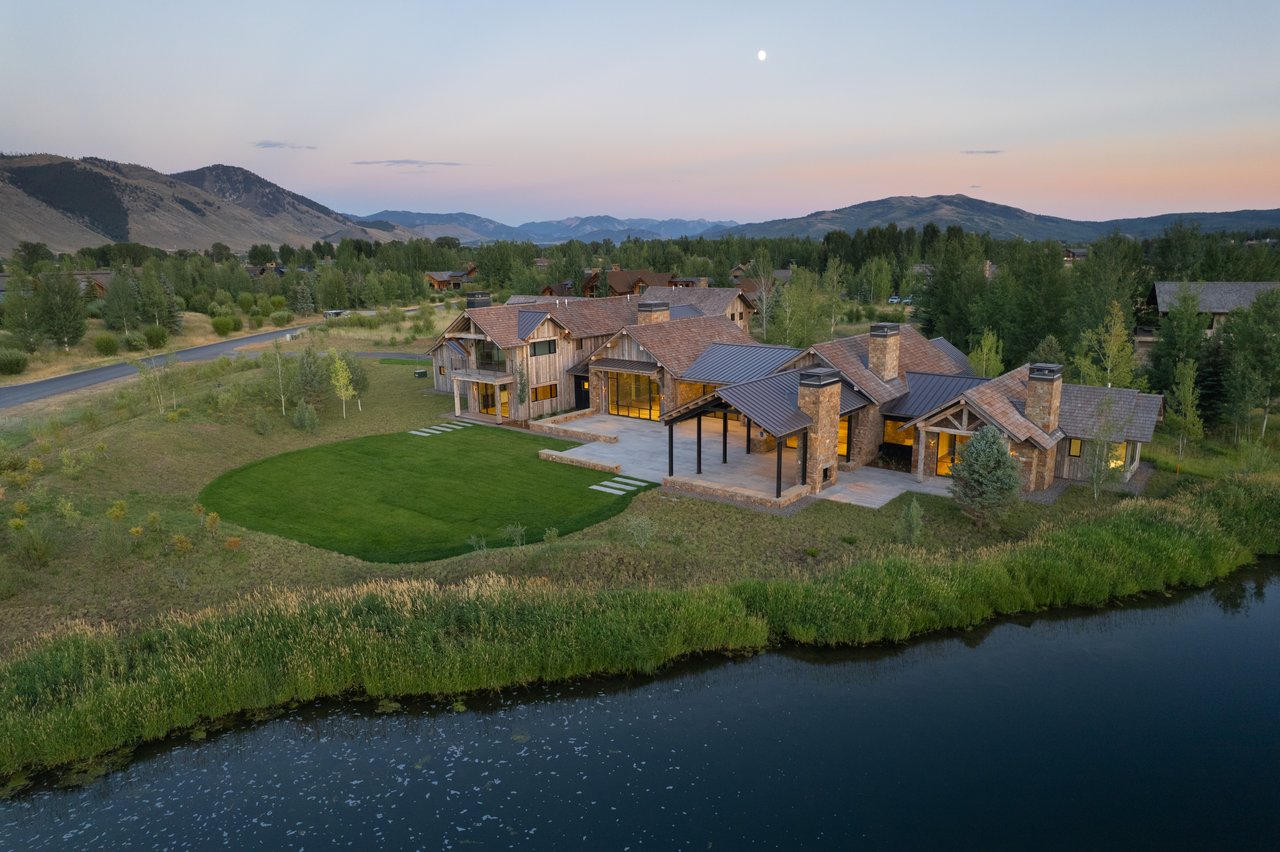
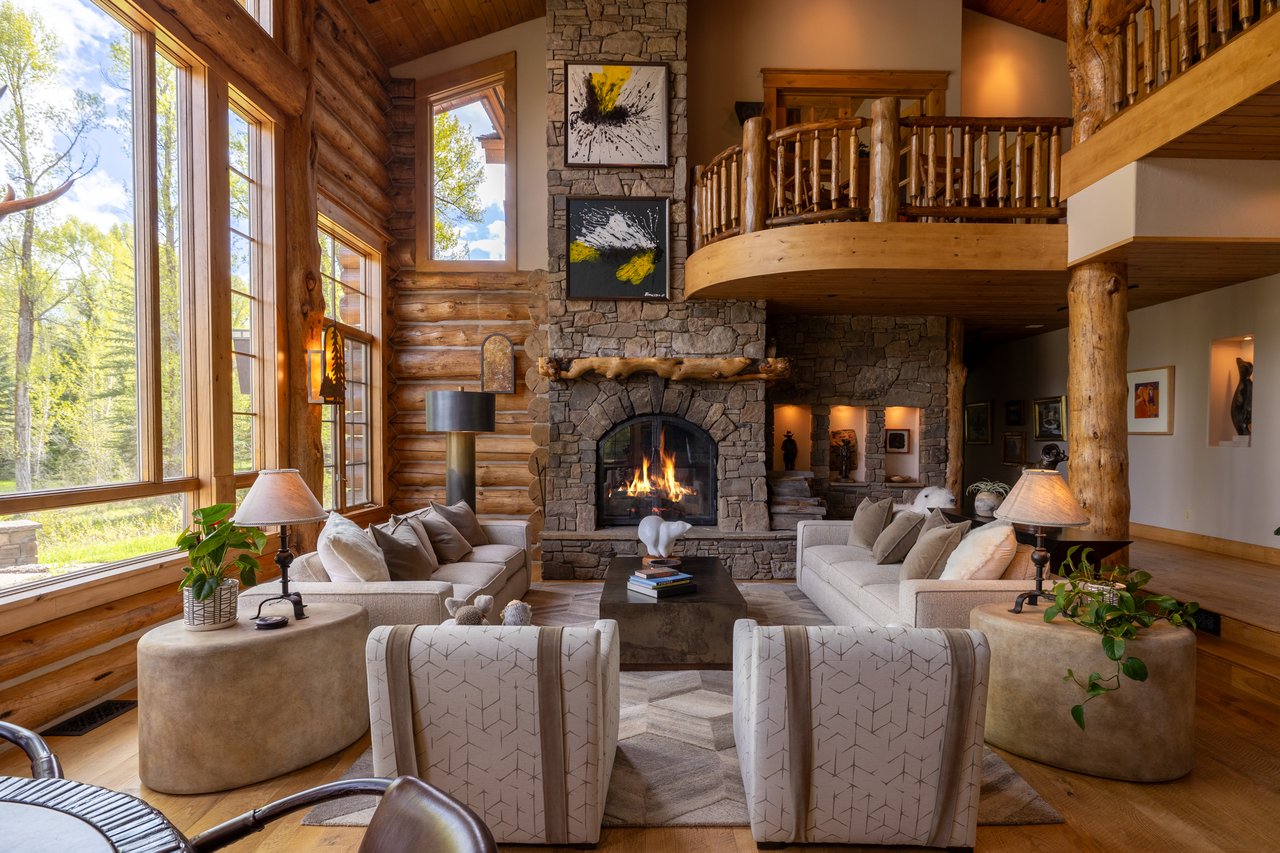
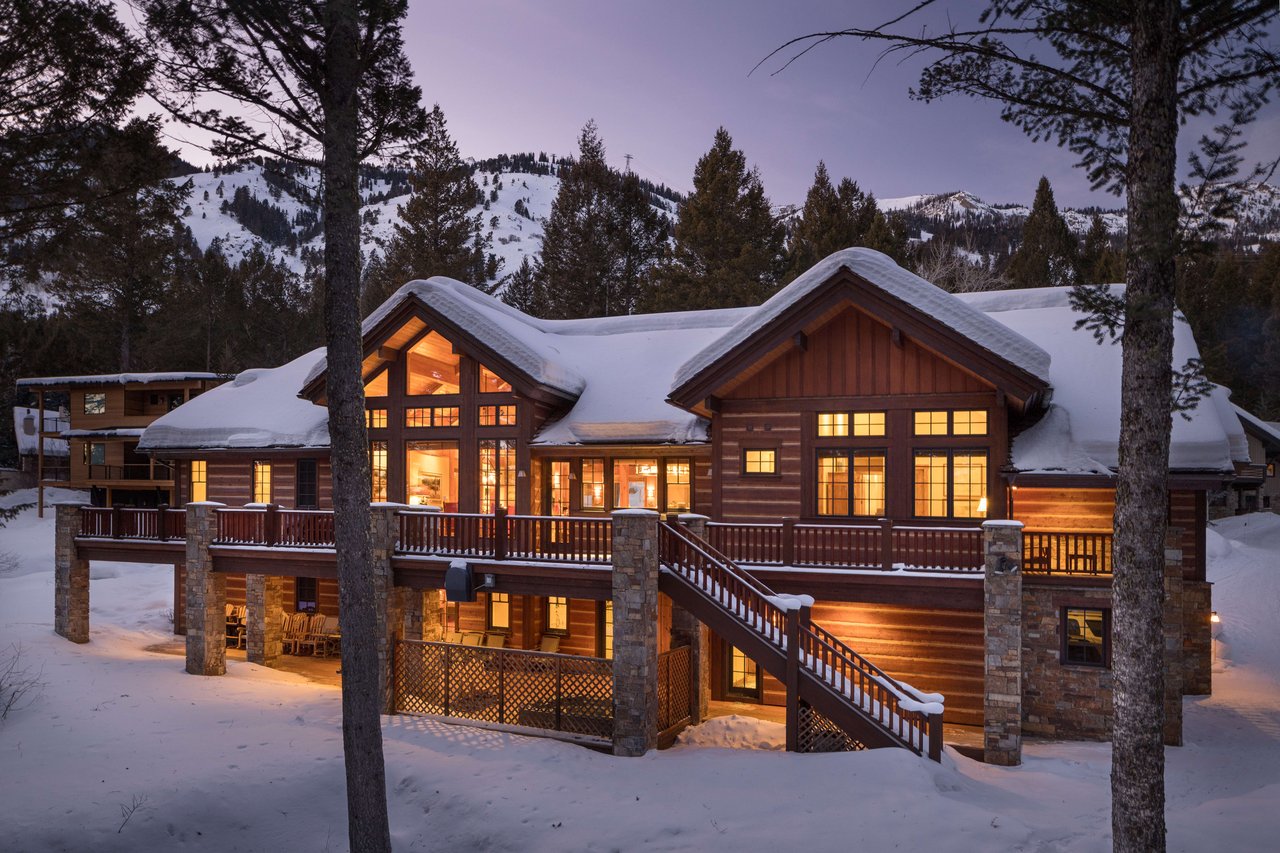
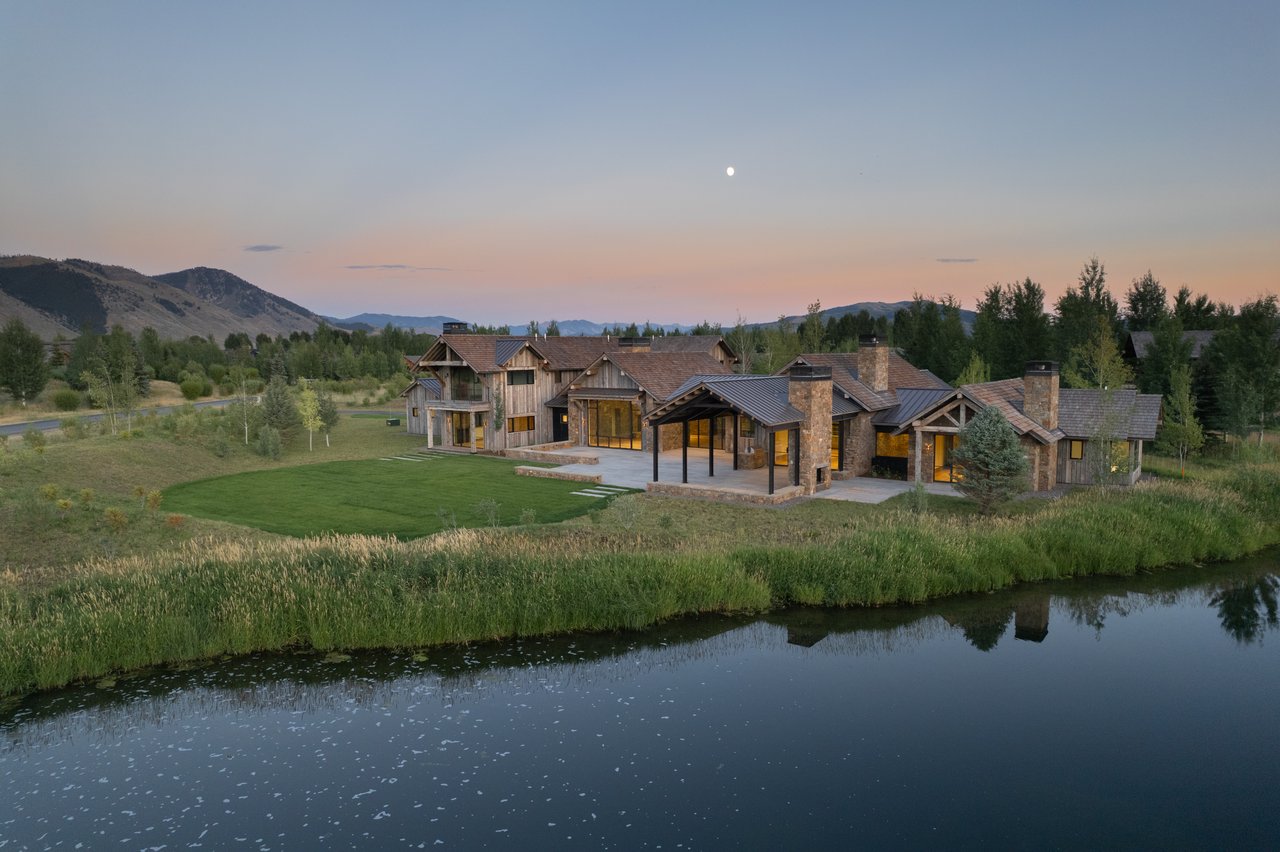
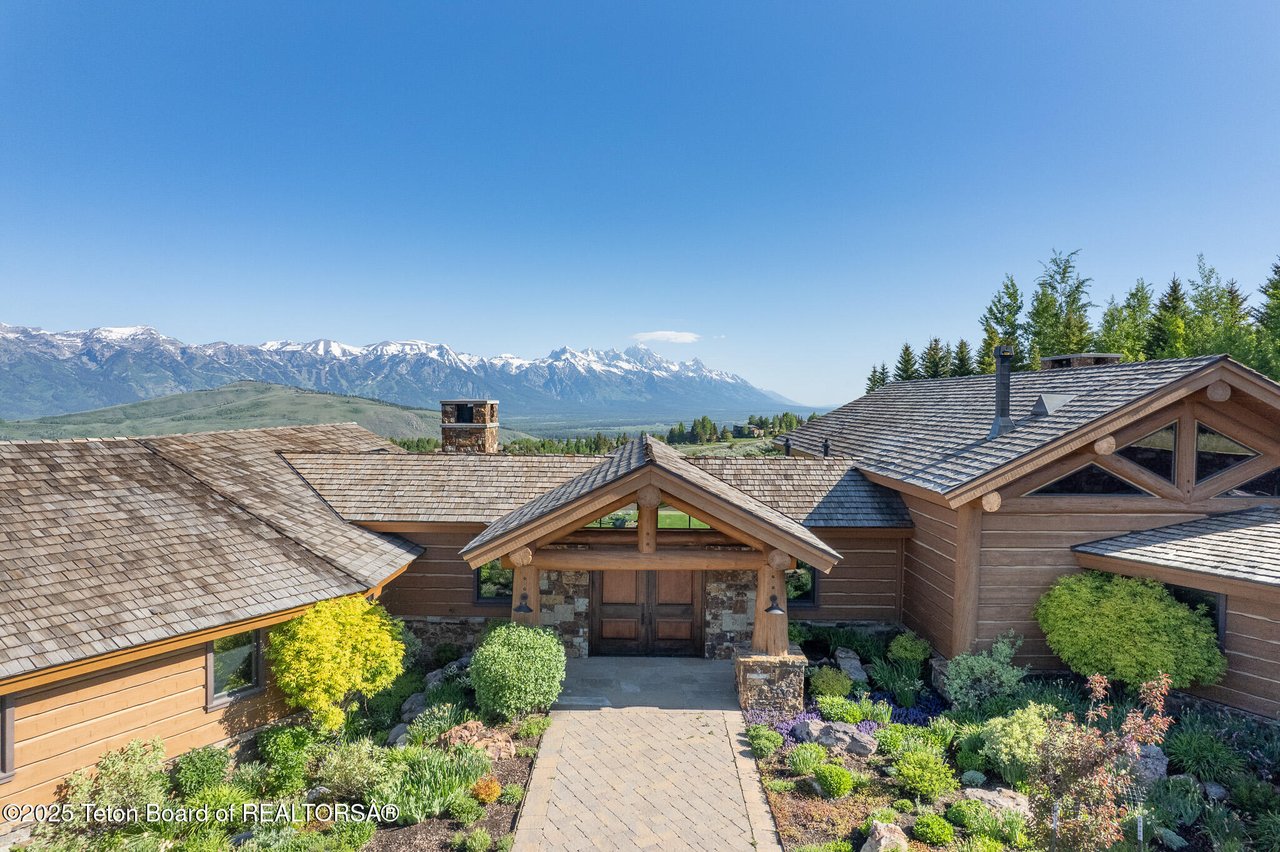
North of Jackson is not one kind of inventory. It runs from condominiums built around the Jackson Hole Golf & Tennis Club, whose course underwent a $15 million renovation under Robert Trent Jones Jr. in 2007, to Snake River-fronting estates that rank among the largest and most expensive homes in the valley. In between sit named subdivisions like Bar B Bar Ranch, Solitude, Fairway Estates, and the gated Indian Springs Ranch, where homes commonly run from $8 million into the $20 million range.
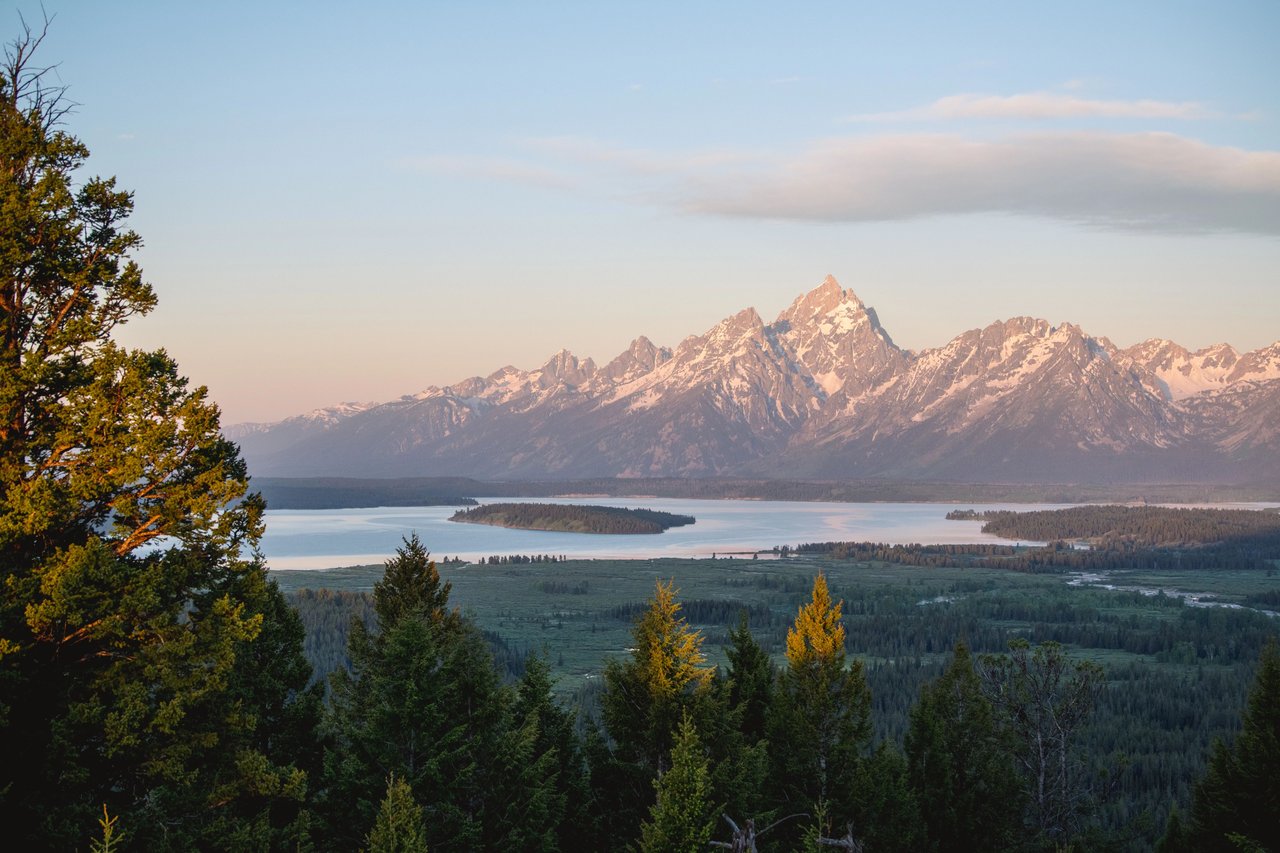
Push north past the Jackson Hole Airport and the corridor threads through roughly 20 miles of Grand Teton National Park before reaching Moran and Kelly, where a small number of true inholding properties, private land completely surrounded by national park or forest, come up for sale only rarely. The private land base up there keeps shrinking on top of that. In late 2024, the federal government closed on the 640-acre Kelly parcel for $100 million, folding one of the last major unprotected tracts inside Grand Teton National Park into permanent public ownership.
Bimodal inventory, a handful of subdivisions, and a shrinking pool of private land north of the airport add up to a market where the total number of sales in any given period stays small by design. Small counts do not average out outliers, they amplify them.
The Land Lag Underneath the Land Sale
The land side of this story carries its own friction. Valley-wide, land sales in 2025 averaged 227 days on market, nearly 60 percent longer than homes or condos, even as vacant land inventory rose 42 percent by year-end to its highest level since 2019. Momentum was building heading into 2026, with seven vacant land properties under contract as the year closed, but the underlying pattern held: land in Jackson Hole takes far longer to sell than finished homes, no matter how much buyer interest exists on paper.
Part of that lag comes from what actually has to get resolved before a land deal closes here. Wildlife overlays, conservation easements, and water rights are not paperwork exercises in this corridor, they shape what can be built and where, and they take time to work through. A 70-acre river parcel does not trade at the pace of a finished home precisely because so much of the value, and so much of the diligence, sits in the land itself rather than in a structure that can be inspected in an afternoon.
That is the second half of the North of Jackson pattern. The headline sale gets the attention. The months it spent on market, and the technical work that filled them, rarely make it into the summary.
What This Means If You're Comparing Neighborhoods
If you are weighing North of Jackson against the Westbank, Fall Creek Road, or the Town of Jackson using percentage-change headlines alone, you are comparing noise levels, not demand. The better question for any reporting period is not "how much did this area grow," but "how many transactions is that growth built on, and what were they."
A corridor built around one golf club community and a scattering of river-frontage estates will always produce more dramatic swings than a neighborhood with steady transaction volume across dozens of comparable homes. That is not a flaw in North of Jackson. It is a feature of buying into scarcity, and scarcity is exactly what draws buyers here in the first place, from the Snake River frontage north of the airport to the rare inholding parcels near Moran.
What it does mean is that the stat worth asking for is not the year-over-year percentage. It is the transaction count behind it, the property type mix, and how long the land component actually sat on market before it closed. That is the kind of detail that only shows up when someone is tracking this specific corridor deal by deal, not pulling a valley-wide summary.
Frequently Asked Questions
Does a big year-over-year jump in North of Jackson mean the whole area is appreciating? Not necessarily. As shown above, headline jumps in this corridor have repeatedly traced back to one or two large transactions rather than broad price movement across many comparable sales. A single estate or land sale can move the percentage without moving the market for a typical home in the area.
Why does land here take so much longer to sell than homes? Valley-wide, land sales in 2025 averaged 227 days on market, close to 60 percent longer than homes or condos. Much of that time goes into resolving site-specific factors such as wildlife overlays, conservation easements, and water rights, work that a finished home simply does not require.
Is North of Jackson still a strong area for luxury buyers despite the small transaction counts? Year-end 2025 reporting placed North of Jackson among just three areas of the valley, alongside the Town of Jackson and the Fall Creek Road corridor, that led all luxury activity for the year. The low transaction count is a function of scarce inventory, not weak demand.
If you are weighing a purchase north of town and want to see the actual transaction history behind a specific subdivision or parcel, not just the year-over-year headline, Tom Evans Real Estate can walk through it with you. Request a Confidential Consultation to start that conversation.