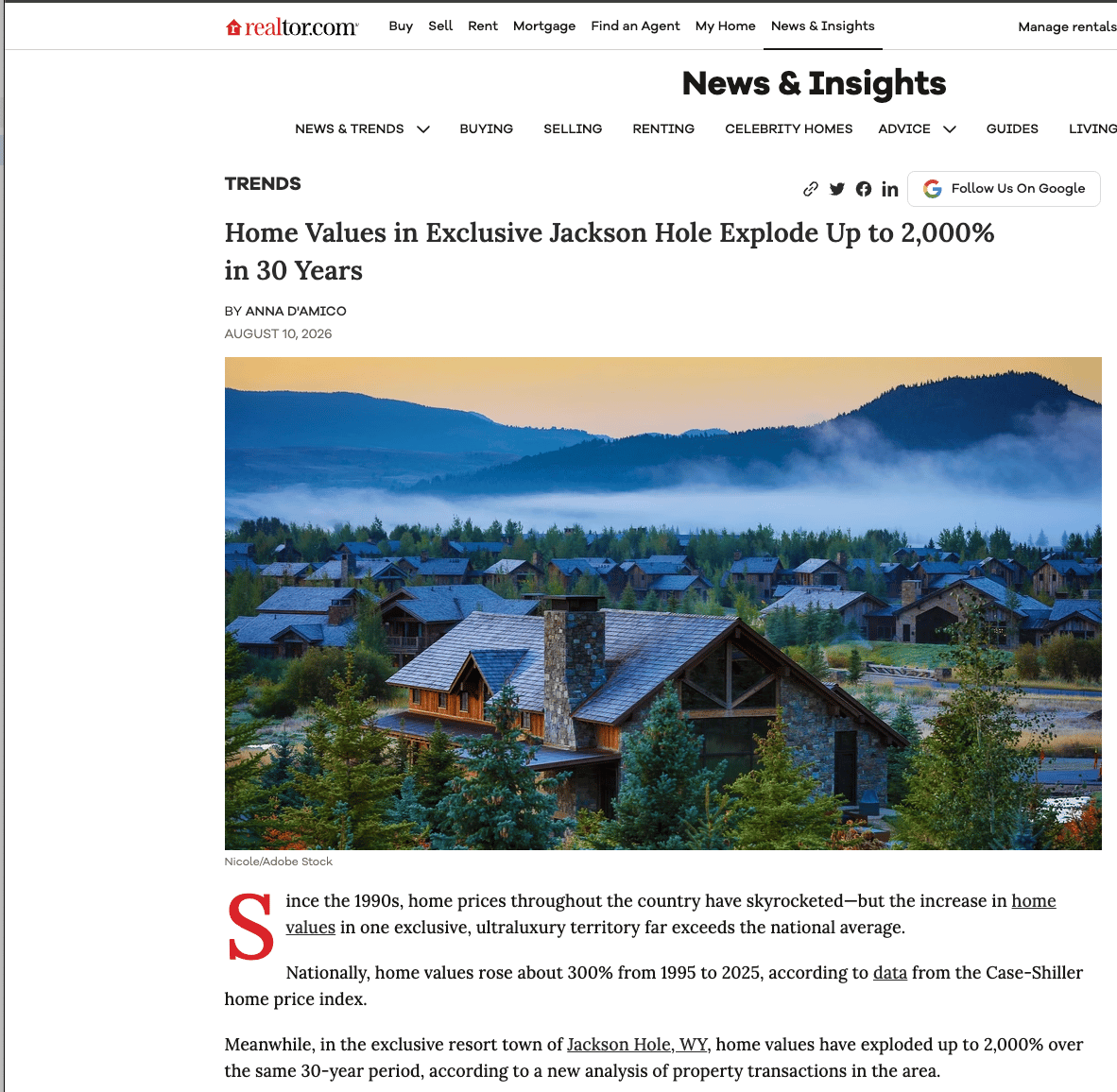
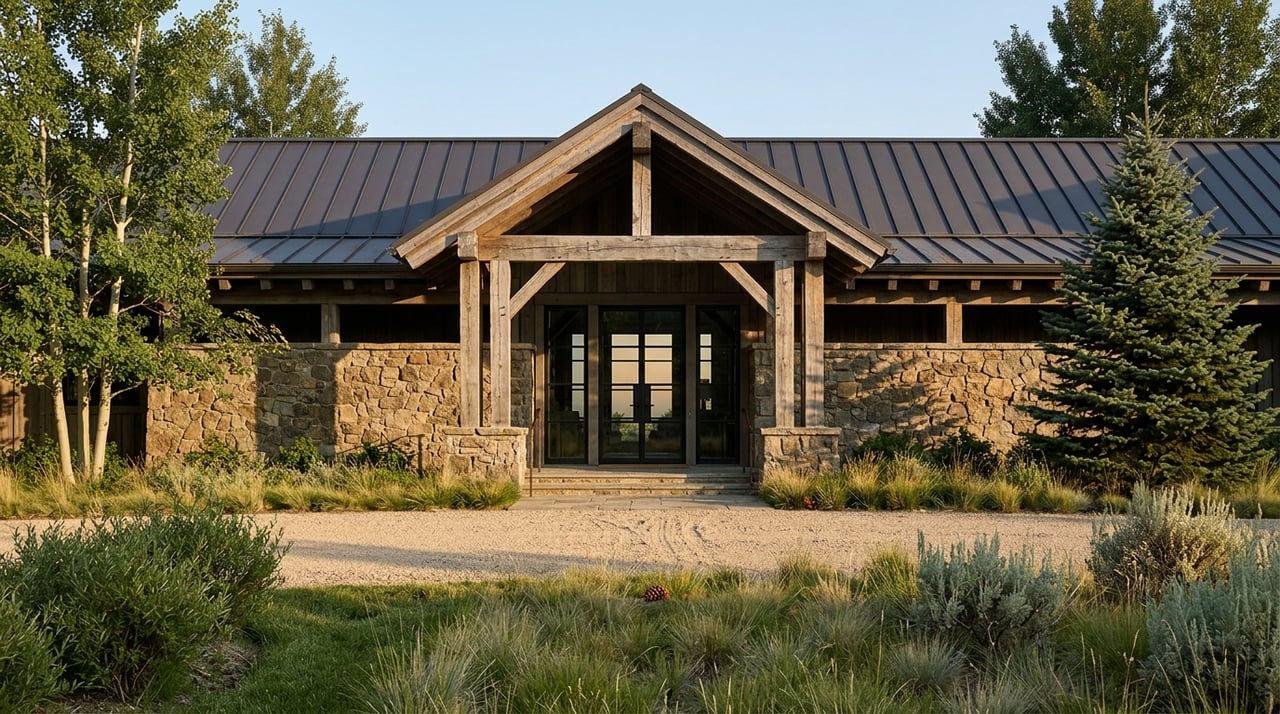
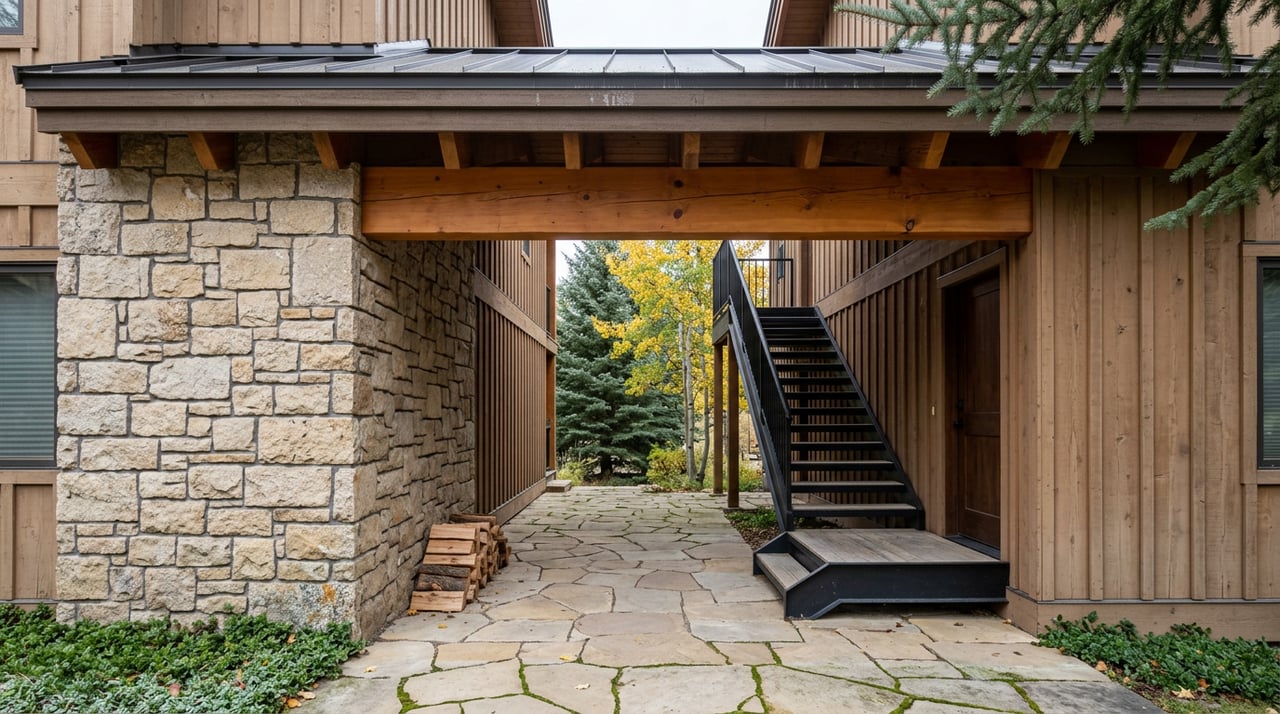
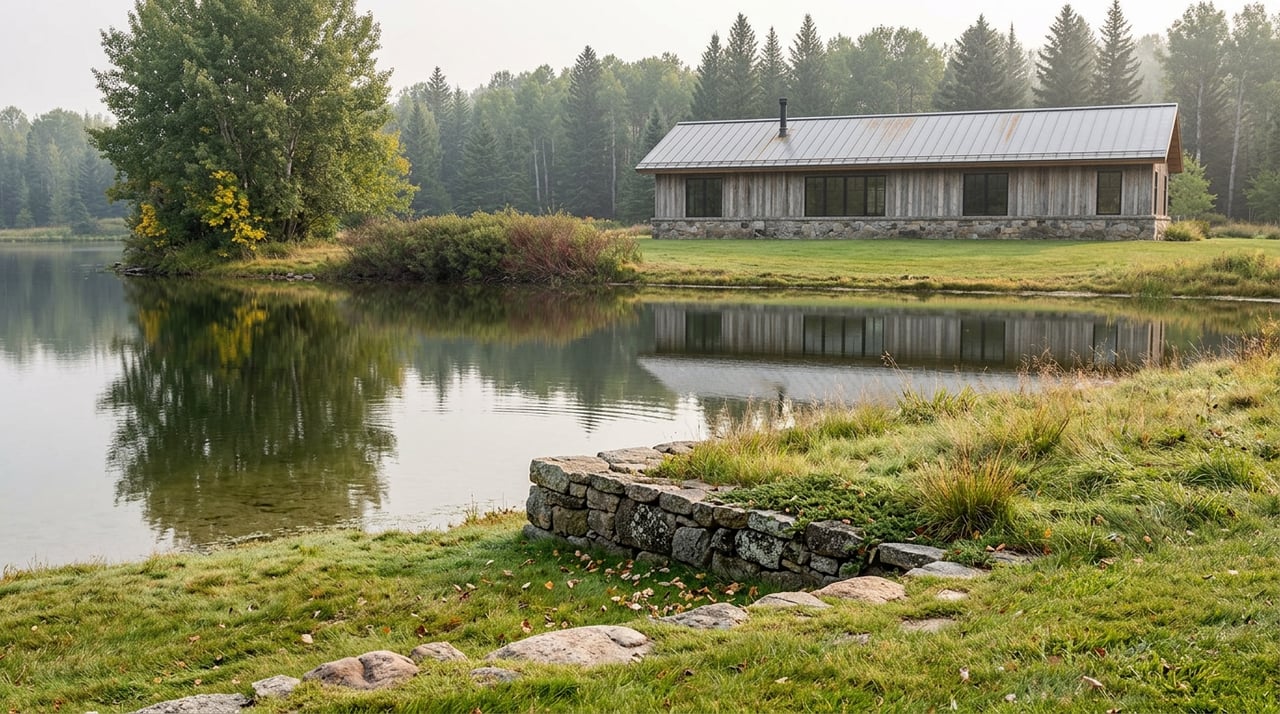
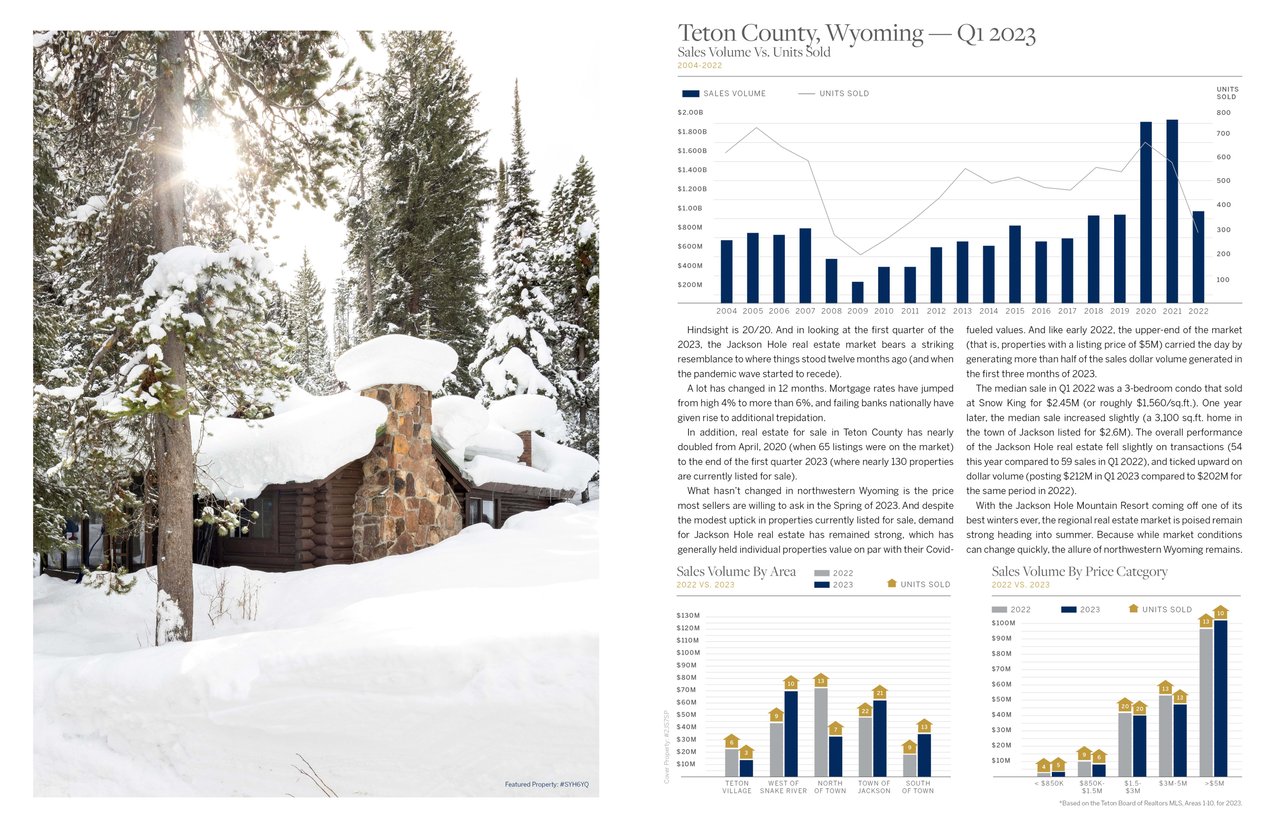
Ask three different Jackson Hole brokerages how much business Fall Creek Road did last year and you will get three different answers. One report says sales along the corridor south of Wilson jumped 125 percent. Another, covering a different slice of the same market, puts the number at 550 percent. A third lands somewhere in between, describing a run from 5 transactions to 14. None of these firms are wrong. They are measuring the same small, fast-moving pocket of the valley from slightly different angles, and the fact that none of them agree is itself the most useful thing a buyer can learn about this stretch of road.
Fall Creek Road has become the example every 2025 and 2026 market report reaches for when it needs proof of unexpected momentum. What none of those reports quite say out loud is why. The road did not become more scenic. The fishing did not improve. What changed is the price of everything closer to the village of Wilson, and Fall Creek Road is where that pressure went.
The Road Itself
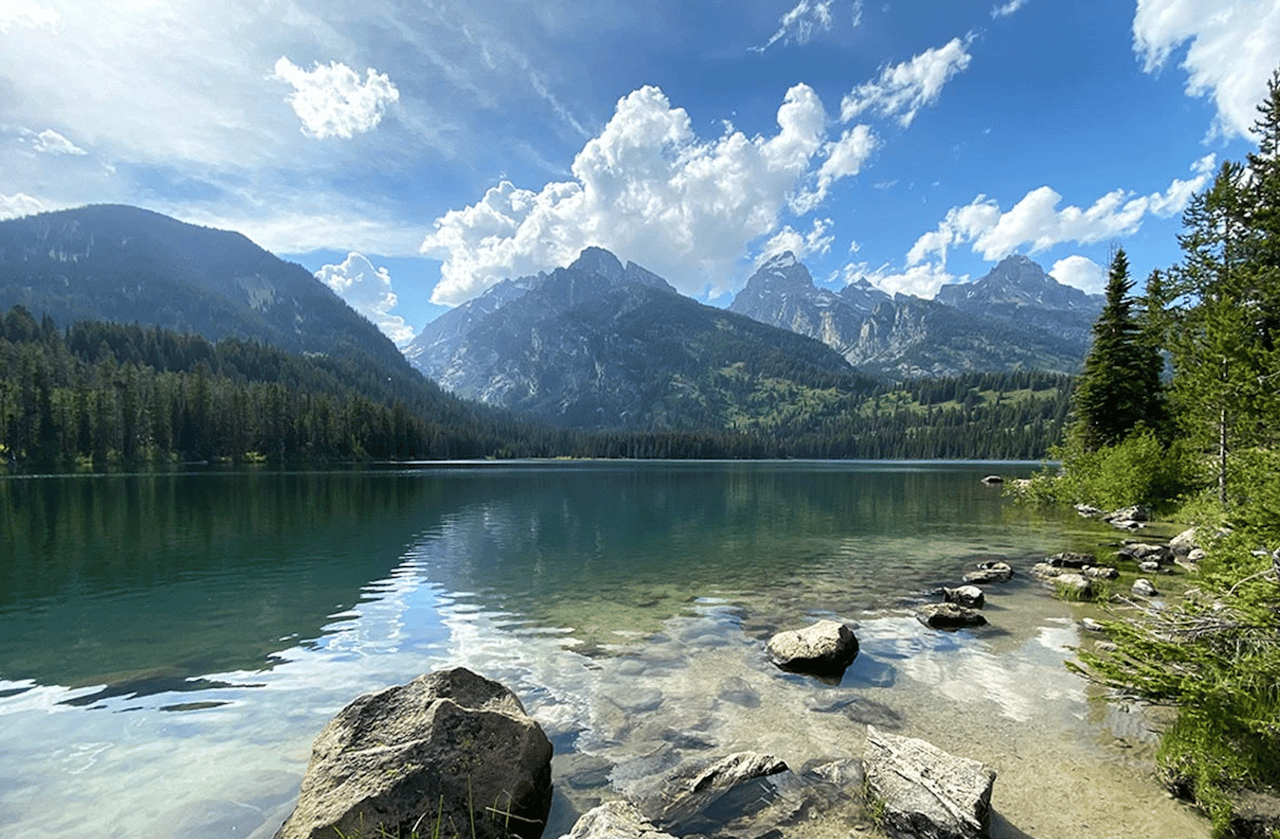
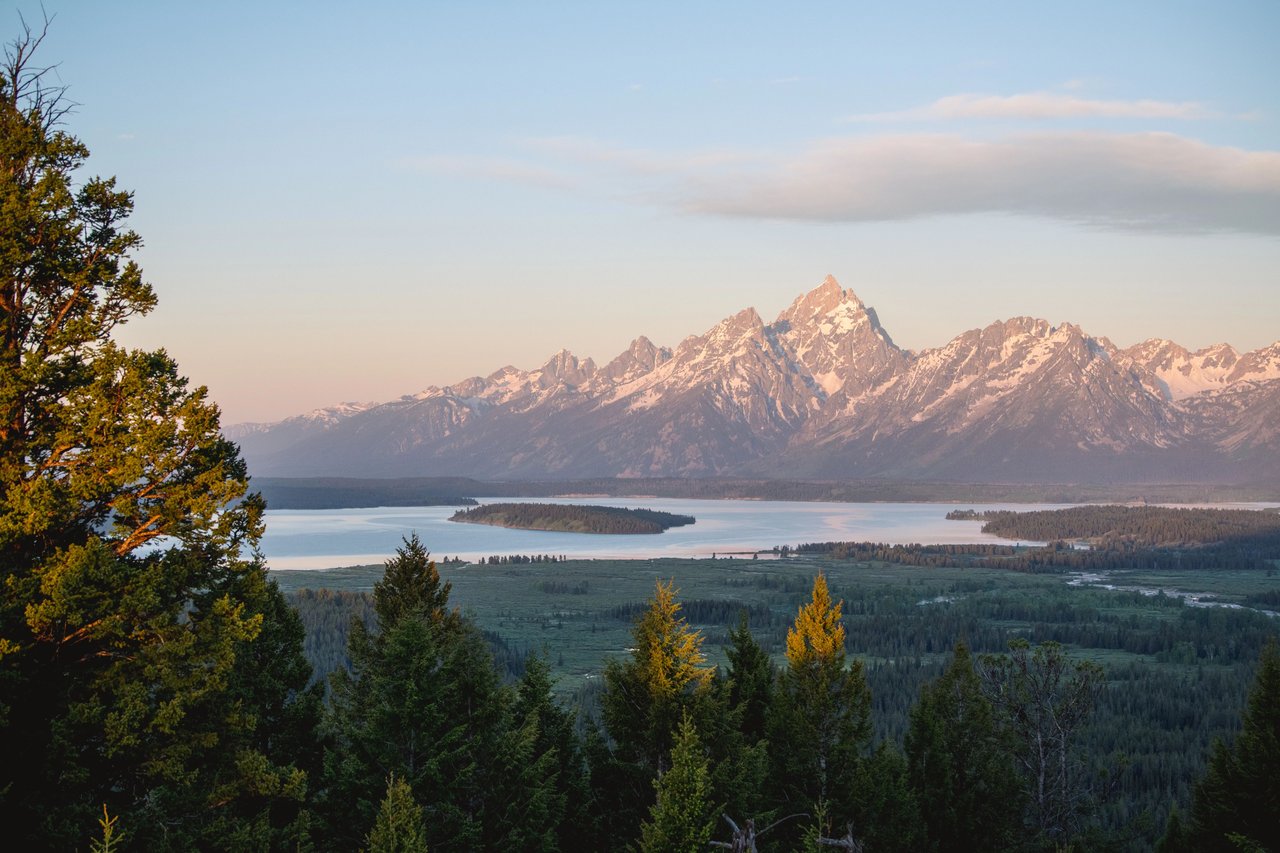
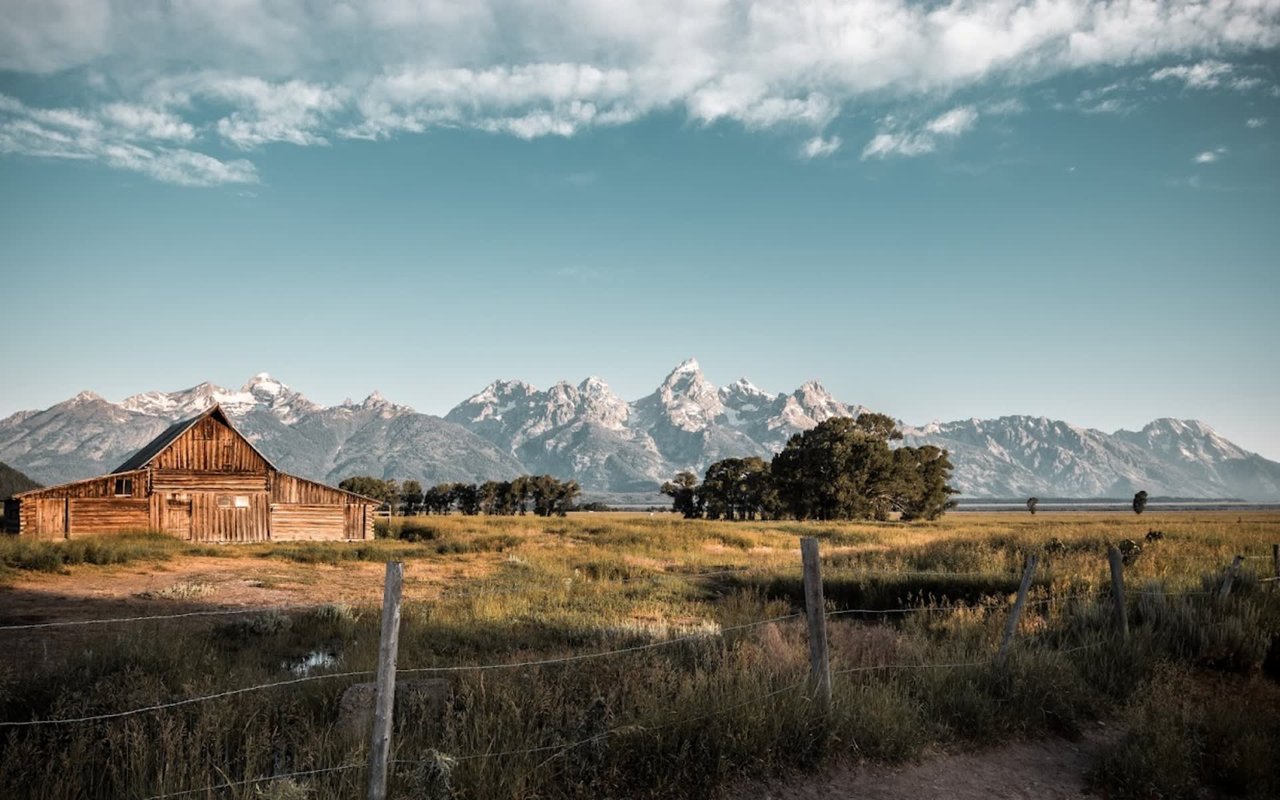
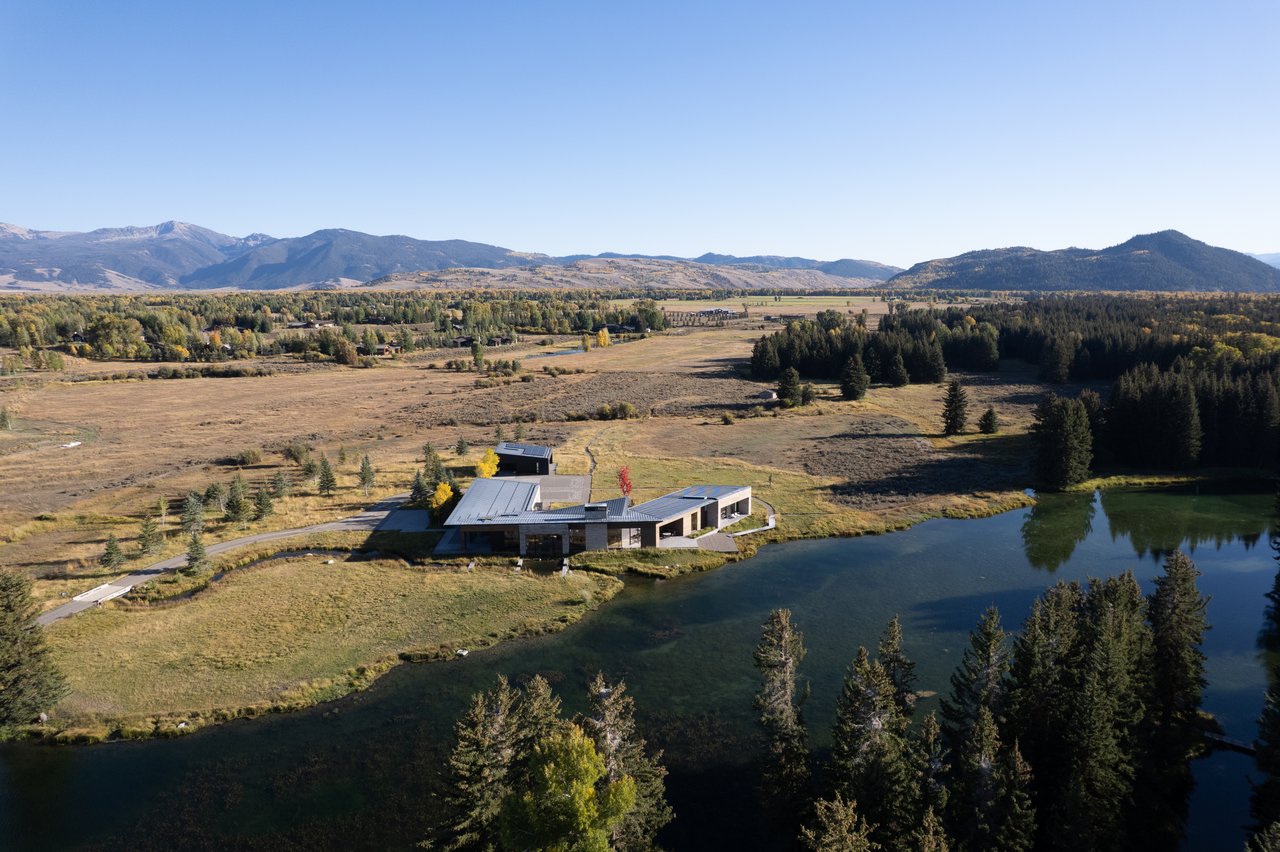
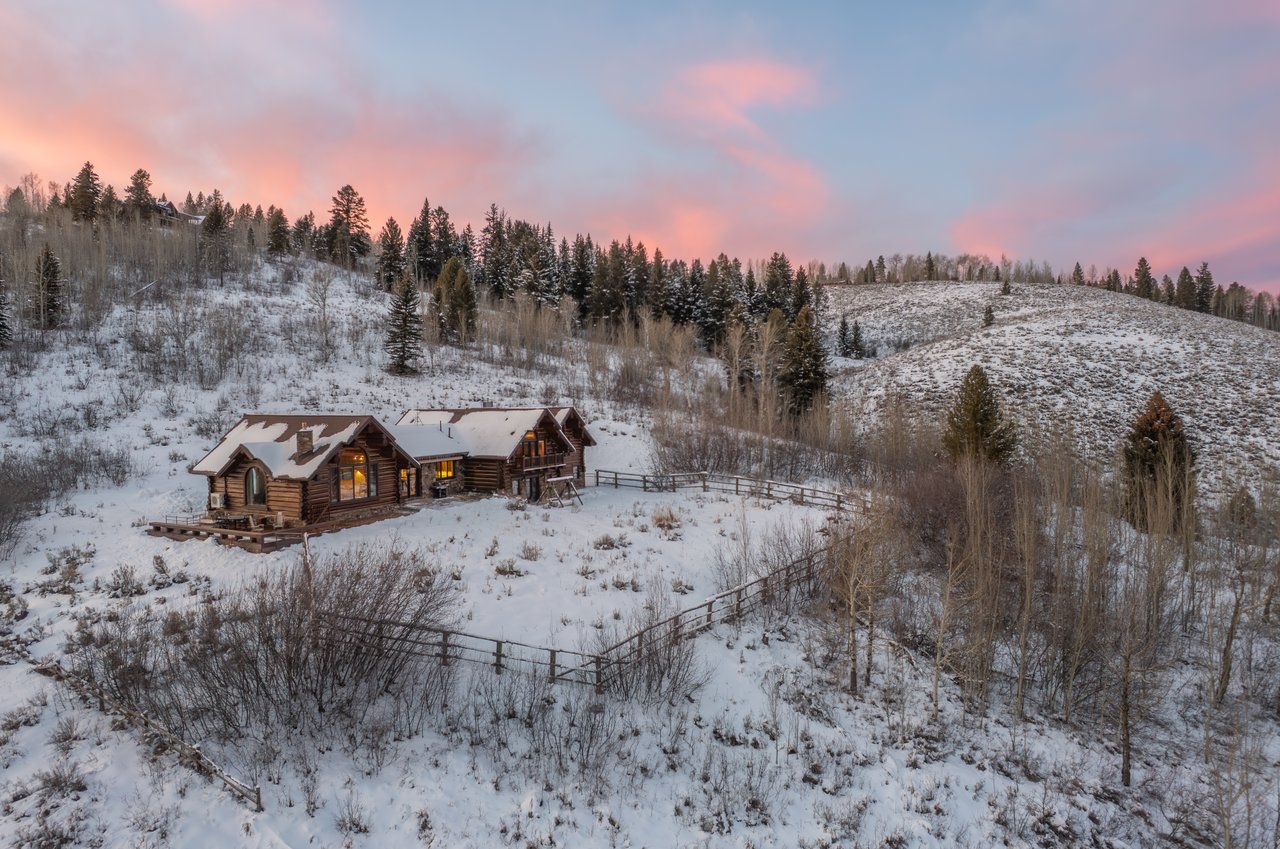
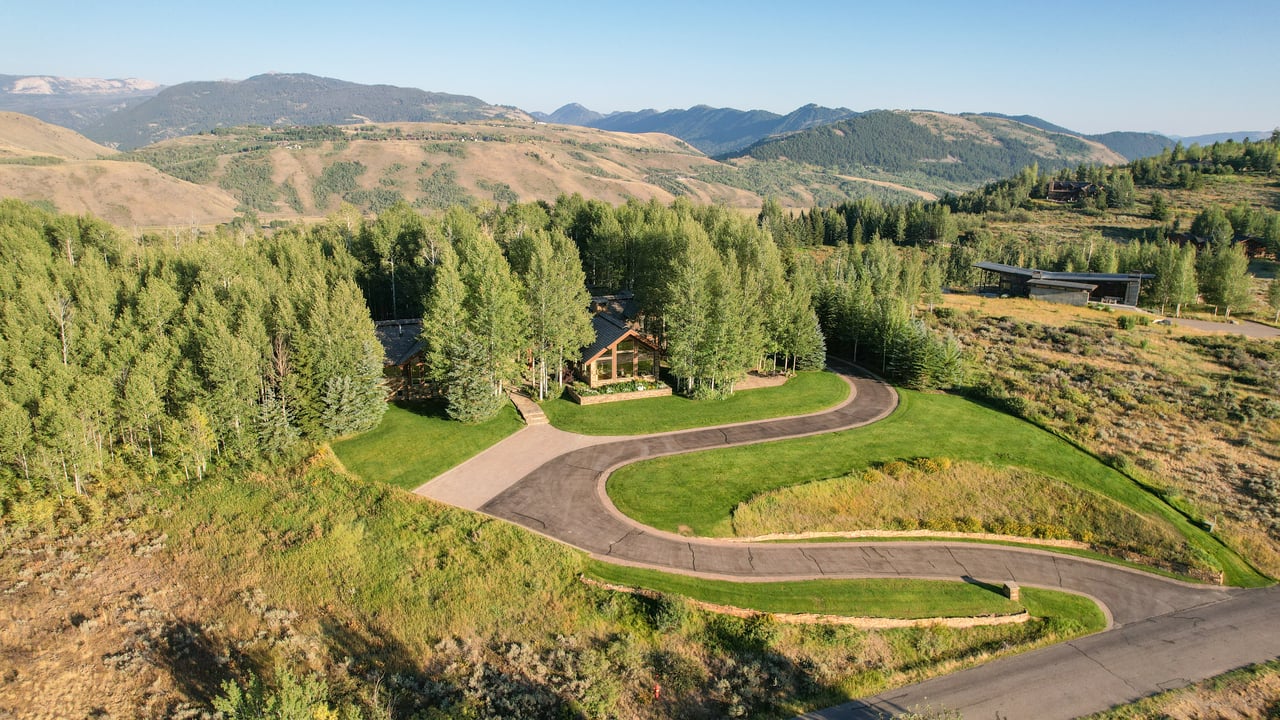
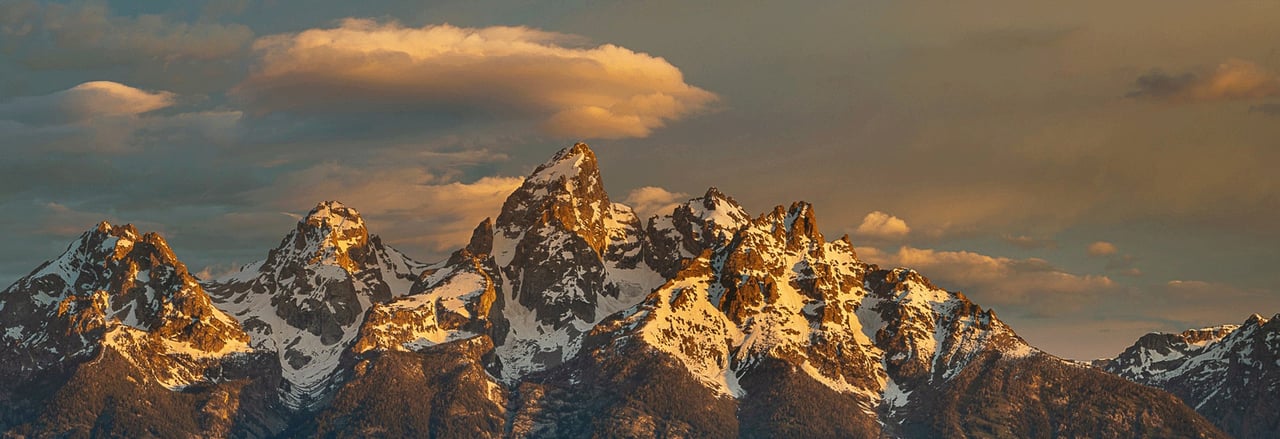
Fall Creek Road runs south from the base of Teton Pass, loops through a string of ranches and low-density subdivisions, and eventually meets Highway 189 near the Snake River Canyon, roughly 17 miles from Jackson. It is the spine of what the valley calls West Bank South: a stretch defined less by a single subdivision than by acreage, tree cover, and distance from anything resembling density.
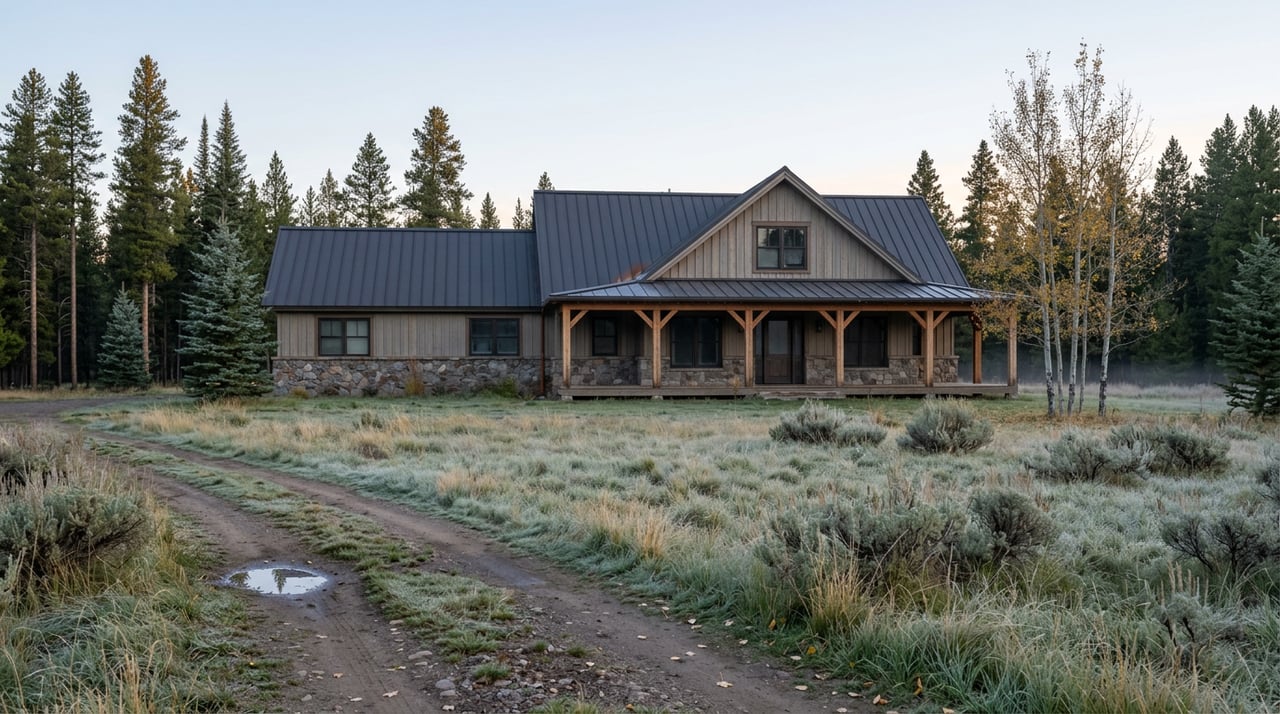
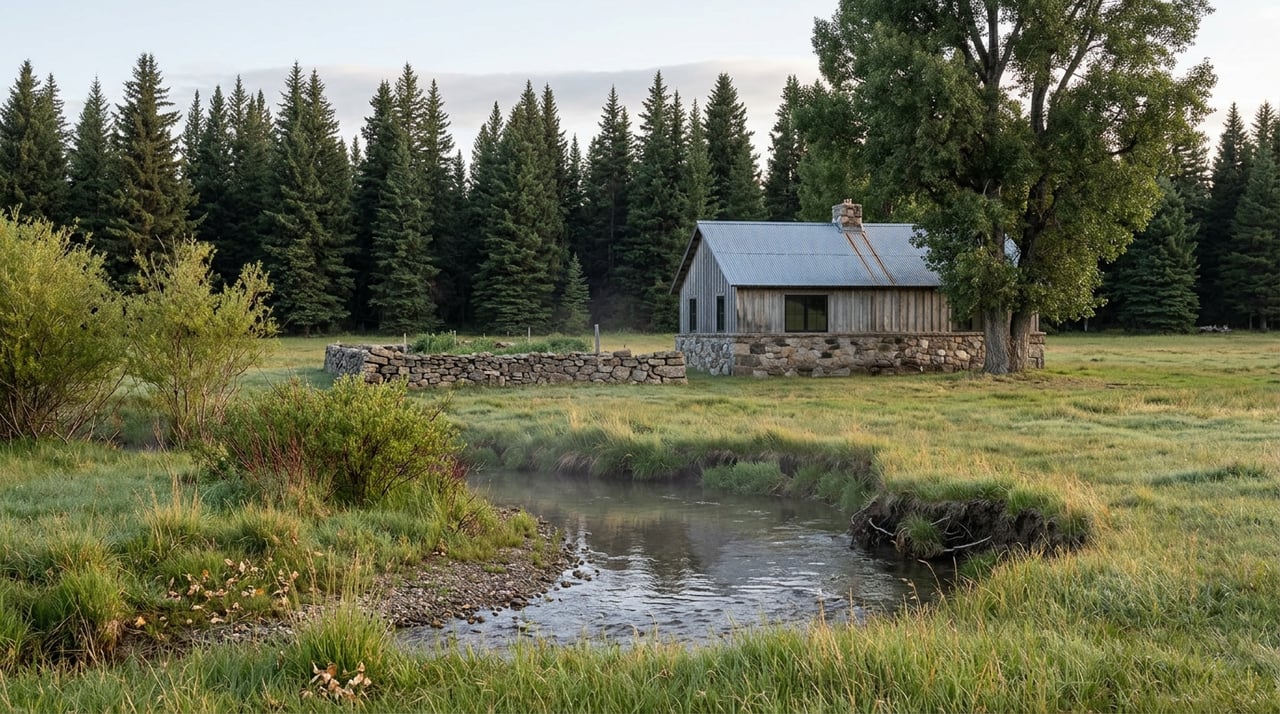
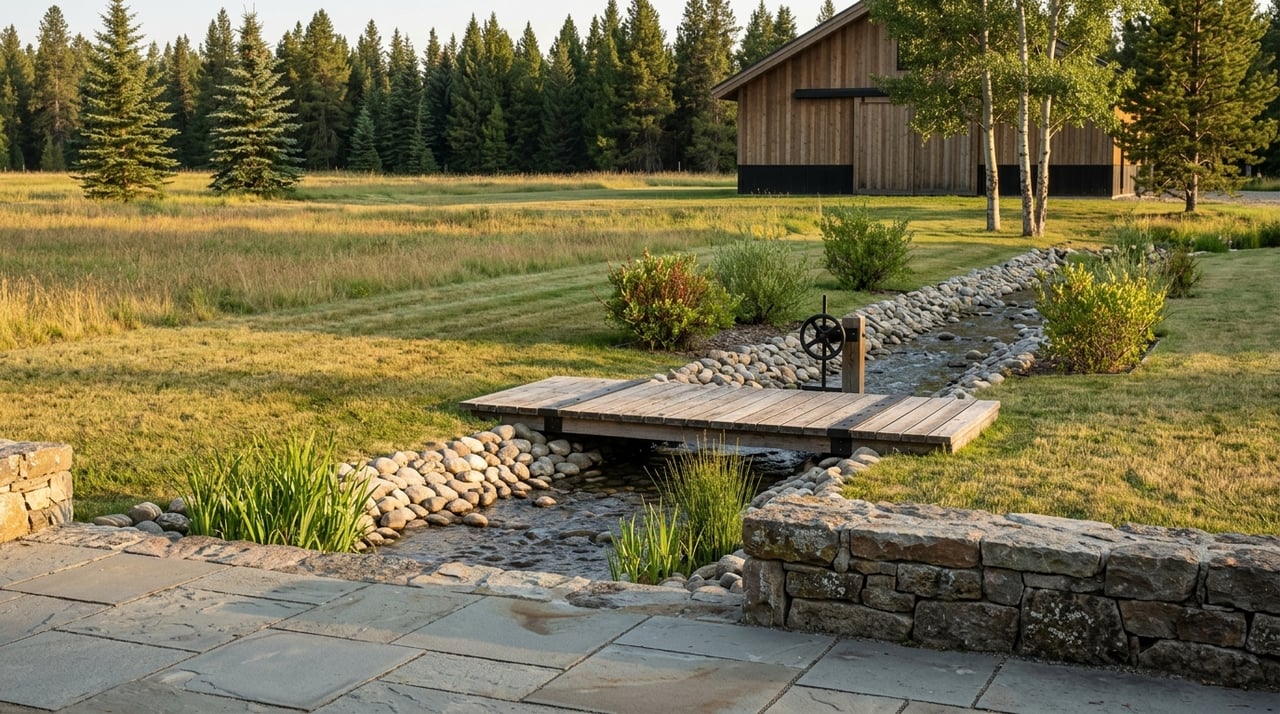
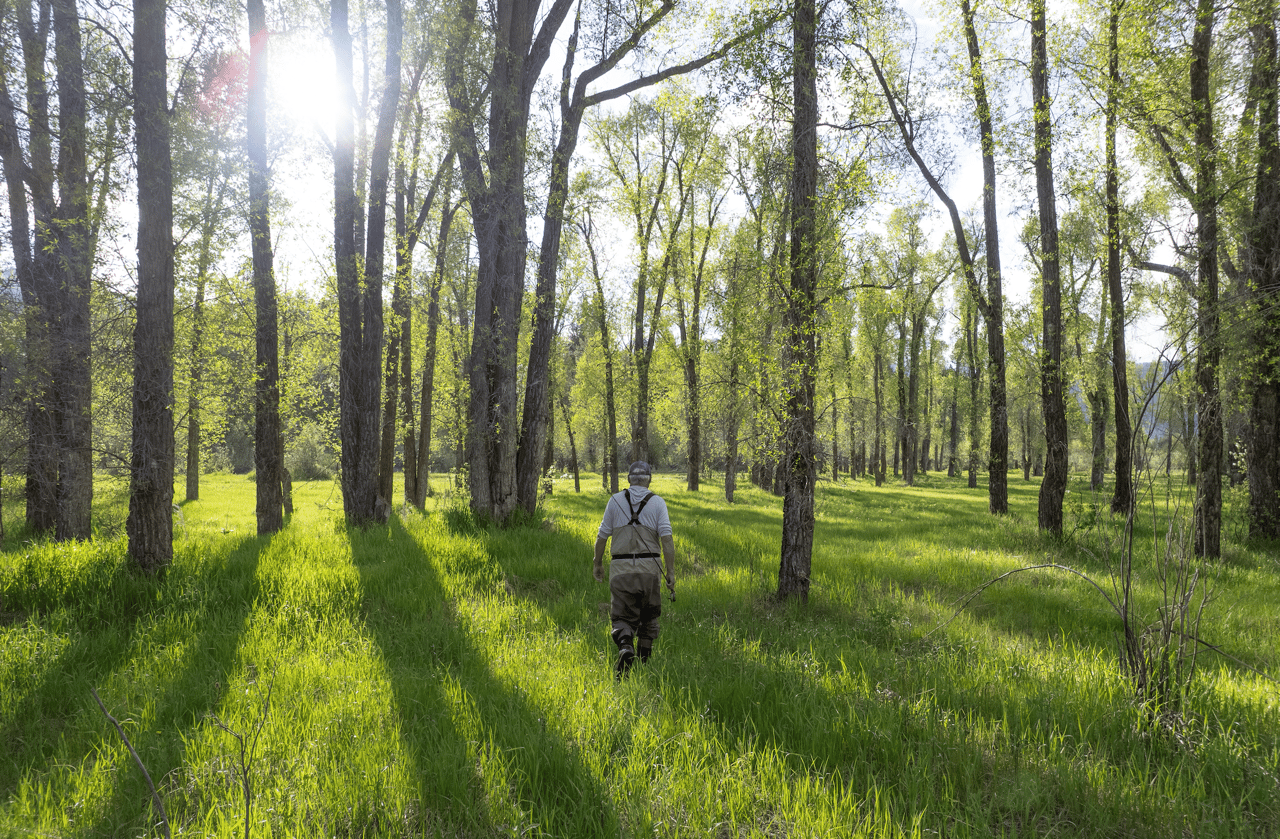
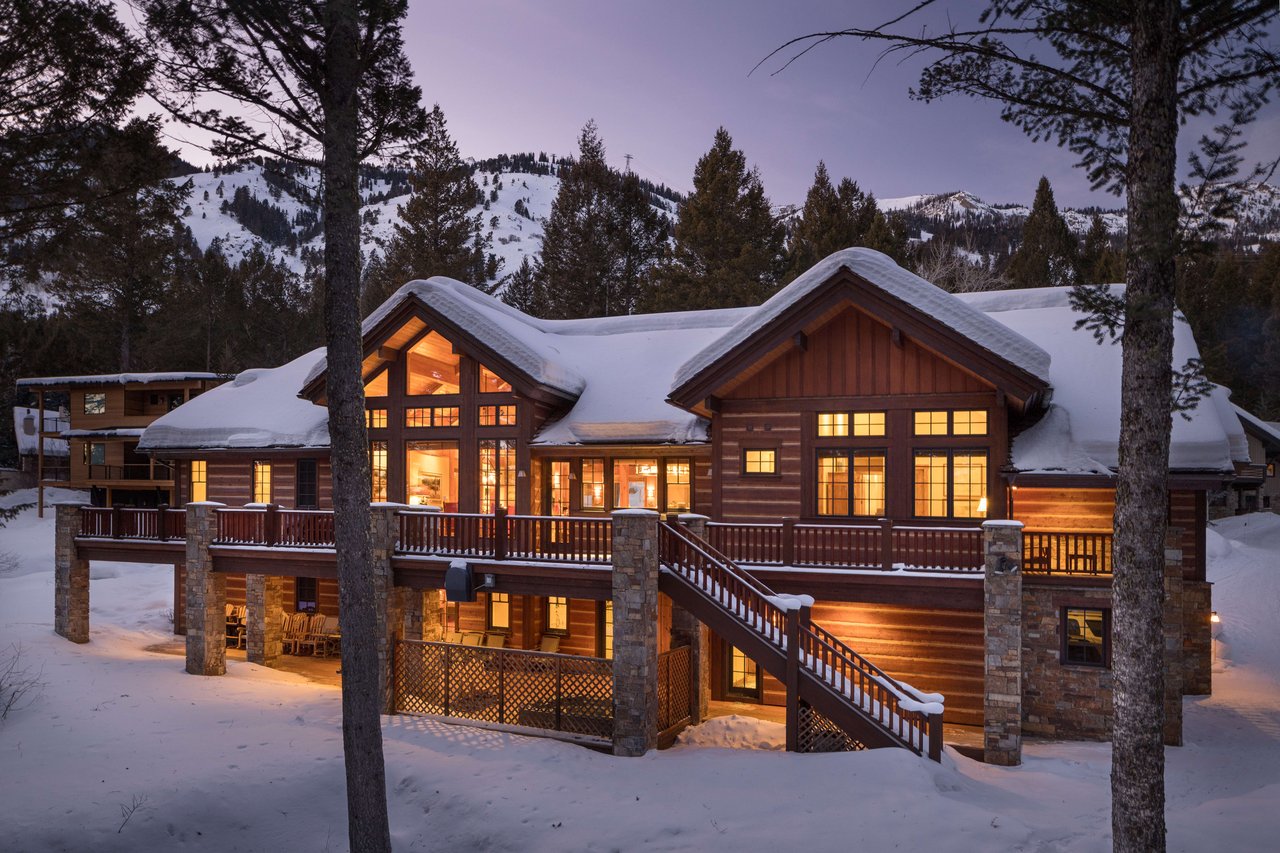
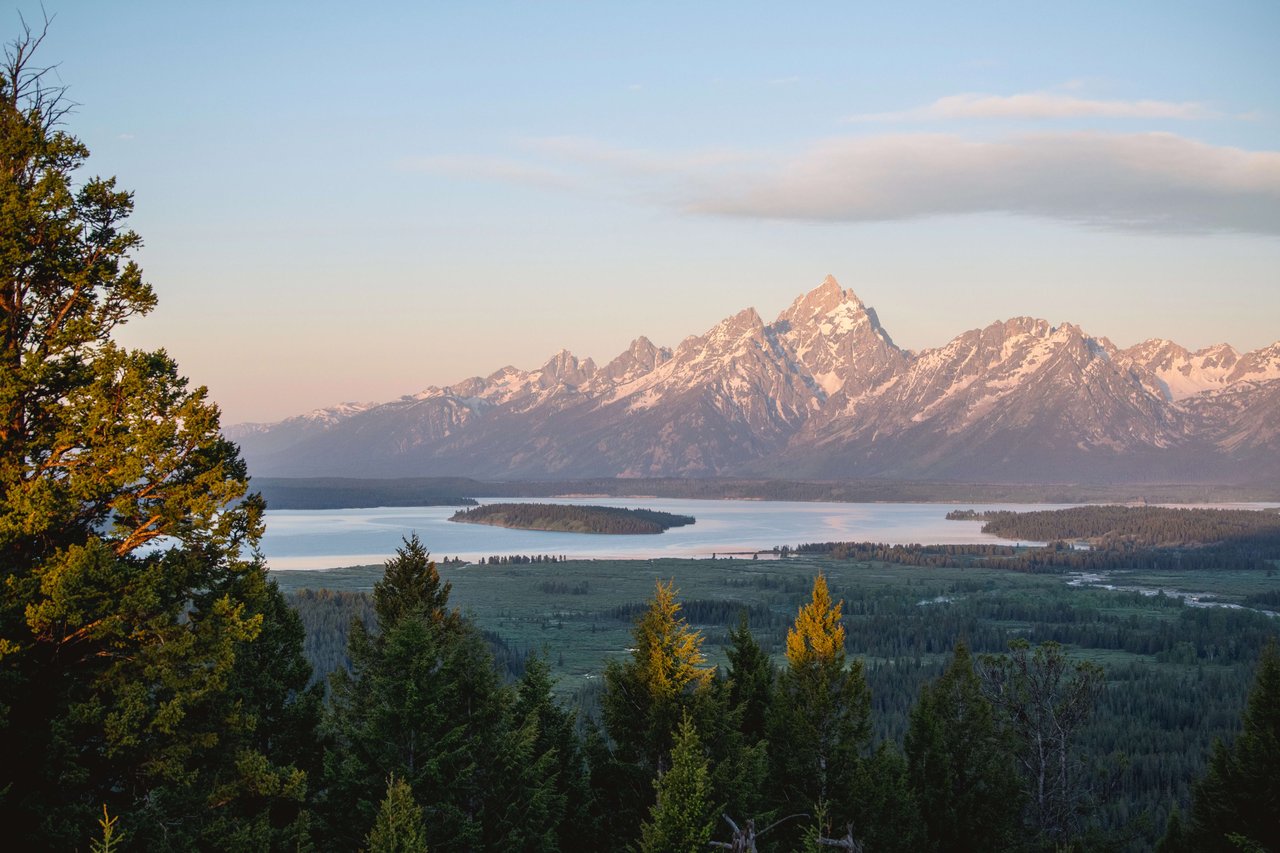
Crescent H Ranch sits about seven miles south of Wilson, a former 1920s dude ranch where homesites carry private access to managed spring creeks. Tucker Ranch and John Dodge hold wooded parcels with river frontage. Farther down, Red Top Meadows sits roughly 14 miles south of Wilson, bordered by national forest and working ranches, a good 35-minute drive from town. This is not a commuter suburb. It is where buyers go when they want acreage the core Westbank stopped offering years ago.
Three Reports, Three Numbers
Here is the discrepancy in full. A year-end 2025 report tracking single-family home sales specifically found that the area south of Wilson along Fall Creek Road saw the largest jump in activity of any pocket in the valley, with sales up 125 percent over the prior year. A separate report covering the first half of 2026 cited a 550 percent surge in the same corridor, though that figure came from a smaller data set skewed by a handful of closings. A third, quarterly account from late 2025 measured the corridor at 14 transactions against 5 the year before, a jump of 180 percent by that count. A fourth analysis, published in mid-2026, described the growth as closer to 300 percent and offered the clearest explanation of any of them: buyers were seeking the privacy of a Wilson address without the price tags attached to the most exclusive Westbank estates.
Every one of these numbers is technically accurate. Every one of them is also describing a market so thin that a handful of closings can swing the year-over-year percentage by hundreds of points in either direction. When four independent sources all reach for the same corridor as their standout statistic but cannot agree within 400 percentage points of each other, that disagreement is the data. It tells you the growth is real but the base is small, and small bases move on a handful of decisions rather than a broad shift in buyer behavior.
What Is Actually Filling the Corridor
The explanation that holds up is the price-overflow one. Wilson proper and the acreage immediately around it, places like Crescent H, Tucker Ranch, and John Dodge, have carried the valley's legacy-property premium for years. Inventory there has stayed scarce and turnover low. When a buyer wants Wilson's water, privacy, and proximity to Teton Pass but cannot or will not compete for what little comes up inside that tight radius, Fall Creek Road is the next parcel south that still checks the same boxes: national forest borders, live water, a Wilson mailing address, none of the resort density of Teton Village.
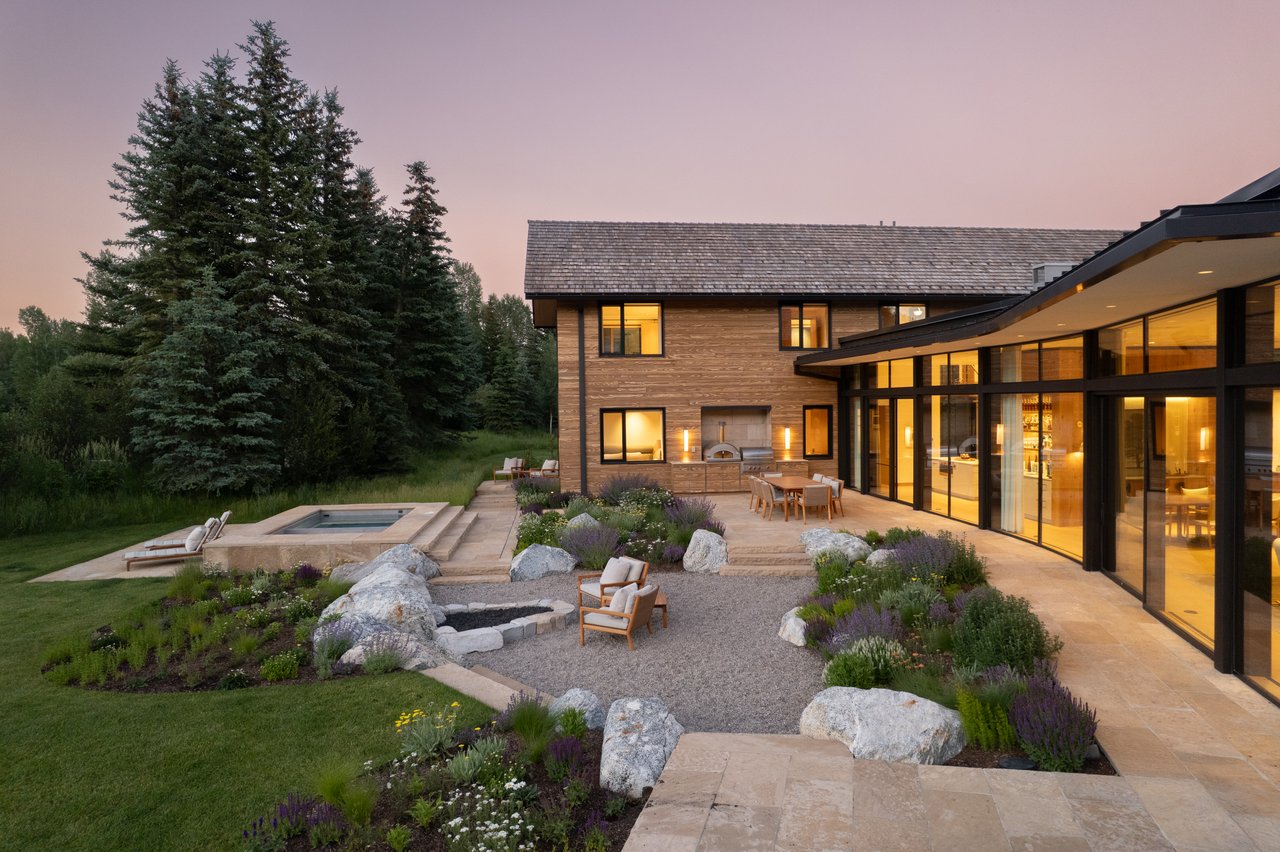
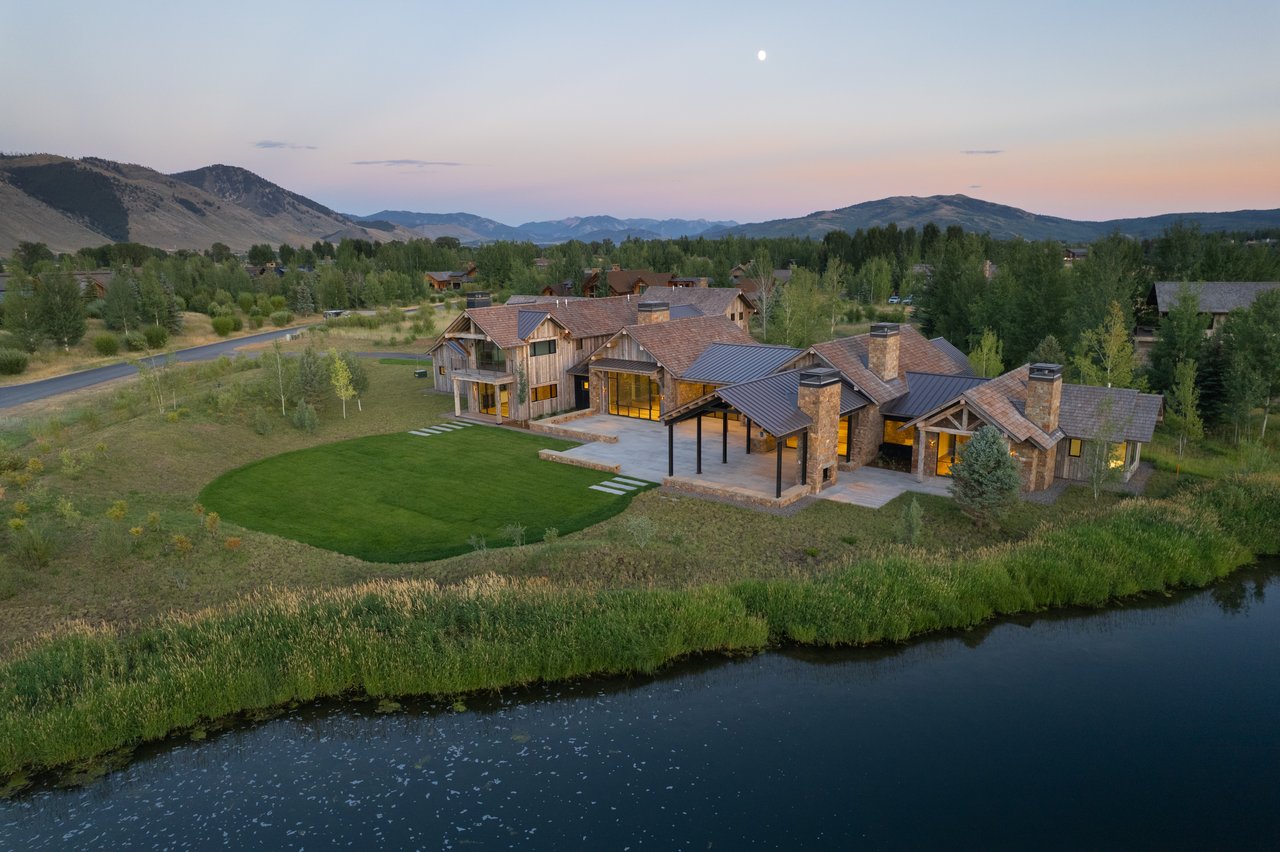
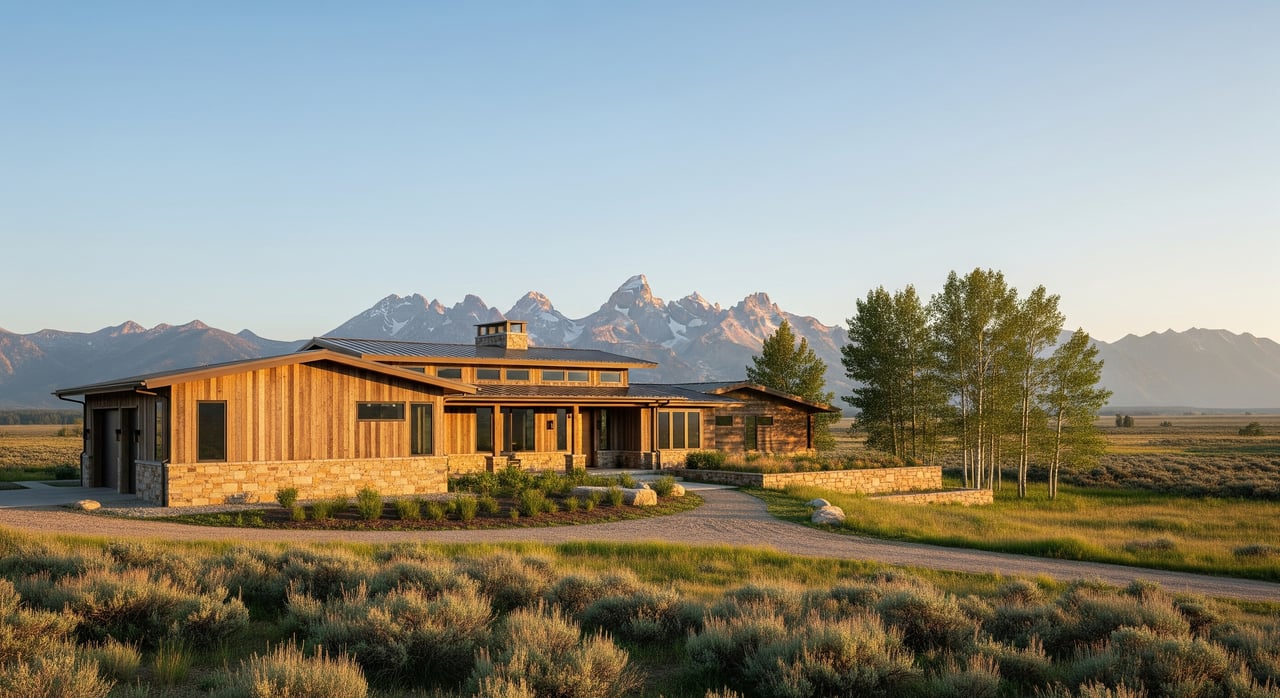
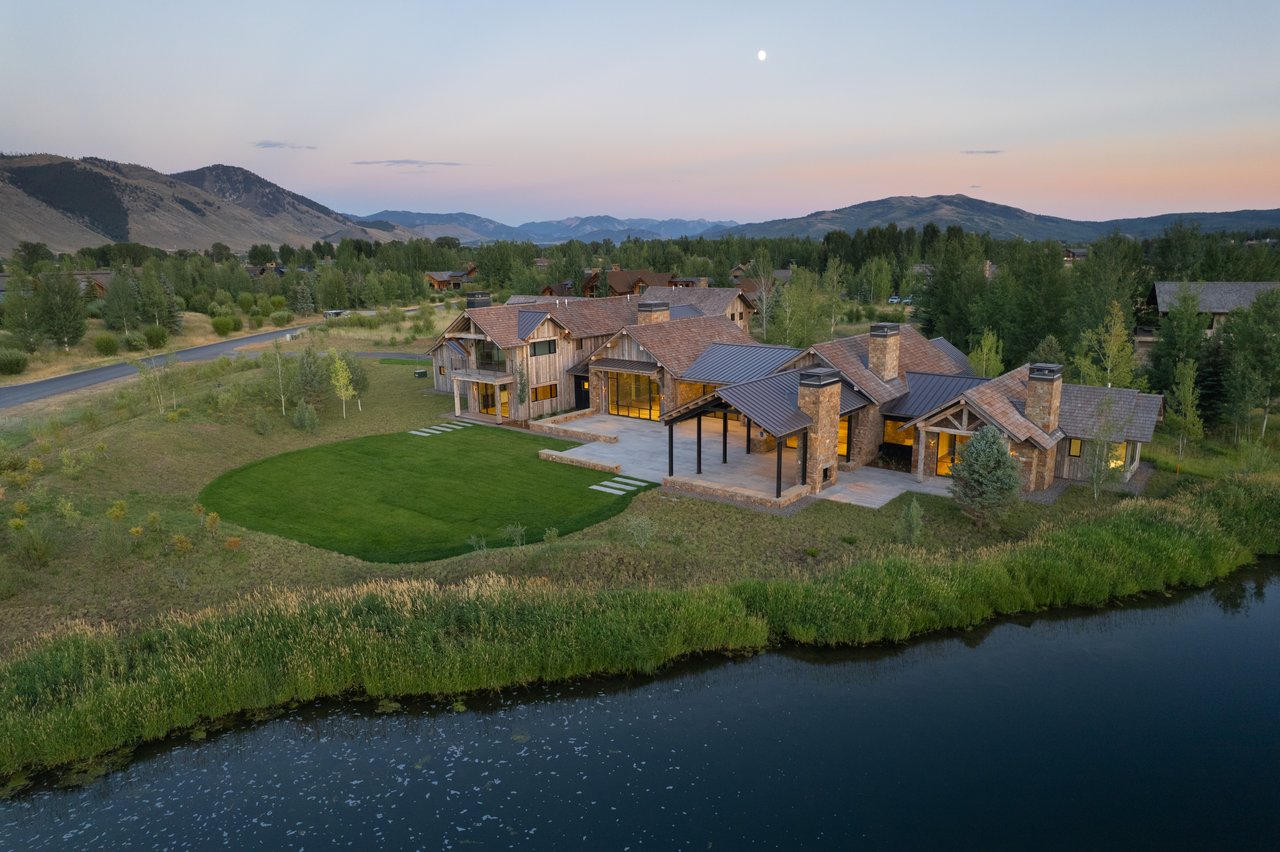
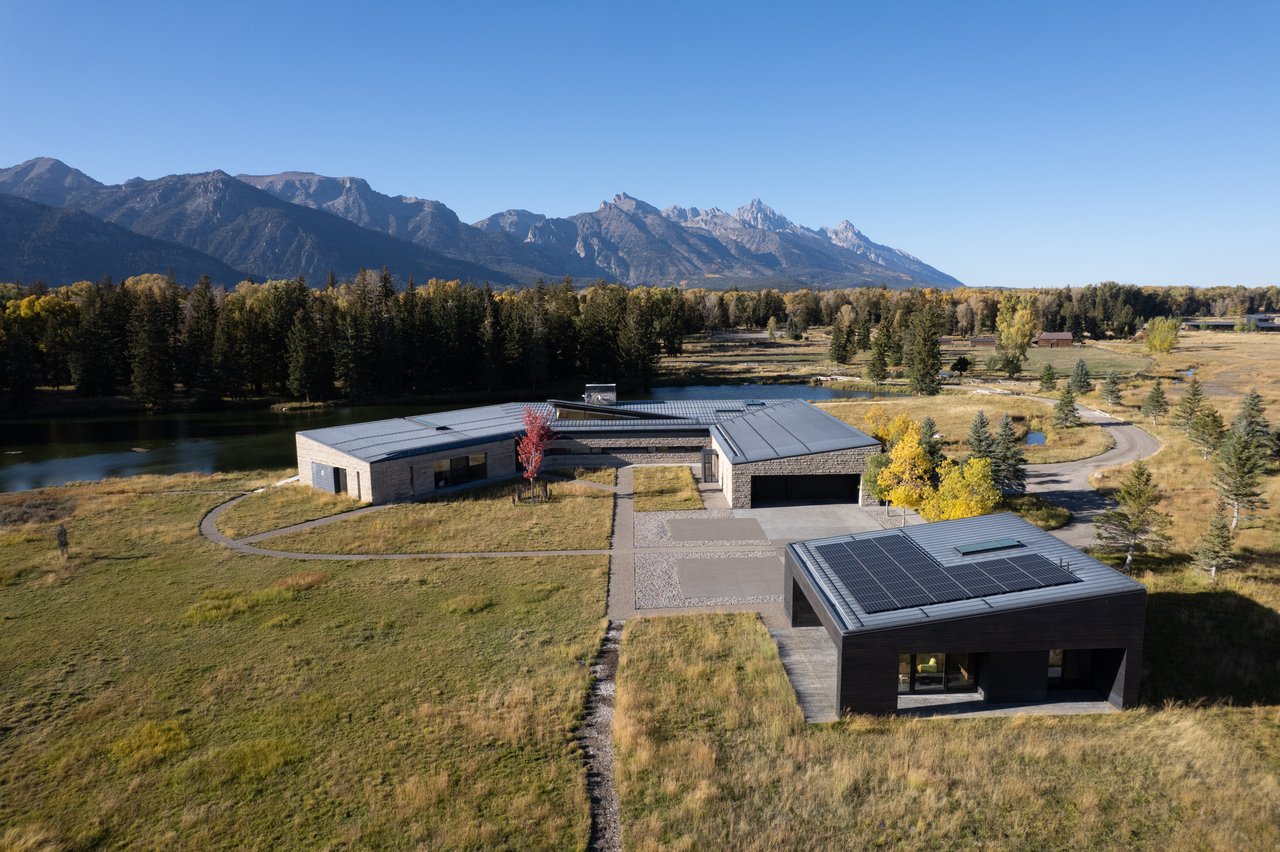
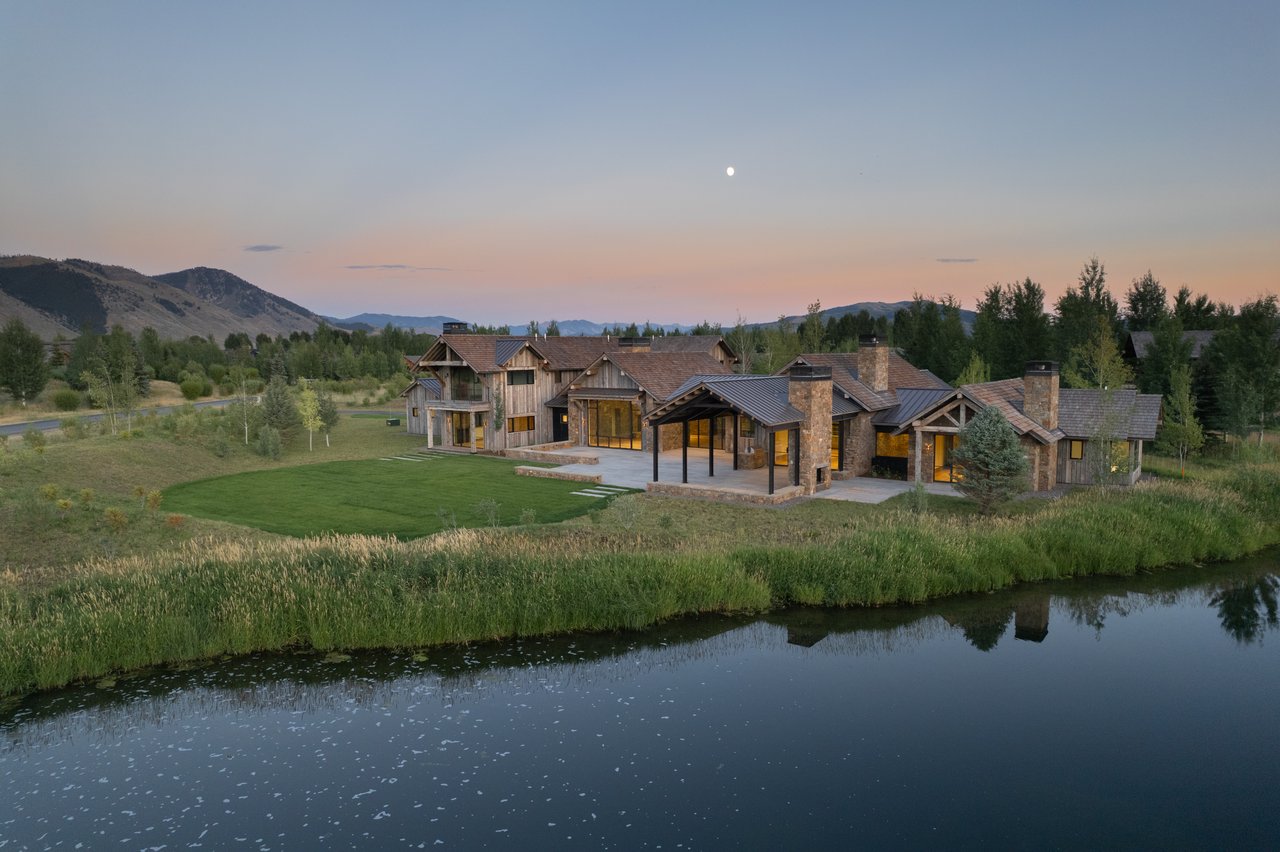
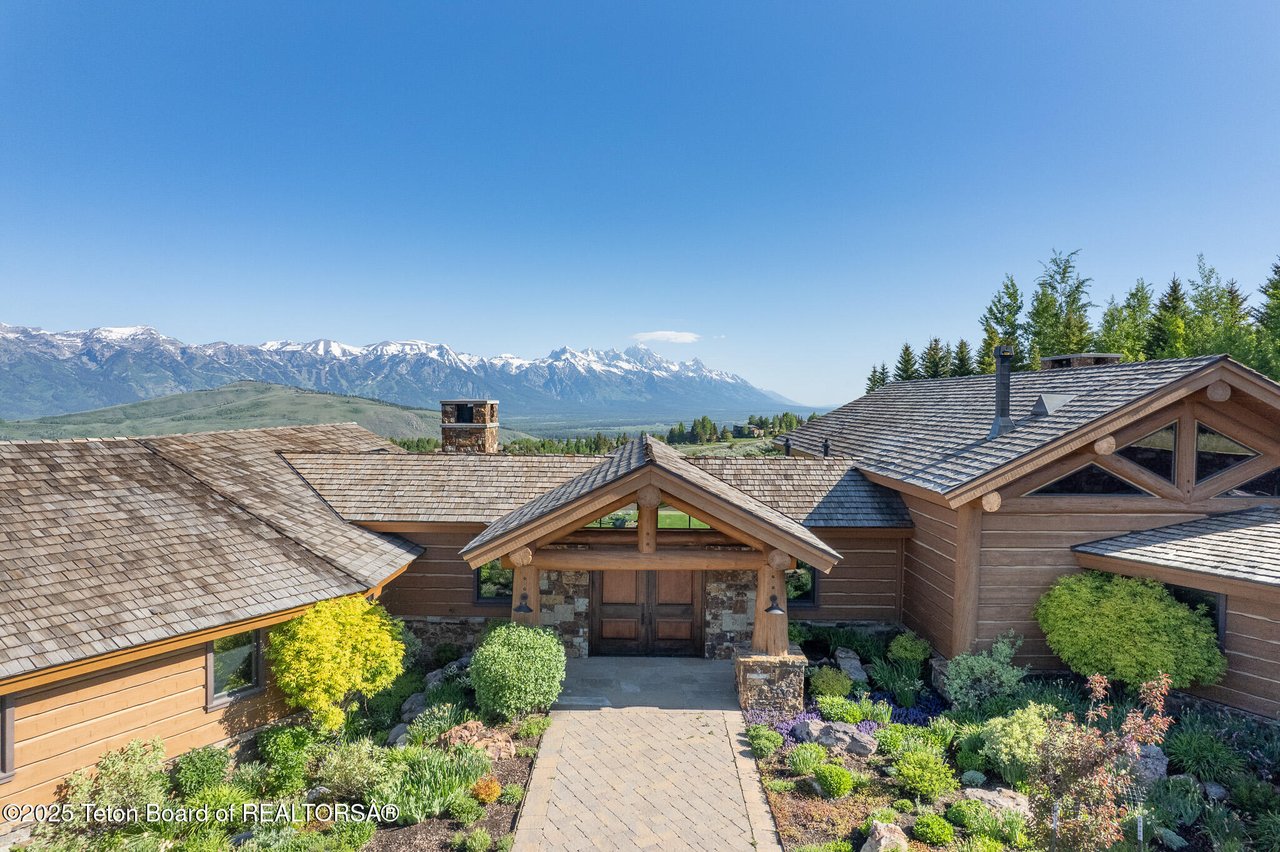
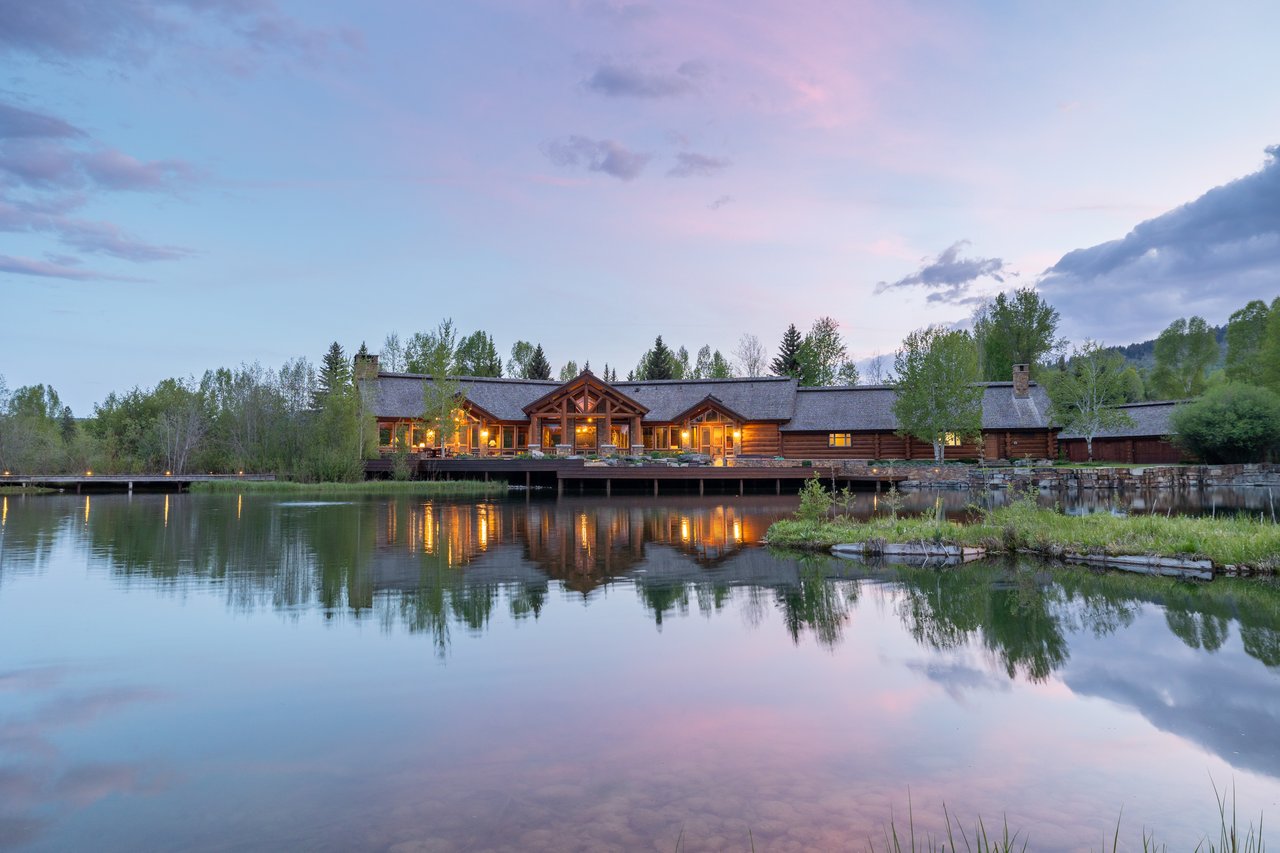
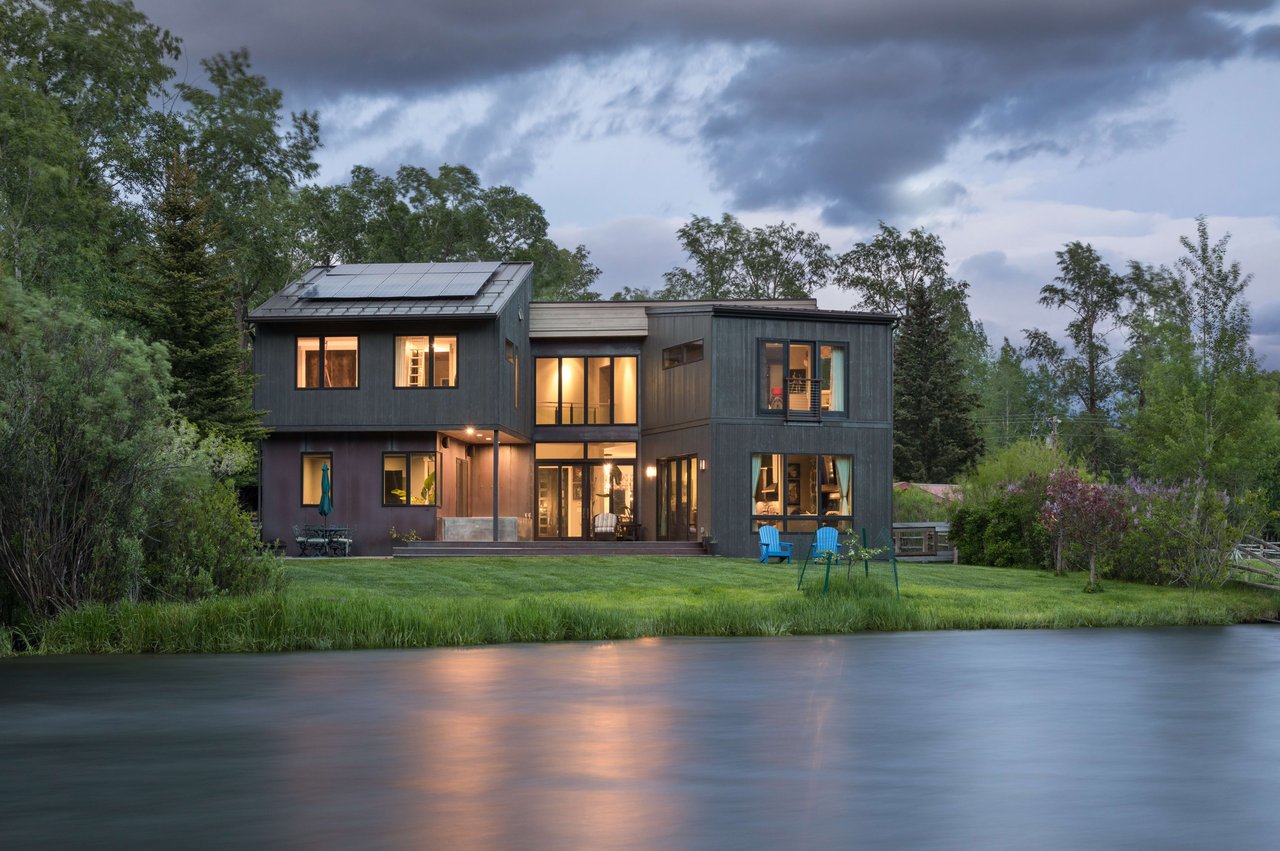
Two active listings on the road right now illustrate the range this creates. Five Ponds Ranch, a 71-acre spread with more than 10 acres of trout ponds and direct Teton views, is currently listed at $34.75 million, a legacy-scale property built for a buyer who wants the full compound: an 8,300-square-foot main home, a restored barn, guest cabins, and enough land for a private fishery. Farther down the same road, a fully renovated single-family home on 18.35 acres, plus a separately deeded 4.35-acre building lot, offers 8,394 square feet across seven bedrooms and ten bathrooms with a detached guest house and seven garage bays. Same road, same corridor, a spread wide enough to fit both the buyer who wants a working ranch and the buyer who wants a finished house with room to build a second one later.
The Price-Per-Acre Gradient
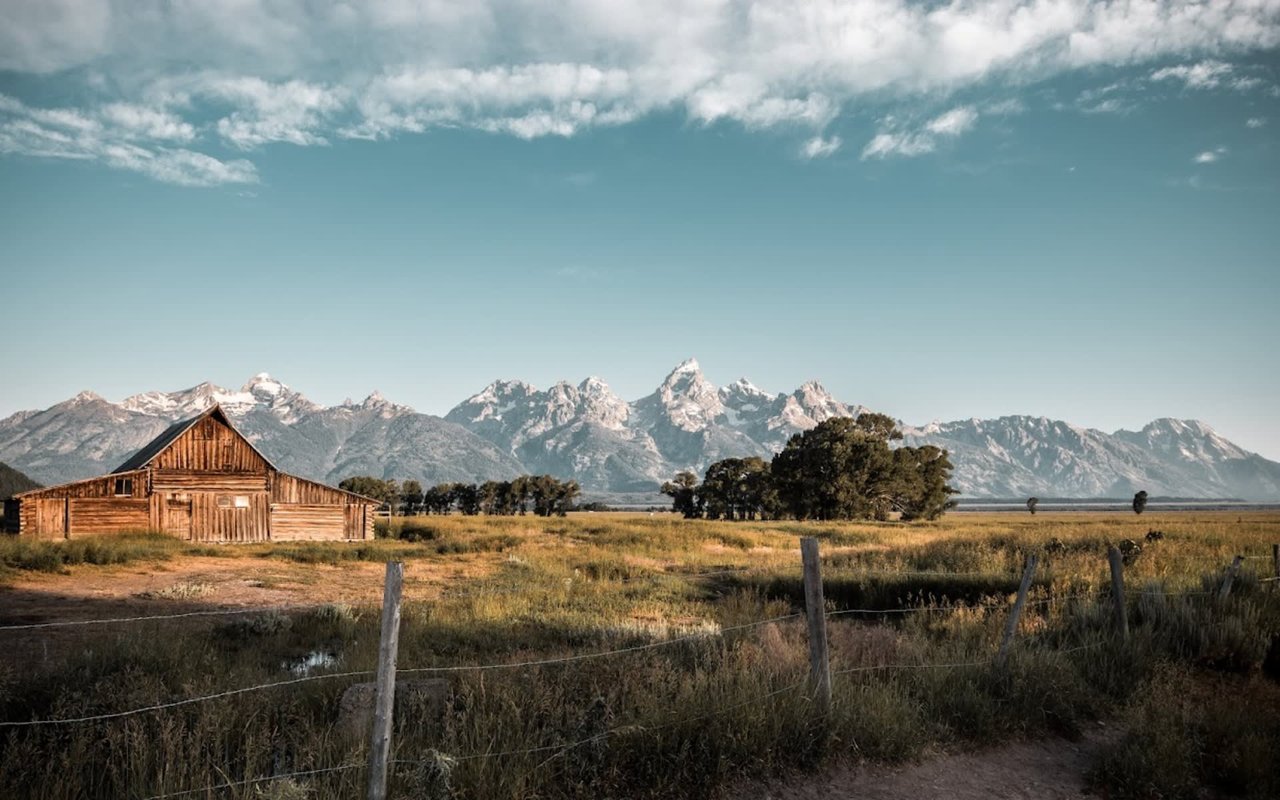
Distance from Wilson still sets the price. Estate-scale acreage in the broader Wilson market currently runs from roughly $3 million to $15 million, a range that reflects the premium buyers pay for Teton Range sightlines and Snake River corridor access rather than raw acreage. Local descriptions of Fall Creek Road note that per-acre pricing eases noticeably about halfway down the loop, past the point where the road starts to feel more like ranch country than Westbank suburb. Even there, listings rarely dip below seven figures.
That gradient matters because it explains why buyers do not simply leapfrog the whole corridor and buy cheaper land elsewhere in the region. Rural acreage in Alta, Wyoming, and just across the state line in Victor, Idaho, runs 30 to 50 percent below Wilson-area pricing, but Idaho taxes income at 5.8 percent, which erases the entire reason a lot of these buyers came to Wyoming in the first place. Star Valley, in Lincoln County, offers ranch acreage at an even steeper discount, sometimes 60 to 70 percent below Wilson pricing, but it trades away the Teton Range proximity and the Grand Teton National Park access that define why someone wanted this valley to begin with. Fall Creek Road sits in the narrow band where a buyer keeps the Wyoming tax advantage and the Teton address while paying less than the innermost ring of Wilson demands. That is the actual product being purchased here, not the road itself.
What This Means If You Are Comparing Neighborhoods
If you are cross-shopping West Bank South against the Westbank core or against Teton Village, the growth-rate headlines can mislead in a specific way. "Fastest growing corridor in the valley" sounds like an opportunity still forming. What the numbers actually describe is a release valve for a market that filled up somewhere else first. The corridor is not undiscovered. It is where demand went once Crescent H and the parcels closest to Wilson village stopped having anything to sell.
That distinction changes what you should expect to pay. A buyer treating Fall Creek Road as an undervalued alternative to Wilson proper will be surprised that seven-figure-per-acre pricing persists well down the road. A buyer who understands the corridor as an extension of the same constrained market, priced accordingly, will negotiate from a more accurate baseline. You are still paying for a Wilson-adjacent address, for the same national-forest borders and live water that draw people to the core Westbank in the first place. The discount, where it exists, is measured in a few miles of driveway and a modestly lower per-acre number, not in a fundamentally different market.
Frequently Asked Questions
Is Fall Creek Road still considered part of the Wilson market, or a separate area? Most valley market reports group it as an extension of the Wilson and West Bank market rather than a standalone submarket, which is part of why its transaction counts are small enough to swing wildly year over year.
Does a growth rate this high mean prices along the corridor are softening? Nothing in the reporting suggests softening. The surge is in transaction count, driven by a handful of large closings on a road that typically sees very few sales in a given year. Per-acre pricing has held firm even as the number of deals has climbed.
Fall Creek Road rewards a buyer who understands what is actually being priced: proximity to a market that has already run out of room. If you are weighing West Bank South against the rest of the valley and want a clear-eyed read on what a specific parcel is really worth before you make an offer, Tom Evans Real Estate offers a Request a Confidential Consultation to walk through the corridor property by property.