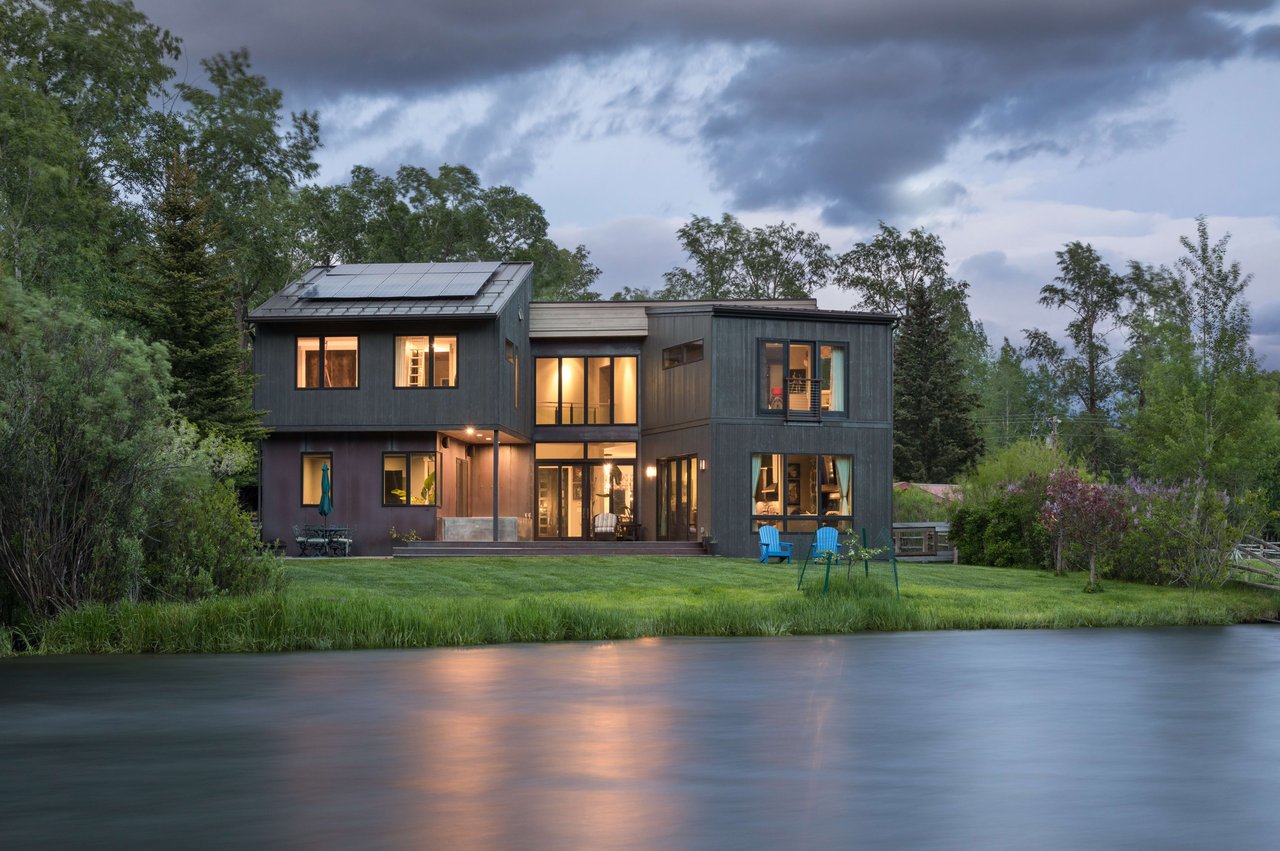
Choosing a second home in Jackson Hole often comes down to one simple question: do you want to be in the middle of the resort energy, or just close enough to enjoy it on your terms? If you are weighing West Bank North against Teton Village, you are likely looking for the right balance of privacy, access, and year-round use. The good news is that both areas offer compelling advantages, but they serve very different lifestyles. Let’s dive in.
West Bank North vs. Teton Village
At a high level, this is a choice between a rural west-bank setting and a resort-centered ownership experience. Teton County’s planning framework describes the Westbank as a rural district with limited residential development potential and an emphasis on wildlife habitat, scenic vistas, and modest rural character. Teton Village, by contrast, is identified as a county node with more intensive development and a focus on resort uses, local commercial activity, and restricted workforce housing.
For many second-home buyers, that distinction shapes everything else. West Bank North generally offers more space, more privacy, and a quieter residential setting. Teton Village offers more immediate access to resort amenities and a more active, structured environment.
What West Bank North Feels Like
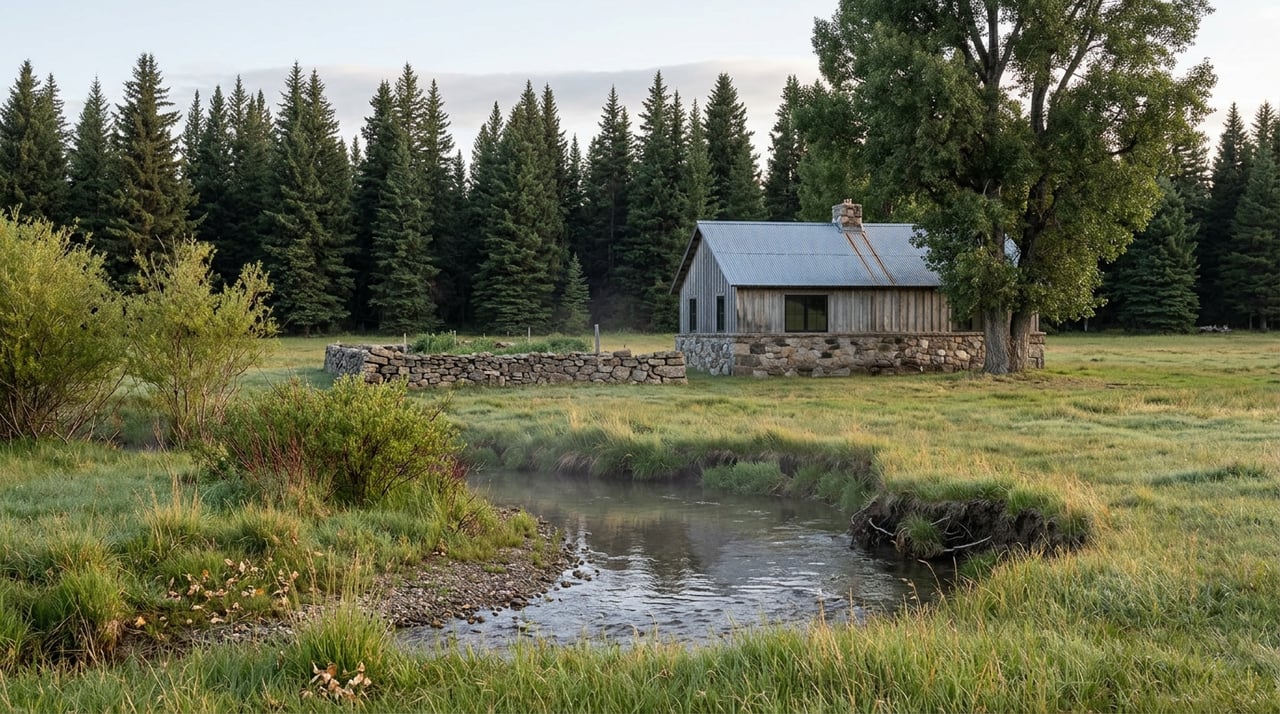
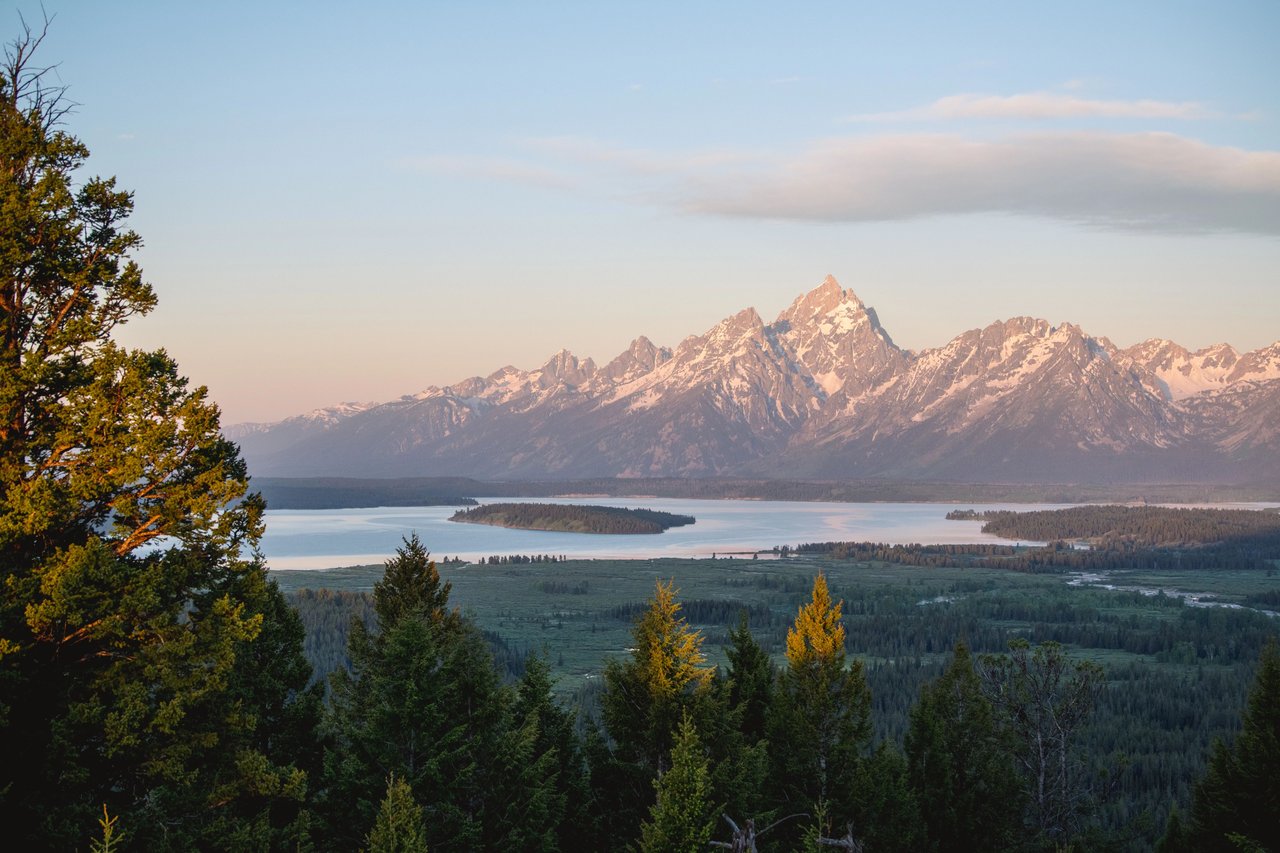
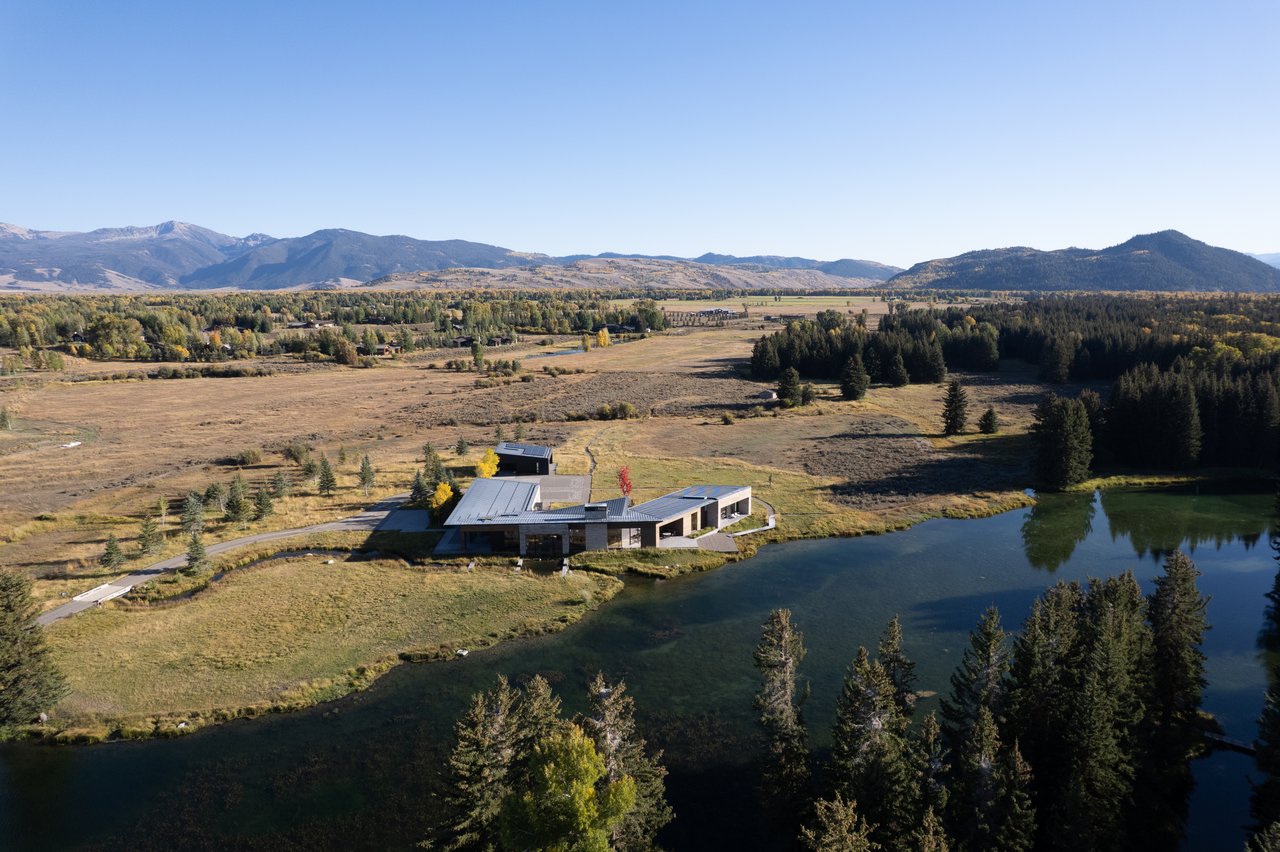
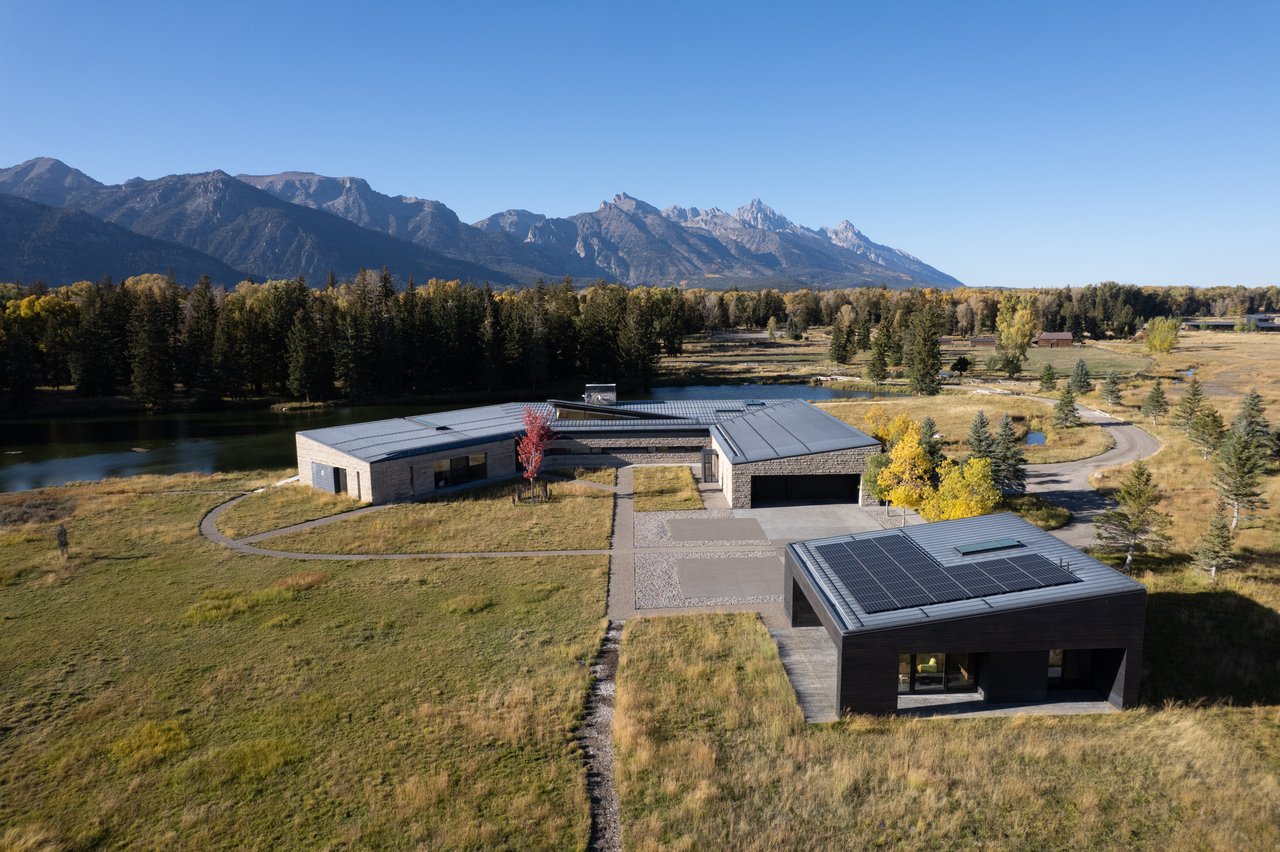
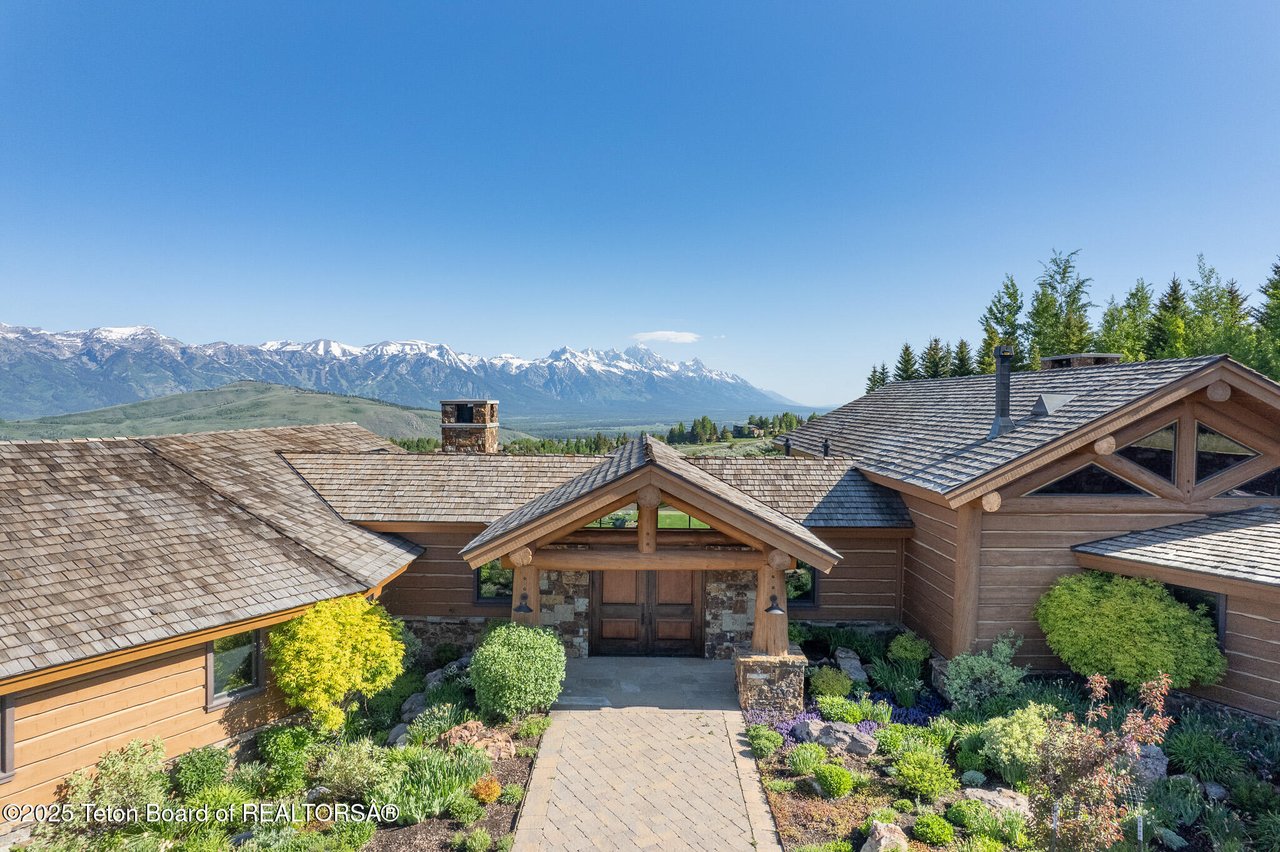
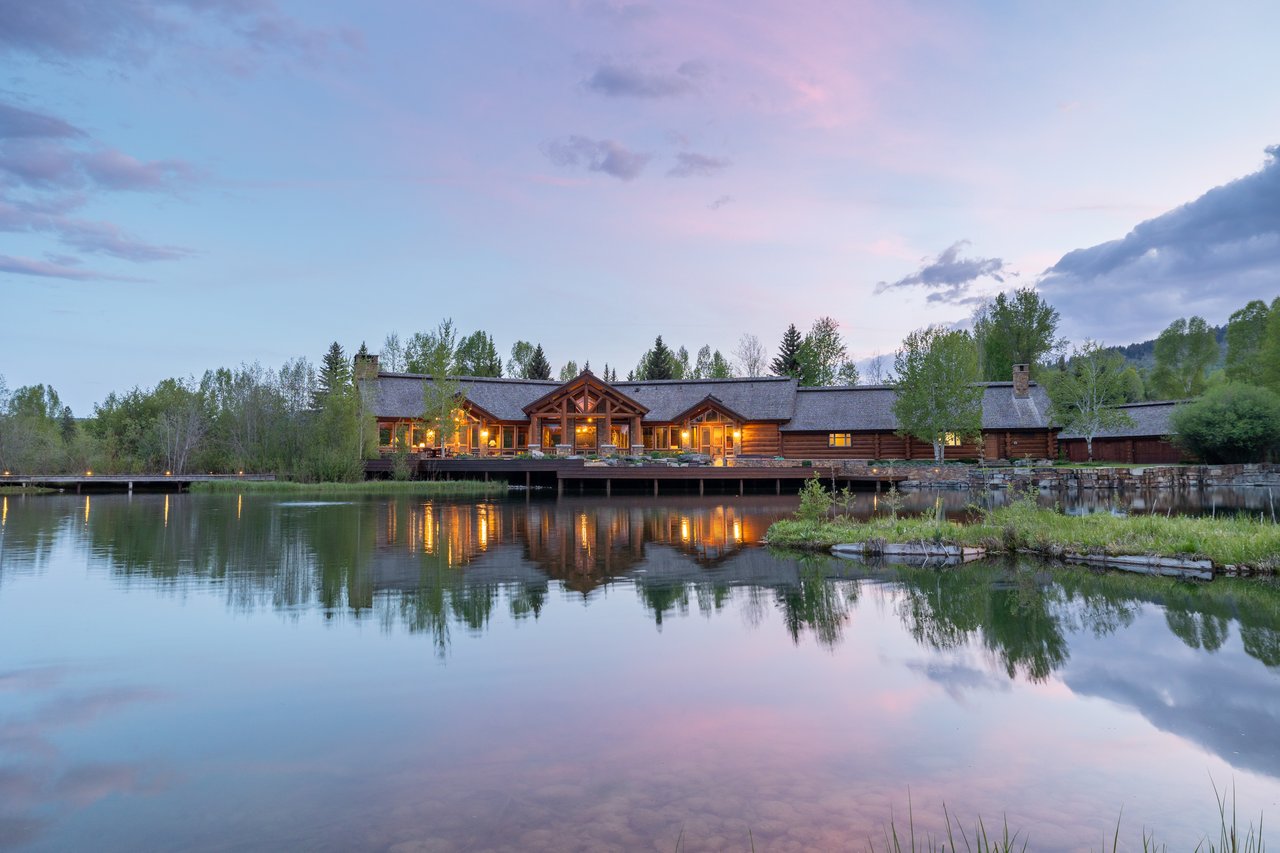
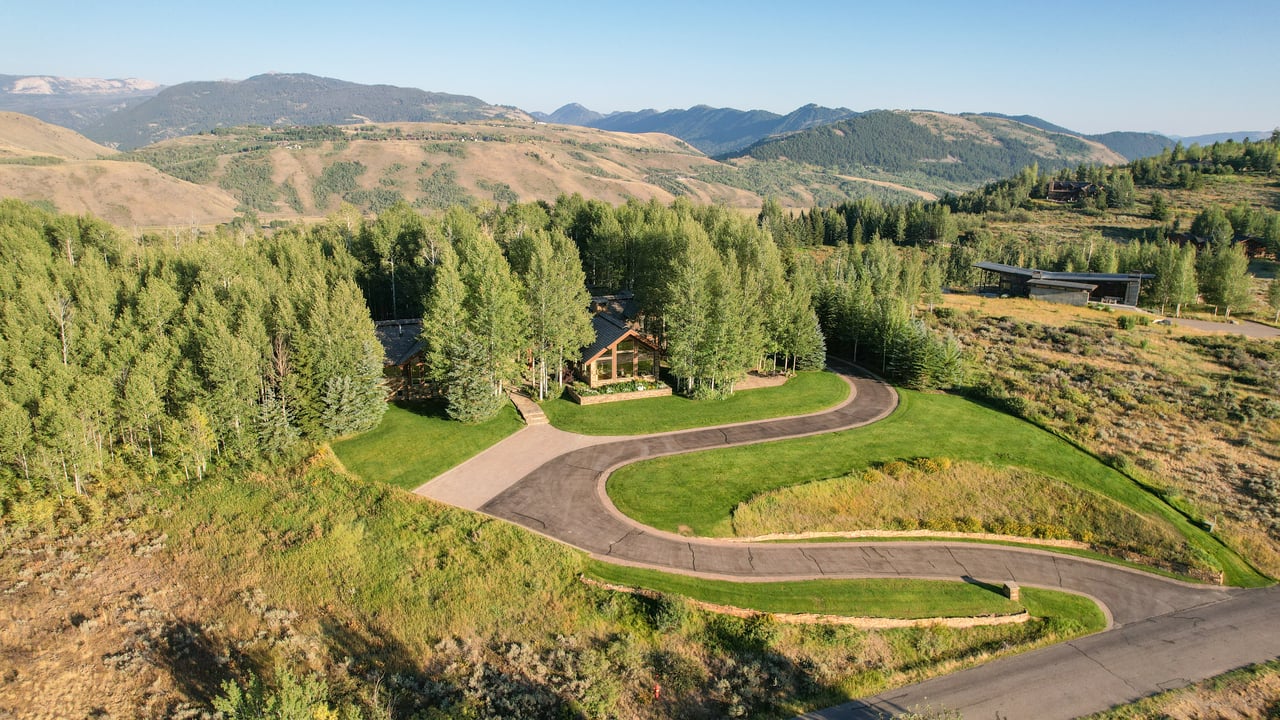
West Bank North tends to appeal to buyers who want Jackson Hole access without living in the middle of a resort hub. The county’s long-term vision for the Westbank emphasizes conservation, limited growth, and a rural pattern of development. That planning approach helps preserve the area’s open feel and lower-density character.
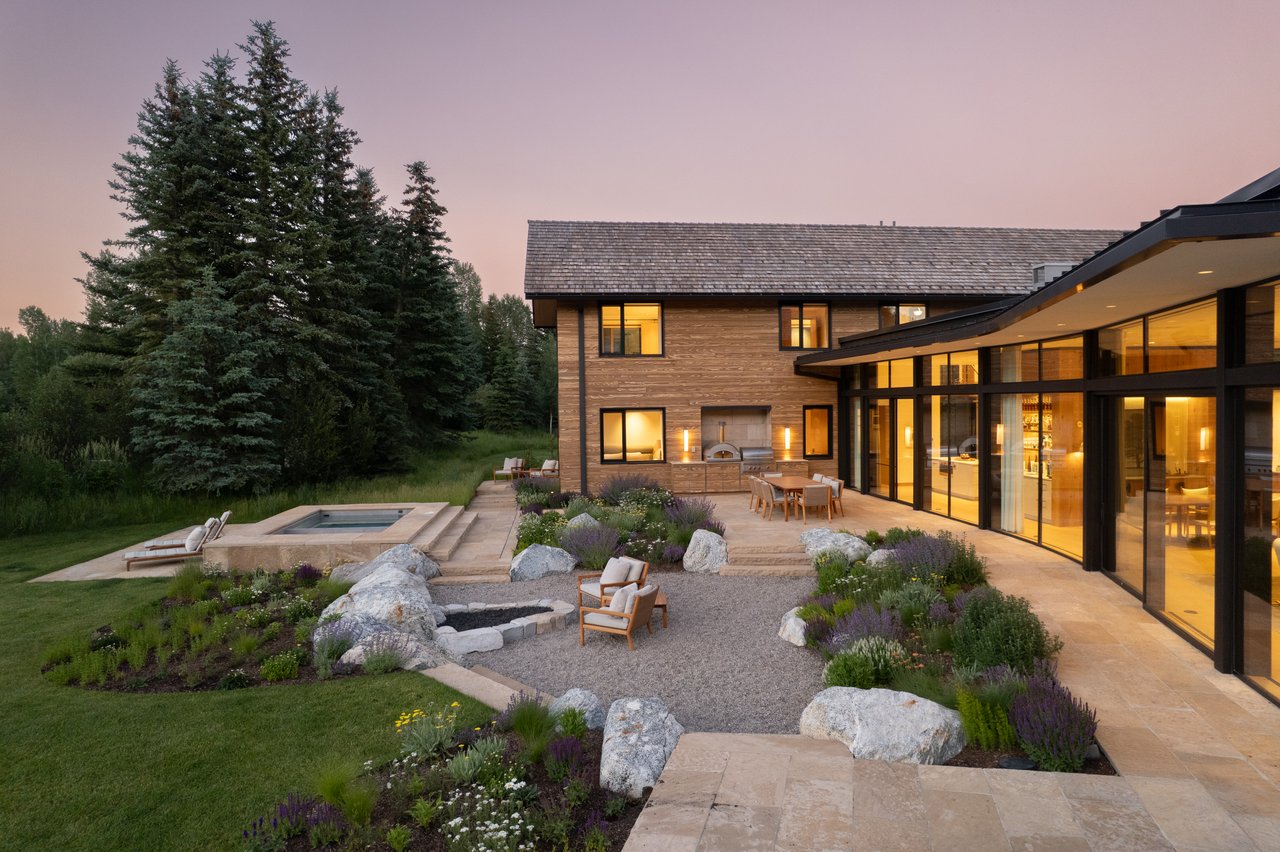
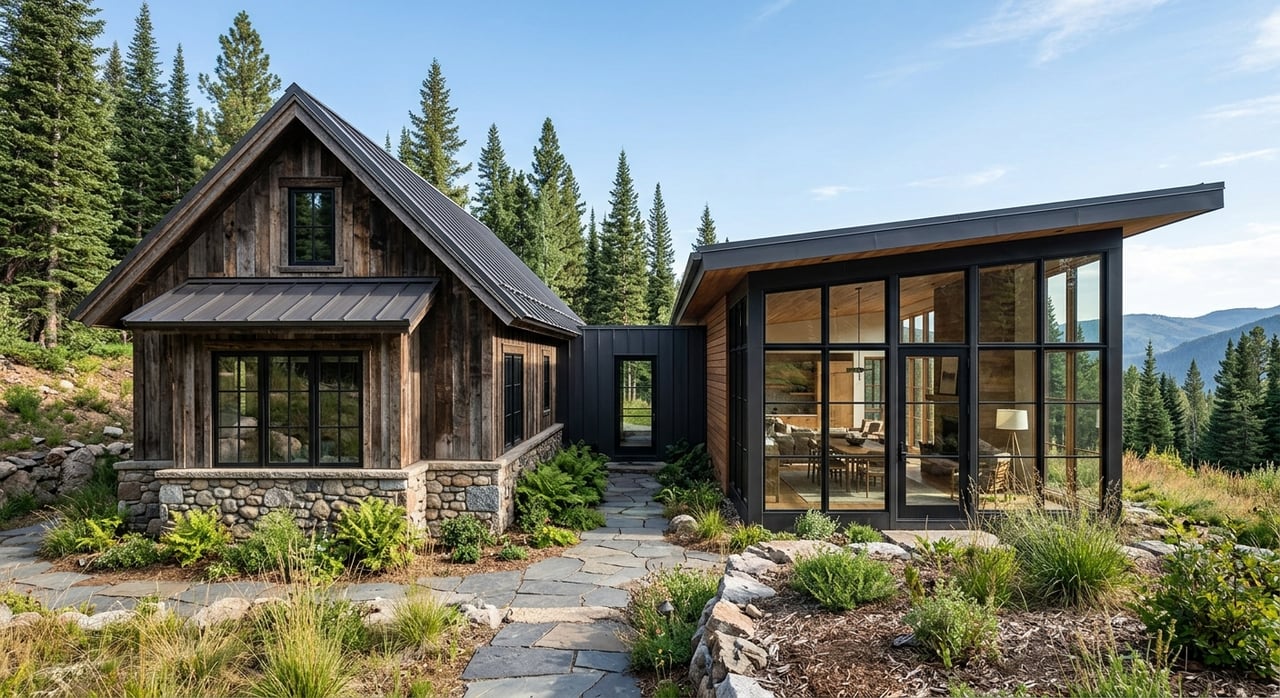
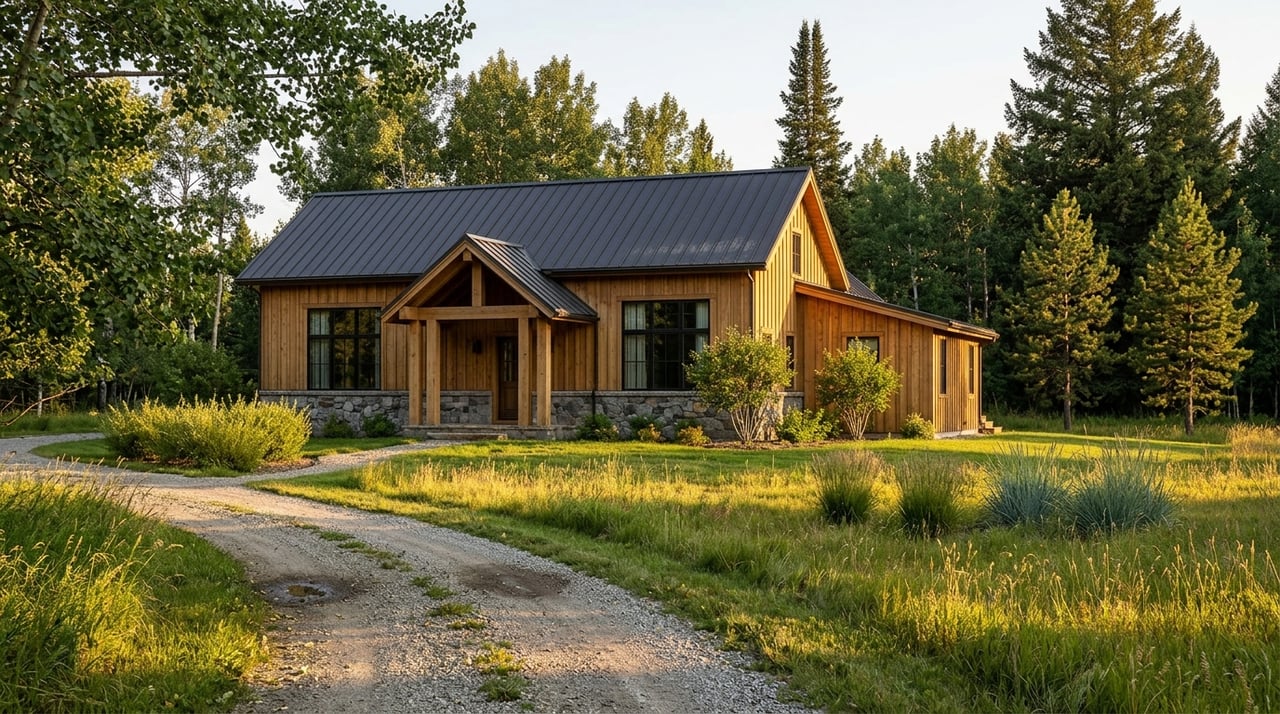
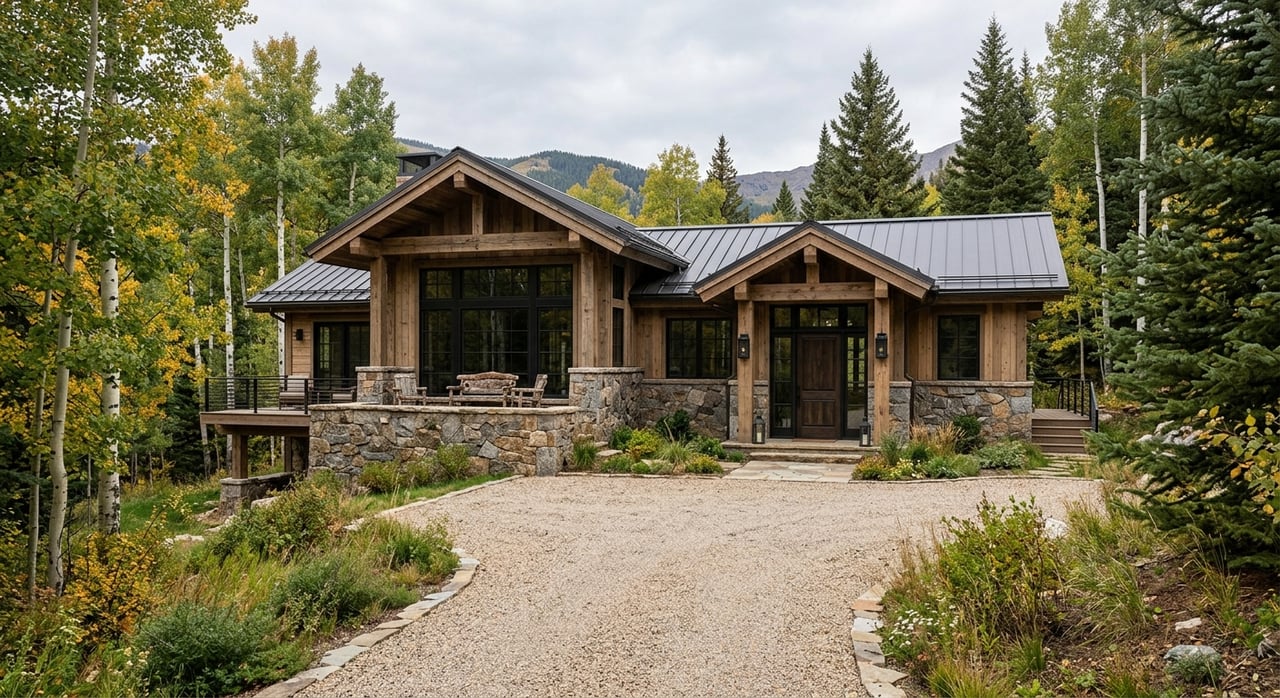
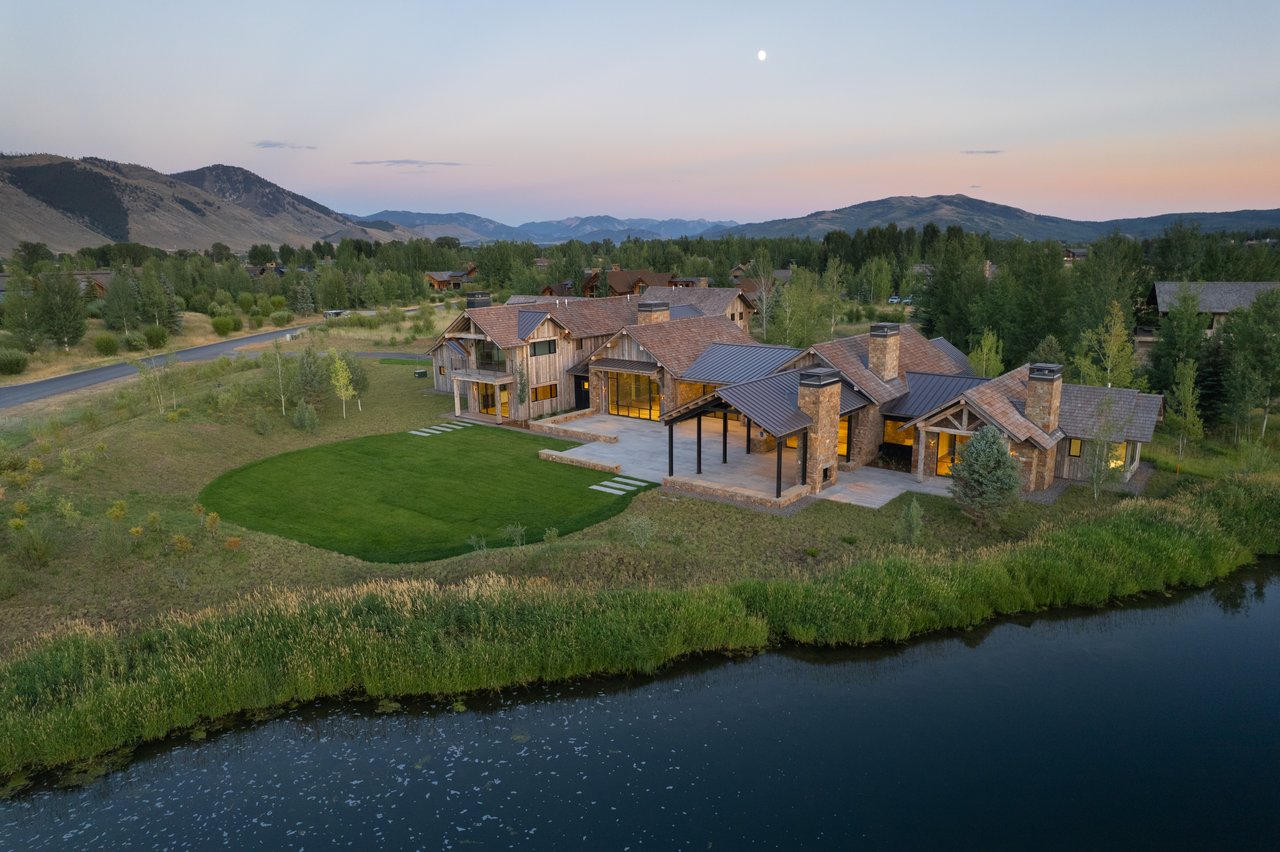
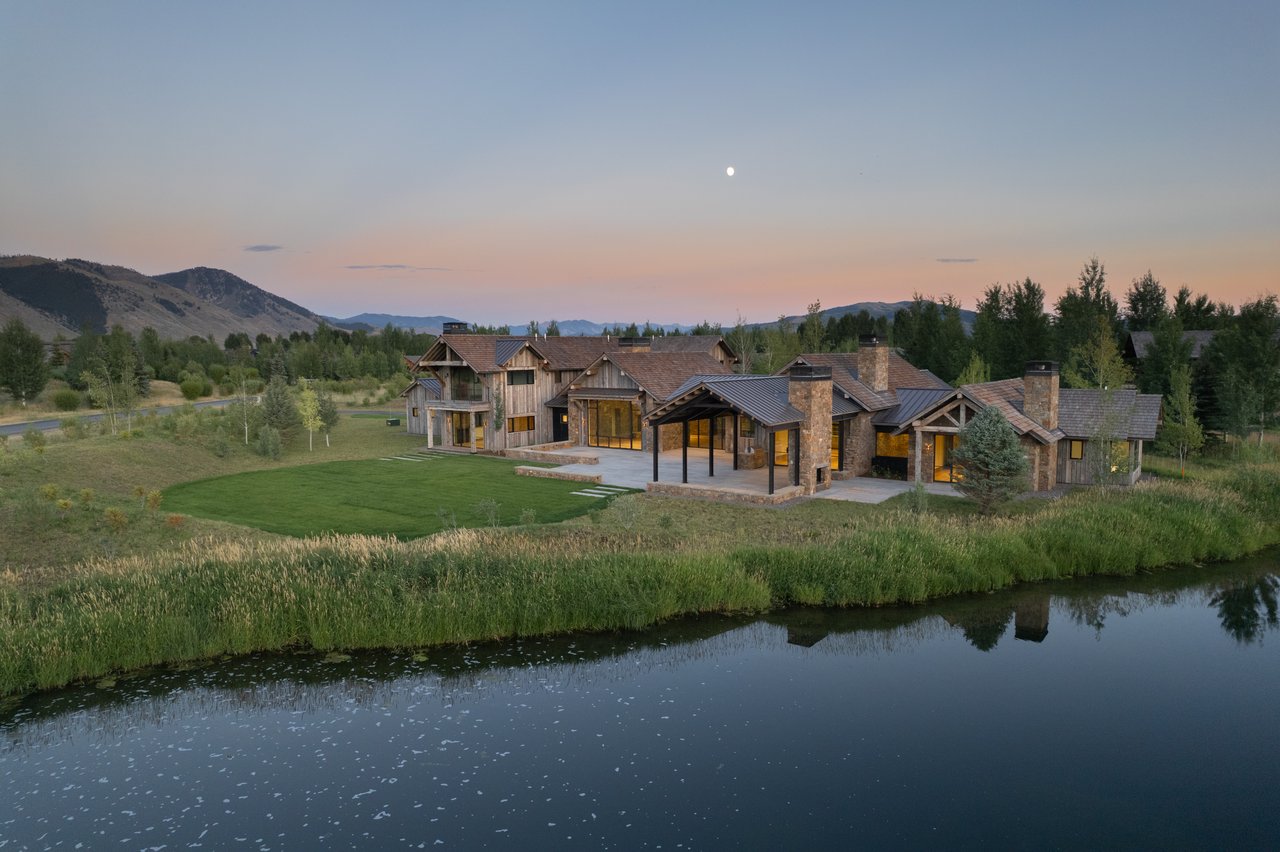
In practical terms, the area is associated with larger-lot neighborhoods and more private home settings. Examples highlighted in West Bank North include Tucker Ranch, with lots ranging from 4 to nearly 10 acres, and John Dodge, where parcels range from 3 to 10 acres. Communities such as Teton Pines also add a club-oriented option within the broader West Bank setting.
This can be a strong fit if your second home is meant to feel like a retreat. You may have easier access to open space, river-oriented recreation, and a more residential rhythm that supports longer stays throughout the year.
What Teton Village Feels Like
Teton Village offers a different kind of ownership experience. It is more compact, more managed, and more directly tied to Jackson Hole Mountain Resort. If you want to step into an established resort environment with activity close at hand, the Village stands out.
The area is governed through several special districts and an architectural committee, each with its own responsibilities. The district office also notes that residential roads are narrow, overnight parking is not allowed, and on-street parking requires special permits. Together, those details point to a more structured and resort-like setting than a typical residential neighborhood.
That structure can be a benefit if you value convenience and a clear resort identity. It can also feel less private than a larger-parcel setting on the West Bank.
Ski Access: Where Convenience Wins
Teton Village for walkable ski access
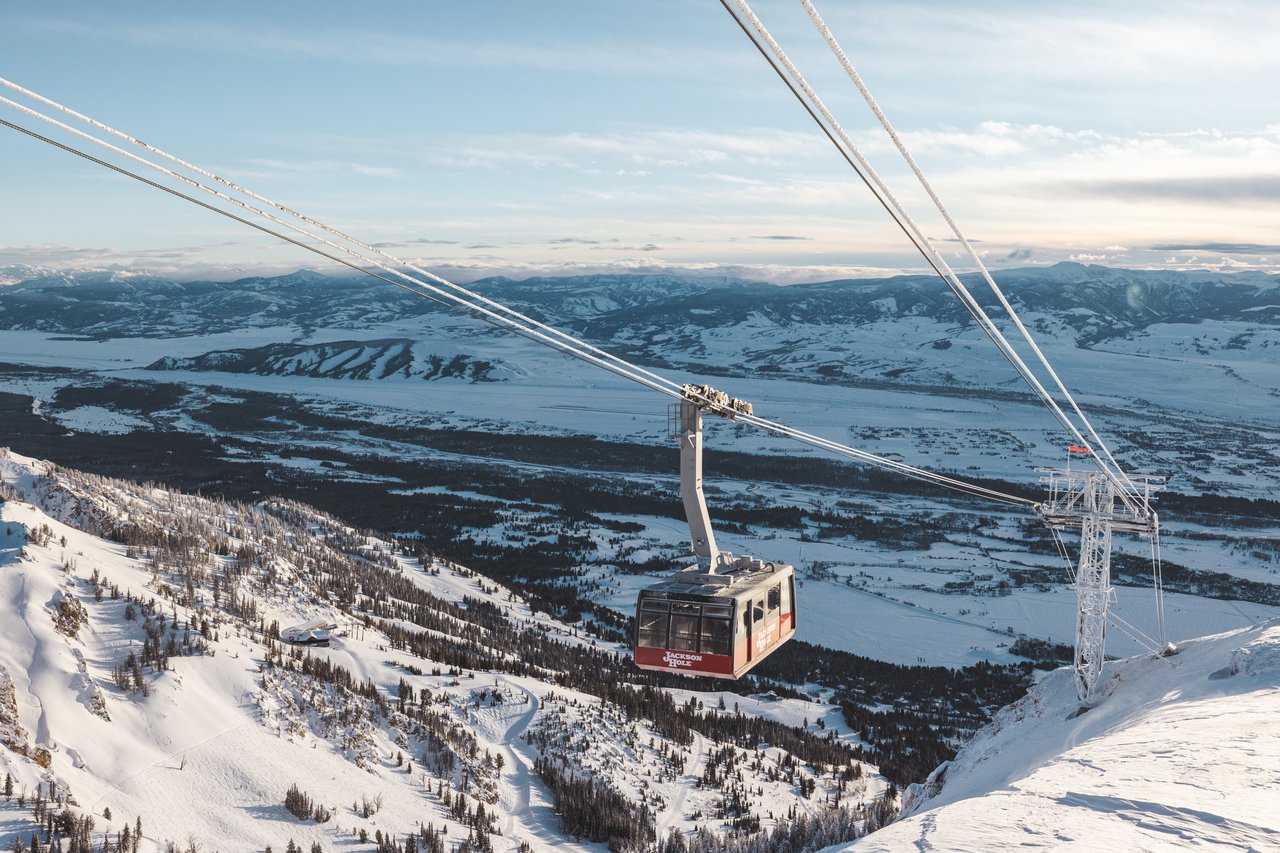
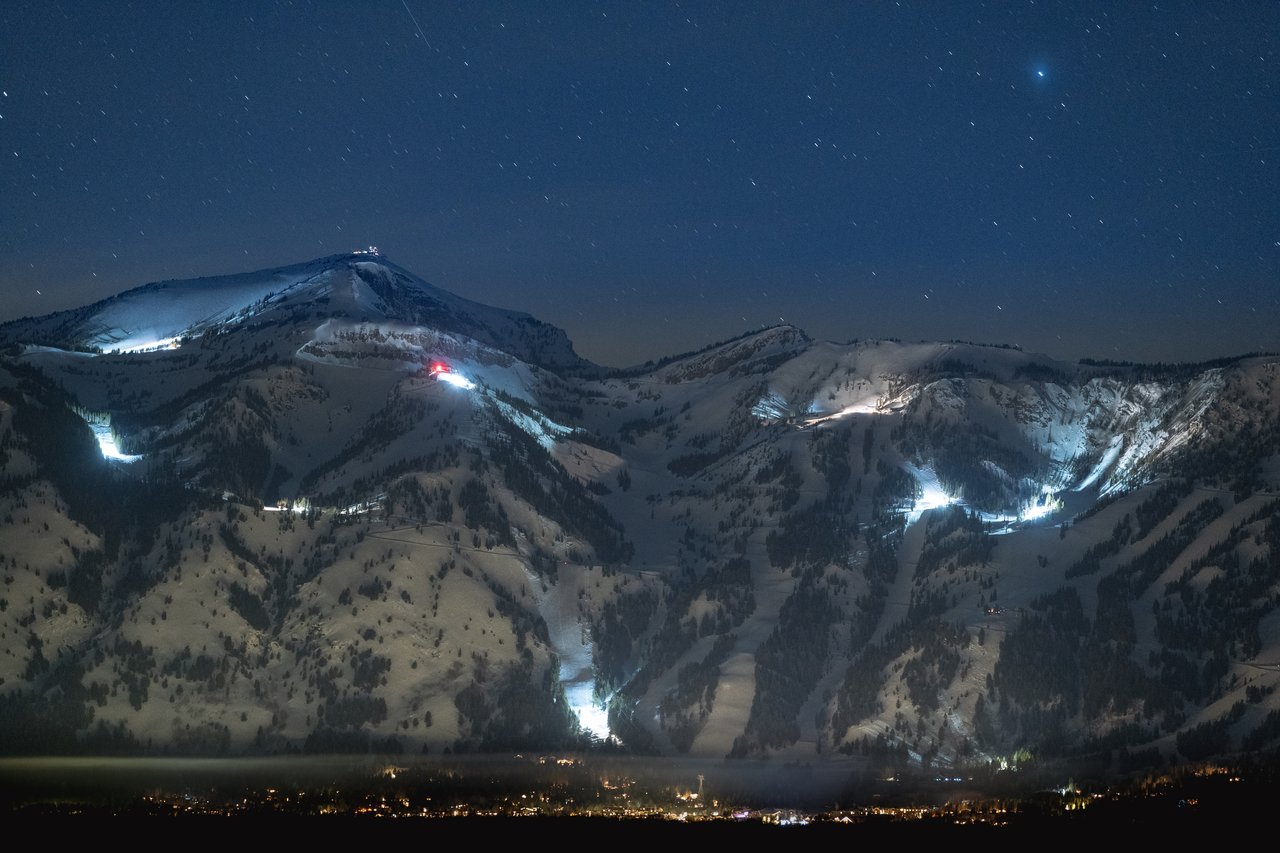
If ski convenience is your top priority, Teton Village has the edge. Jackson Hole Mountain Resort is located there, with 2,500 acres of in-bounds terrain, 131 named trails, a 4,139-foot vertical drop, an aerial tram, and two gondolas. The resort notes that guests staying in Teton Village enjoy a short walk to the mountain.
For buyers who want to maximize winter spontaneity, this matters. You can spend less time coordinating transportation and more time skiing, meeting friends, or enjoying the base area.
West Bank North for close but not in-core access
West Bank North still provides strong access to the resort, but the experience is different. Rather than walking out your door to the lifts, you are usually driving or using a shuttle. Teton Pines, for example, places the resort about five miles away and offers a complimentary winter shuttle to the ski area.
That setup often works well for buyers who want regular mountain access without being inside the resort core. You still stay connected to winter recreation, but your home life may feel quieter and more removed from daily resort activity.
Summer Use and Year-Round Lifestyle
Teton Village as an activity hub
In summer, Teton Village has a strong activity-center profile. Jackson Hole Mountain Resort offers hiking from the base or via the tram and gondolas, along with an evening gondola, bike park, via ferrata, paragliding, kids camps, and dining clustered around the Village. The broader valley also includes more than 56 miles of paved pathways connecting Jackson, Teton Village, and Grand Teton National Park, plus more than 115 miles of mountain bike trails.
If your ideal second home includes easy access to organized recreation and a lively seasonal pace, Teton Village checks many boxes. You may appreciate having multiple activities concentrated in one place, especially for family visits or shorter stays.
West Bank North for quieter repeatable recreation
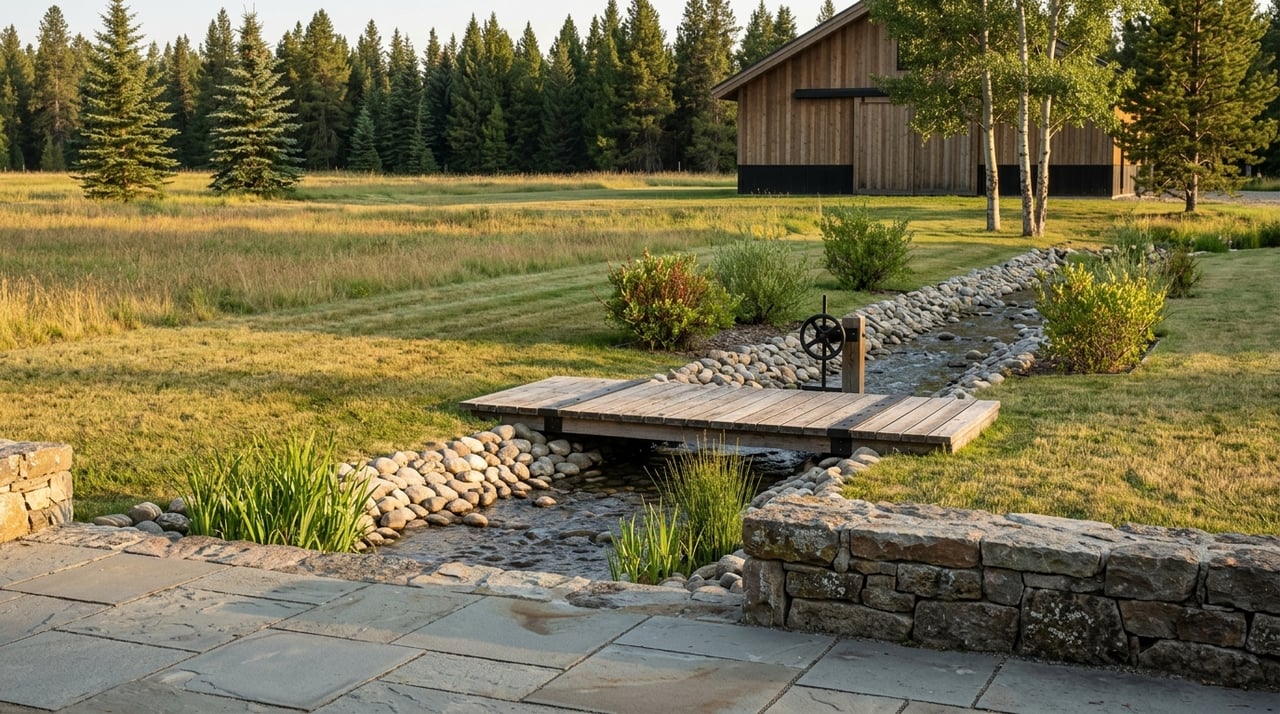
West Bank North tends to support a more low-key rhythm. Teton Pines includes an Arnold Palmer Signature golf course, indoor racquet sports, a year-round lap pool and hot tub, a Nordic trail system, ski shuttle service, kids’ programming, and dining. Nearby West Bank neighborhoods also highlight Snake River access, lake easements, and opportunities for walking, biking, and fishing.
This kind of setting often works well if you want your second home to support consistent family use rather than a resort schedule. The experience can feel more private, more grounded, and easier to return to in every season.
Property Types and Privacy
West Bank North offers more land
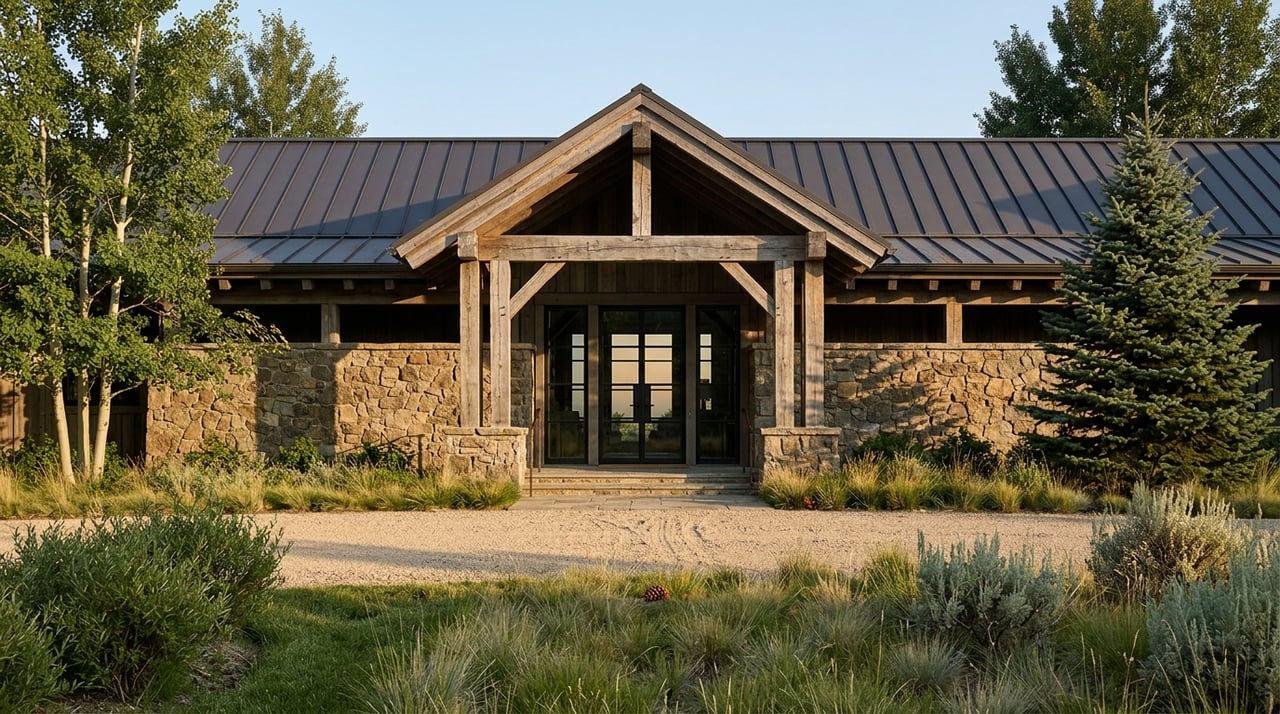
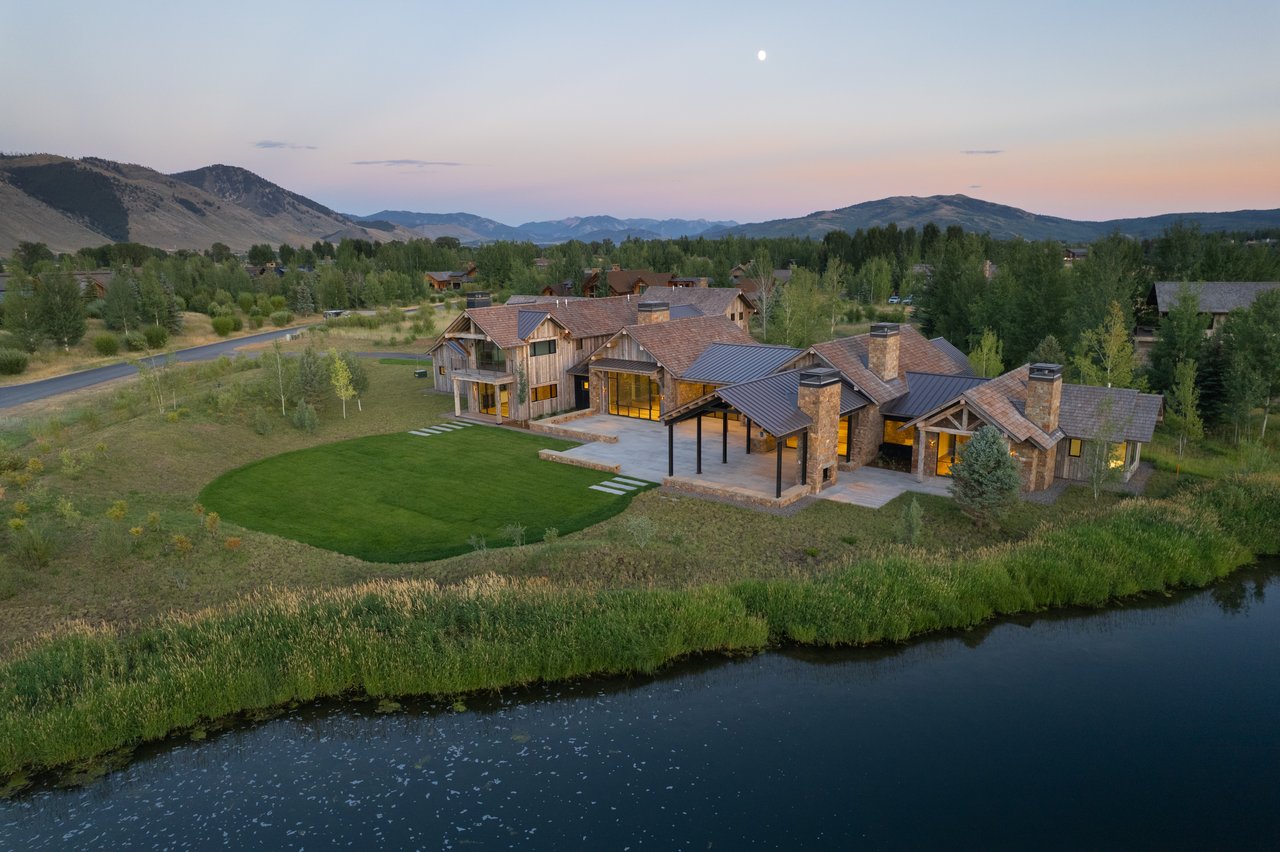
One of the clearest differences between these areas is what ownership often looks like. West Bank North is more likely to include detached homes on larger parcels, estate properties, and club-adjacent residential formats. The county’s Westbank plan also states that further subdivision of existing platted lots is generally inappropriate and that modest rural character is the preferred pattern.
That matters if you value space and separation. Larger lots can support privacy, broader view corridors, and a stronger sense of retreat.
Teton Village offers more variety in density
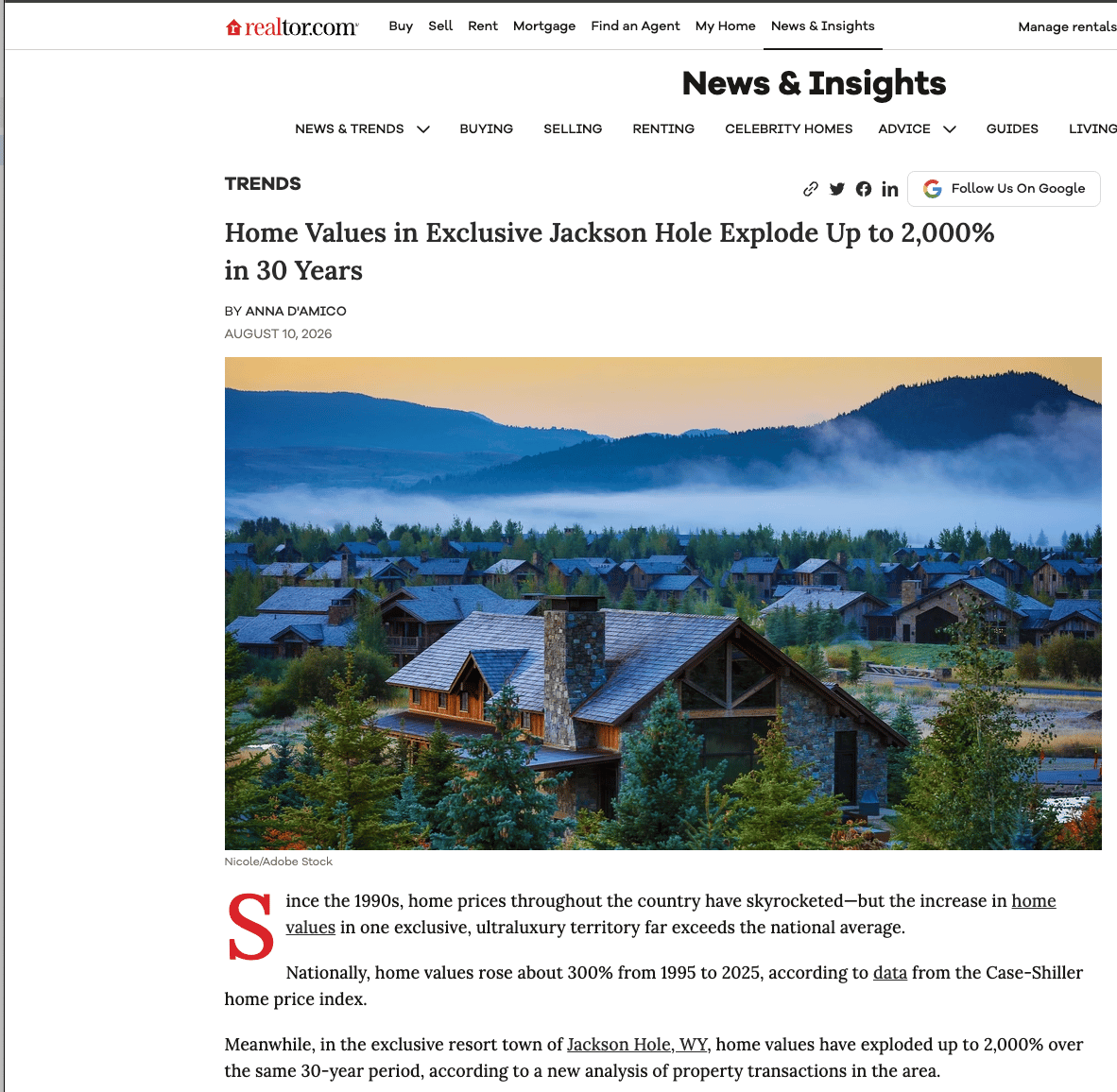
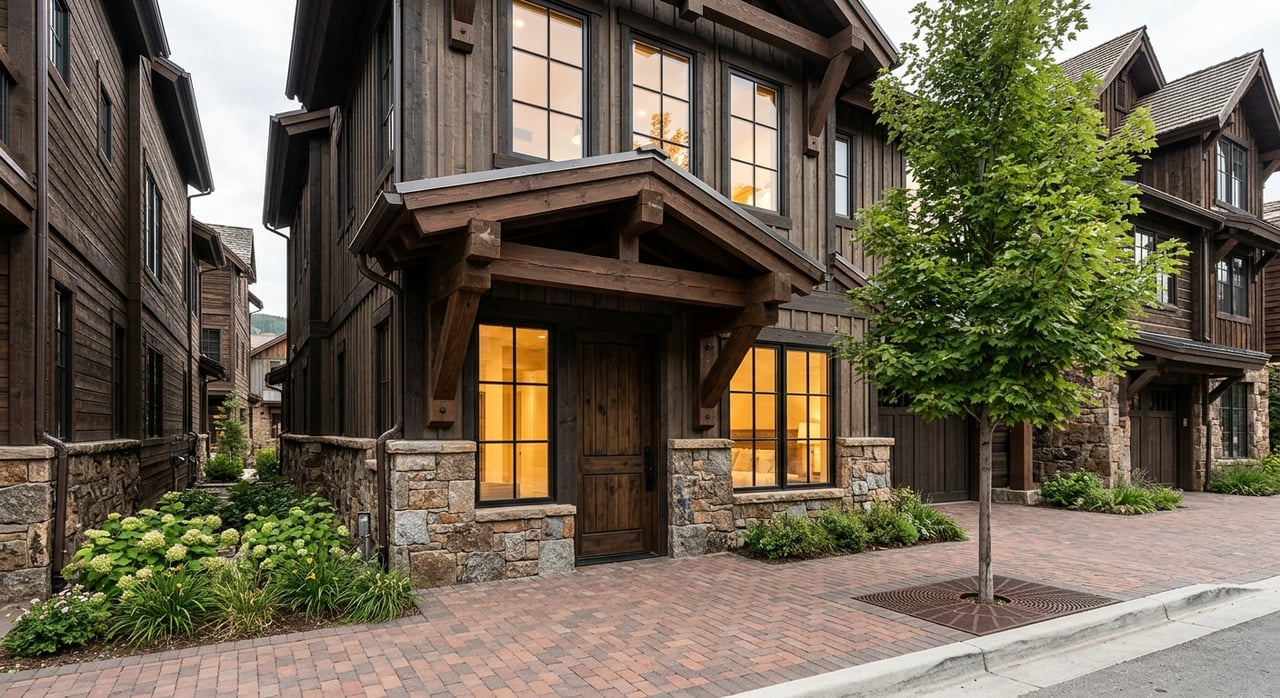
Teton Village includes a wider range of built formats. The original village covenants specify that residential lots are limited to single-family dwellings, while multiple-dwelling lots may include duplexes, apartment houses, cooperative housing, rooming and boardinghouses, and other multi-unit forms. Commercial lots are intended for hotels, lodges, restaurants, retail shops, bars, and related resort-support uses.
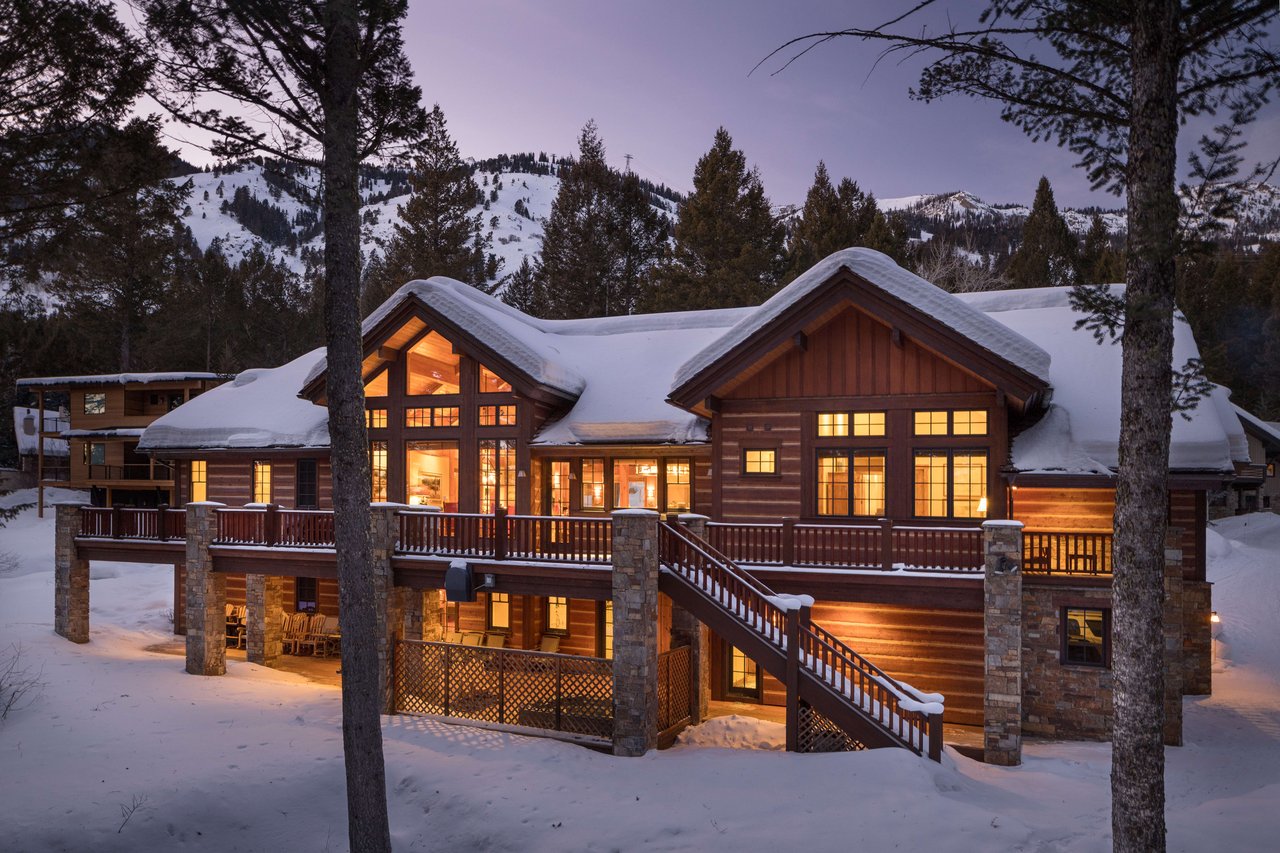
The covenants also call for an alpine exterior character using materials such as wood, stone, stucco, and other natural materials. For buyers who appreciate a more cohesive resort aesthetic and a closer relationship to village services, that can be appealing. For others, the added density may feel less aligned with a private second-home vision.
Which Area Fits Your Second-Home Goals?
The right choice depends on how you plan to use the property. Both locations can work beautifully for a second home, but they serve different priorities.
Choose Teton Village if you value:
- Short walks to ski access
- A livelier resort atmosphere
- Concentrated dining and activity options
- A more managed ownership environment
- Easy access to winter and summer recreation from one central base
Choose West Bank North if you value:
- Larger parcels and more privacy
- A quieter residential setting
- Club-oriented amenities and lower-key recreation
- Strong access to the mountain without living in the resort core
- A second home that feels more like a retreat than a resort stay
A Practical Way to Decide
If you are still torn, think about your ideal arrival day. If your perfect weekend starts with parking the car and walking to lifts, dining, and village activity, Teton Village may be the better match. If it starts with a quieter drive home, more space around you, and resort access when you want it, West Bank North may fit better.
It can also help to think beyond one season. Some buyers shop with winter in mind, then realize their second home will be used just as much in summer and shoulder seasons. In that case, the difference between an activity hub and a more private residential setting becomes even more important.
A thoughtful purchase in Jackson Hole is rarely just about square footage or proximity. It is about how a property supports your time here, the pace you want, and the level of privacy or convenience that feels right for your household.
If you are considering a second home in Jackson Hole and want a discreet, informed perspective on West Bank North, Teton Village, or other local options, Tom Evans Real Estate can help you evaluate the tradeoffs with clarity and local insight.
FAQs
Is West Bank North or Teton Village better for ski access?
- Teton Village is better for direct ski convenience because Jackson Hole Mountain Resort is located there and many properties offer a short walk to the mountain.
Is West Bank North or Teton Village quieter for a second home?
- West Bank North is generally the quieter option because it is more residential, lower density, and oriented toward rural character and larger parcels.
What kinds of properties are common in West Bank North?
- West Bank North commonly includes larger-lot homes, estate-style properties, and club-oriented residential options such as those found near Teton Pines.
What kinds of properties are common in Teton Village?
- Teton Village includes single-family homes as well as areas planned for multi-unit residential and resort-support uses such as lodges, restaurants, and shops.
Is Teton Village better for summer activities?
- Teton Village has a stronger activity-hub profile in summer, with resort-based hiking, biking, aerial activities, camps, and clustered dining.
Is West Bank North a good fit for year-round use?
- West Bank North can be a strong fit for year-round use if you want privacy, club amenities, access to outdoor recreation, and proximity to the resort without living in the Village core.
Written by Ashley DiPrisco, Real Estate Advisor
Jackson Hole Sotheby's International Realty