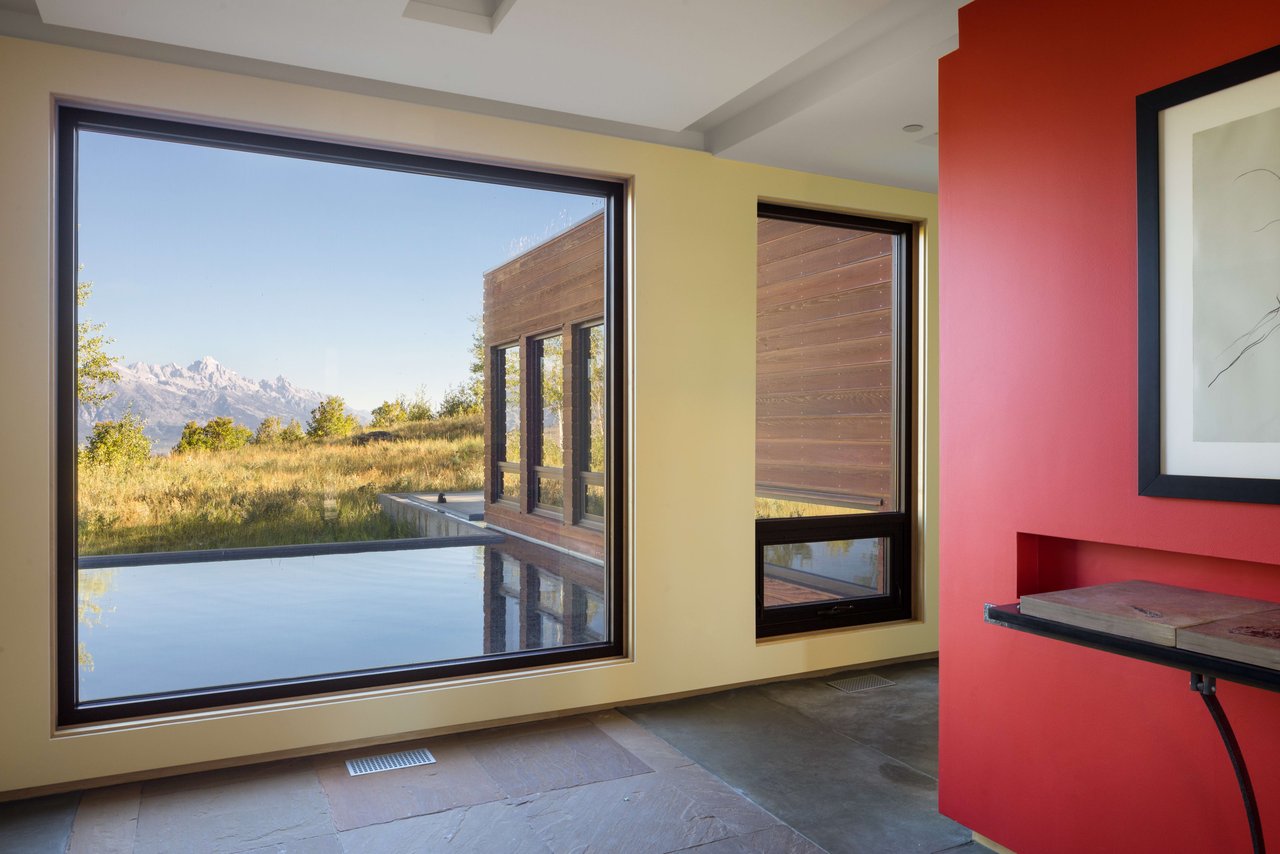
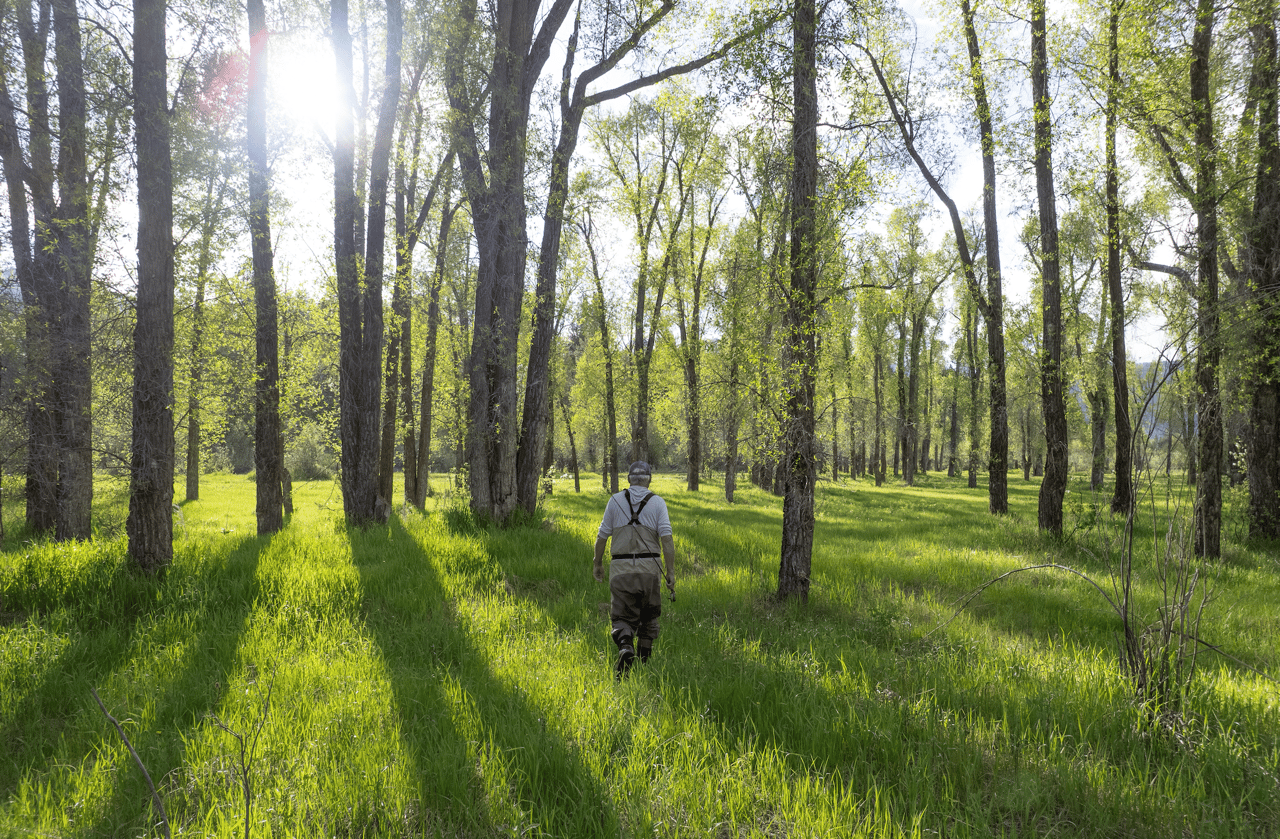
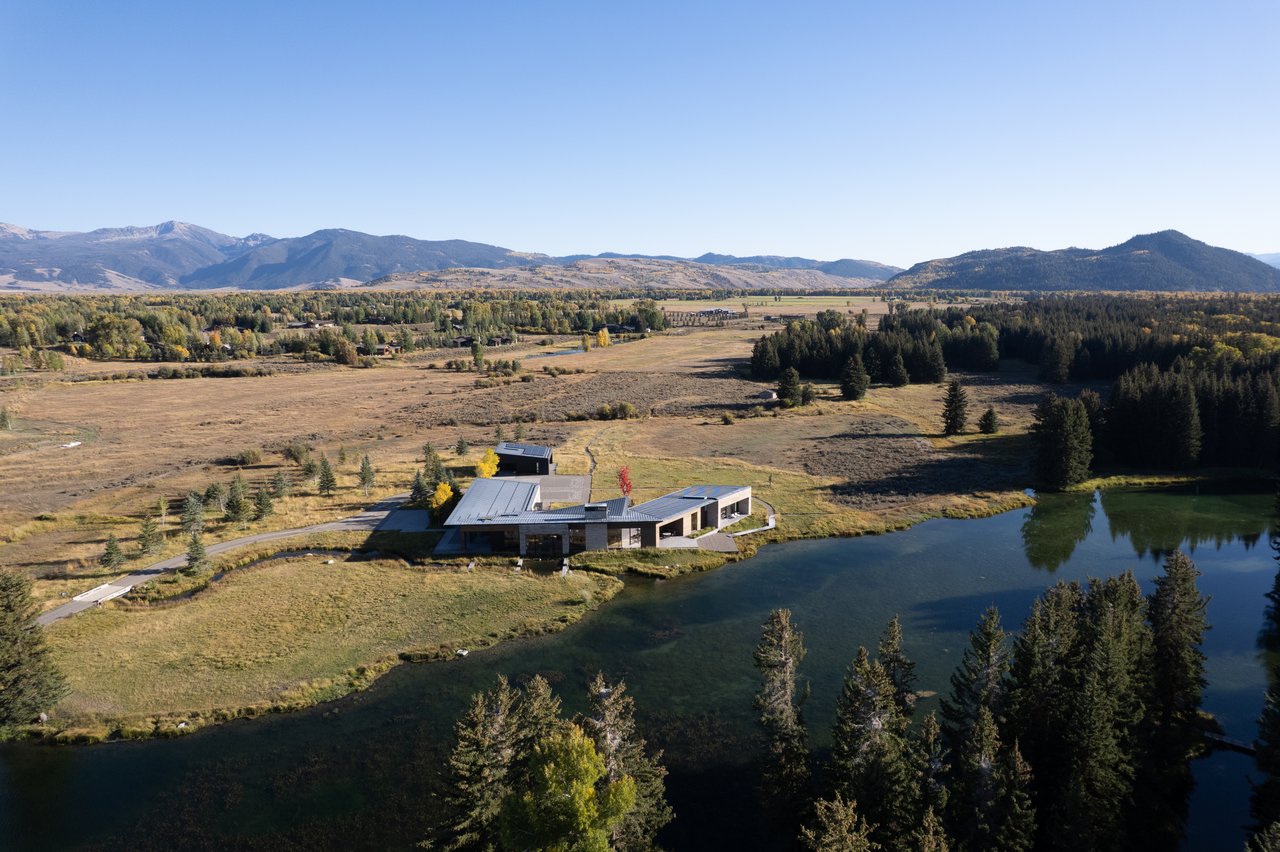
If you are deciding between a riverfront home and a golf home north of Jackson, you are really choosing between two very different ways to live. One offers a close relationship to water, wildlife, and protected open space. The other centers on club amenities, a social recreation calendar, and a more structured ownership experience. Understanding those differences can help you buy with more clarity and fewer surprises. Let’s dive in.
North of Jackson at a Glance
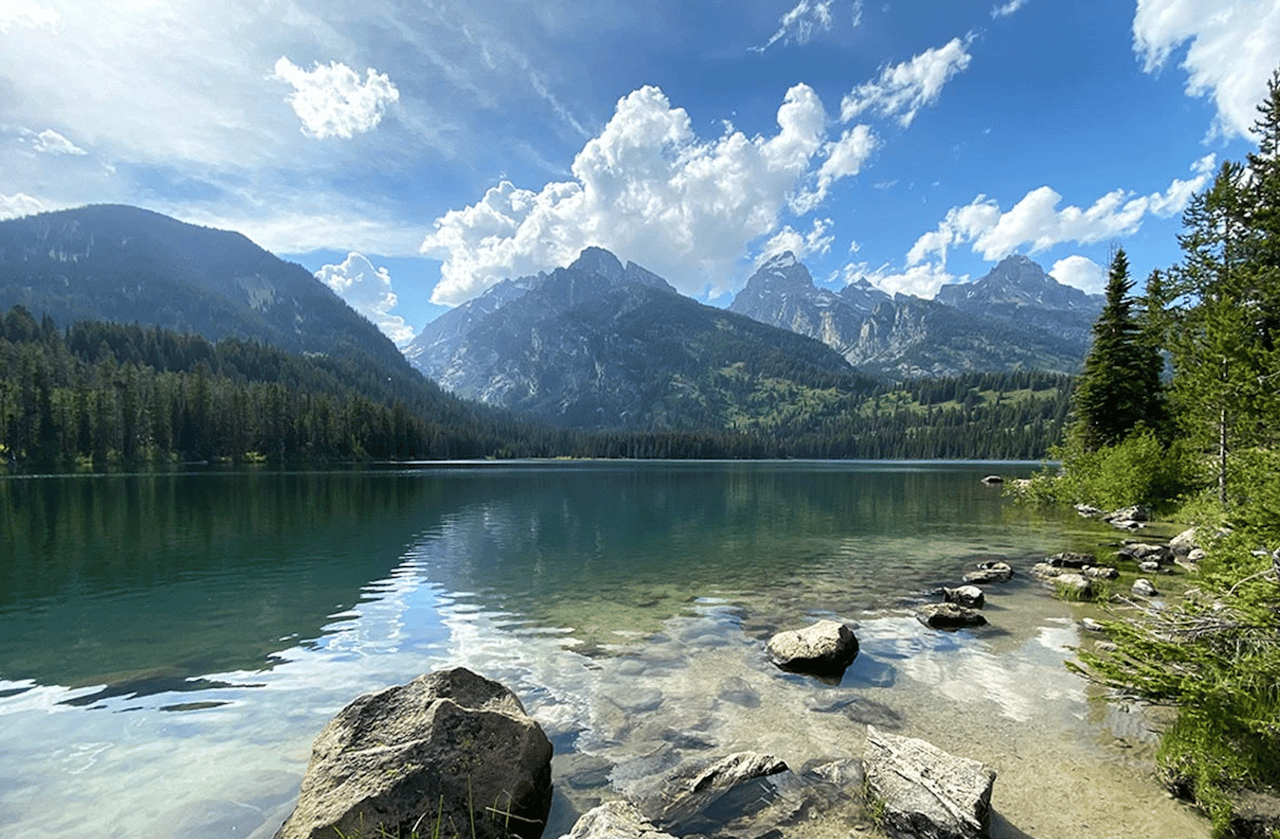
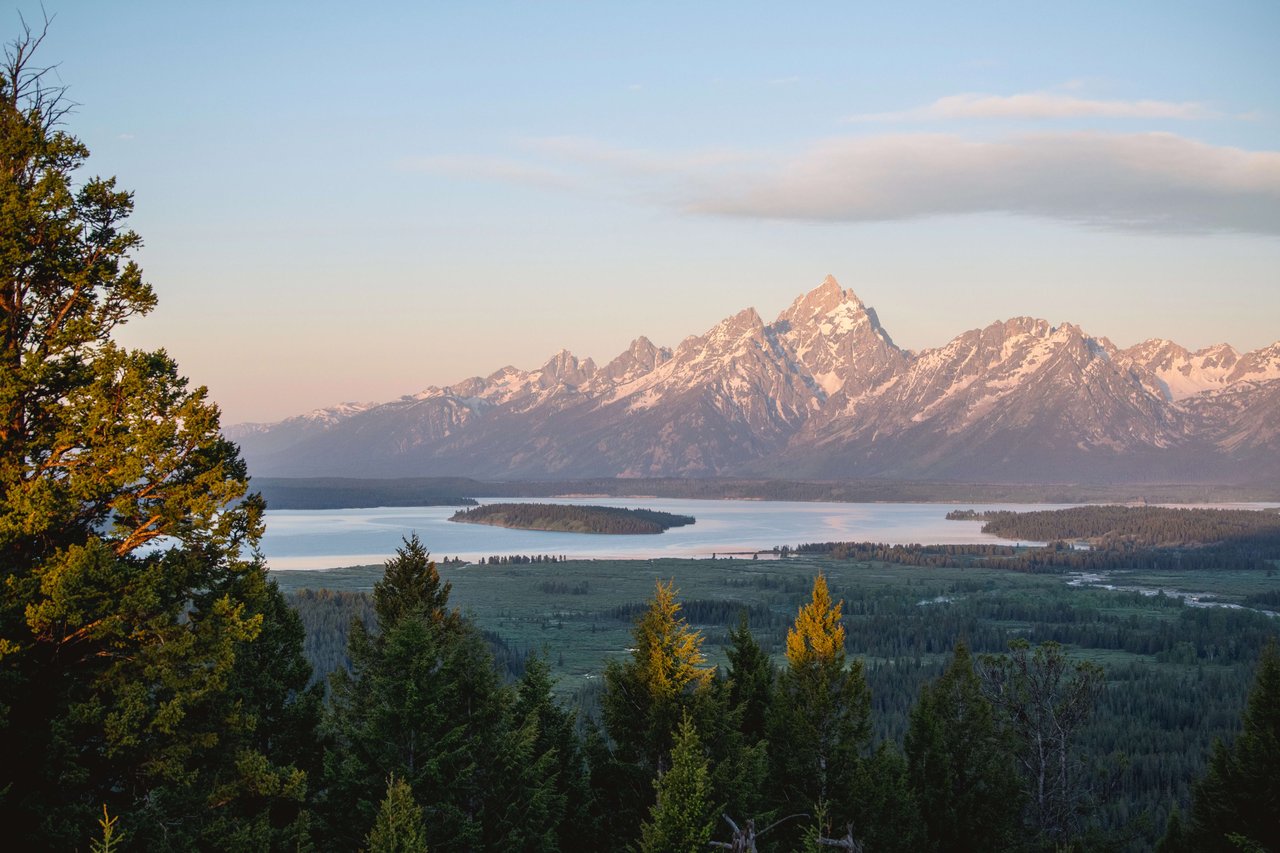
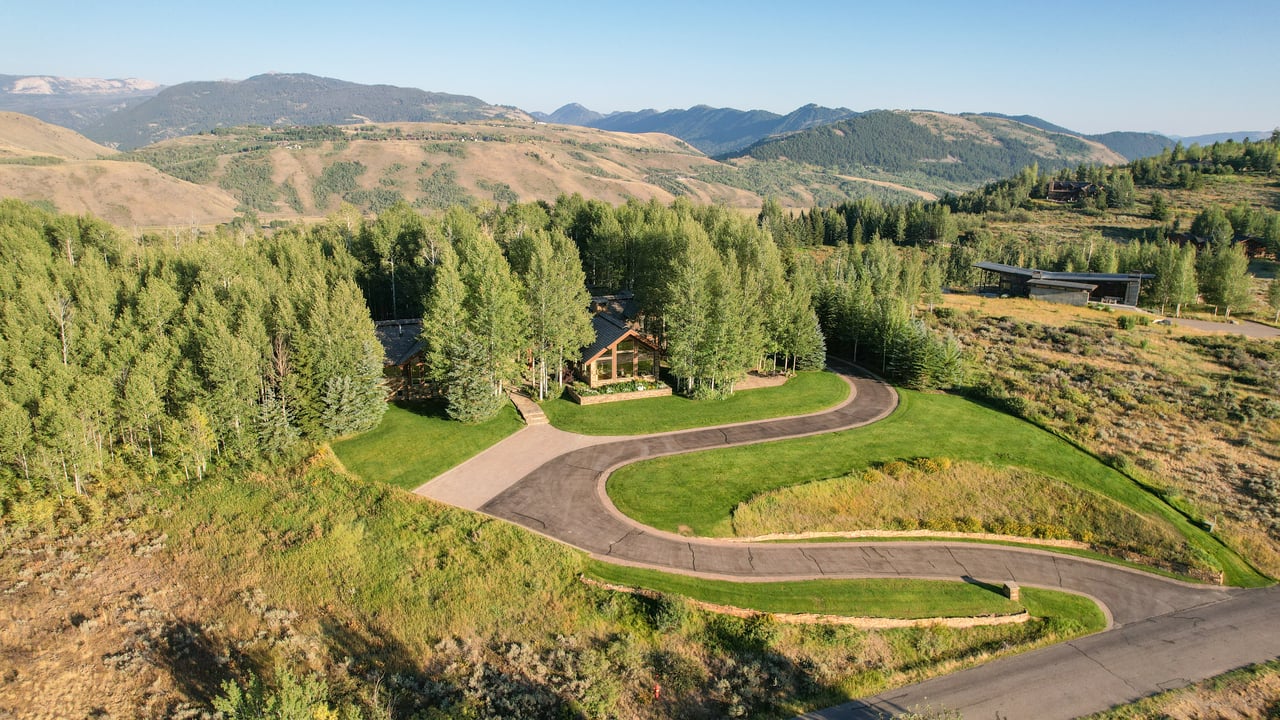
North of Jackson offers a setting where landscape shapes lifestyle in a very real way. Along the Snake River corridor, ownership is tied to a living riparian environment with public and private access boundaries, wildlife considerations, and land-use rules that matter from day one.
Near Jackson Hole Golf & Tennis Club, the experience is different. The club is located at 5000 N Spring Gulch Road, about 7.9 miles from downtown Jackson, and it operates as a semi-private club with a seasonal rhythm. That means your daily experience is often shaped more by amenities and club use than by land stewardship along a river edge.
Riverfront Homes: Privacy and Stewardship
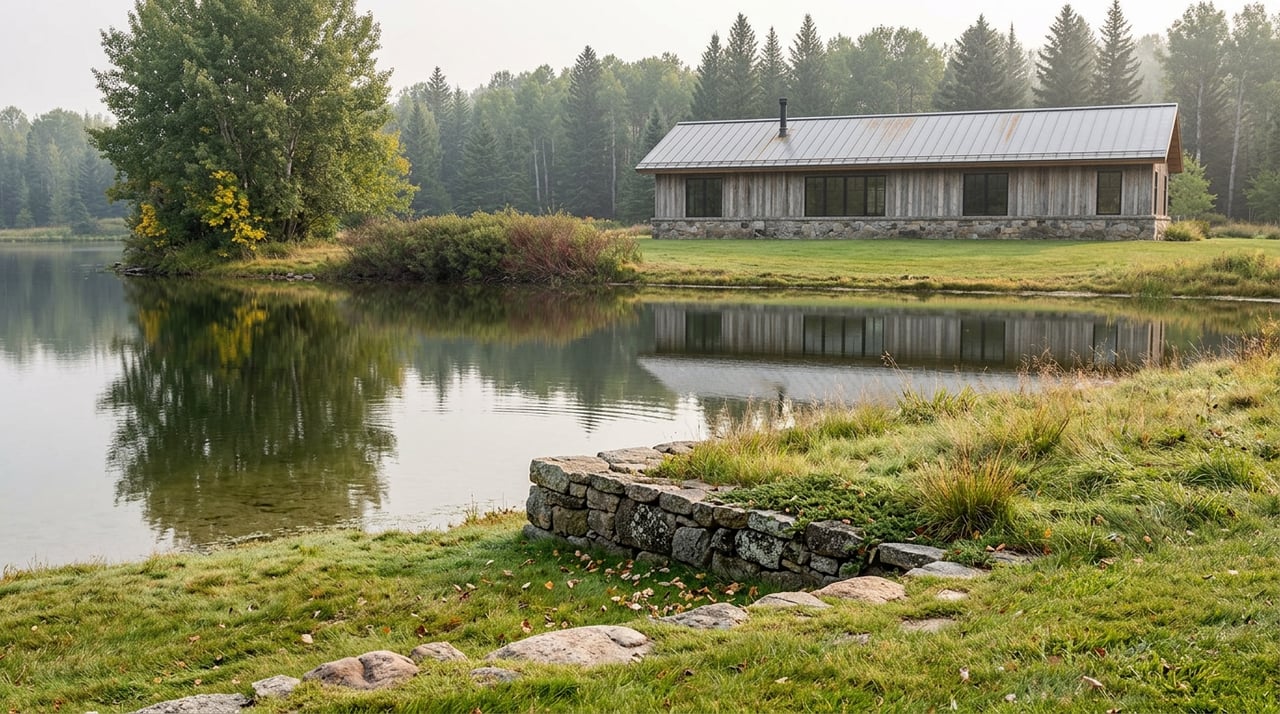
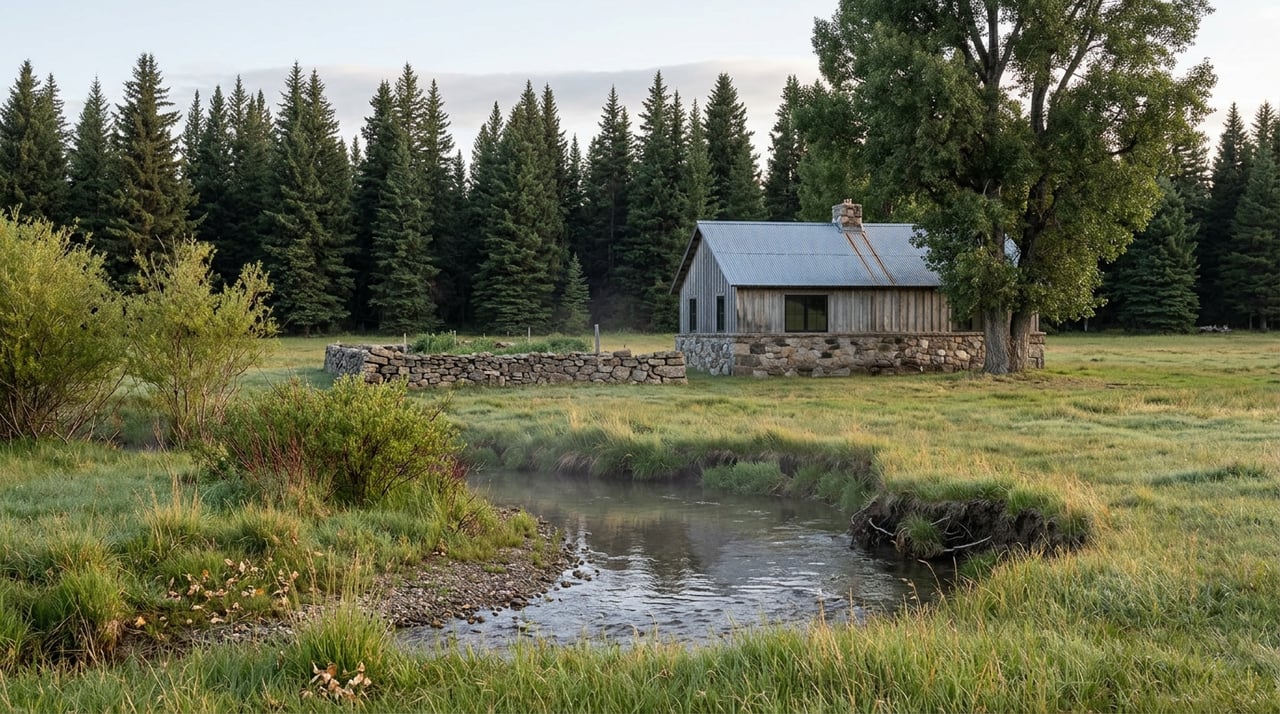
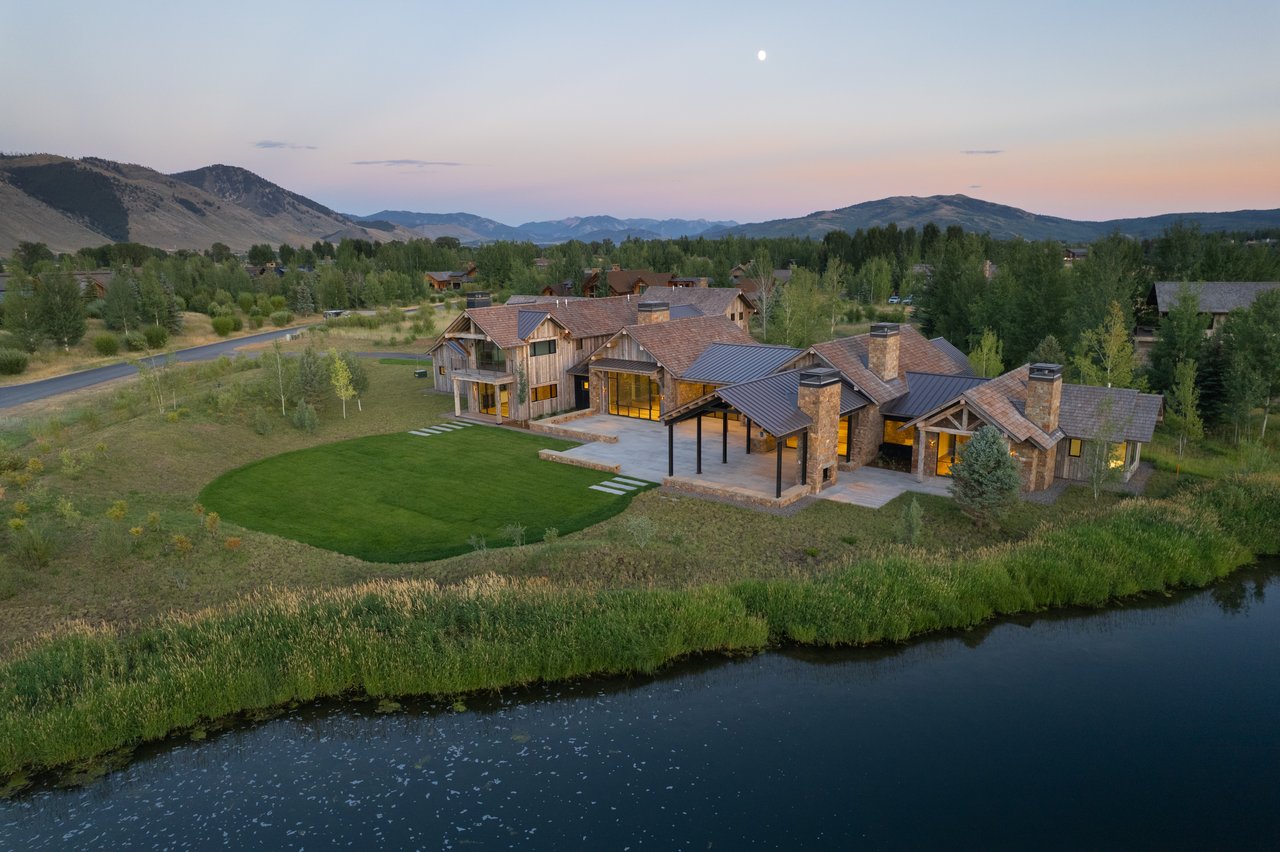
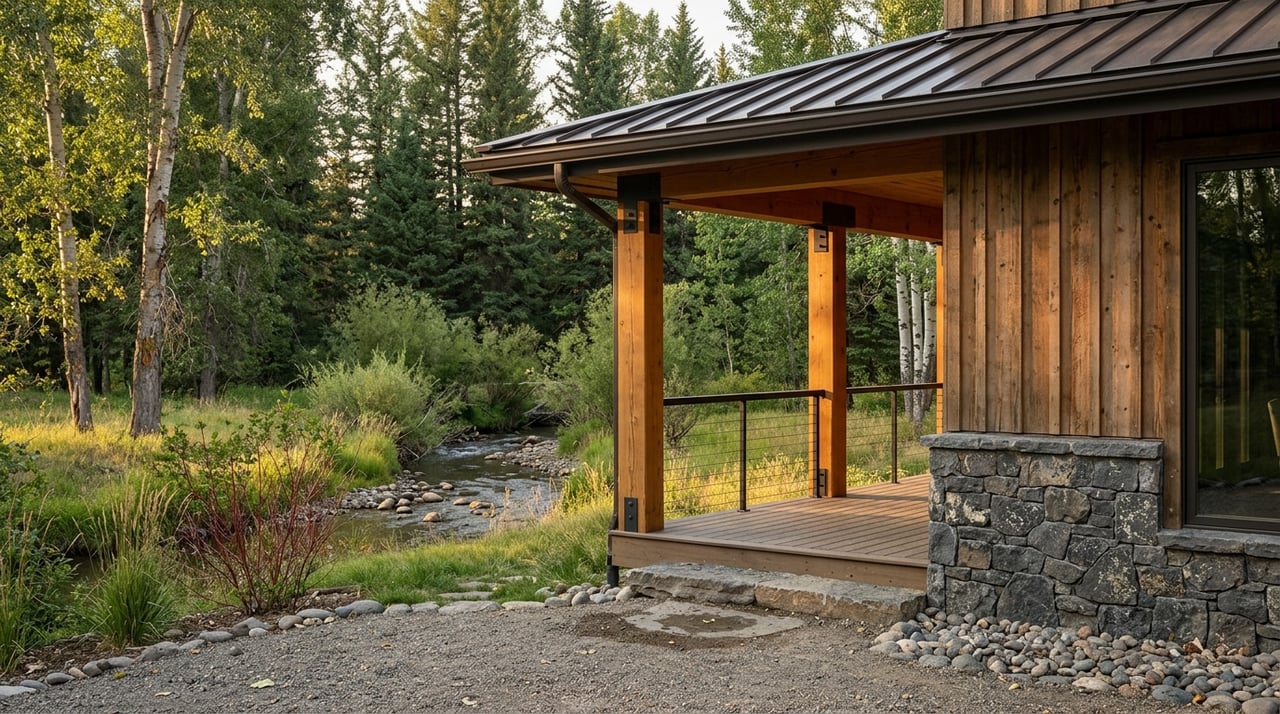
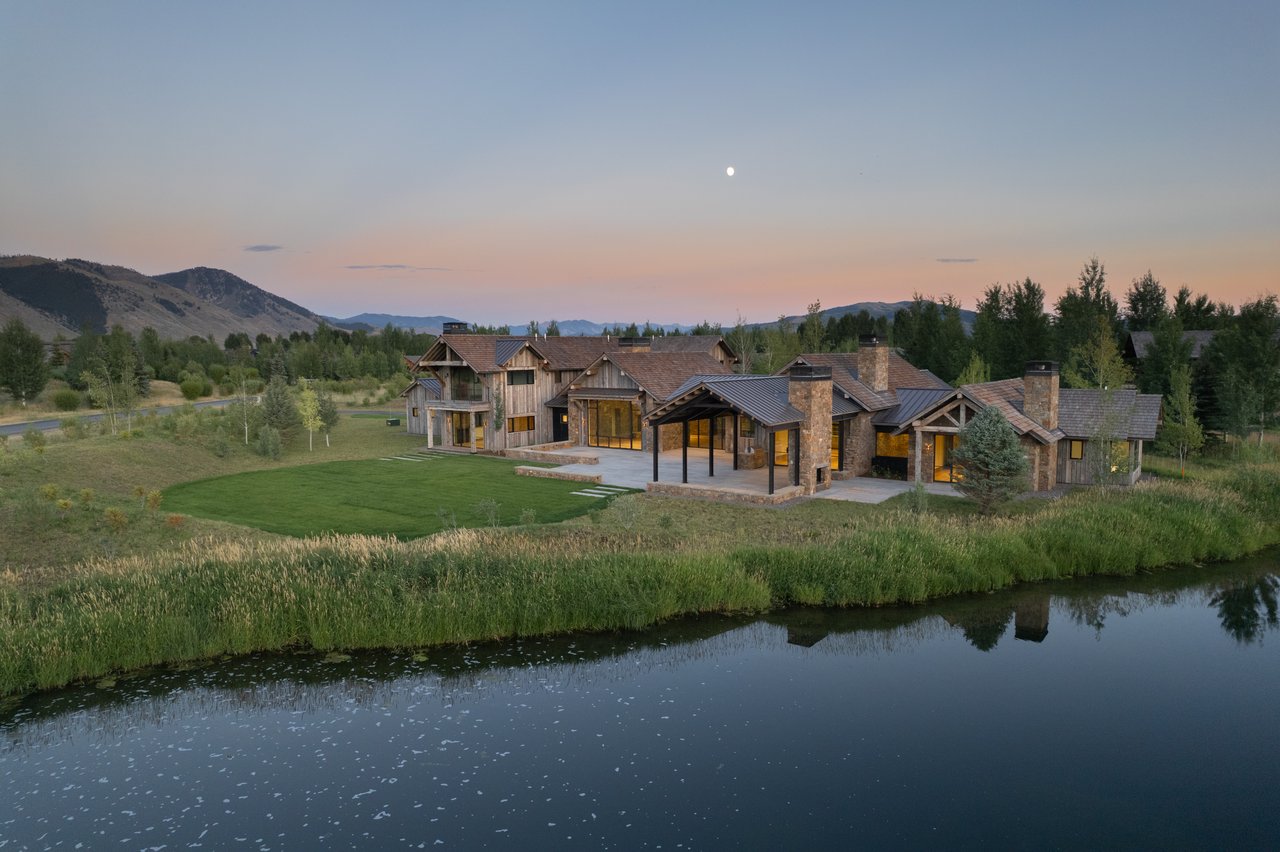
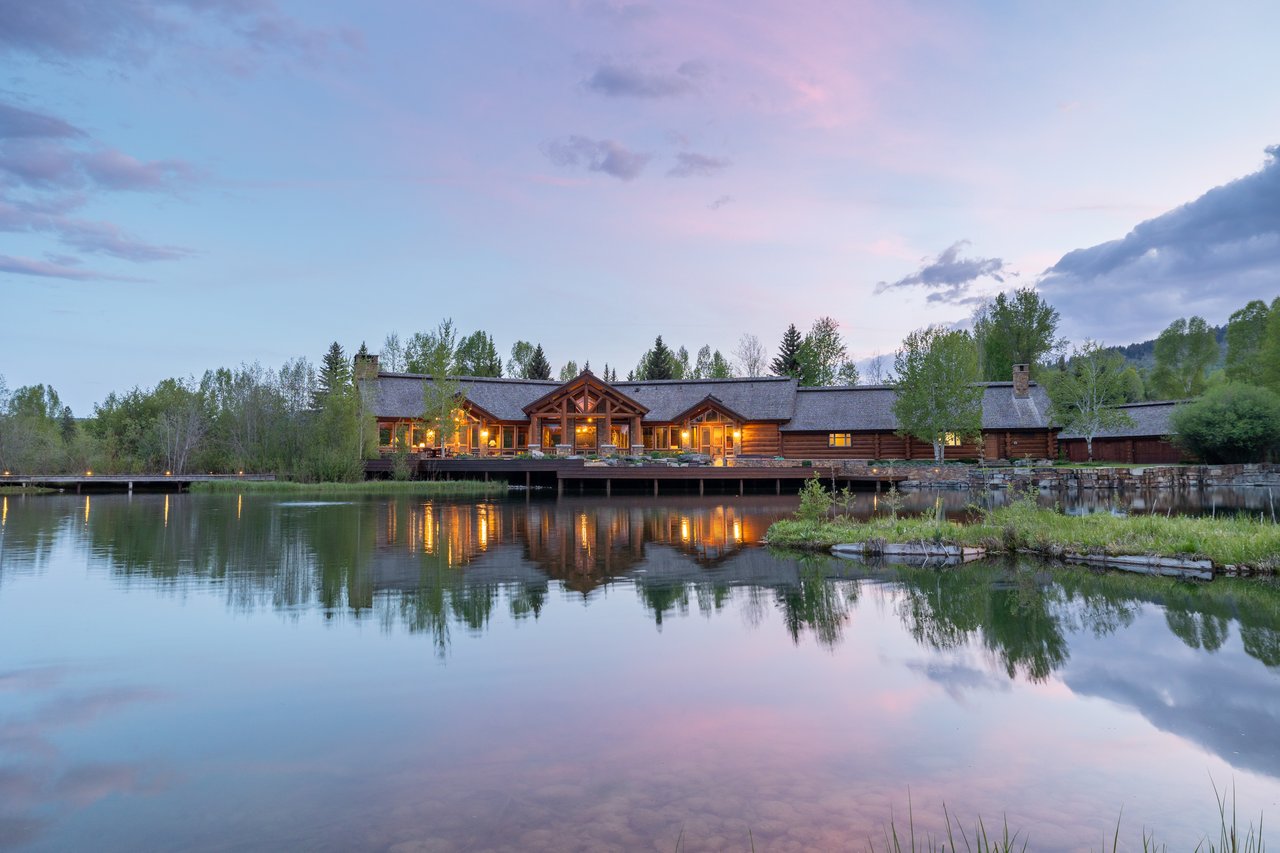
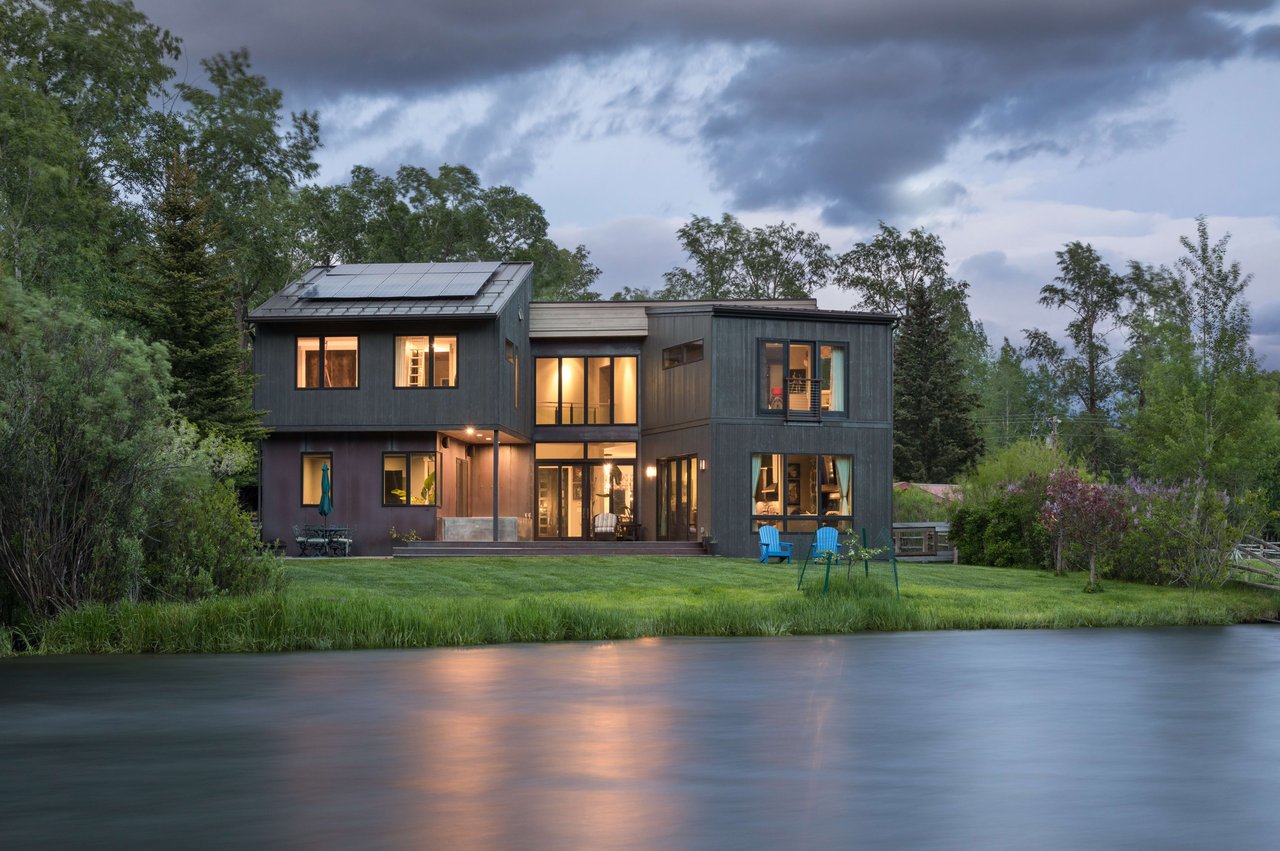
A riverfront home north of Jackson often appeals to buyers who want a quieter, more private setting. The draw is easy to understand: water, open views, and a landscape that feels closely tied to the natural character of Teton County.
That appeal comes with responsibility. Teton County treats riparian areas as important to water quality and native species, and the Snake River corridor crosses critical wildlife habitat in some areas. If you are considering riverfront ownership, it helps to think of the property not just as a homesite, but as part of a protected and closely managed landscape.
What riverfront living feels like
Riverfront ownership is often less about shared amenities and more about place. You may value the sense of separation, the changing river conditions through the seasons, and a stronger connection to wildlife and open space.
For many buyers, that creates a legacy feel. The property can feel more secluded and more personal, but it also calls for a thoughtful approach to how the land is used and maintained.
Land-use limits matter
One of the biggest practical factors is Teton County’s river setback rule. The county requires a 150-foot setback from rivers, and that buffer must remain free from structures, fences, parking, grading, non-native landscaping, and other development activity.
For you as a buyer, this can work both ways. The rule helps preserve the river edge, supports privacy, and protects open space, but it can also limit where future improvements, outbuildings, or hardscape can go. On a luxury property, understanding that usable area is essential.
Wildlife is part of ownership
Wildlife considerations are not abstract in this part of Teton County. The county prohibits wildlife feeding and requires wildlife-friendly fencing standards, which can affect how you manage the land around your home.
This matters whether you are buying for seasonal use or long-term ownership. If your goal is a private retreat with a strong sense of place, riverfront property may be a compelling fit, but it tends to reward owners who appreciate stewardship as part of the ownership experience.
Riverfront Due Diligence: Floodplain and Maintenance
For river-adjacent property, floodplain review should be high on your list. Teton County says FEMA flood hazard zones and floodplain boundaries can be reviewed on the county GIS system, and the county also notes that FEMA is updating local Flood Insurance Rate Maps.
That means you should not rely on assumptions or general impressions. Two nearby parcels can have very different floodplain conditions, and those differences can affect financing, insurance questions, and long-term planning.
Questions to ask on a river property
If you are evaluating a riverfront home north of Jackson, these are some of the most useful questions to ask early:
- Is the property in a mapped flood hazard area?
- How much of the site is usable outside setback constraints?
- Are there any existing improvements near the river buffer?
- What wildlife-related rules affect fencing and landscaping?
- How much seasonal maintenance and monitoring will the property require?
These questions can shape not only your buying decision, but also how comfortable the property feels once you own it.
Ongoing maintenance expectations
Riverfront ownership often comes with more maintenance awareness than golf-adjacent ownership. Teton County’s water-quality framework emphasizes riparian buffers, stormwater filtration, and protection of the Snake River Sole Source Aquifer.
In practical terms, that means you may need to pay closer attention to drainage, vegetation, and the condition of the river edge. For some buyers, that is part of the appeal. For others, a more managed setting may be the better match.
Golf Homes: Amenities and Social Rhythm
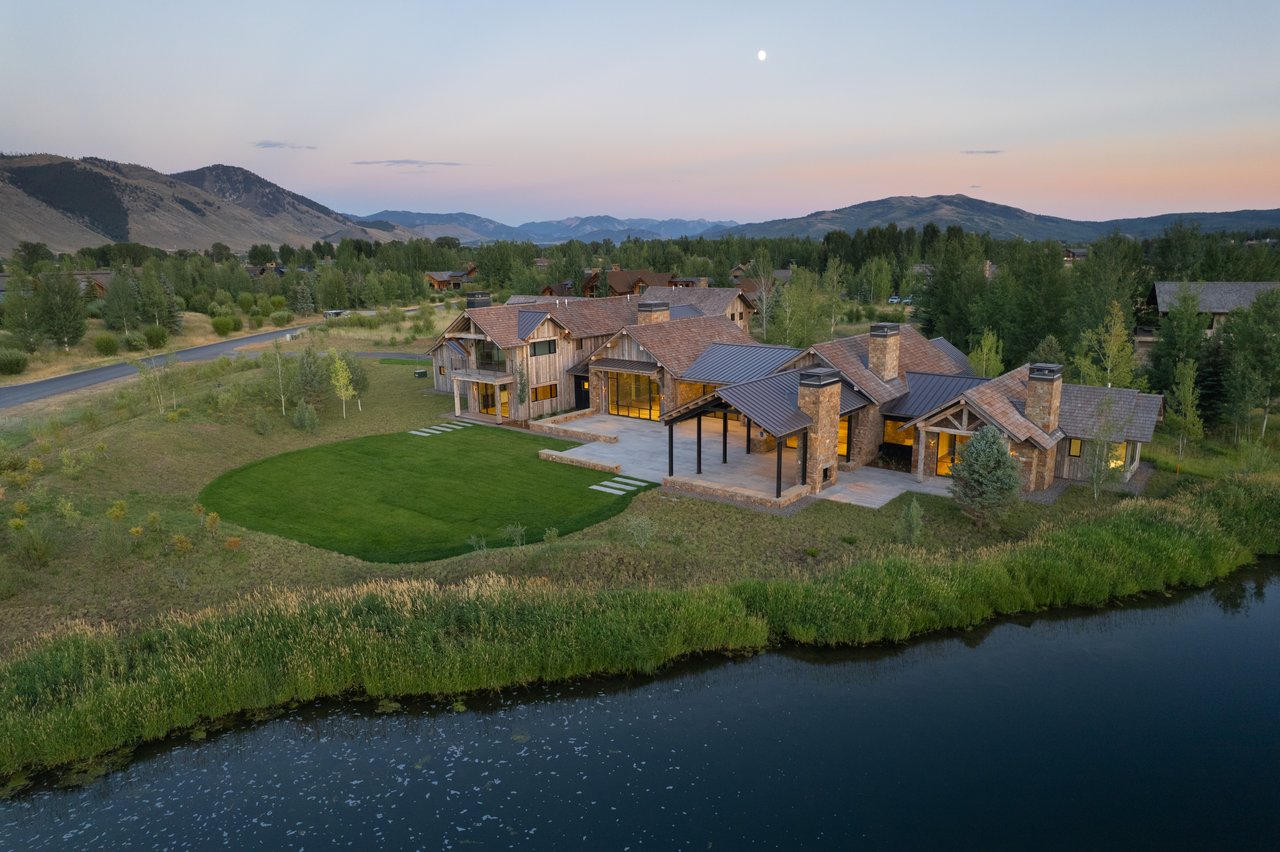
A golf home near Jackson Hole Golf & Tennis Club offers a different kind of luxury. Instead of centering on the river corridor and its land-use constraints, the focus shifts to shared amenities, organized recreation, and a more social atmosphere.
The club describes itself as semi-private and offers a broad amenity package that includes golf, tennis, a heated saltwater pool, a fitness center, and a seven-mile Nordic track loop in winter. For buyers who want recreation close at hand and a resort-style setting, that can be a strong advantage.
What the club lifestyle offers
Golf-home ownership is often about convenience and rhythm. Rather than managing a highly sensitive river edge, you are more likely to enjoy a landscape that is manicured, visually open, and designed around active use.
That can make the ownership experience feel easier and more structured. If you like the idea of a seasonal home where recreation is built into the setting, a golf property may align well with how you plan to use the home.
Membership and access details
There is an important distinction here: Jackson Hole Golf & Tennis Club is not an unlimited public facility. It is semi-private, with limited daily tee times for non-members, and the club states that memberships are currently sold out with a waitlist in place.
That matters if club access is central to your decision. It is worth understanding exactly how you plan to use the property and whether membership timing affects your goals.
Privacy versus openness
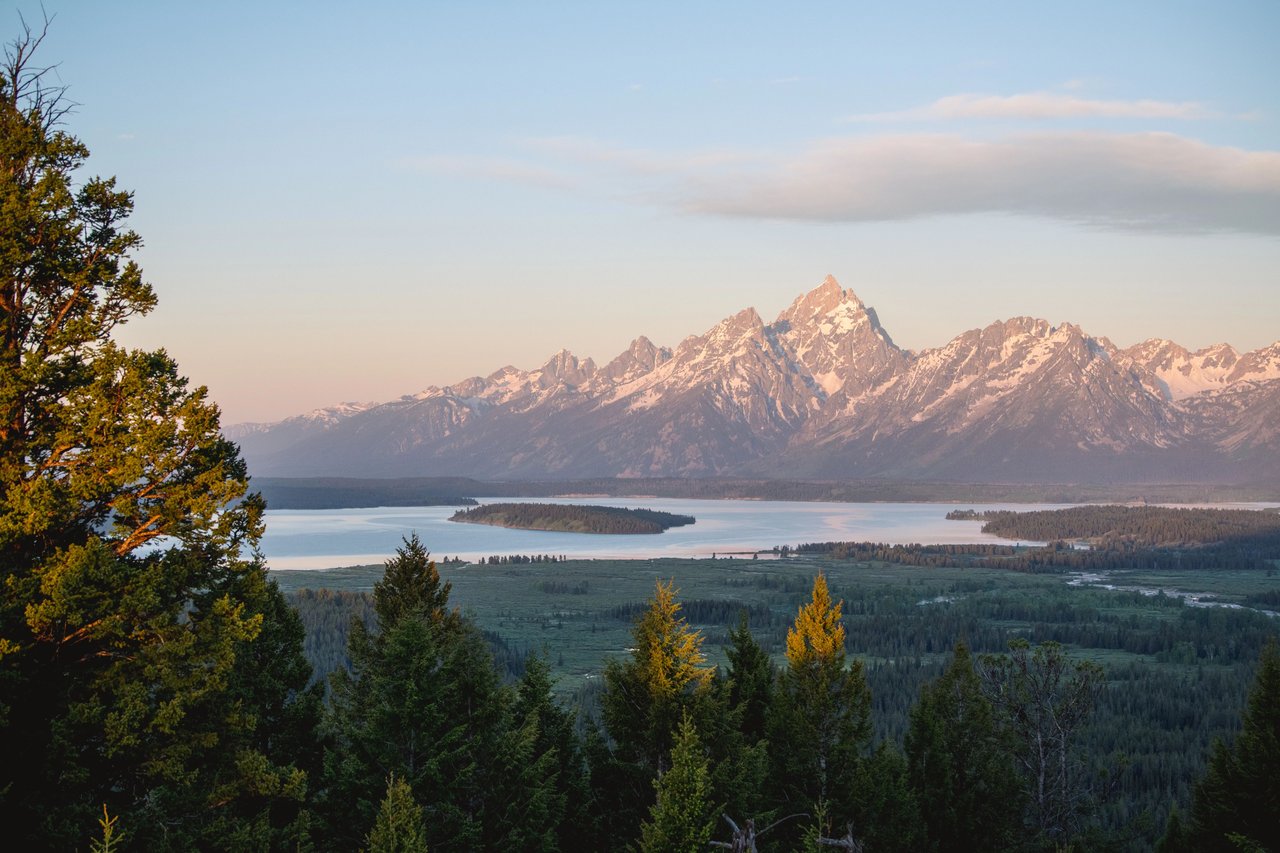
Golf homes often offer dramatic mountain views and long sightlines across the course. The tradeoff is that they usually feel more open and more connected to shared spaces than river parcels do.
If you prefer visual seclusion and a stronger buffer from neighboring activity, a riverfront property may feel more natural. If you enjoy an orderly setting with a polished resort feel, the golf environment may be more appealing.
Seasonal Use: River and Golf Compared
Both lifestyles are seasonal in their own way. Teton County says the Snake River boat ramp season generally runs from May 1 through October 31, weather permitting. Jackson Hole Golf & Tennis Club says the course opens in early May and closes in mid-October.
For many second-home buyers, that means both options support a strong warm-season lifestyle. The difference is not whether there is seasonality, but how that season is spent.
How the seasons shape ownership
On the river side, the warmer months tend to emphasize floating, fishing, and riverside recreation, with parcel-specific access and public-private boundaries playing an important role. Near the golf club, the season is more centered on tee times, club amenities, and organized recreation.
In winter, the club’s Nordic track loop adds another layer to the golf-home lifestyle. Riverfront homes, by contrast, remain more tied to the landscape itself rather than a club calendar.
Which Home Type Fits Your Priorities?
The best choice usually comes down to how you want the property to function in your life. These homes can sit in the same broader area north of Jackson, but they support very different ownership patterns.
Here is a simple way to frame the decision:
A riverfront home may fit if you want:
- A stronger connection to water and wildlife
- More privacy and a more secluded feel
- A property shaped by open space and conservation-minded rules
- A legacy asset with a stewardship component
A golf home may fit if you want:
- Club amenities close to home
- A more social and recreation-centered setting
- A visually open landscape with broad mountain views
- A more structured seasonal routine
Neither option is inherently better. The better fit is the one that matches how you want to spend your time, how much land-use complexity you are comfortable with, and what kind of ownership experience you want to create.
Why This Choice Deserves Local Guidance
North of Jackson is a market where small property details can carry outsized importance. River setbacks, floodplain review, wildlife rules, club structure, and actual site usability can all shape value and long-term satisfaction.
That is especially true in luxury purchases, where the goal is not just to buy a beautiful home, but to buy the right kind of lifestyle. A careful review of the parcel, the setting, and your intended use can make the difference between a good fit and an expensive compromise.
If you are weighing a riverfront property against a golf home north of Jackson, a discreet, locally informed conversation can help clarify what suits your priorities best. Tom Evans Real Estate offers thoughtful guidance for complex Jackson Hole purchases, with a strong understanding of land use, stewardship, and high-value property decisions.
FAQs
What is the main difference between riverfront and golf homes north of Jackson?
- Riverfront homes are typically defined by water access, wildlife, privacy, and land stewardship, while golf homes are more closely tied to club amenities, shared recreation, and a social seasonal lifestyle.
What should you check before buying a riverfront home in Teton County?
- You should review floodplain mapping, confirm the current flood zone, understand the 150-foot river setback, and ask how wildlife and landscaping rules may affect the property.
Are golf homes near Jackson Hole Golf & Tennis Club fully private-club properties?
- The club is semi-private, with limited non-member tee times, and it states that memberships are currently sold out with a waitlist.
How seasonal is the lifestyle north of Jackson for river and golf properties?
- Both are seasonal, with the Snake River boat ramp season generally running from May 1 through October 31, weather permitting, and the golf course typically operating from early May to mid-October.
Is a riverfront home north of Jackson more private than a golf home?
- In many cases, yes. Riverfront homes often feel more secluded because of the natural setting and protected buffers, while golf homes usually have a more open landscape connected to fairways and club activity.
What type of buyer is usually a better fit for a golf home north of Jackson?
- A golf home often suits buyers who want convenient amenities, a structured recreation calendar, and a more social ownership experience close to club facilities.
Written by Ashley DiPrisco, Real Estate Advisor
Jackson Hole Sotheby's International Realty