If you are considering land ownership in West Bank South, conservation is not just a value statement. It is a practical part of how you evaluate what a parcel can support, how it can be improved, and what ownership may look like over time. In South Park and the broader Teton County framework, water quality, wildlife habitat, riparian areas, and scenic resources all shape the due diligence process. This guide will help you understand what conservation-minded ownership means here, what questions to ask, and how to prepare whether you are buying or selling. Let’s dive in.
Why conservation matters here
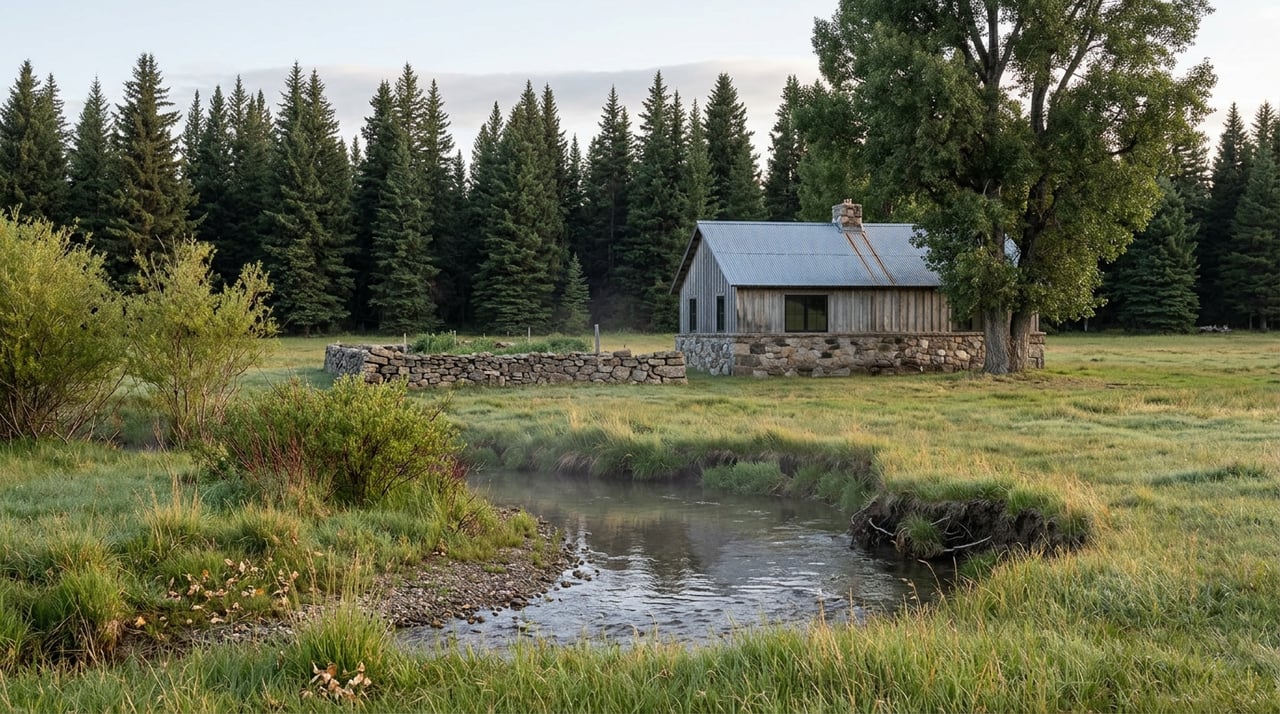
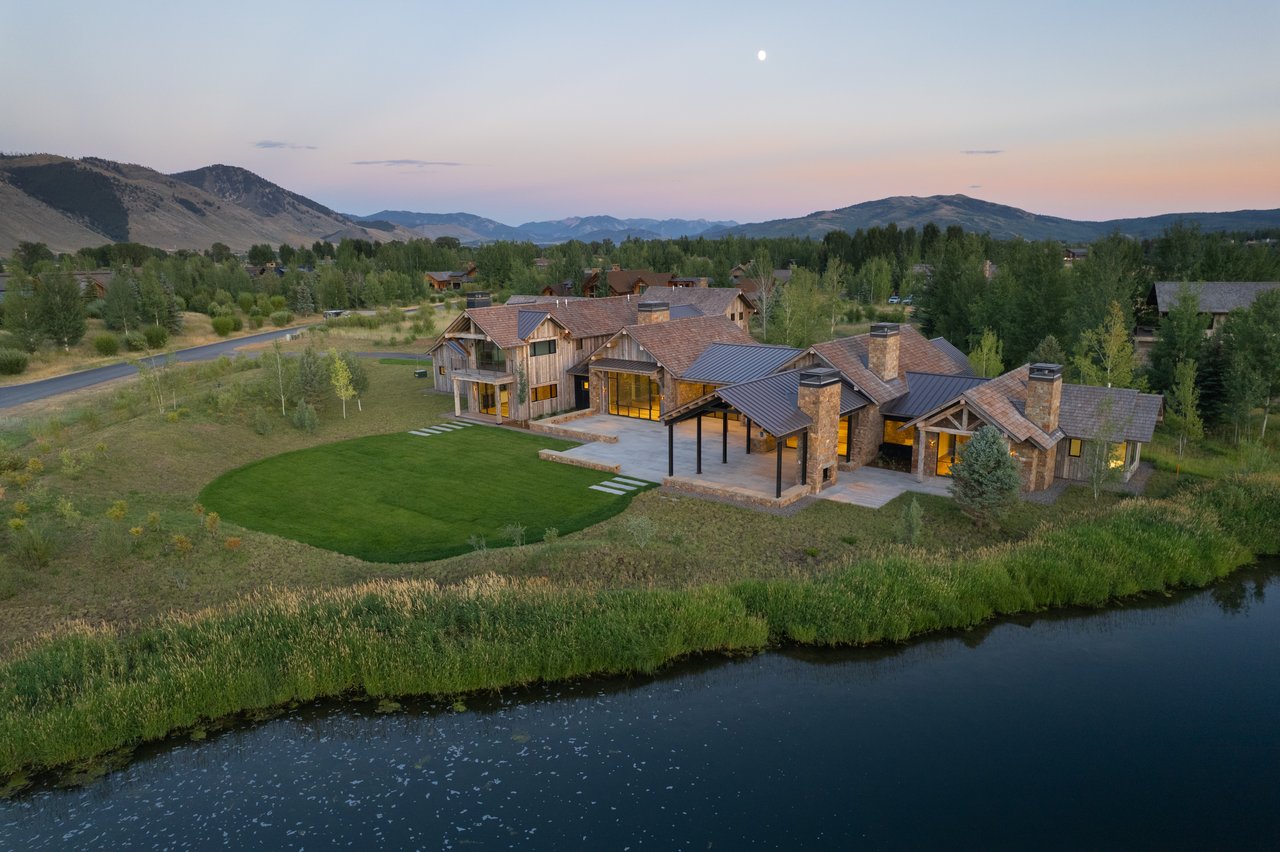
West Bank South sits within a county review environment that is especially sensitive to natural resources. Teton County’s Water Quality Management framework emphasizes protecting waterbodies, wetlands, riparian areas, and the Snake River Sole Source Aquifer.
That matters because ownership decisions on larger parcels often involve more than zoning alone. Physical development, land disturbance, and new uses may also trigger natural-resource review tied to habitat, wildlife movement, and buffering requirements.
How county review affects ownership
Teton County’s current natural-resource framework, effective May 1, 2025, uses three NRO tiers and requires a Natural Resource Assessment before any physical development permit or new use. As the county explains in its natural resource review materials, that assessment identifies resources and constraints, but it does not by itself approve a project.
For you as an owner or buyer, that means early diligence matters. A parcel may look open and usable on a map, but actual development potential can depend on overlays, setbacks, wildlife considerations, and any recorded encumbrances already affecting the land.
Key setbacks to understand
On conservation-sensitive land, setbacks can materially shape where you can build or improve. Teton County’s setback requirements for rivers, streams, and wetlands include:
- 150 feet from rivers
- 100 feet from perennial and intermittent streams
- 30 feet from ephemeral streams
- 50 feet from wetlands
These buffer areas must remain free of development, grading, construction, parking, and stored materials. In practical terms, a parcel’s usable area may be very different from its total acreage.
What a conservation easement does
A conservation easement is a voluntary, nonpossessory interest in real property that can protect scenic, open-space, agricultural, recreational, water-quality, and cultural values under Wyoming law. The Wyoming Uniform Conservation Easement Act recognizes these easements as generally valid and, unless the document says otherwise, unlimited in duration.
In many cases, the owner keeps private ownership while giving up certain rights, often including some development, subdivision, or surface mining rights. Importantly, a conservation easement does not automatically create public access, and it does not automatically control severed or reserved mineral rights unless the mineral owners consent.
Why easement language matters
Not all easements function the same way. The recorded easement document, any amendments, and any defined development area can have a direct effect on what improvements may be possible.
Teton County’s land development regulations indicate that some larger conservation-easement parcels may qualify for modified stream setbacks when the easement is large enough and includes wildlife, agricultural, and scenic analysis. You can review that language in the county’s Land Development Regulations. In other words, the exact terms of the easement can influence the buildability story.
Easements and county review
If a parcel is inside a recorded conservation-easement development area, part of the county’s natural-resource review may be streamlined. According to the county’s Natural Resources Overlay FAQ, the Planning Director may allow easement documentation to substitute for part of the assessment process, depending on the tier and circumstances.
That can be helpful, but it does not mean a property is automatically approved for future work. You still need to understand which approvals are already in place and which ones remain ahead.
Questions buyers should ask
If you are evaluating a West Bank South parcel, a conservation-minded purchase starts with clear documentation and direct questions. Before writing an offer, consider asking:
- What recorded encumbrances affect the property, including a conservation easement, scenic easement, plat building envelope, or other restrictions?
- Which NRO tier applies, and has the parcel already completed a Natural Resource Assessment or environmental review?
- Where do wildlife movement corridors, crucial habitat layers, or planned crossings relate to the possible building site, driveway, utilities, and outbuildings?
- Are any likely improvement areas inside a river, stream, or wetland setback buffer?
- Are mineral rights severed, reserved, or leased?
- If the property is already under easement, does that only streamline part of review, or does it also define a specific development area?
- If tax advantages are being discussed, have qualified legal, appraisal, and tax professionals reviewed the structure?
The county’s natural-resource base checklist is a useful reference because it specifically asks applicants to summarize encumbrances, setbacks, and proposed development.
What buyers often overlook
One common mistake is assuming acreage equals flexibility. On conservation-sensitive land, the more useful question is where disturbance is actually allowed and what documentation supports that conclusion.
Another issue is timing. If your plans involve a driveway, barn, utility extension, fence change, or other improvement, you may need to review not only county requirements but also easement terms and stewardship procedures before making plans or assigning value to those improvements.
Tax and legacy planning considerations
Conservation ownership often connects to long-term planning, not just land use. The IRS treats a qualified conservation contribution as a perpetual restriction on the use of real property, and IRS Publication 526 outlines deduction limits, including a general 50% AGI limit for qualified conservation contributions and a potential 100% AGI limit for qualified farmers and ranchers when the land remains available for agricultural or livestock production.
At the same time, tax outcomes should be treated with care. The IRS has also issued warnings about abusive conservation easement arrangements, including inflated appraisals and syndicated structures. If tax treatment is part of your decision-making, you should rely on qualified legal, tax, and appraisal advice rather than a broad marketing claim.
What sellers should organize
If you are selling conservation-sensitive acreage in West Bank South, preparation can improve clarity and credibility. Buyers are often more confident when the due-diligence file is organized before the property reaches the market.
A strong seller file may include:
- The recorded conservation easement
- Any amendments, riders, or related documents
- A current map showing protected areas and any designated development area
- A summary of river, stream, wetland, and other applicable setbacks
- Prior review materials tied to NRO tier or environmental analysis
- Notes on existing improvements and any approvals already obtained
This approach aligns with the county’s natural-resource checklist and supports a cleaner review process for serious buyers.
Coordinate with stewardship early
If a property is already under easement, sellers should not assume future improvements will be viewed as routine. The Jackson Hole Land Trust notes on its stewardship page that owners should run improvement plans through the stewardship team before acting.
That is especially important if questions may arise around a driveway, pond, fence adjustment, utility work, or a new accessory structure. From a marketing standpoint, clear communication about what is protected, what remains buildable, and what approvals may still be needed helps reduce uncertainty.
Why presentation matters for complex land
Conservation-sensitive parcels are rarely one-line listings. Their value often depends on a careful explanation of the land’s legal structure, physical constraints, and long-term possibilities.
For buyers, that means you want more than a surface-level overview. For sellers, it means strong representation should combine local market knowledge, land-use fluency, and a presentation strategy that explains the property with precision and discretion.
Ownership with stewardship in mind
In West Bank South, conservation-minded ownership is really about informed stewardship. The parcel may hold meaningful scenic, habitat, agricultural, or legacy value, but understanding that value requires a close look at buffers, encumbrances, review pathways, and the language of any easement already in place.
Whether you are acquiring land for long-term use or preparing a property for market, careful due diligence creates better decisions. If you would like a discreet, informed conversation about conservation-sensitive acreage in Teton County, Tom Evans Real Estate can help you evaluate the details with clarity.
FAQs
What does conservation-minded ownership mean in West Bank South?
- It means evaluating a property with close attention to conservation easements, natural-resource review, water and wetland setbacks, wildlife considerations, and any recorded limits on development or land disturbance.
What are the stream and wetland setbacks in Teton County?
- Teton County identifies setbacks of 150 feet from rivers, 100 feet from perennial and intermittent streams, 30 feet from ephemeral streams, and 50 feet from wetlands, with buffer areas kept free of development and related disturbance.
What should a buyer review before buying conservation-sensitive land in South Park?
- A buyer should review recorded encumbrances, applicable setbacks, NRO tier, prior Natural Resource Assessment work, wildlife and habitat overlays, possible development areas, and the status of mineral rights.
Does a conservation easement allow public access to private land in Wyoming?
- Not necessarily. Conservation easements generally protect specified land values, but they do not automatically create public access unless the instrument specifically says so.
Can a conservation easement affect future improvements on a property?
- Yes. The easement terms, any defined development area, county setback rules, and stewardship review can all affect whether changes like driveways, utility work, fences, or outbuildings are allowed.
What should sellers prepare before listing a conservation-sensitive parcel?
- Sellers should gather the recorded easement, amendments, maps, setback summaries, and any prior review or approval documents so buyers can better understand what is protected, what may be buildable, and what approvals may still be required.
Written by Ashley DiPrisco, Real Estate Advisor
Jackson Hole Sotheby's International Realty