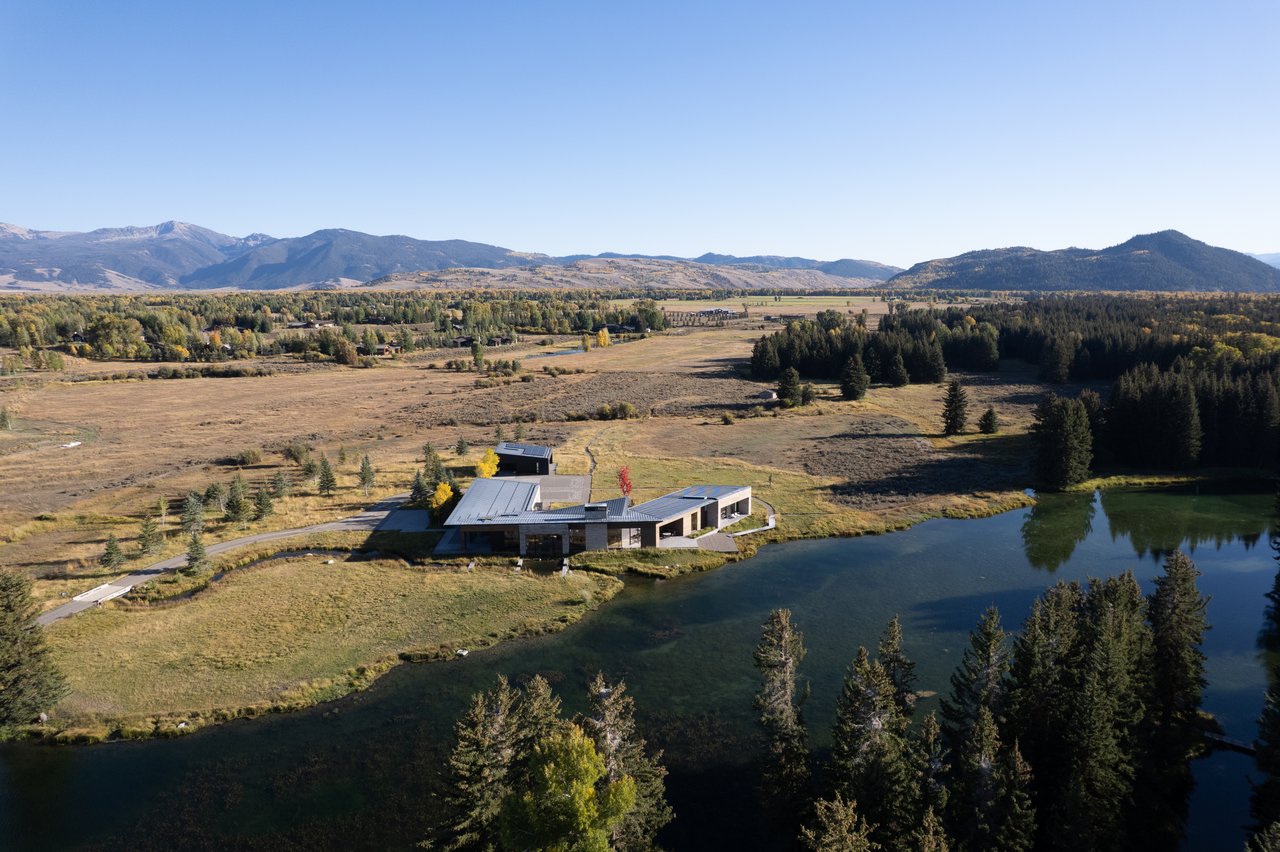
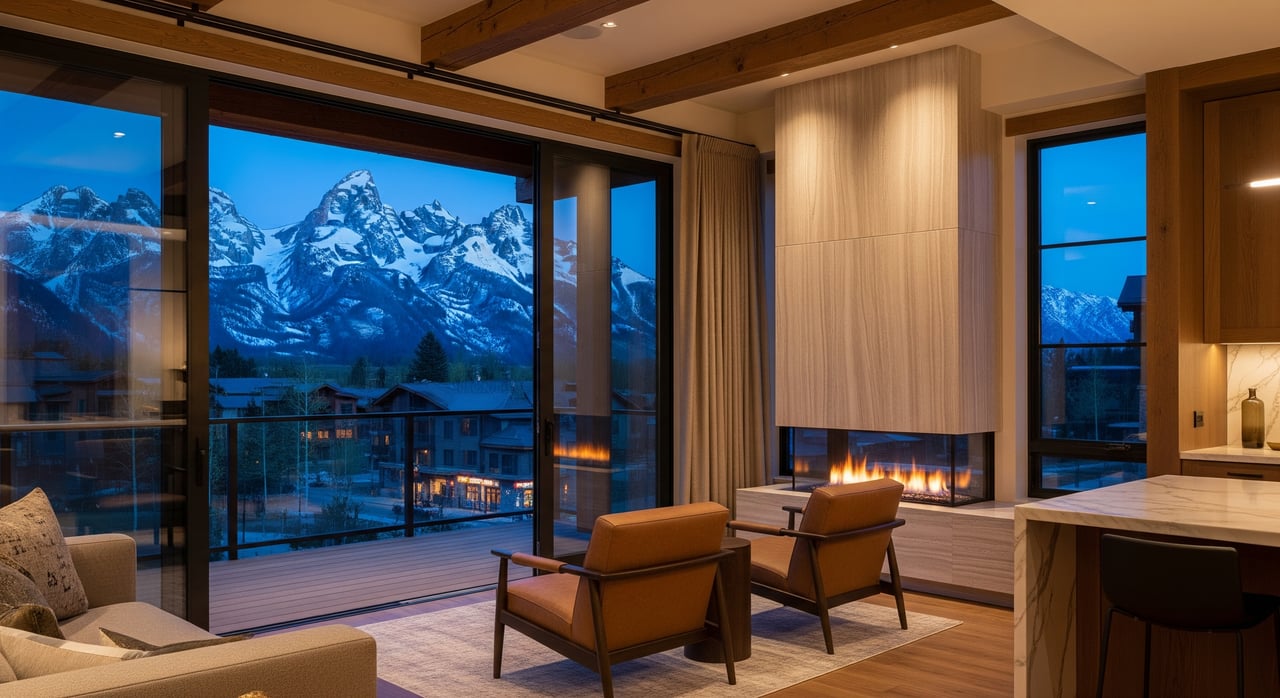
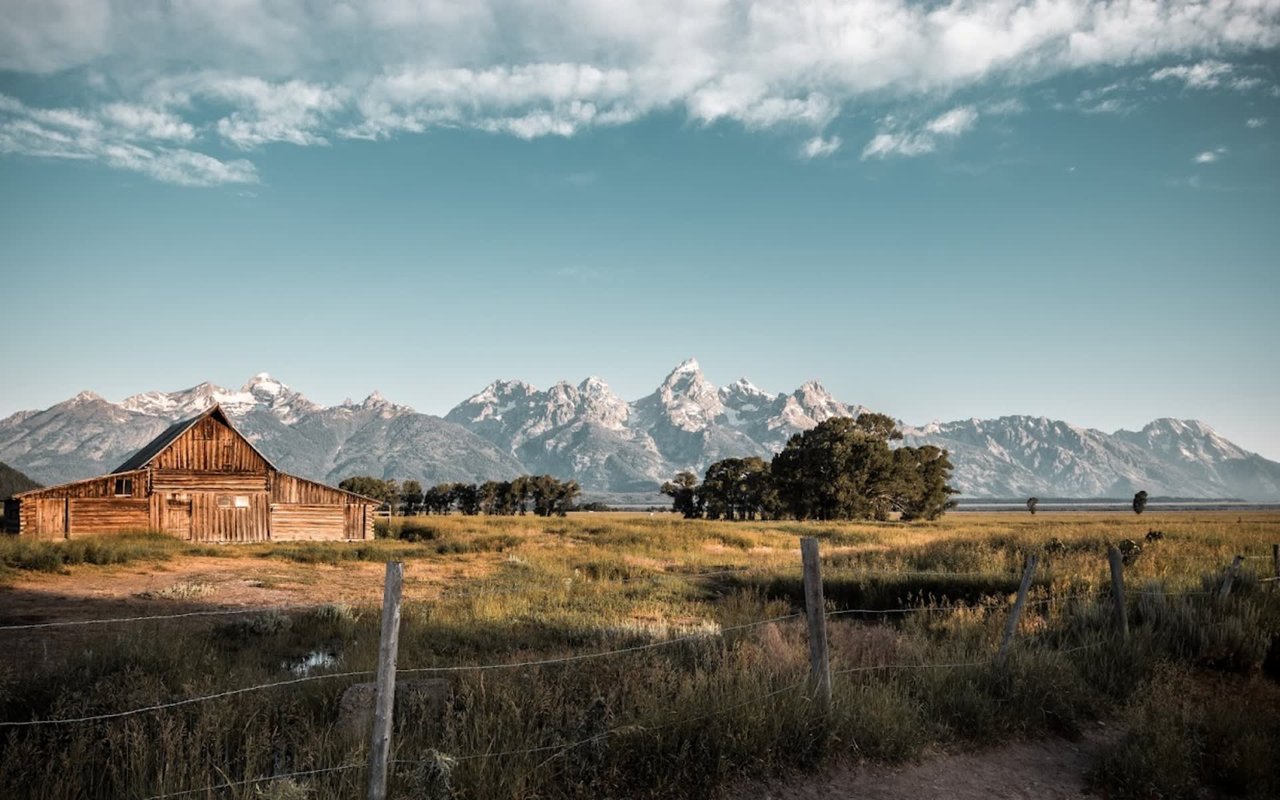
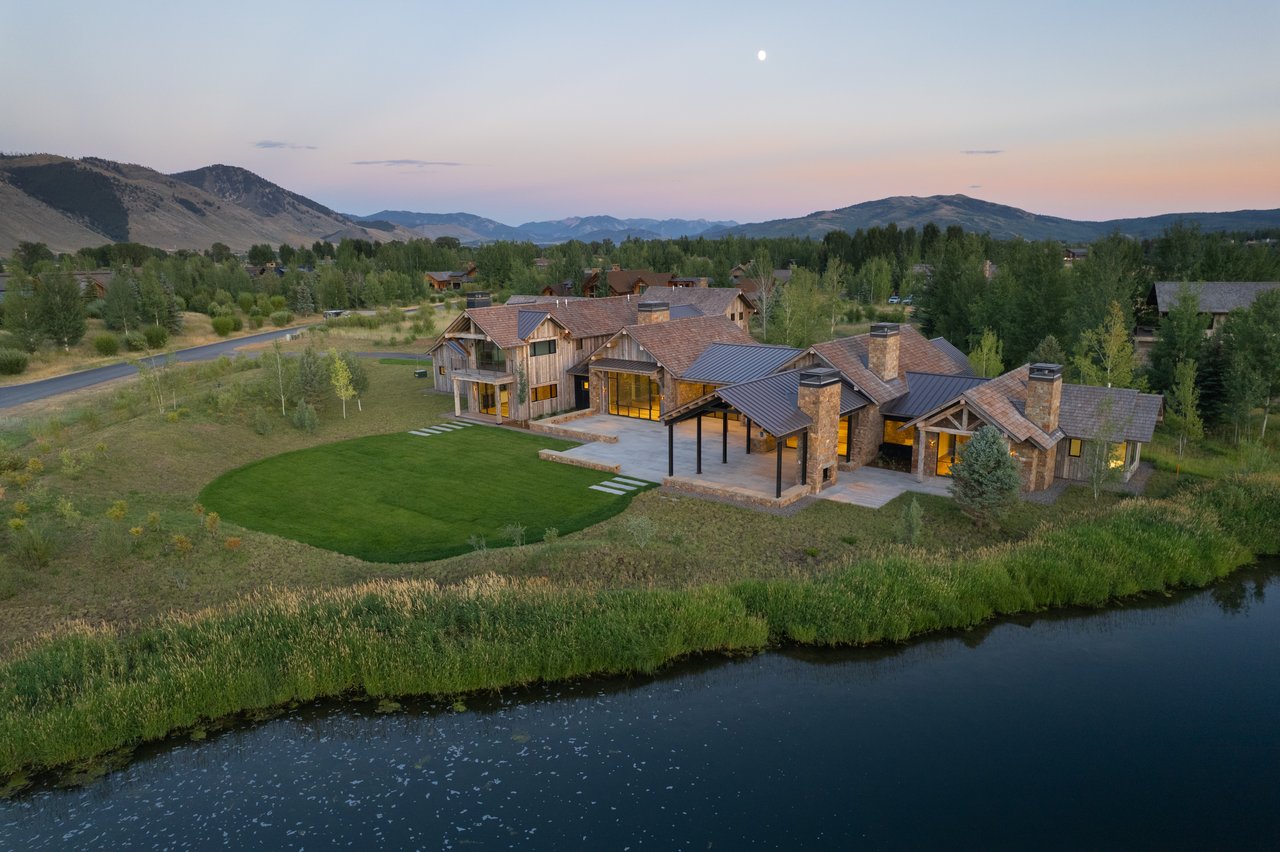
Thinking about acreage in South Park and hearing a lot about conservation easements? You’re not alone. Many Jackson Hole buyers want privacy, protected views, and room to ranch, and easements are a big part of how that character endures. In this primer, you’ll learn what a conservation easement is, how it shapes building and land use, what it means for financing and long‑term value, and the due diligence you should do before you buy. Let’s dive in.
What a conservation easement is
A conservation easement is a voluntary legal agreement that limits certain uses of land to protect specific conservation values. You still own the land and keep private property rights that are not restricted in the deed. Most easements in Jackson Hole are perpetual, which means they last forever and run with the land.
Easement holders are typically local land trusts or public agencies. The easement deed spells out what is permitted and what is prohibited. It often limits subdivision and major new development, while allowing traditional uses such as grazing or haying and a primary residence within a defined building envelope.
Perpetual vs. term easements
Perpetual easements are the norm and are required for most federal income tax benefits. Term easements exist but are treated differently under tax rules and by land trusts. In all cases, the easement is recorded with title and will be part of your closing due diligence.
Recognized conservation purposes
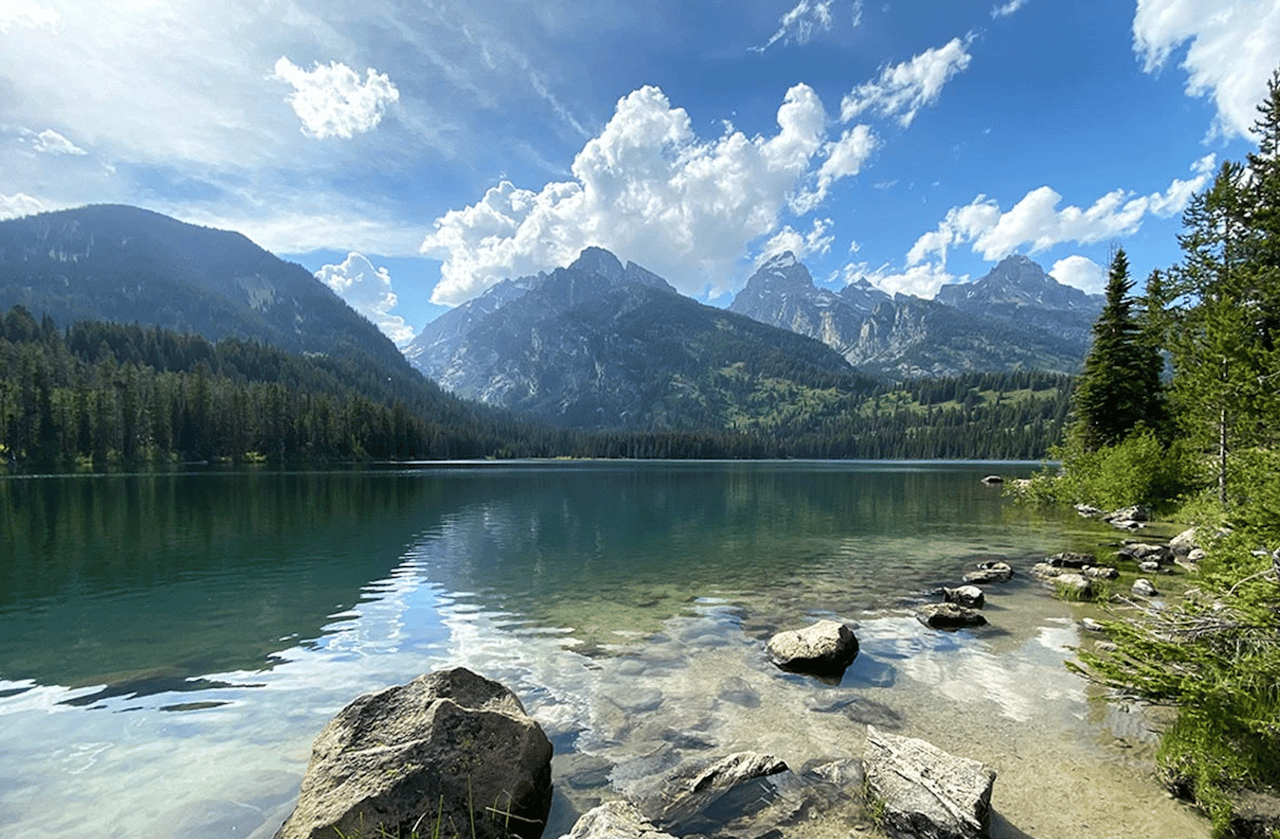
Easements in the Jackson Hole area commonly protect open space and scenic views, agricultural use, wildlife habitat and migration corridors, and water or riparian resources. Some easements also address historic or culturally significant landscapes.
How easements shape life on South Park acreage
Open space, views, and privacy
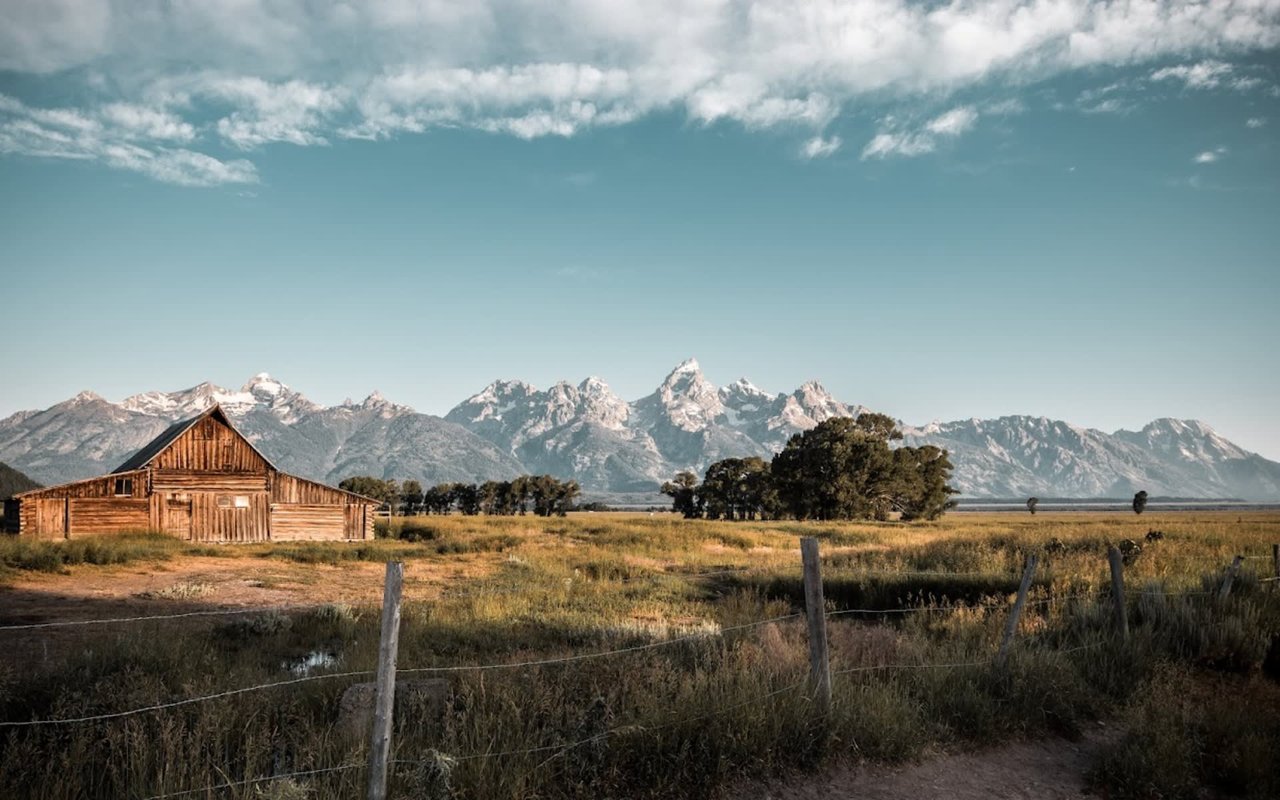
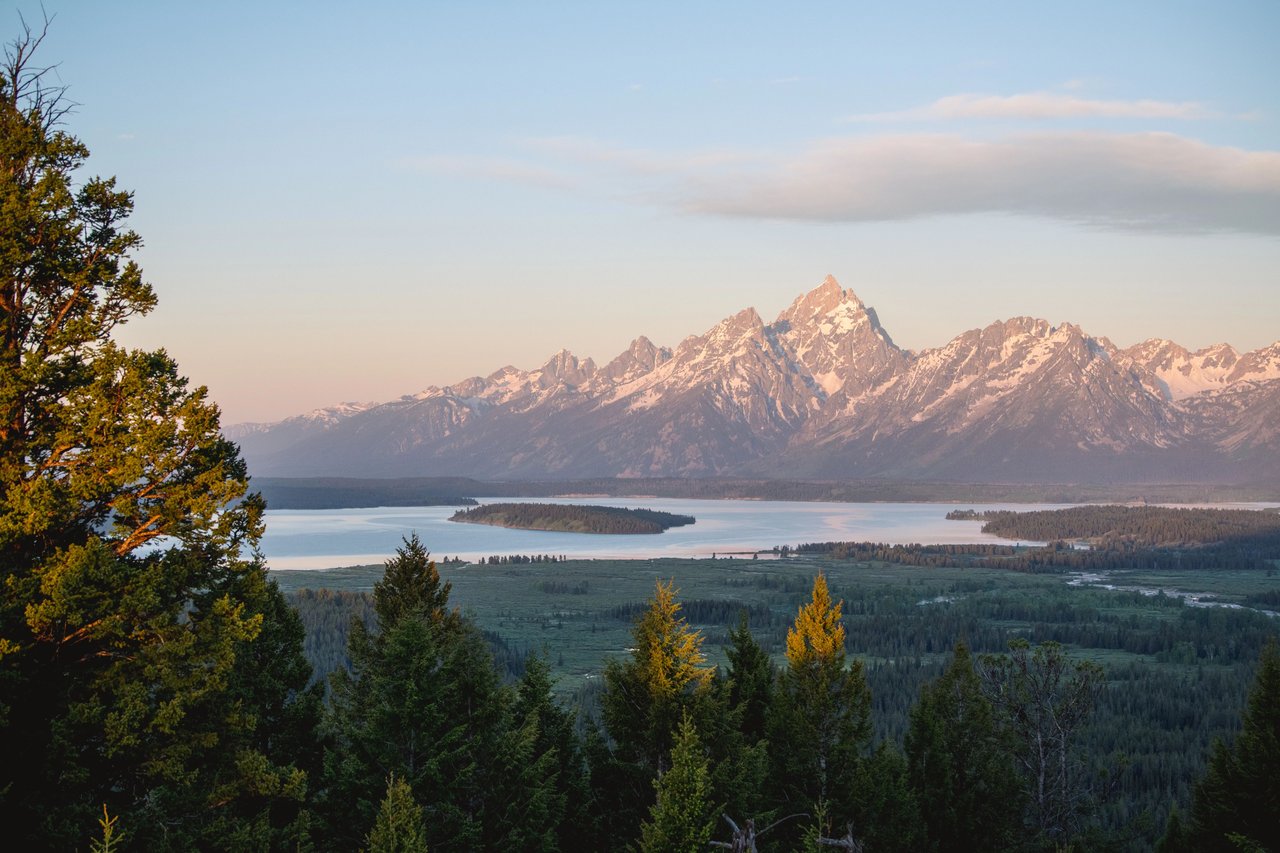
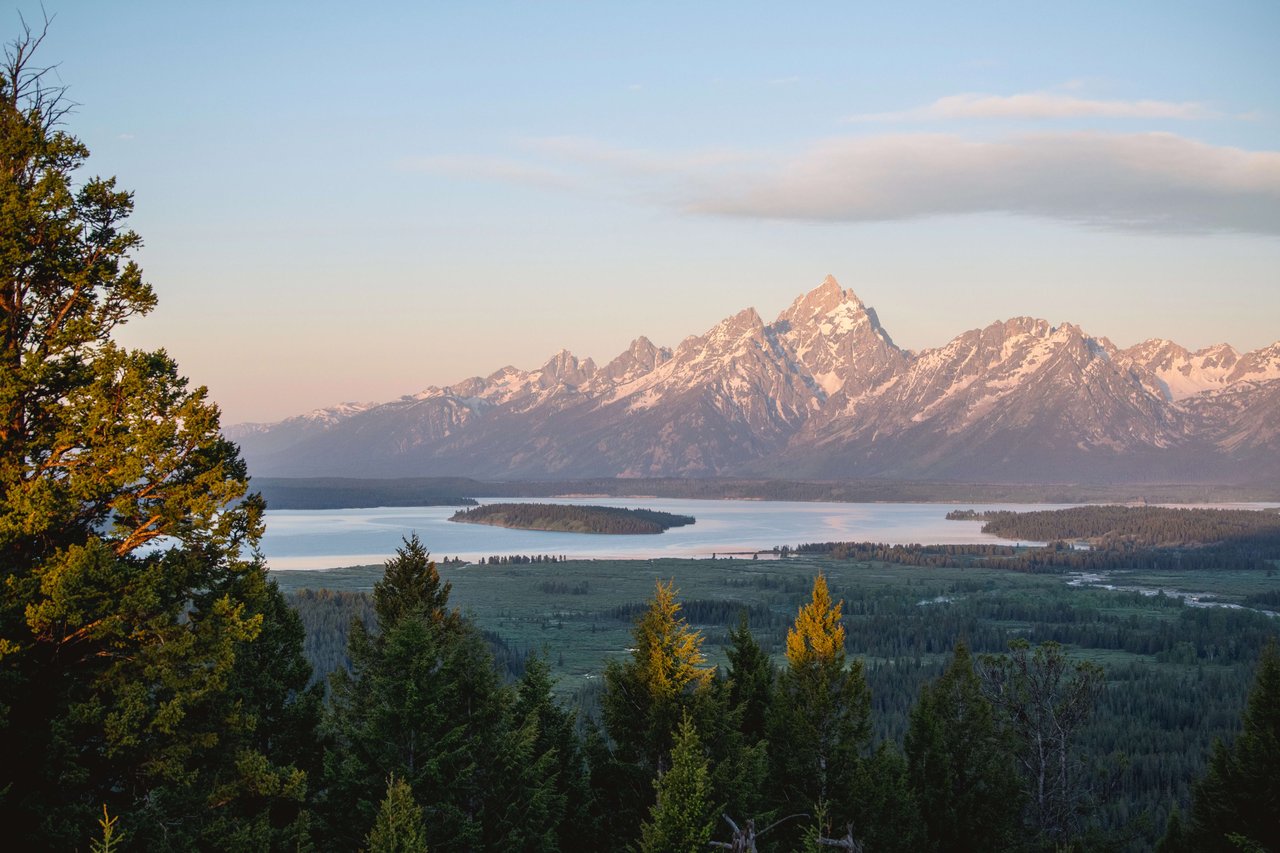
In South Park and West Bank South, easements can preserve the rural feel by preventing dense new development. That can protect view corridors and enhance privacy for low‑intensity recreation such as hiking or birding. The trade‑off is reduced ability to subdivide or add multiple residences.
Ranching continuity and improvements
Many easements support a working ranch lifestyle by allowing grazing, haying, and traditional ranch improvements like barns or corrals. They typically prohibit conversion to dense residential or commercial use. You should verify any limitations on new infrastructure or intensive operations.
Home sites and building envelopes
Most easements define where you can build and how large a home can be. A primary residence is often allowed within a mapped building envelope. Guest houses or accessory dwellings may be limited or prohibited unless expressly reserved in the deed.
Infrastructure and utilities
Roads, utility corridors, and commercial activities may be restricted. If you plan to add a new driveway, well, or solar array, confirm that the easement allows it and whether there are design or location constraints.
Public access
Some easements require no public access at all. Others allow limited or managed public access for passive recreation. Always confirm the exact access provisions for the parcel you are considering.
Legal and financial basics in Wyoming
Federal tax framework
Donations of qualifying perpetual conservation easements to a qualified organization may be deductible as charitable contributions under federal law. The rules are complex and require a qualified appraisal, proper documentation, and adherence to IRS standards. Work with an experienced CPA and attorney before relying on any tax outcome.
Wyoming law and local regulations
Wyoming recognizes conservation easements as property interests that run with the land. They are durable and recorded with title. Local Teton County zoning still applies, so you must comply with both the easement and county regulations.
Financing and lender requirements
Lenders often require the easement to be reviewed or subordinated before they will finance the property. Building envelopes, use limits, or public access requirements can affect underwriting. Pre‑check with your lender so there are no surprises later.
Value, marketability, and neighborhood effects
Direct financial impact
An easement usually reduces the market value tied to development rights. In some jurisdictions, that can lower assessed value and property taxes. The actual impact varies by parcel, permitted uses, and demand in Jackson Hole’s high‑end acreage market.
Buyer pool and liquidity
Easements narrow the buyer pool to those who value protected open space and are comfortable with restrictions. Resale may take longer, yet conserved landscapes often resonate with conservation‑minded buyers seeking guarantees around views, habitat, and ranch character.
Neighboring easements
When adjacent parcels are conserved, the rural character can stabilize. That consistency often supports long‑term desirability for both encumbered and unencumbered acreage nearby.
Due diligence checklist for South Park buyers
Use this as a starting point before you write an offer or waive contingencies.
- Title and recorded documents
- Obtain the recorded easement deed, all amendments, maps, and any conservation plan.
- Ask for the Baseline Documentation Report used when the easement was created.
- Review any covenants, HOA rules, or county agreements that also limit use.
- Confirm mineral, oil and gas, leasing, and water rights status.
- Easement deed content
- Permitted and prohibited uses, including subdivision and commercial activity.
- Building envelopes, size and height limits, and number of allowed residences.
- Reserved rights such as grazing, agricultural structures, or accessory buildings.
- Public access provisions and any use restrictions during wildlife seasons.
- Monitoring, enforcement, notice, amendment, and dispute resolution clauses.
- Stewardship funding or endowment obligations at transfer.
- Physical and resource reviews
- Current survey and map of easement boundaries and rights‑of‑way.
- Site inspection for improvements, fences, riparian features, or habitat.
- Compare present conditions to the Baseline Documentation Report.
- Water rights review, including priority and appurtenance to the parcel.
- Environmental assessment if prior uses suggest contamination risk.
- Financial and tax considerations
- Consult a CPA experienced with conservation easements about past and future tax treatment.
- Obtain lender pre‑approval for a conserved property.
- Confirm any stewardship fees or endowments due at transfer.
- Check property tax assessment history and agricultural status.
- Parties and capacity
- Evaluate the easement holder’s stewardship capacity, monitoring history, and endowment level.
- Request the holder’s contact information and any available monitoring reports.
- Advisors to engage
- Real estate attorney with Wyoming conservation easement experience.
- CPA with easement valuation and reporting expertise.
- Appraiser familiar with conserved land.
- Licensed surveyor with local cadastral experience.
Risks, trade‑offs, and misconceptions
Common trade‑offs
- Reduced development potential vs. preserved views, habitat, and ranch character.
- Potentially lower assessed value and taxes vs. a smaller resale market.
- Protection of landscape legacy vs. less flexibility for adding dwellings or subdividing.
Pitfalls to avoid
- Assuming tax benefits transfer to you. Deductions are personal to the donor.
- Relying on a weak baseline report. Poor documentation can create disputes later.
- Overlooking mineral or water rights that could undercut conservation values.
- Ignoring stewardship funding needs for long‑term monitoring and enforcement.
- Getting involved with instruments tied to questionable syndicated tax shelters.
Western ranchland specifics
Water is separable and complex in the West. If water rights are not protected with the land, ecological values can suffer. Easements should address grazing regimes, wildlife connectivity, and wildfire or vegetation management.
Negotiation levers
When a seller is offering an easement or you are buying encumbered land, you can often clarify key terms. Define building envelopes and the number of residences. Spell out management practices and allowable improvements. Address lender protections and request a stewardship endowment for monitoring.
Your starter advisory team
- Land trust representative or stewardship officer.
- Real estate attorney experienced in Wyoming conservation easements.
- CPA with conservation and valuation experience.
- Appraiser specializing in conserved land.
- Licensed surveyor for maps and boundaries.
- A local real estate team experienced with conserved acreage.
Glossary for quick reference
- Baseline Documentation Report: A snapshot of the property’s conditions at the time the easement is created, used for future monitoring.
- Building envelope: The mapped area where residential or other structures may be built under the easement.
- Reserved rights: Uses the landowner keeps, such as grazing, a primary residence, or specific improvements.
- Stewardship fund: An endowment or fee that supports long‑term monitoring and enforcement by the easement holder.
- Qualified appraisal: An appraisal that meets federal standards when a donor seeks a charitable deduction for a perpetual easement.
- Public access: Whether and how members of the public may use the property; varies by easement and must be confirmed in the deed.
Next steps for South Park buyers
- Request the recorded easement deed and Baseline Documentation Report early.
- Walk the property with the map in hand and confirm conditions match the baseline.
- Speak with the stewardship officer to understand monitoring and communication.
- Consult your lender and CPA before finalizing offer terms.
- Align your plans for building, ranching, or habitat work with the easement language.
If you want a clear, confidential read on a specific South Park or West Bank South parcel, our team can help you align use goals with easement terms and local regulations. For a discreet consultation and a focused evaluation of opportunities and constraints, contact Tom Evans Real Estate.
FAQs
What is a conservation easement on South Park land?
- It is a recorded legal agreement that limits certain uses to protect conservation values while you retain ownership and other private rights not restricted in the deed.
Does a Jackson Hole easement require public access?
- Not always; some are entirely private while others allow limited or managed public access, so you must confirm the exact provisions in the deed.
Can I build a guest house on conserved South Park acreage?
- Only if the easement explicitly allows it; many deeds limit the number of residences and require building within mapped envelopes.
How do conservation easements affect financing in Teton County?
- Lenders often require review or subordination, and restrictions on building or use can affect underwriting, so pre‑check with your lender early.
Do prior donor tax benefits transfer to me as a buyer?
- No; past deductions are personal to the donor, and you should consult a CPA about your own tax position before relying on any benefit.
Who monitors a conservation easement after I buy?
- The easement holder, typically a land trust or agency, conducts periodic monitoring and communicates with you about stewardship and compliance.